TMJ Self-Check: Symptoms to Treat Now vs. Monitor at Home

Stop Guessing: Know When TMJ Pain Needs Help Now
Jaw pain can make simple things like chewing a sandwich or chatting with a friend feel like hard work. Your temporomandibular joint, or TMJ, is the hinge that connects your jaw to your skull. You use it all day for chewing, speaking, yawning, and even breathing comfortably while you sleep.
When the TMJ is irritated or strained, it can cause pain in your jaw, face, head, and neck. Many people in Meridian try to ignore these symptoms, especially in busy seasons filled with work, travel, and outdoor plans. Waiting too long can let a small problem turn into a big one.
This guide will help you sort your TMJ symptoms into two groups: signs you may be able to monitor at home for a short time, and red flags that mean it is time to seek TMJ disorder treatment in Meridian with an expert like Dr. Cameron Kuehne at The Center for Sleep Apnea and TMJ.
Understanding TMJ Basics Before You Self-Check
TMJ stands for temporomandibular joint. You have one on each side of your jaw, right in front of your ears. When everything is working well, your jaw slides and hinges smoothly as you talk and eat. When there is a problem, you may hear clicks, feel stiffness, or notice pain in the joint or surrounding muscles.
TMJ disorder is a broad term that covers different issues affecting the joint, the muscles around it, or your bite. These problems can be triggered by several things, such as:
- Stress and clenching or grinding your teeth
- Prior dental work or changes to your bite
- Sports injuries, falls, or blows to the jaw or face
- Strain from outdoor activities or heavy lifting
- Poor posture, especially if you sit at a desk or look down at a phone a lot
- Sleep-related issues that cause jaw clenching at night
Because the TMJ is so closely connected to the head, neck, and face, trouble here can show up as headaches, ear symptoms, or neck pain. A provider trained in dental sleep medicine, like Dr. Cameron Kuehne, is used to looking at this bigger picture. He can consider how your jaw joints, muscles, teeth, and sleep habits all fit together, instead of treating each symptom as if it stands alone.
Mild TMJ Symptoms You Can Safely Monitor at Home
Some TMJ symptoms are more like a yellow light than a red light. They do not always mean you need immediate care, but they should not be ignored. Common mild signs include: occasional jaw clicking or popping without pain, mild jaw stiffness in the morning that eases as the day goes on, temporary soreness after a big meal, a long road trip, or extra talking, and rare, brief jaw fatigue after chewing tougher foods.
If your symptoms are mild, you can try a short period of careful self-monitoring. At home, TMJ-focused dentists like Dr. Cameron Kuehne often recommend simple self-check steps such as:
- Gently opening and closing your mouth to notice how far it moves and if it shifts to one side
- Paying attention to when symptoms appear, such as after stress, chewing, or long drives
- Choosing softer foods for a few days to give your jaw a break
- Using heat or cold packs on sore muscles for short periods
- Watching your posture and avoiding long hours with your head tilted forward
- Practicing basic stress reduction, such as breathing exercises or stretching
It is reasonable to monitor these mild symptoms for about one to two weeks. During that time, you want to see things either stay very mild or slowly improve. Signs that home care is working include less stiffness in the morning, fewer sounds from the joint, and easier chewing. If symptoms linger, get more frequent, or start to include new pain, that is a sign to consider professional TMJ disorder treatment in Meridian.
Red Flag TMJ Symptoms That Need Treatment Now
Some TMJ symptoms are clear red flags that should not be watched at home. They point to more serious joint strain or injury and need prompt attention from a provider like Dr. Cameron Kuehne. Red flag signs include:
- Jaw locking open or closed, even for a short time
- Sharp or worsening facial pain around the joint or cheek
- Trouble opening wide enough to eat, brush your teeth, or yawn
- Sudden changes in your bite, such as your teeth not fitting together like they used to
- Pain that wakes you up at night or stops you from falling asleep
There are also situations that are more like emergencies, where you should seek care quickly. These include:
- A jaw that will not close or will not open at all
- Severe swelling around the joint or in the face
- TMJ pain after a fall, car accident, or sports injury
Delaying TMJ disorder treatment in Meridian in these cases can raise the risk of joint damage, ongoing headaches, or chronic craniofacial pain. Early evaluation with Dr. Cameron Kuehne can help protect the joint, calm irritated muscles, and reduce the chance that a short-term strain turns into a long-term problem.
Headaches, Ear Symptoms, and Neck Pain You Should Not Ignore
Not every TMJ issue shows up as obvious jaw pain. Many people are surprised to learn that frequent tension-type headaches, ear fullness, pressure, or ringing, dizziness or a sense of imbalance, and constant neck and shoulder tightness may be connected to the way their jaw joints and muscles are working.
Because these symptoms can also be caused by sinus problems, ear infections, or other medical issues, it is important to have them checked in a thoughtful way. Dr. Cameron Kuehne looks for patterns, such as:
- Do your headaches get worse when you chew or clench?
- Does your ear fullness change when you move your jaw?
- Does your neck feel tighter after a day of talking or driving?
During an evaluation, he can help sort out which symptoms are likely related to TMJ and which may need input from your primary care doctor or another provider.
It may be safe to watch these indirect symptoms at home if they are mild, occasional, and improved by rest or simple changes, like shorter screen time or better posture. On the other hand, you should consider a prompt TMJ evaluation at The Center for Sleep Apnea and TMJ if your headaches, ear issues, or neck pain happen often, keep getting worse, clearly flare up with chewing, talking, or clenching, or start to affect your sleep or daily activities.
Your Meridian Next Steps with Dr. Cameron Kuehne
When you are unsure what to do next, a simple checklist can help:
- Are your symptoms mild, rare, and already improving with gentle home care? Careful short-term monitoring may be reasonable.
- Are your symptoms strong, frequent, or waking you at night?
- Do you notice jaw locking, big bite changes, or trouble opening wide?
- Do you have headaches, ear symptoms, or neck pain that match up with jaw movement?
If your answers lean toward more severe, frequent, or complicated symptoms, it may be time to talk with a TMJ-focused provider like Dr. Cameron Kuehne in Meridian.
At a TMJ visit with The Center for Sleep Apnea and TMJ, you can expect a calm, step-by-step approach. Typically, this includes:
- A detailed history of your pain, habits, and daily routines
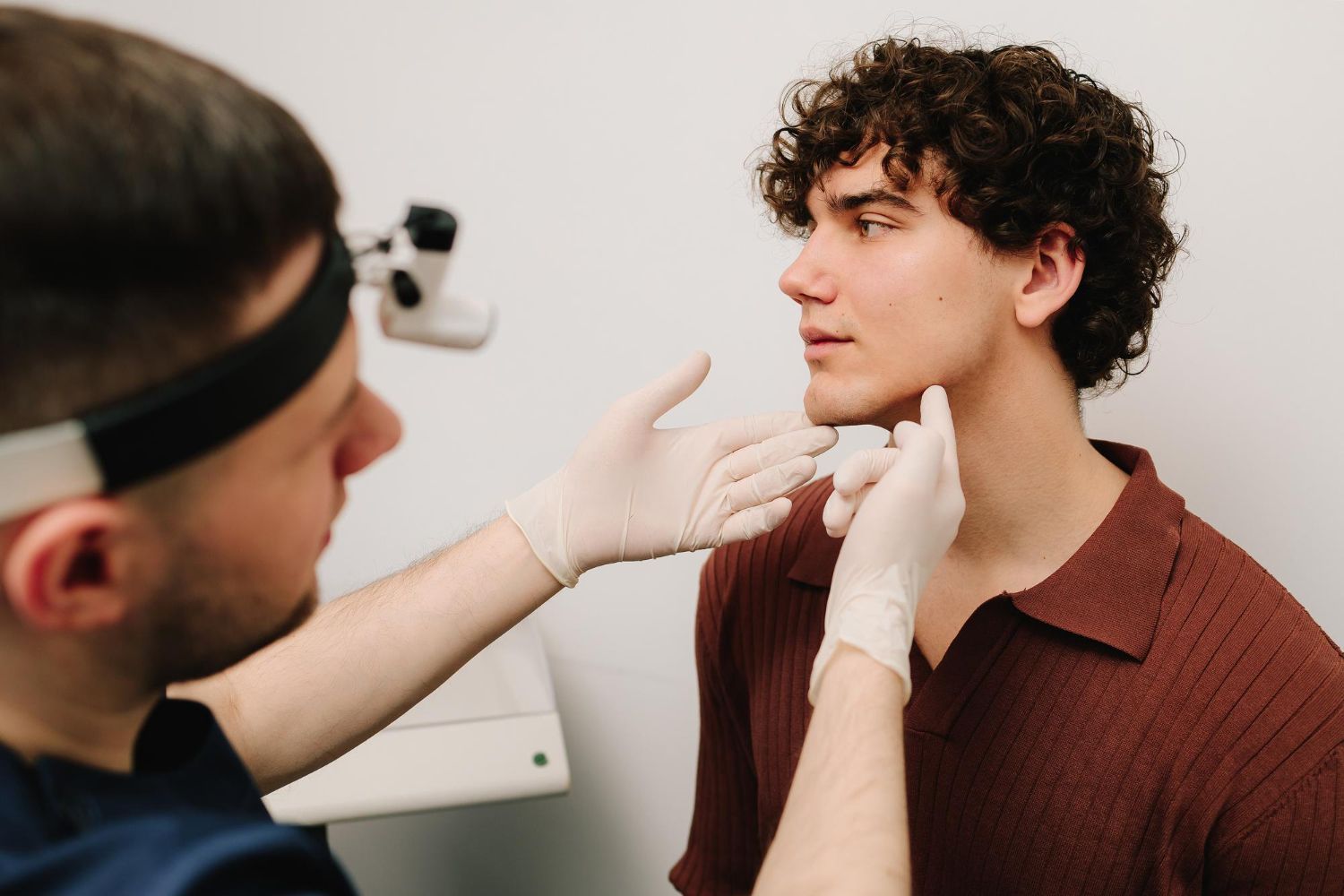
- Careful examination of your jaw joints and chewing muscles
- An assessment of how your teeth fit together
- Discussion of your sleep patterns and any clenching or grinding
- A personalized plan aimed at reducing TMJ-related craniofacial pain and protecting your joints
Before your appointment, it can help to keep a simple symptom diary. Note when pain starts, what you were doing, what makes it better or worse, and how it affects sleep. Some people also like to jot down questions they want to ask, so nothing is forgotten in the moment.
When you understand which TMJ symptoms can be watched and which need prompt care, you can make calmer, more confident choices. With thoughtful guidance from Dr. Cameron Kuehne and The Center for Sleep Apnea and TMJ, you can work toward a jaw that feels more comfortable, a head that hurts less, and days in Meridian that are easier to enjoy.
Relieve Jaw Pain And Protect Your Long-Term Oral Health
If jaw pain, headaches, or clicking joints are affecting your daily life, we are here to help you find lasting relief. Our team at CSAT Meridian - The Center For Sleep Apnea and TMJ provides comprehensive, personalized care for
TMJ disorder treatment in Meridian. We take time to understand your symptoms, diagnose the underlying cause, and create a treatment plan that fits your needs. To schedule an appointment or ask questions about your options, please
contact us today.