Guide to Managing Sleep Apnea Symptoms Without Tech Devices
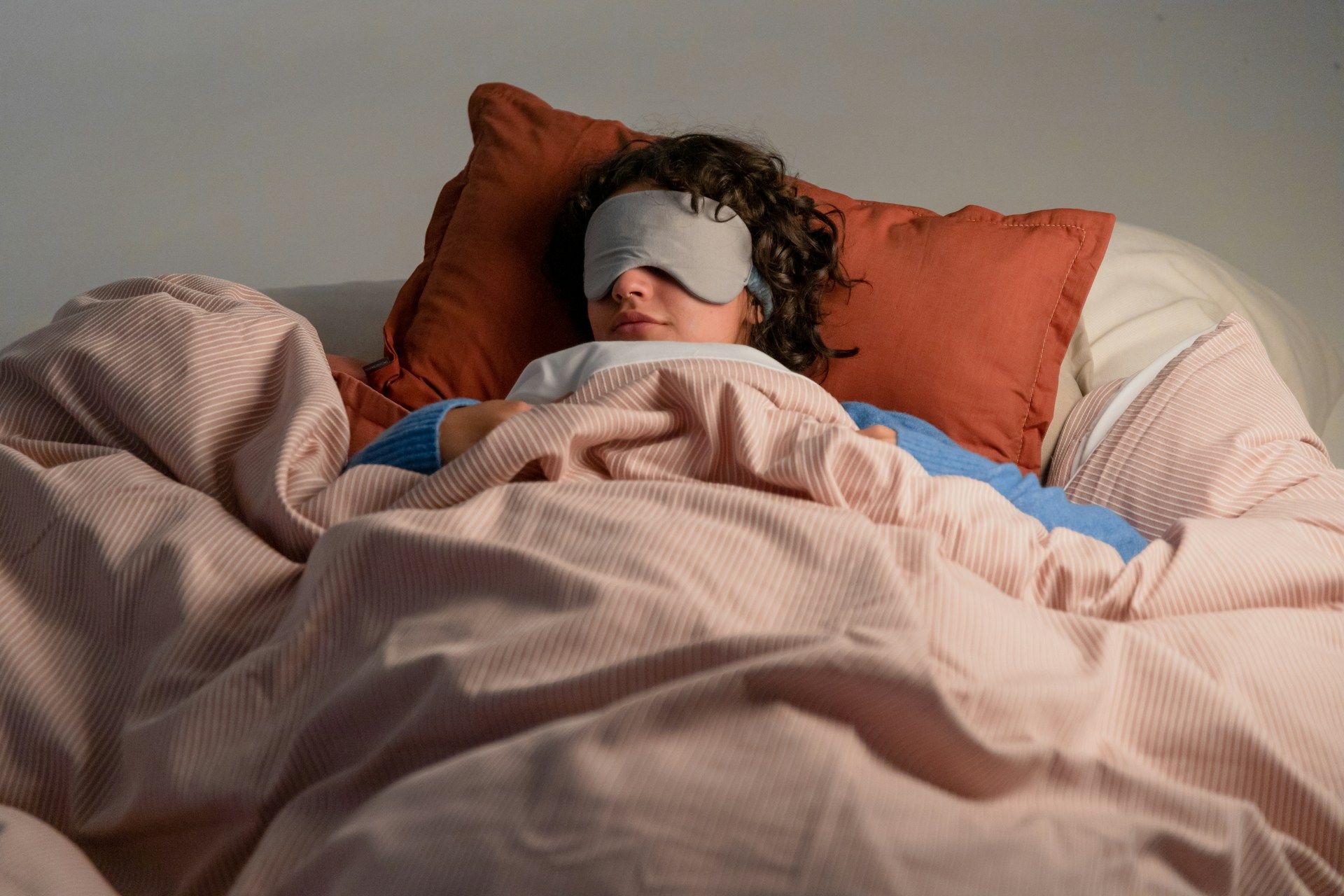
Living with sleep apnea in Meridian, ID can be frustrating, especially when the usual advice points to machines and devices that don't fit your life. Not everyone wants to sleep next to a bunch of beeping, breathing gear. For many people, there's a quiet search for comfort, one that doesn’t involve screens, wires, or tech. We get it.
At The Center For Sleep Apnea and TMJ, we work with people every day who want something simpler. Dr. Cameron Kuehne spends time helping those who feel stuck find routines that give their body a better chance at rest. Here, we’re sharing what we’ve learned about easing symptoms without relying on technology. The focus is on ways that feel natural and doable, not overwhelming or high-tech.
Understanding What Sleep Apnea Really Feels Like
Some people think sleep apnea means loud snoring and that’s it. Often, it’s way more than that.
- A dry mouth in the morning that never goes away
- Waking up feeling like you barely slept
- Feeling moody or foggy for no reason during the day
When sleep apnea goes unchecked, it can seep into daily life. It affects how the brain stays alert and how the muscles relax. Over time, that adds up to slower thinking, shorter patience, and heavier eyes by midmorning.
It’s not always easy to spot, either. Some people think they just sleep poorly or need more coffee. But if mornings regularly feel like a fight, it may be time to look more closely. One of the things Dr. Cameron Kuehne does so well is helping patients connect patterns they didn’t even know were signs. Understanding what’s happening is one of the first steps toward a quieter night and a less scattered day.
Breathing Easier with Oral Appliances
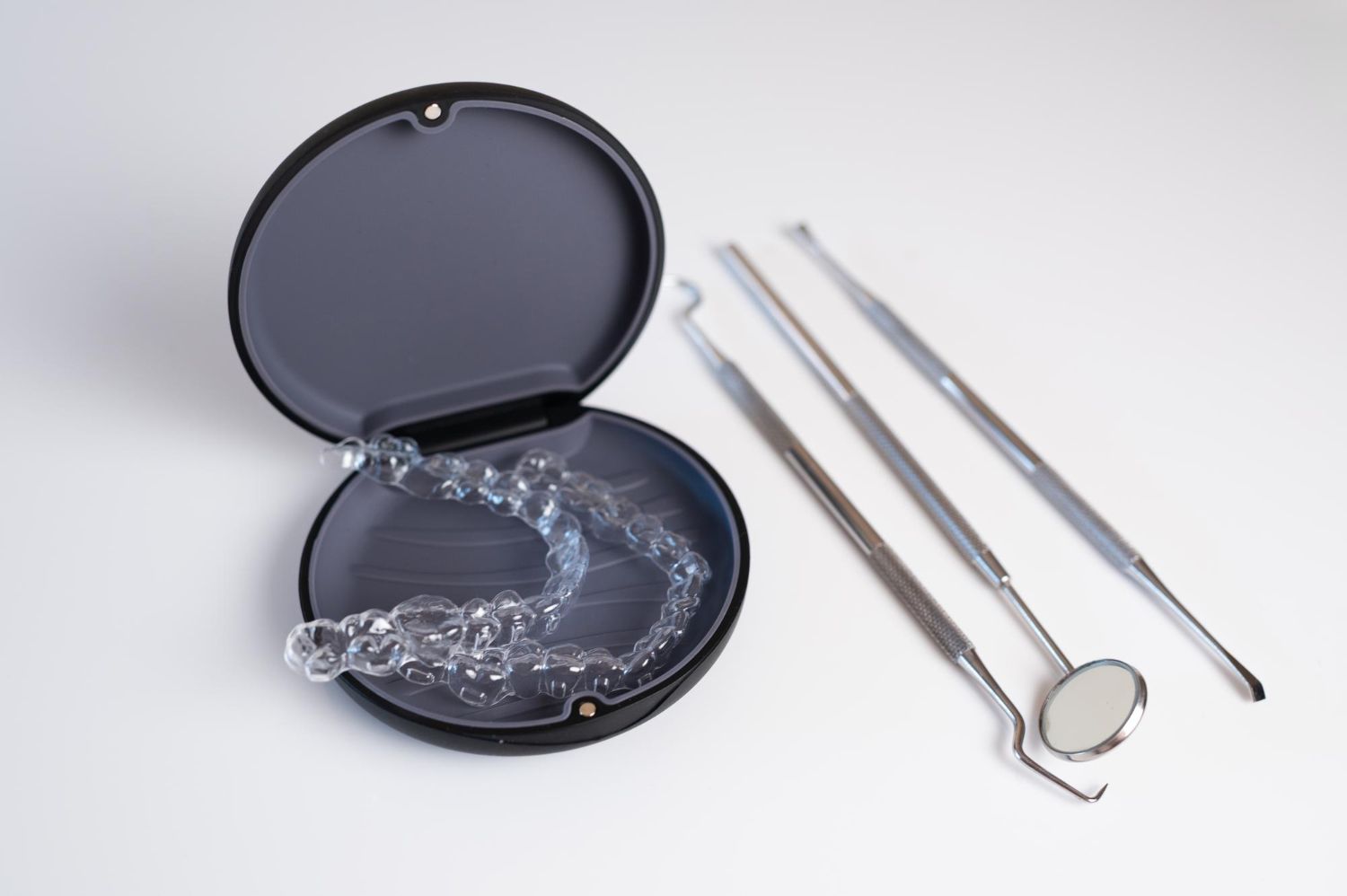
Not all treatments make noise or blink. Some slip in quietly and help without needing a plug or outlet. Oral appliances are one option that can make a big difference with none of the noise or weight of traditional machines.
These devices fit inside the mouth and gently shift the position of the jaw while sleeping. That movement helps open the airway and lets more air flow through with less struggle. The custom fit makes a huge difference in comfort. Too tight and it's hard to wear. Too loose and it won’t do much good.
We spend time getting it just right, and Dr. Cameron Kuehne is especially careful during fittings. He checks how the jaw moves, listens closely when patients talk about how they’re sleeping, and makes small changes if something feels off.
For people who travel or share a bed, these tools can feel like a relief. No cords to untangle, no machine on the nightstand. Just a simple piece designed to help the body breathe more freely.
Adjusting Daily Habits for Better Nights
What happens during the day matters as much as what happens at night. Some of our most common routines can make it harder to sleep, even if we don’t realize it.
- Long hours at a desk can tighten neck and jaw muscles
- Stress can cause clenching or grinding, even during sleep
- Poor posture can close the airway and make breathing harder
Dr. Cameron Kuehne often coaches patients to start small. Maybe that’s checking in with your jaw while you drive or noticing how you sit during long meetings. The way we hold our head or move our jaw during the day can quietly build tension. That tension becomes discomfort later.
We talk about pillow support, quiet wind-down routines, and how screen time might be tricking the brain into staying alert too late. Simple steps work best when people can actually follow them, so our focus stays on what feels doable, not exhausting.
Local Care That Gets It Right the First Time
There’s something helpful about working with care that’s close to home. When you don’t have to drive hours or explain your schedule to someone far away, it becomes easier to stay with the process. That matters when changes don’t happen overnight.
Patients from Meridian and nearby cities like Meridian, ID often tell us they appreciate having someone who “gets it.” Dr. Cameron Kuehne pays attention to how people live around here. He knows many people in this area work full days, spend time behind screens, or carry a lot of day-to-day pressure. That shows up in their sleep.
We don’t use cookie-cutter plans, and part of the reason is because everyone’s days look different. We open each conversation by asking what’s already been tried, what mornings feel like, and what kind of rest feels missing. That way, support feels grounded instead of generic.
Sleeping Well on Your Own Terms
Better sleep doesn’t always come from a device. It starts when breathing feels natural and the body stops fighting itself through the night. That might mean a small appliance, a new pillow, or a few tiny tweaks to daily habits. With real awareness and a little help, most people start feeling small wins that make daybreak feel less heavy.
Dr. Cameron Kuehne and all of us at The Center For Sleep Apnea and TMJ believe that quiet steps add up. We’ve seen how the right approach, matched closely to a person’s life, helps bring back steady rest. When people sleep better, they think more clearly. They feel less tension in their jaw. They handle the day with a little more space to breathe.
Managing sleep apnea without bulky machines or complex devices is possible with the right guidance. We work closely with people whose lives are shaped by discomfort, fatigue, or interrupted sleep they do not fully understand. For many dealing with
sleep apnea in Meridian, ID, simple changes paired with expert advice can bring real relief. At The Center For Sleep Apnea and TMJ, we take the time to understand your nights so we can help you breathe easier. When you are ready to discuss your options, reach out to us.