Steps to Improve Your Bite for Better TMJ Health
When your teeth don't quite fit together right, your jaw feels it. Chewing becomes uncomfortable. Talking might feel tight or awkward. Over time, these little things can build into larger issues that affect your jaw health. We see this often with people worried about jaw tension or pain. At The Center For Sleep Apnea and TMJ, Dr. Cameron Kuehne often works with individuals whose bite shape plays a part in how their TMJ feels day to day.
People searching for TMJ dysfunction treatments in Nampa sometimes discover that their bite is doing more than they realized. The way your teeth meet can create stress points in your jaw, leading to stiffness, pressure, or clicking. Learning how bite, behavior, and balance affect each other can open the door to real relief. Understanding this relationship is key to identifying the minor issues that can cause ongoing discomfort in the jaw joints.
How Bite Issues Can Affect Your Jaw
When your bite is uneven, your jaw muscles and joints have to work harder to keep things moving. Over time, that extra effort puts a strain on the whole system. It’s not just about how things look, they need to feel easy and natural too. Even a slight change in how your teeth meet can alter the pressure on specific teeth or muscles, influencing how the jaw feels and functions daily.
Some early signs of bite trouble include:
- Popping or clicking when you chew or yawn
- Pain or pressure in your jaw or face
- Teeth that feel worn down or don't line up evenly
When these signs show up, Dr. Cameron Kuehne takes time to look at how your teeth connect. He checks how your jaw moves and listens for sounds that could mean stress or imbalance. These clues help paint a clearer picture of what your TMJ is trying to tell you. Addressing the bite issue can offer the muscles a chance to relax and heal. As muscles return to their normal resting state and stress is reduced, you might notice gradual improvements in comfort and movement.
Even minor imbalances can cause muscles to tighten unconsciously. This tightness can radiate from the jaw into the neck or even the shoulders in some cases. For some, these imbalances make chewing seem like a chore, or make them avoid certain foods that require more effort to bite. Over time, this gentle adaptation to discomfort can develop into habits that worsen overall jaw function.
Habits That Slowly Shift Your Bite
Many people don’t realize how small habits affect their bite over time. It’s easy to overlook how chewing on one side or biting your nails could make things worse. These actions may not hurt at first, but repeated day after day, they change how your teeth function together. Noticing these small, repetitive behaviors can help in identifying what might be shifting your teeth out of their most comfortable position.
Watch for habits like:
- Grinding your teeth, especially during sleep
- Clenching your jaw when you’re stressed
- Leaning on one side of your face for a long time
When Dr. Cameron Kuehne evaluates someone for TMJ pain, he always asks about these types of behaviors. Often, people don’t even notice what they’re doing until the discomfort begins. By recognizing and adjusting those habits, you can start to give your bite a break and your jaw a chance to recover naturally.
For example, many people are surprised when they realize their jaw goes tense while concentrating or that they always hold the phone between their shoulder and cheek. These everyday routines, done over weeks and months, can gently nudge the teeth or jaw out of their usual position. This can worsen bite issues and result in new patterns of muscle strain. By paying attention to how your jaw and teeth feel during daily activities, you can spot these early habits before they cause long-term changes or discomfort.
Gentle Ways to Support a Healthier Bite
Supporting a healthy bite doesn't have to be complicated. Sometimes, slow and steady steps offer the best path to comfort. When your teeth are more balanced, your jaw is more likely to stay relaxed too.
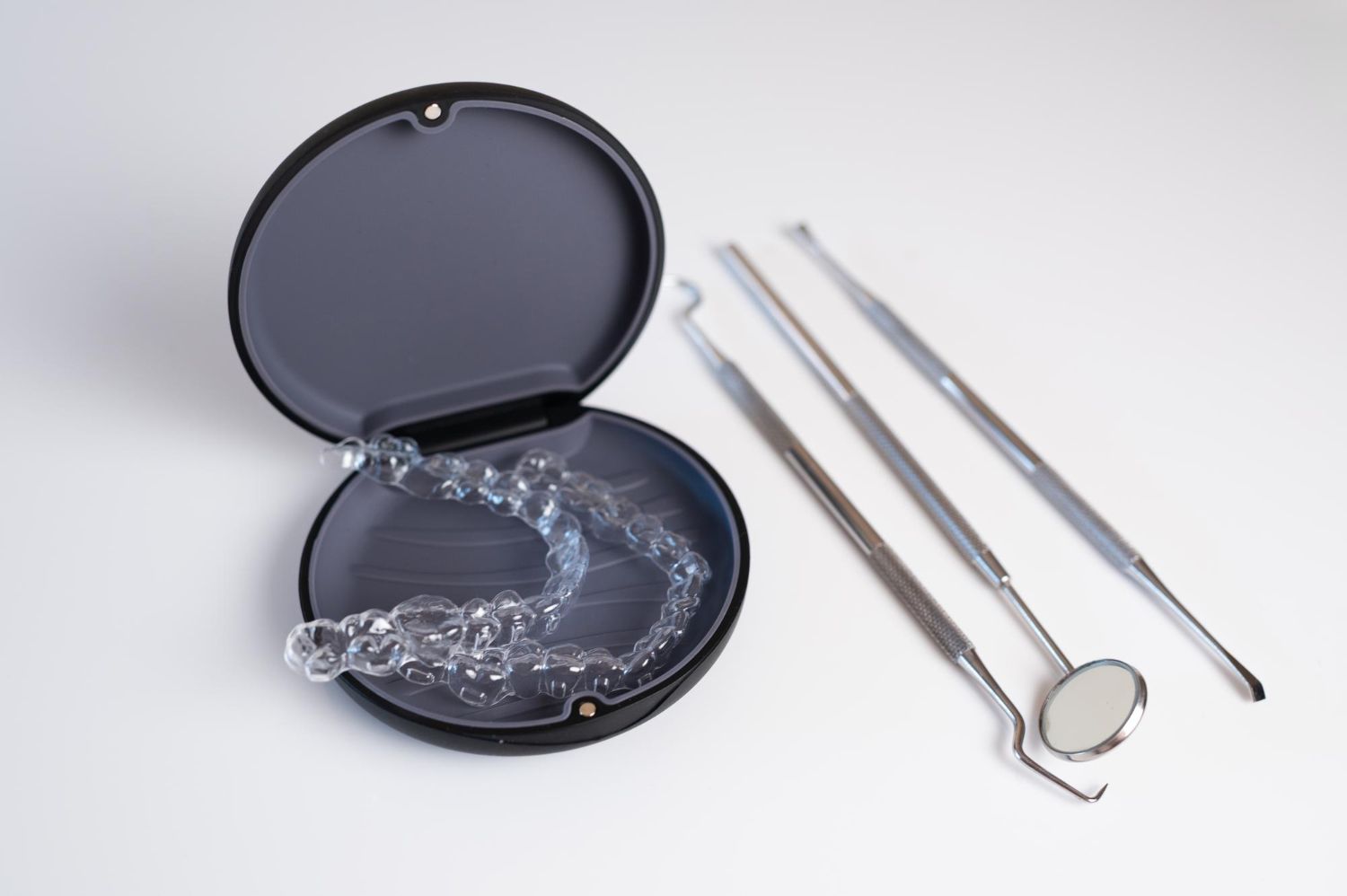
Some people benefit from professional tools that gently shift how the teeth rest. Others might find relief with simple, bite-stabilizing options that are fitted to their individual structure. Dr. Cameron Kuehne listens closely to understand what movements or positions are keeping the jaw from feeling relaxed.
Even those seeking TMJ dysfunction treatments in Nampa often find bite position is part of the bigger picture. Whether it’s easing pressure on certain teeth or helping the jaw sit in a more peaceful spot, the match between the teeth and the muscles truly matters. With calm adjustments over time, the jaw can start to feel more at ease.
Along with direct interventions, home exercises for jaw stretching or gentle jaw massages can benefit some people. Practicing awareness of how teeth come together before you start to eat can help you form a habit of relaxing the jaw. If your jaw starts to feel tired, try adjusting your posture or taking short breaks from repetitive chewing to give those muscles a chance to rest. These small modifications add up to a greater sense of ease and flexibility.
What to Avoid When Your Bite Feels Off
Sometimes, the things people do to cope with discomfort actually make matters worse. When your jaw feels tight, the natural instinct might be to stretch it wide or chew something thick to “work it out.” But these efforts can put more pressure on muscles that already need a break.
A few actions to steer clear of include:
- Constant gum chewing
- Forcing the mouth open or popping the jaw
- Resting your chin in your hand throughout the day
Dr. Cameron Kuehne teaches that small tweaks in behavior can go a long way. Instead of using quick fixes, the focus becomes supporting the jaw with quiet, steady support. This kind of mindful care can reduce flare-ups and help prevent jaw pain from getting worse.
It’s important to avoid habits that tire or strain your jaw, especially when it’s already feeling sensitive. Using your teeth to open packages, biting on hard snacks, or crunching on ice can all contribute to muscle fatigue or even tooth damage. Being gentle with your jaw supports healing. As you adapt these routines, your muscles and joints have more opportunities to recover, reducing pressure over time and restoring comfort to your daily activities.
Many people find that making changes in the way they use their jaw leads to small but meaningful improvements in how they feel. These adjustments help avoid the cycle of pain and tension that can slow recovery or create setbacks.
A Better Bite Can Lead to Less Jaw Pain
Improving your bite isn’t just about lining up your teeth, it’s really about creating space for your jaw to feel more relaxed. When the bite is better, the jaw moves more easily. Less tension, fewer aches. With everyday comfort comes better sleep, smoother speech, and easier meals.
Dr. Cameron Kuehne works with people in Meridian to look at how their bite and jaw connect. At The Center For Sleep Apnea and TMJ, we know every small shift can bring a little more relief. It doesn’t need to be perfect overnight. Bit by bit, new habits and gentle changes offer a path forward.
Real change takes time and care, but it’s worth it when your jaw feels a little less tense at the end of the day. When the way your teeth meet becomes part of the solution, your whole face can start to feel more balanced again.
Notice tension, soreness, or unusual movement in your jaw? Your bite could be part of the issue. Many people seeking help for jaw pain aren’t aware of how everyday habits build pressure. We examine how bite, behavior, and joint alignment work together for lasting comfort. For those who have been looking into
TMJ dysfunction treatments in Nampa, starting with bite balance might be the missing piece. Contact us at The Center For Sleep Apnea and TMJ to take that first step toward relief.