Warning Signs Your TMJ Disorder Needs a Meridian Specialist

Jaw pain is easy to shrug off. Many people blame it on stress, a long day, or sleeping in a bad position. But when that pain keeps coming back, or starts to affect how you eat, talk, or sleep, it may be a sign of a real problem with your jaw joint, called a TMJ disorder.
In this article, we explain the warning signs that your TMJ symptoms are more than a minor annoyance and why seeing a TMJ specialist in Meridian, like Dr. Cameron Kuehne at The Center for Sleep Apnea and TMJ, can make a big difference in your daily comfort and long-term jaw health.
Silent Red Flags Your Jaw Is Not Just “Acting Up”
Your temporomandibular joints, or TMJ, are the small joints in front of each ear where your jaw meets your skull. They help you chew, talk, yawn, and laugh. When something is off with these joints or the muscles around them, you may notice:
- Occasional jaw soreness
- A feeling of tightness when you wake up
- Mild clicking when you open wide
These early symptoms are easy to brush off as stress, teeth grinding, or sleeping wrong. Many people in Meridian do this for months or years. The problem is that small issues can quietly grow into bigger ones.
If you ignore early TMJ warning signs, pain can build over time. What started as a slight ache can turn into:
- More frequent jaw pain
- Trouble chewing certain foods
- Tension that spreads into your head, ears, or neck
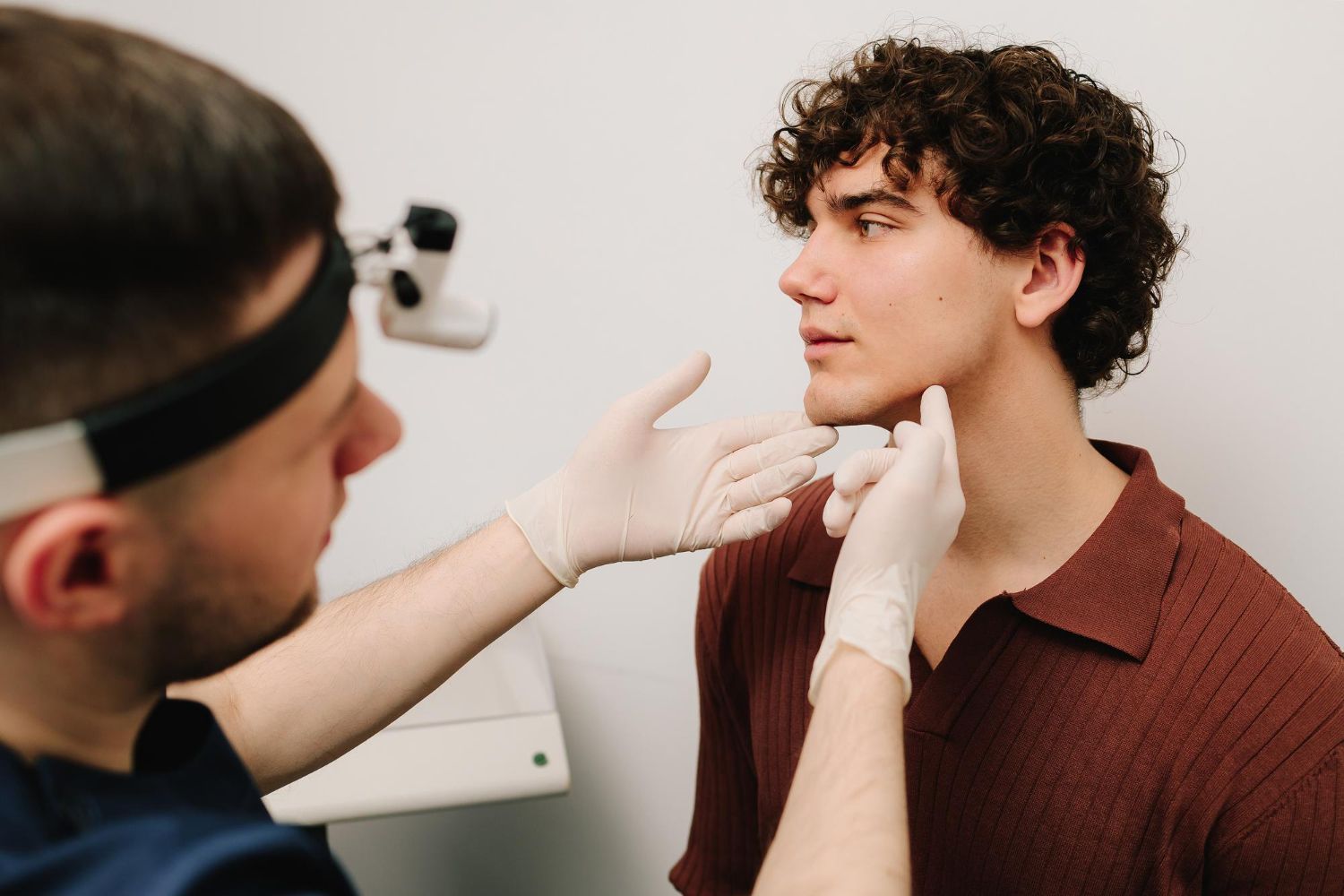
A TMJ specialist in Meridian, like Dr. Cameron Kuehne, is trained to see subtle patterns that might not stand out to you or even to a general dentist. At The Center for Sleep Apnea and TMJ, we look at how your jaw moves, how your teeth meet, and how your muscles work together. This helps us catch problems before they become harder to manage.
When Everyday Jaw Pain Becomes a Serious Problem
Some jaw discomfort here and there is common. You might feel a little stiff after a long day or notice a quiet click now and then. That does not always mean you have a serious TMJ disorder.
But certain patterns are red flags that should never be ignored, such as:
- Jaw pain that lasts more than a week
- Pain that wakes you at night or makes it hard to fall asleep
- Pain that gets worse when you talk, chew, yawn, or laugh
Everyday habits can bring hidden TMJ problems to the surface. Tough foods at a cookout, chewing on ice, or long hours in the car with your jaw clenched can suddenly make your symptoms much more obvious.
When jaw pain starts to interfere with:
- Eating and enjoying meals
- Speaking at work, school, or social events
- Smiling and laughing without worry
it is time to see someone who focuses on TMJ care. If these issues go untreated, they can lead to ongoing facial discomfort and a jaw that does not open as wide as it should. Dr. Cameron Kuehne carefully checks how your jaw joints and muscles are working so we can support you before the problem becomes long term.
Headaches, Ear Symptoms, and Neck Pain You Should Not Ignore
TMJ disorders do not always feel like “jaw problems” at first. They can show up as other symptoms that seem unrelated, which is why many people look for help in the wrong place.
TMJ issues may feel like:
- Morning headaches or pressure around your temples
- Ear fullness or pressure without signs of infection
- Ringing in the ears
- Neck and shoulder tension that keeps coming back
These symptoms can be confusing. Someone might try different headache medicines or think they keep getting minor ear problems, when the real source is strain in the jaw joints and muscles.
Patterns that should make you think about a TMJ evaluation include:
- Headaches that start near the jaw or temples
- Pain that spreads from the jaw up to the side of the head
- Soreness that moves from the jaw into the neck and shoulders
At The Center for Sleep Apnea and TMJ, Dr. Cameron Kuehne looks at how all these pieces fit together. He works to tell the difference between pain linked to your TMJ and pain that may come from other medical issues. This careful approach helps you avoid bouncing from one type of treatment to another without clear answers.
Jaw Clicking, Locking, or Grinding That Demands Expert Care
Hearing a soft, painless click when you open wide can be normal for some people. But not all clicking is harmless. Warning signs include:
- Loud, frequent, or sharp popping sounds
- A feeling that your jaw is slipping or catching
- Pain when the jaw clicks
Jaw locking is another serious red flag. This happens when:
- Your jaw gets stuck open and is hard to close
- Your jaw will not open as wide as it used to
- You feel like something is blocking the joint
Grinding and clenching, especially at night, can put heavy pressure on your TMJ and teeth. Stress, busy schedules, and long to-do lists can make these habits worse. Over time, this extra force can wear down teeth and strain the joints.
During a detailed exam, Dr. Cameron Kuehne looks for:
- Signs of tooth wear from grinding
- Areas of muscle tenderness in your face and neck
- Signs that your jaw joints are unstable or inflamed
Instead of quick fixes that only mask symptoms for a short time, we focus on finding the root causes. This way, your care plan is designed to protect your jaw joints and help you feel better in a steady, lasting way.
Why a TMJ Specialist in Meridian Can Change Your Daily Life
General dental care is important, but TMJ disorders often need more focused attention. A dedicated TMJ specialist in Meridian spends extra time studying how the jaw joints, bite, and muscles interact.
At The Center for Sleep Apnea and TMJ, Dr. Cameron Kuehne uses a detailed approach that looks at:
- How your teeth fit together when you bite
- How smoothly your jaw joints move and if there is any noise or pain
- How tight or tender your facial and neck muscles feel
- Sleep-related habits, such as clenching or grinding
By seeing the full picture, not just one symptom like jaw pain or headaches, we can create care that fits your unique needs. Many people find that when their TMJ disorder is managed well, they notice:
- Easier chewing and more enjoyable meals
- Fewer headaches or less intense headaches
- Reduced neck and facial tension
- Less worry about jaw locking or painful popping
Feeling more comfortable can make it easier to enjoy travel, time with friends, and daily routines without your jaw being on your mind all the time.
Take Control of Your TMJ Pain Before It Gets Worse
TMJ pain rarely goes away for good when it is ignored. Catching problems early often means care can be more comfortable and more conservative. You do not have to wait until jaw pain, headaches, or ear symptoms start to control your plans.
It is a good idea to see Dr. Cameron Kuehne at The Center for Sleep Apnea and TMJ if you notice:
- Jaw pain that keeps returning or lasts more than a week
- Daily or frequent headaches, especially in the morning
- Ear pressure, ringing, or fullness without clear cause
- Jaw popping, locking, or difficulty opening wide
- Ongoing grinding or clenching, day or night
Paying attention to these warning signs and getting an expert TMJ evaluation in Meridian can help you protect your jaw health and work toward calmer, more comfortable days with less pain and more freedom to enjoy your life.
Relieve TMJ Pain And Restore Comfortable, Confident Living
If jaw pain, headaches, or difficulty chewing are disrupting your day, our team at CSAT Meridian - The Center For Sleep Apnea and TMJ is here to help you find lasting relief. Schedule an evaluation with our
TMJ specialist in Meridian so we can pinpoint the cause of your symptoms and create a personalized treatment plan. We take time to listen, answer your questions, and explain every step so you feel fully supported in your care. Ready to get started or have questions about appointments and insurance details? Simply
contact us and we will walk you through your next steps.