TMJ vs. Migraine, Sinus, and Cervicogenic Headaches: Symptoms and Tests

Why Fall Can Trigger More TMJ Headaches
Headaches that come from jaw problems often spike as summer fades and schedules tighten. Back-to-school routines, new work projects, and longer screen time can all raise stress. As stress climbs, many people clench or grind their teeth more without even knowing it. Colder mornings can also make muscles around the face and neck feel tighter, which can push the jaw out of its comfort zone.
When that happens, TMJ-related headaches can feel almost exactly like migraines, sinus headaches, or neck-based headaches. Many people around Meridian and Nampa end up seeing several providers but do not get lasting relief because the jaw is not getting the attention it deserves. At The Center for Sleep Apnea and TMJ, Dr. Cameron Kuehne focuses on the joints, muscles, and nerves of the jaw and face, using non-surgical options to help uncover what is really feeding those headaches.
How TMJ Headaches Typically Feel Day to Day
TMJ headaches often show up as a dull, aching pressure around the sides of the head and face. The pain may sit at the temples or in front of the ears, run along the jawline toward the chin, feel pressure behind or around the eyes, or spread into the cheeks or the side of the neck.
Many people also notice patterns in what makes their headache flare or calm down:
- Gets worse when chewing chewy or hard foods
- Flares after talking a lot or singing
- Spikes when yawning wide
- Eases a little when they rest their jaw or keep their teeth slightly apart
Morning headaches are very common when there is nighttime teeth grinding or clenching. You might wake up with tight jaw muscles, sore teeth, and a band of pressure around your head.
There are also strong jaw clues that point toward TMJ rather than other headache types, especially when several show up together:
- Jaw clicking, popping, or grinding noises
- Jaw locking open or shut, or feeling “stuck”
- Limited opening when you try to yawn or bite
- Feeling like your bite does not come together evenly
- Ear fullness or pressure without clear ear infection
- Face or jaw muscles that feel tired by late afternoon
When Dr. Cameron Kuehne evaluates TMJ headaches, he looks at all these signs together, not one at a time. He pays close attention to how jaw movement, bite alignment, and headache timing line up. This big-picture view helps guide more precise TMJ headache treatment in Nampa and nearby communities.
Migraine Versus TMJ Headache
Migraine and TMJ pain can overlap so much that people get labeled as “migraine only” for years. Classic migraine attacks often include:
- Throbbing or pulsing pain, often on one side
- Nausea or even vomiting
- Sensitivity to light, sound, and strong smells
- Visual changes, like flashing lights or zigzag lines
- Triggers such as hormones, certain foods, or rapid weather shifts
Some people also sense warning signs before a migraine, such as mood changes or food cravings. Migraine attacks can be intense and may knock a person out of daily life for hours.
TMJ headaches, on the other hand, usually feel more like a steady, tight pressure rather than a pounding. They tend to start around the jaw joints, temples, or in front of the ears; follow long days of chewing, talking, or clenching; flare during stress or tension; and improve when the jaw is supported, relaxed, or treated with targeted care.
A key point is that you can have both migraine and TMJ problems at the same time. If the jaw is irritated, it can lower the brain’s pain threshold and make migraine attacks easier to trigger.
Dr. Cameron Kuehne spends time teasing apart these layers. He may ask detailed questions like:
- Does the pain start in your jaw or does it start deep in your head?
- What were you doing in the hour before the headache began?
- Does biting on one side make it worse or better?
He also checks for bite imbalances and gently tests jaw motion and muscle tenderness. This helps reduce the risk that someone will be treated only for migraine while an underlying TMJ problem is quietly fueling the attacks.
Sinus and Neck Headaches Versus Jaw-Driven Pain
Sinus headaches tend to follow a pretty clear pattern. People often notice:
- Pressure in the cheeks, above the eyes, or across the bridge of the nose
- Pain that gets worse when bending over or lying face down
- Nasal congestion, runny nose, or postnasal drip
- Soreness in the upper teeth during sinus infections
- Symptoms that match allergy season or a respiratory bug
If there are no nasal or breathing symptoms, the odds of a true sinus headache drop a lot.
Cervicogenic, or neck-based, headaches show up differently. They often include:
- Dull, aching pain that starts at the base of the skull
- Pain that travels from the neck up toward the forehead or eyes
- Stiff neck with limited turning or tilting
- Tightness across the upper shoulders and shoulder blades
- Worse pain after long periods looking down at phones or laptops
TMJ headaches can act like “shape shifters.” Tight jaw muscles can refer pain into the cheeks and eye area, which feels a lot like sinus pressure. Other jaw muscles can pull at the base of the skull and upper neck, mimicking cervicogenic headaches.
When Dr. Cameron Kuehne evaluates this kind of pain, he looks carefully at:
- How the jaw opens and closes
- How the head and neck sit during standing and sitting
- Which muscles are tender and which are not
- Whether pressing on jaw muscles reproduces the “sinus” or “neck” pain
This helps avoid a cycle of repeated sinus treatments or neck-only therapies that bring only partial or temporary relief because the jaw has not been addressed.
Tests and Exams a Meridian TMJ Dentist May Use
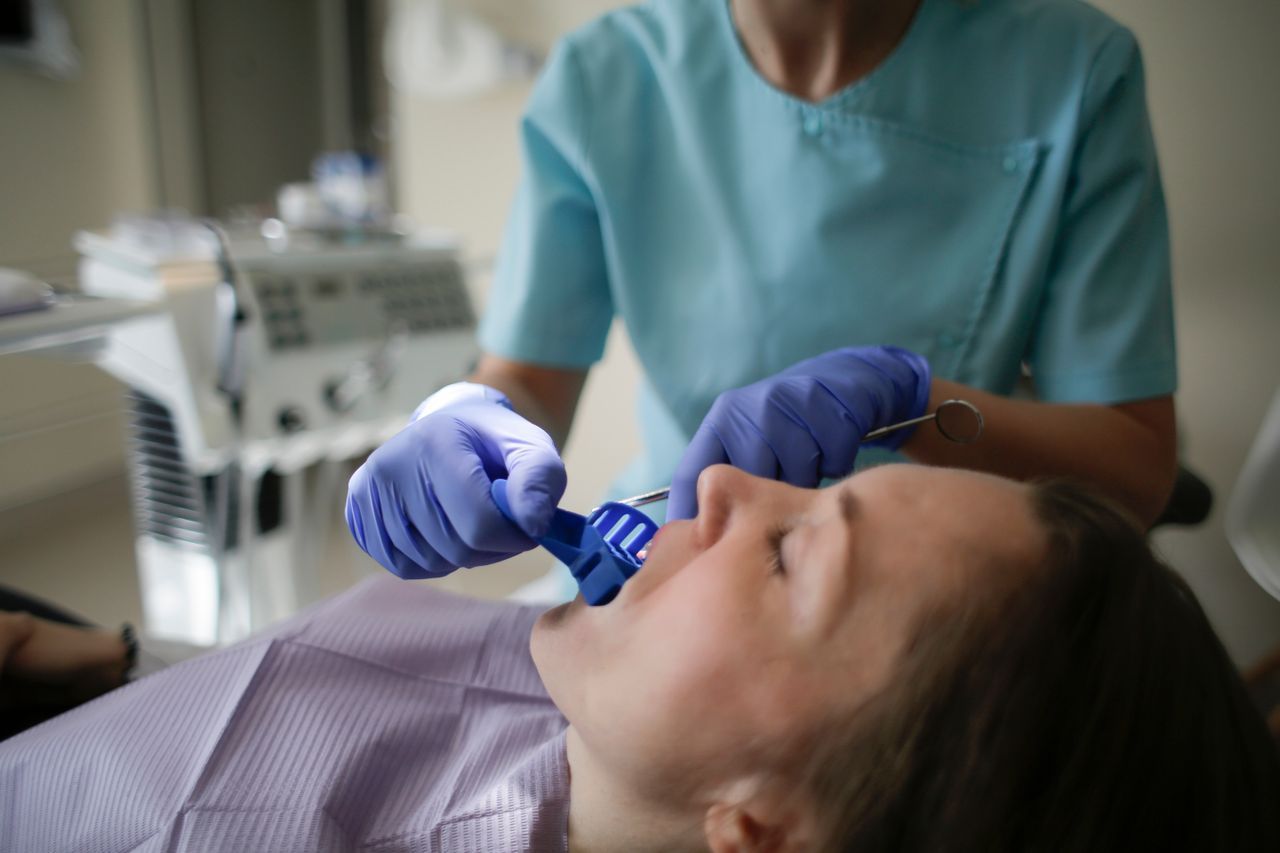
A careful clinical exam is at the heart of good TMJ care. With TMJ headaches, small details can matter a lot. During an exam, Dr. Cameron Kuehne may:
- Review medical and dental history, including headache patterns
- Map exactly where the pain starts, spreads, and fades
- Palpate (press on) jaw, facial, and neck muscles to find trigger areas
- Listen and feel for jaw joint noises during opening and closing
- Measure how wide the jaw opens and how smoothly it moves side to side
- Evaluate how your teeth meet and whether certain teeth hit early
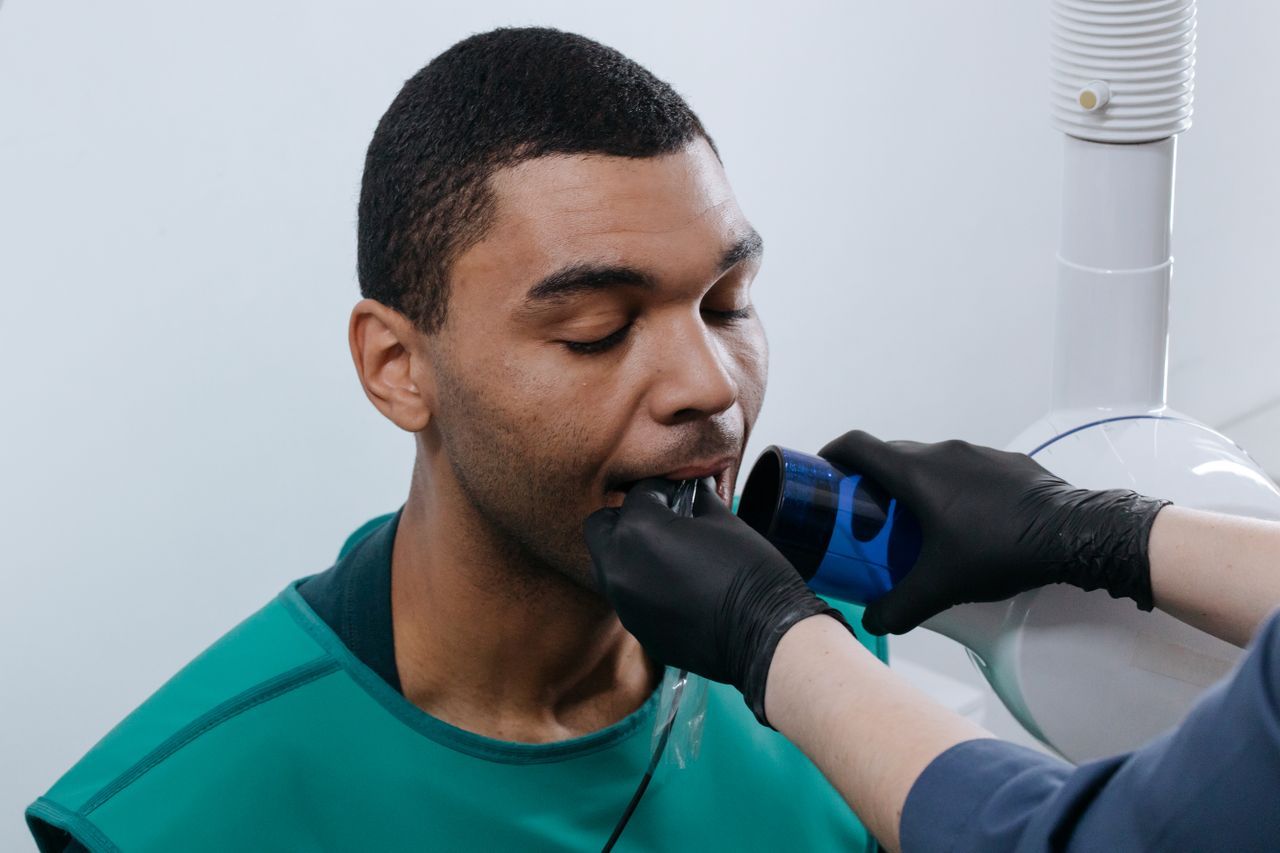
When needed, diagnostic imaging can give important extra clues. Focused X-rays or 3D imaging of the jaw joints can help show joint space changes, signs of wear or flattening of joint surfaces, and asymmetry between the right and left sides.
Dr. Cameron Kuehne may also assess for signs of teeth grinding, jaw overuse, or airway-related strain that puts extra load on the jaw at night. All these pieces help him design a plan that fits the person rather than a one-size-fits-all template.
For people seeking TMJ headache treatment in Nampa and surrounding areas, this careful testing can lead to:
- A clearer diagnosis
- Custom oral appliances designed for their jaw and bite
- Targeted strategies to calm overworked muscles and joints
Instead of only masking headache pain with medication, the goal is to address the source so the head, jaw, and face can finally work together more comfortably.
Next Steps to Get Relief Before Winter
As days get shorter and stressful routines shift, it can be helpful to pay closer attention to how your head and jaw feel. For a few days, many people find it helpful to:
- Note when headaches start and stop
- Mark what they were eating, doing, or feeling right before pain showed up
- Watch for jaw noises, locking, or bite changes
- Notice morning jaw tightness or tooth soreness
Bringing that information to a focused visit with a TMJ provider like Dr. Cameron Kuehne at The Center for Sleep Apnea and TMJ can make the path forward much clearer. With early, conservative, non-surgical care, many people are able to reduce how often headaches strike and how intense they feel, so the colder months feel more manageable and daily life feels a little lighter.
Find Lasting Relief From TMJ Headaches Today
If jaw pain and headaches are interfering with your daily life, we are here to help you find a long-term solution. Our customized approach to
TMJ headache treatment in Nampa focuses on addressing the root cause of your discomfort, not just masking symptoms. At The Center For Sleep Apnea and TMJ, we will carefully evaluate your symptoms and create a treatment plan tailored to your needs. To schedule an appointment or ask questions, please
contact us.