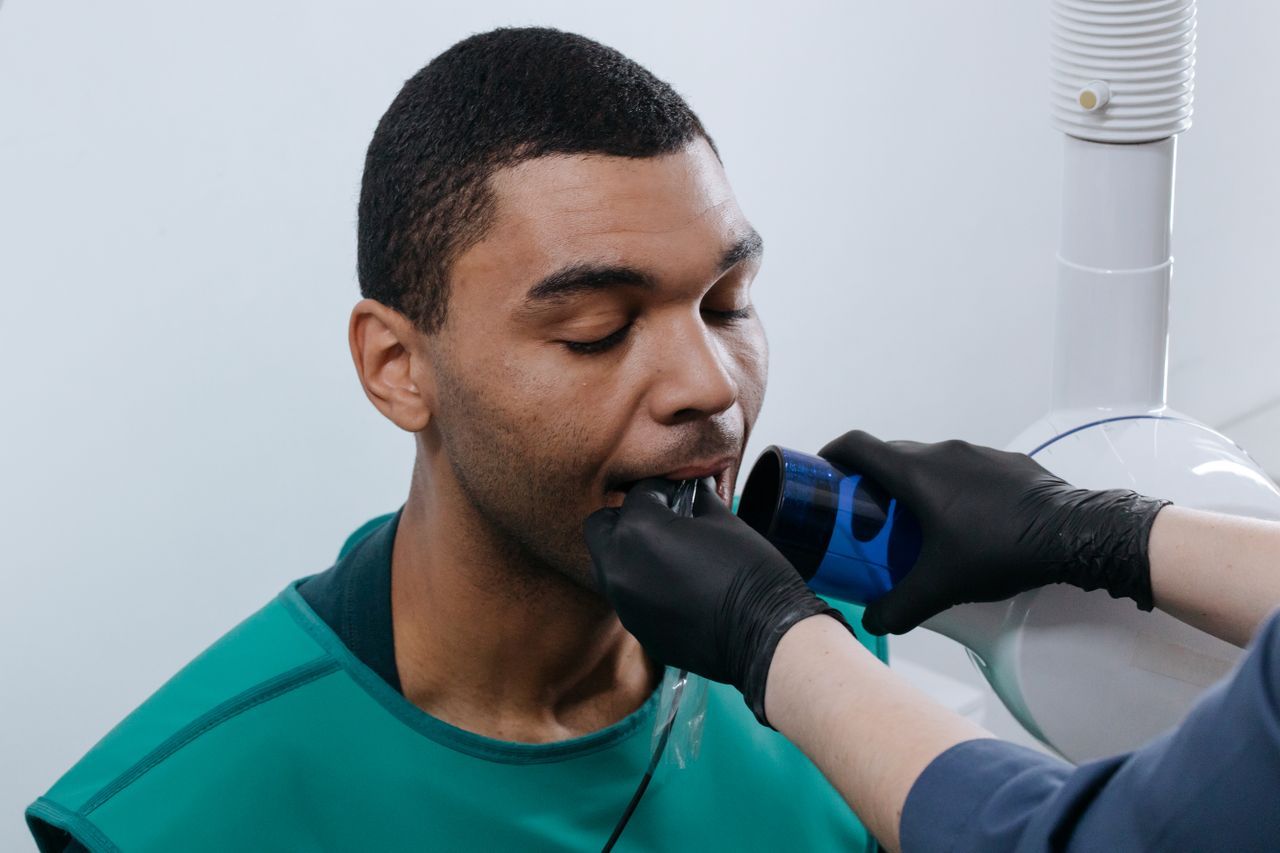
Recognizing Subtle Signs You Need TMJ Treatment in Meridian

Small Signs, Big Impact: Why TMJ Symptoms Matter
Jaw pain is easy to brush off as stress or a long day, but the temporomandibular joint, or TMJ, affects far more than your bite. This small hinge connects your jaw to your skull and helps you talk, chew, yawn, and even smile. When it is strained or out of balance, it can quietly affect your head, neck, and sleep without you realizing the source.
Many people in Meridian push through subtle TMJ symptoms because they seem minor at first. A little popping here, a tight neck there, a headache that shows up most mornings. Over time, these small signs can grow into daily pain, poor sleep, and trouble focusing at work, at school, or at home.
At The Center for Sleep Apnea and TMJ, we see how this slow build of symptoms can wear people down. Dr. Cameron Kuehne focuses on conservative, non-surgical TMJ care aimed at easing pain and restoring jaw function so daily life feels easier and more comfortable again.
Everyday Aches That Point to TMJ Trouble
TMJ issues do not always start with obvious jaw pain. Often, they show up as common aches that are easy to blame on other causes. You might notice:
- Headaches, especially in the morning or around your temples
- Soreness or tightness in your cheeks or along your jawline
- Ear pain, ringing, or a feeling of fullness without an ear infection
- Neck and shoulder tension that keeps coming back
Many people assume these problems are from sinus pressure, stress, poor posture, or too many hours at a desk. While those can play a role, the TMJ and the muscles that support it are closely tied to the head and neck. When the jaw joint is strained, the muscles around it work harder and can pass that tension up and down the body.
This is where a careful exam from someone who focuses on TMJ disorders makes a difference. Dr. Cameron Kuehne looks at how your jaw aligns, how your teeth meet, and how your muscles respond when you open and close your mouth. By checking bite balance and muscle tenderness, he can help determine whether your TMJ is playing a part in those daily aches.
Jaw Noises, Locking, and Changes in Your Bite
Noises in the jaw are another subtle sign that many people ignore. You might notice:
- Clicking or popping when you chew, talk, or yawn
- A grinding or grating feeling in the joint
- Stiffness when you wake up, like your jaw needs time to loosen up
- Limited opening or a brief "lock" when you yawn wide or take a big bite
These changes can feel strange but not always painful at first, so it is tempting to hope they go away. But joint sounds and locking can be early clues that your TMJ is under strain.
Changes in your bite can also point to trouble. You may feel like:
- Your teeth no longer fit together the way they used to
- One side does more of the chewing than the other
- You shift your jaw to one side to feel "even"
These shifts can stress the TMJ and nearby muscles, which may lead to more symptoms over time. Seeing Dr. Cameron Kuehne at The Center for Sleep Apnea and TMJ for an early assessment can help keep these issues from turning into ongoing pain or more serious joint changes.
How TMJ Issues Interfere with Sleep and Daily Life
TMJ problems do not stop when you go to bed. Many people clench or grind their teeth at night without knowing it. This can leave your jaw tired, sore, or tight in the morning. It can also strain your facial muscles and joints while you sleep, which may make it hard to feel rested.
When the jaw and surrounding muscles are tense, sleep can become lighter and more restless. This often leads to:
- Daytime fatigue, even after going to bed at a reasonable time
- Trouble staying focused at work, in class, or while driving
- Irritability or a shorter fuse than usual
TMJ issues are also linked with other craniofacial pain symptoms. You might notice ringing in the ears, pressure around the temples, or pain that spreads from the jaw to the side of the head or the back of the neck. These symptoms can be distracting and frustrating and can chip away at your mood and productivity.
At The Center for Sleep Apnea and TMJ, Dr. Cameron Kuehne looks at the full picture, not just the jaw in isolation. His goal is to improve how the jaw moves, reduce tension in the supporting muscles, and help you sleep more comfortably so it is easier to get through your day with less pain and more energy.
What to Expect From TMJ Treatment in Meridian
If you seek TMJ treatment in Meridian, it helps to know what the process looks like. A visit with Dr. Cameron Kuehne usually starts with a detailed conversation about your symptoms and health history. He will ask about:
- Where you feel pain and when it started
- Headaches, ear symptoms, or jaw noises you have noticed
- Sleep patterns and whether you clench or grind your teeth
Next, he will carefully examine how your jaw moves, how wide you can open, and whether there is any locking or deviation to one side. He will check how your teeth come together and feel for tender spots in your jaw, neck, and facial muscles.
Treatment often focuses on non-surgical, conservative options that aim to reduce strain on the TMJ and help the jaw move in a more comfortable way. These may include:
- Custom oral appliances designed to support the jaw and protect the joints
- Bite adjustments to help balance how your teeth meet
- Targeted strategies to ease muscle tension and improve jaw function
The goal is to match care to your body and your daily routine. Early TMJ treatment in Meridian can often be comfortable and gentle, helping you move into the cooler months with less pain, easier chewing, and better rest at night.
Take the Next Step Toward a Pain-Free Jaw
Subtle signs like recurring jaw soreness, regular morning headaches, clicking in your jaw, or changes in your bite are not things you just have to live with. They are messages from your body that something in your jaw system may be out of balance. Ignoring them can allow small problems to grow into daily pain that affects sleep, focus, and overall comfort.
At The Center for Sleep Apnea and TMJ in Meridian, Dr. Cameron Kuehne focuses on finding the source of these symptoms and offering conservative, thoughtful care. Paying attention to the early hints from your TMJ can open the door to better sleep, more comfortable meals, and more energy to enjoy your routines and activities all year long.
Relieve Jaw Pain And Restore Comfortable Sleep
If jaw pain, headaches, or clicking joints are disrupting your day or night, we are here to help you find lasting relief. Our experienced team at The Center For Sleep Apnea and TMJ provides personalized care for patients seeking effective
TMJ treatment in Meridian. Schedule an appointment today so we can evaluate your symptoms and create a treatment plan tailored to your needs. If you have questions or want to speak with our team, please
contact us.