Meridian Oral Appliance Therapy: Timeline, Follow-Up Testing, Success Metrics
Start Sleeping Better Before the Holidays
Starting treatment for sleep apnea in the fall gives your body time to adjust before winter routines and holiday plans make life busier. When your sleep improves, it is often easier to enjoy time with family, travel, or work events because you are not fighting constant fatigue.
At The Center for Sleep Apnea and TMJ, we focus on non-CPAP options, especially custom oral appliances. Under the guidance of Dr. Cameron Kuehne, many patients find a comfortable way to manage obstructive sleep apnea and loud snoring without masks, tubes, or machines. This approach can fit more easily into everyday life, including busy evenings, early mornings, and trips out of town.
In this article, we will walk through what an oral appliance for sleep apnea actually is, how the treatment timeline usually works, what follow-up sleep testing involves, and how Dr. Cameron Kuehne measures long-term success so you are not left guessing about your progress.
What Oral Appliance Therapy Really Involves
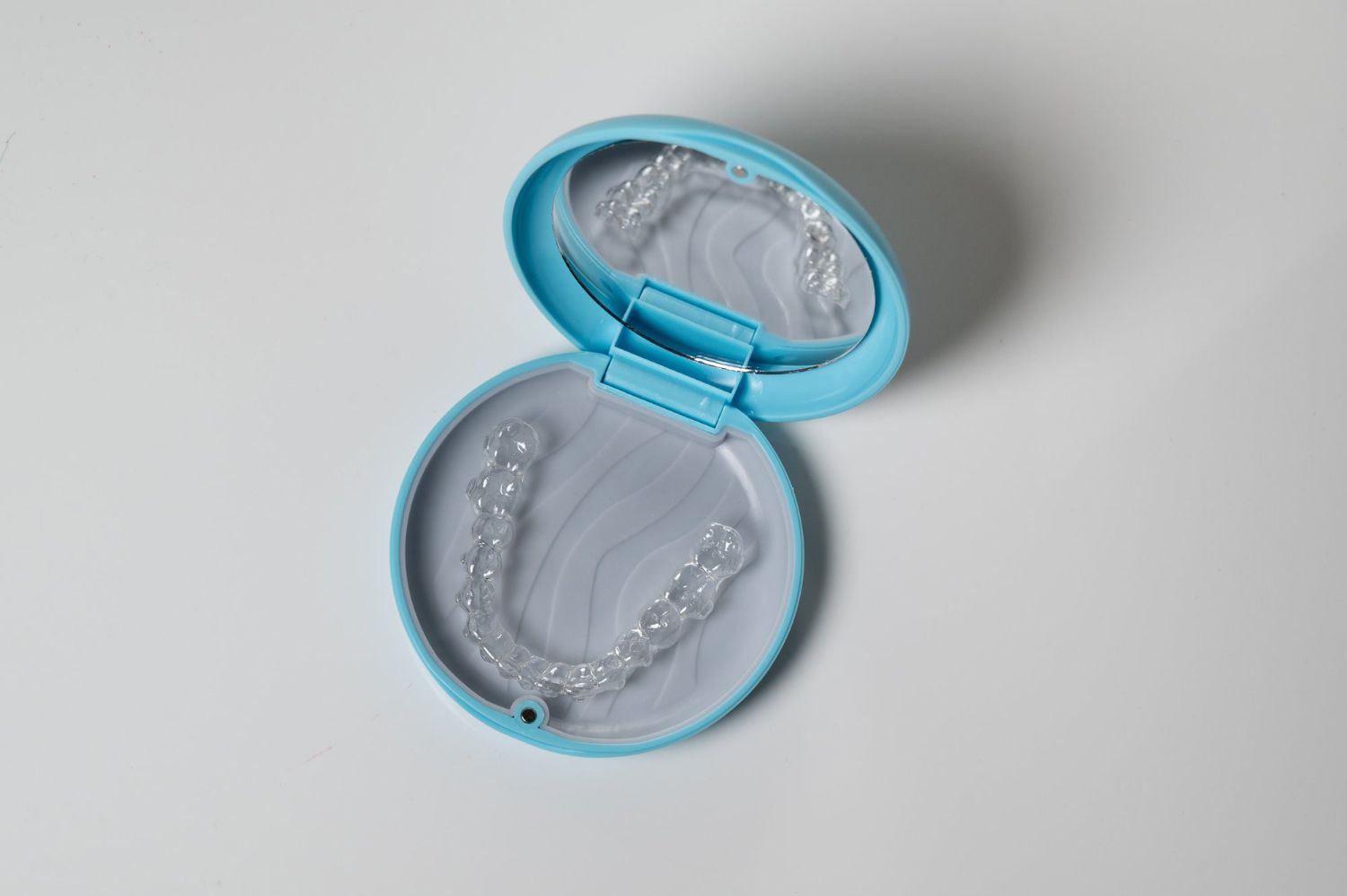
An oral appliance is a small, custom-made device that fits over your teeth while you sleep. It gently positions your lower jaw and tongue in a way that helps keep the airway more open. This can reduce airway collapses or narrow spots in the throat that cause snoring and breathing pauses.
It is different from a standard nightguard or retainer. Nightguards often focus on protecting teeth from grinding, and retainers keep teeth from shifting. An oral appliance for sleep apnea is designed with the airway in mind. The goal is to support better breathing all night, not just protect teeth.
This type of treatment is often a good fit for:
- Adults with diagnosed obstructive sleep apnea
- People with disruptive snoring that bothers a bed partner
- Those who struggle with CPAP or are not interested in trying it
- Frequent travelers who want a small, quiet option that fits in a pocket or bag
Because every jaw and bite is unique, skill and experience make a big difference. Dr. Cameron Kuehne focuses on dental sleep medicine and craniofacial pain, which means he pays attention to how the teeth, jaw joints, muscles, and airway all work together. He uses this knowledge to:
- Choose an appliance style that fits your mouth and goals
- Adjust the position so breathing improves while protecting the jaw joints
- Watch for any bite or muscle changes over time
This careful, whole-face approach from Dr. Cameron Kuehne helps the appliance feel more natural and supports both sleep and jaw comfort.
Your Oral Appliance Treatment Timeline
Many people want to know how long this takes in real life. While every case is different, the process usually follows several clear steps.
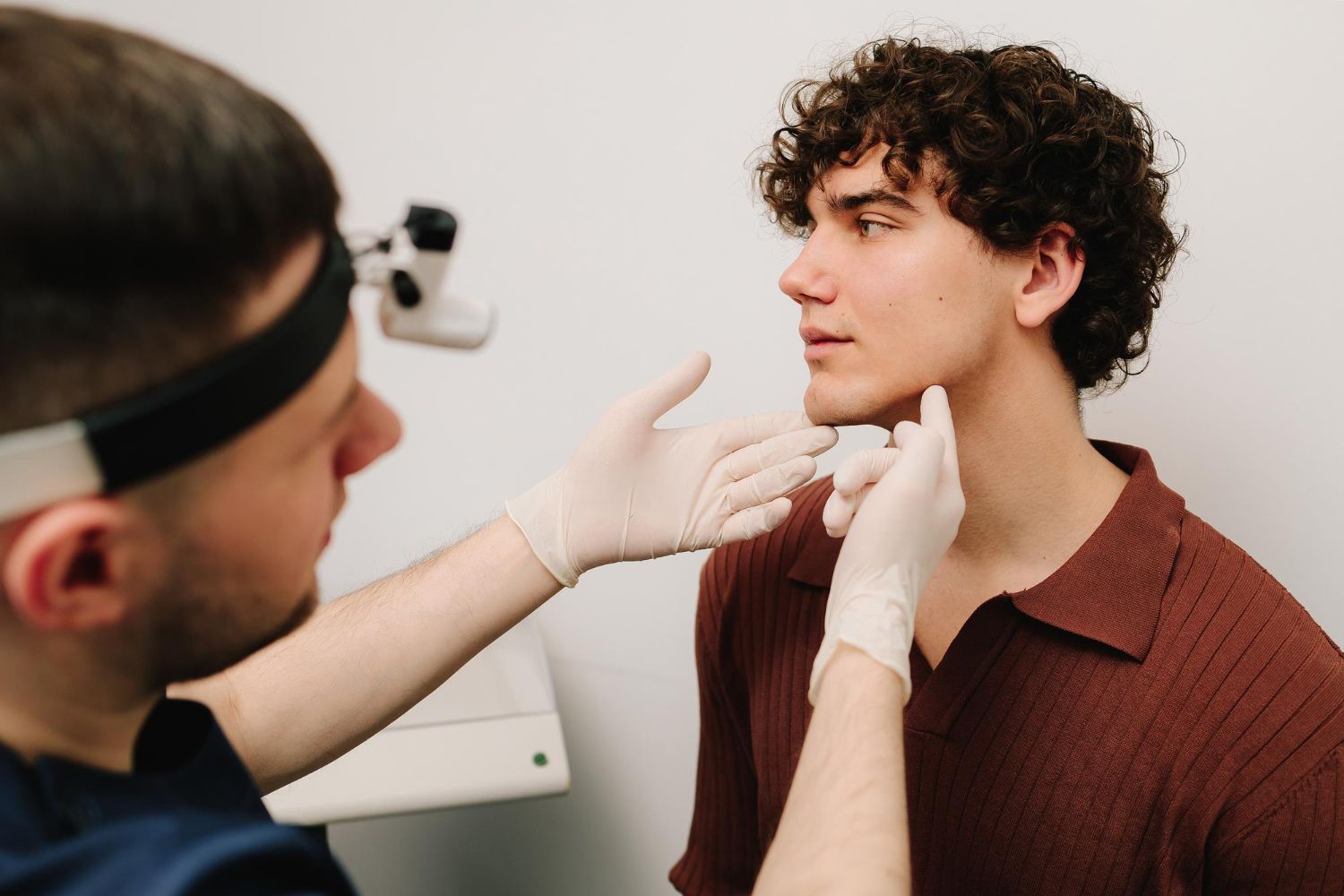
First is the consultation with Dr. Cameron Kuehne. During this visit, he will:
- Review your health and sleep history
- Ask about snoring, gasping, waking up at night, or morning struggles
- Examine your jaw joints, bite, teeth, and airway
- Look at any previous sleep test reports you may have
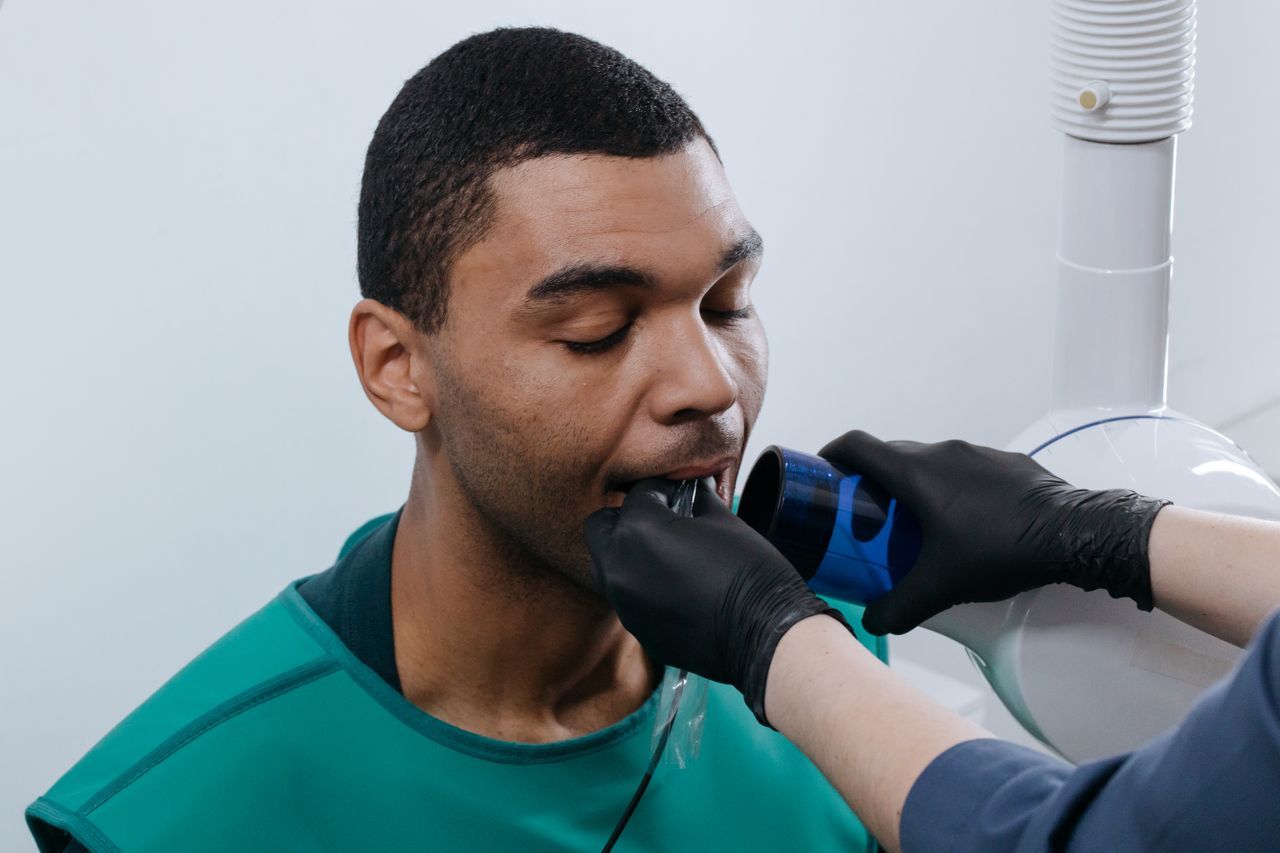
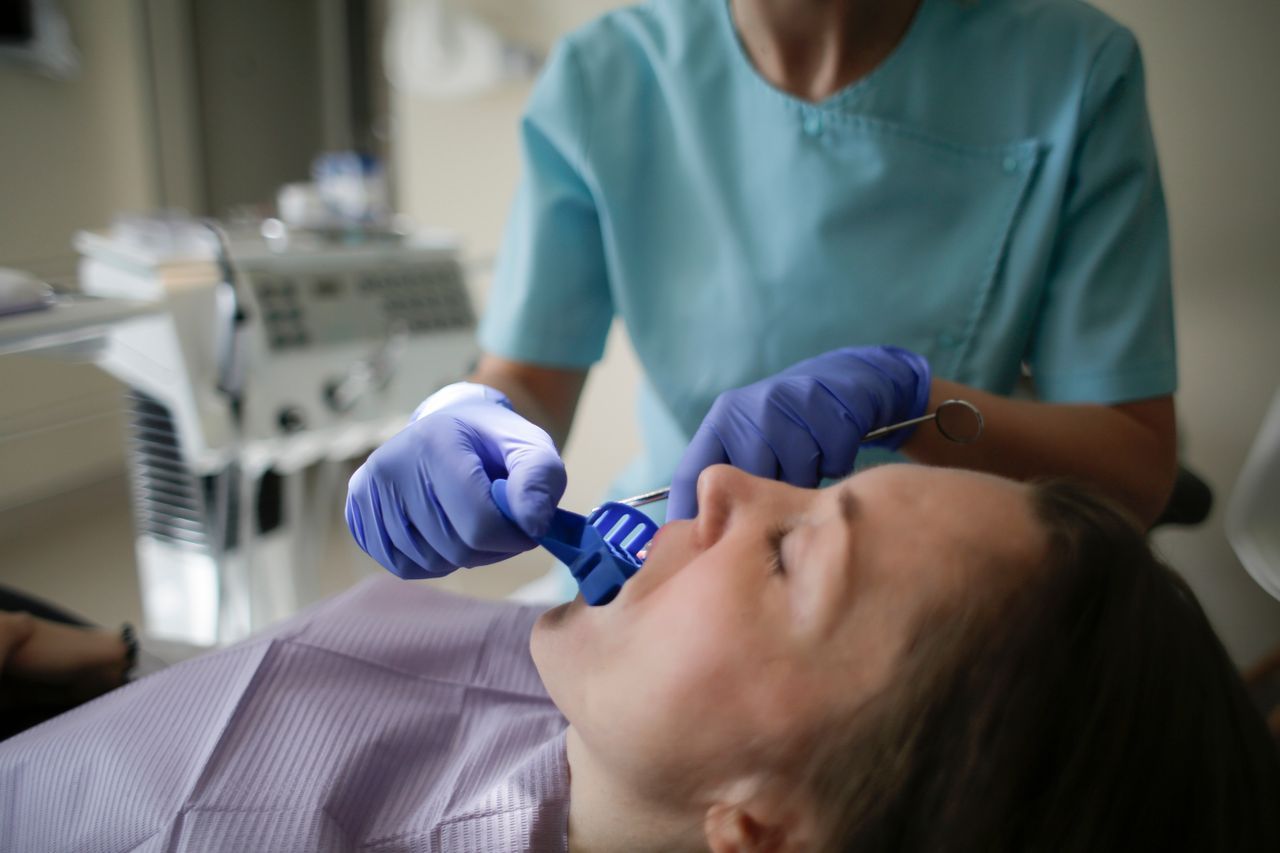
If an oral appliance for sleep apnea sounds like a good match, the next step is making a model of your mouth. This is usually done with digital scans or impressions so the appliance can be made just for you.
From that point, there is a waiting period while the lab fabricates your device. When it arrives, you will have a fitting appointment with Dr. Cameron Kuehne. During this visit, he will:
- Check that the appliance fits snugly but comfortably
- Teach you how to put it in and take it out
- Review how to clean and store it
- Set an initial jaw position that balances airway space and jaw comfort
For most people, there is a short adjustment period as they get used to sleeping with the device. Mild soreness or extra drooling in the first days is common and usually fades.
Starting in the fall has some advantages. Beginning treatment in October, for example, often gives enough time to:
- Get through the consultation and fitting with Dr. Cameron Kuehne
- Make small adjustments to comfort and jaw position
- Notice more settled sleep and steadier energy before winter routines and holiday travel
This timing can make a real difference when your schedule gets packed and you need as much quality rest as possible.
Follow-up Sleep Testing and Adjustments
Once you are sleeping with your oral appliance, the next key question becomes: Is it working well enough? That is where follow-up sleep testing comes in. Testing while you wear the device helps show:
- How often breathing events are still happening
- Whether your oxygen levels are staying higher at night
- If snoring and airflow look smoother and more steady
Dr. Cameron Kuehne compares these results with how you actually feel. He will ask about:
- Daytime sleepiness or the need for naps
- Morning headaches, dry mouth, or sore throat
- Bed partner reports about snoring, gasping, or quiet breathing
If the numbers or your symptoms show room for improvement, Dr. Cameron Kuehne can adjust the position of your appliance in small, careful steps. Shifting the lower jaw slightly forward or changing how the device fits can often improve the airway.
Follow-up visits with The Center for Sleep Apnea and TMJ usually follow a pattern, such as:
- An early check after you start sleeping with the appliance
- A visit after follow-up testing to review results and make changes with Dr. Cameron Kuehne
- Periodic reassessments over time, especially if your jaw joints, bite, weight, or health change
These ongoing check-ins with Dr. Cameron Kuehne help keep your therapy on track instead of letting problems build up quietly.
How Dr. Cameron Kuehne Measures Treatment Success
Measuring success with an oral appliance for sleep apnea is about more than just snoring less. Dr. Cameron Kuehne looks at both objective numbers and your day-to-day experience.
On the objective side, important markers include:
- Fewer apnea and hypopnea events while wearing the appliance
- Better oxygen saturation across the night
- More steady breathing patterns and fewer big spikes in effort
On the subjective side, your own report matters a lot. Signs of progress often include:
- Quieter nights and fewer complaints about snoring
- Waking up feeling more rested instead of foggy or irritable
- Better focus, memory, and mood during the day
- Fewer issues with morning jaw or facial pain
- Less need to rely on extra caffeine just to get through normal tasks
Because life rarely stays the same forever, ongoing communication with Dr. Cameron Kuehne and The Center for Sleep Apnea and TMJ is important. He encourages patients to speak up if:
- Snoring or gasping starts to return
- Weight, medications, or other health conditions change
- Jaw discomfort, bite changes, or tooth shifting appear
When these things happen, it might be time to reassess the appliance, adjust the jaw position, or discuss other options with Dr. Cameron Kuehne. That way, your treatment stays active and responsive rather than set on autopilot.
Take the Next Step Toward Restful Fall Nights
If you are tired of waking up drained, hearing complaints about snoring, or worrying about untreated sleep apnea, a custom oral appliance may be worth exploring. Starting in the fall gives you space to move through the consultation, fitting, and early follow-up while you still have some breathing room in your schedule.
At The Center for Sleep Apnea and TMJ, Dr. Cameron Kuehne focuses on giving patients a clear plan: a structured treatment timeline, follow-up testing to check progress, and practical ways to measure success in both numbers and how you feel each day. With this approach, you are not left guessing whether your oral appliance for sleep apnea is working; you and Dr. Cameron Kuehne can see and feel the results together.
Sleep Better and Protect Your Health Starting Now
If you are tired of restless nights and daytime fatigue, we can help you find a comfortable, effective solution that fits your lifestyle. At CSAT Meridian - The Center For Sleep Apnea and TMJ, we will evaluate your needs and determine whether an
oral appliance for sleep apnea in Meridian is right for you. Our team will walk you through every step, from diagnosis to long-term follow-up, so you feel confident in your care. Ready to take the next step toward better sleep and health?
Contact us to schedule your visit today.