TMJ Treatment in Meridian: What to Expect in the First 30 Days

Your First Month of TMJ Relief Starts Here
Jaw pain, popping, headaches, or a bite that just feels off can take over your whole day. The first 30 days of TMJ treatment are when your jaw joints and muscles get their first real break, so this early stage matters for comfort, bite stability, and long-term joint health.
TMJ stands for temporomandibular joint, the joints that let your jaw open, close, and move side to side. When these joints or the muscles around them are irritated, you may feel pain, tightness, clicking, or trouble chewing. The good news is that with TMJ-focused care and the right oral appliance plan, many people start to notice meaningful changes in that first month.
At The Center for Sleep Apnea and TMJ in Meridian, our entire focus is on sleep apnea, snoring, and TMJ disorders. TMJ is not an afterthought here. Dr. Cameron Kuehne has extensive experience with TMJ treatment in Meridian, and his step-by-step approach helps you feel guided instead of guessing. As fall routines settle in and stress often climbs, clenching and grinding can flare, which makes this a smart time to finally address your jaw symptoms before winter adds more pressure.
What Happens at Your First TMJ Visit in Meridian
Your first visit with Dr. Cameron Kuehne is all about listening and learning what your jaw has been dealing with. We start with a detailed medical and dental history so we can see the full picture, not just your teeth.
You and Dr. Cameron Kuehne will talk through your jaw symptoms and how they show up in daily life and sleep. This includes jaw pain, tightness, or fatigue; headaches (especially around the temples or behind the eyes); ear fullness, ringing, or pressure; clicking, popping, or grinding sounds in the jaw; how your jaw feels when you talk, chew, or yawn; and how your symptoms affect your sleep and daily routines.
Then we move into an in-depth TMJ and bite evaluation. At The Center for Sleep Apnea and TMJ, this often includes:
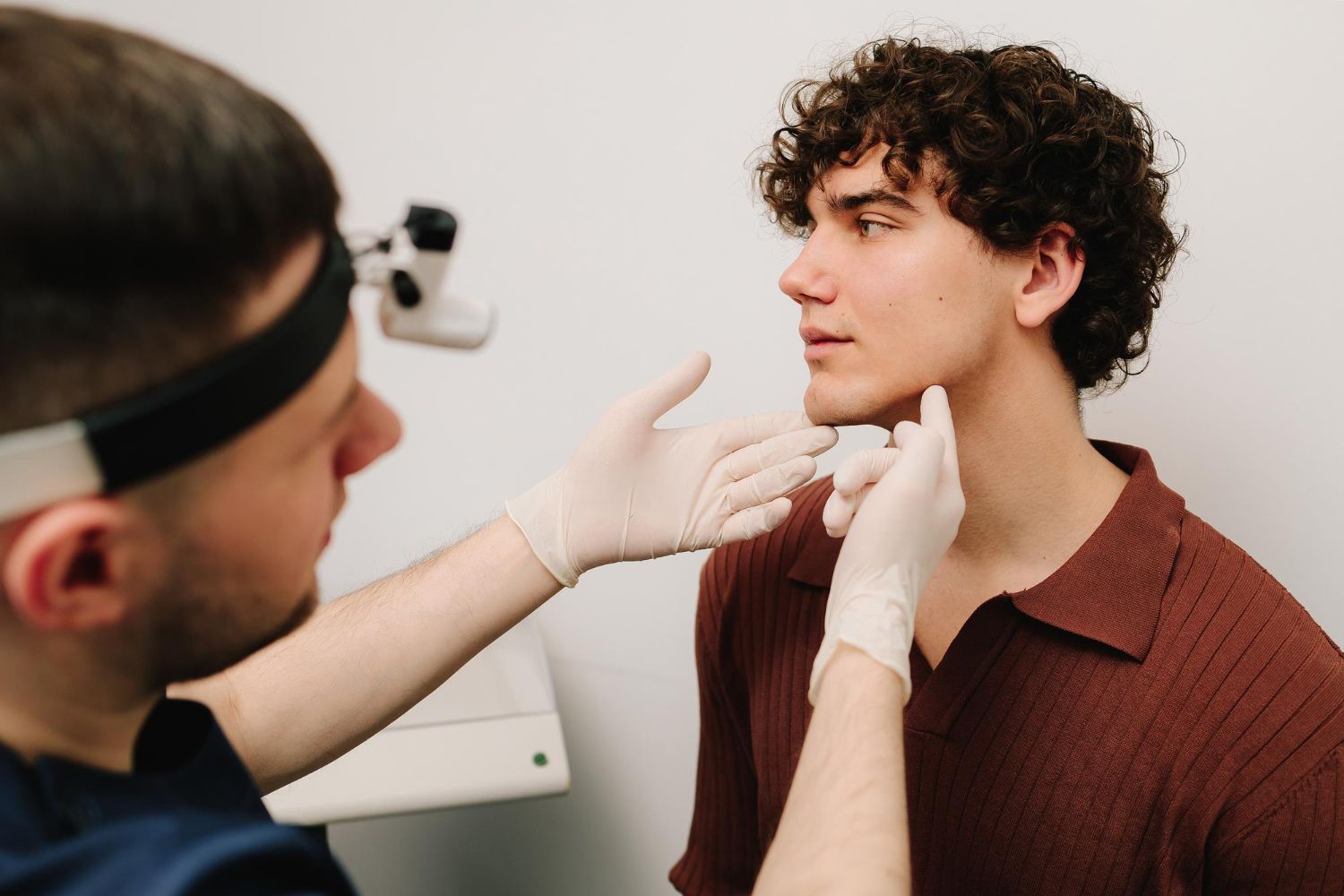
- A jaw joint exam, feeling how the joints move and listening for sounds
- Muscle palpation, gently pressing on key muscles in your face, jaw, neck, and shoulders
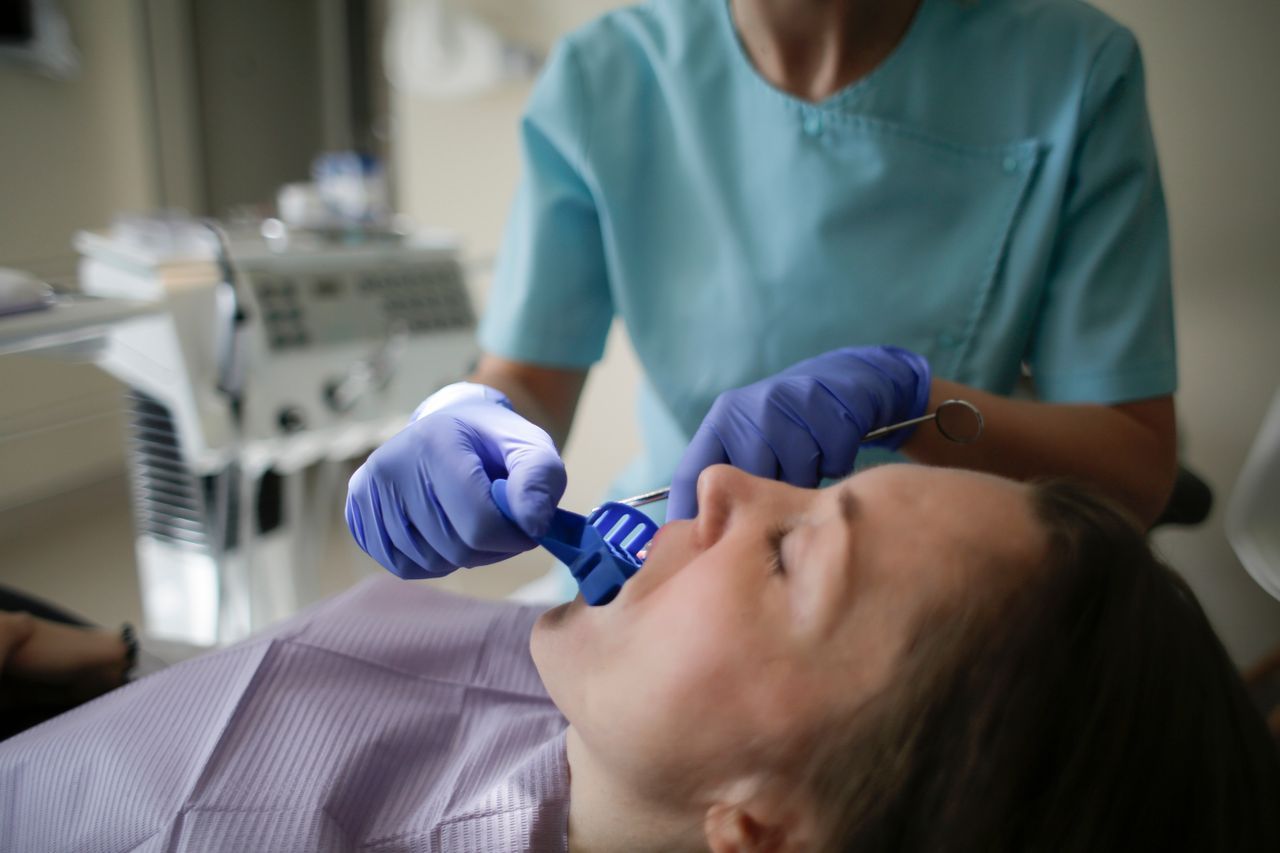
- A bite analysis, seeing how your teeth fit together and where stress points may be
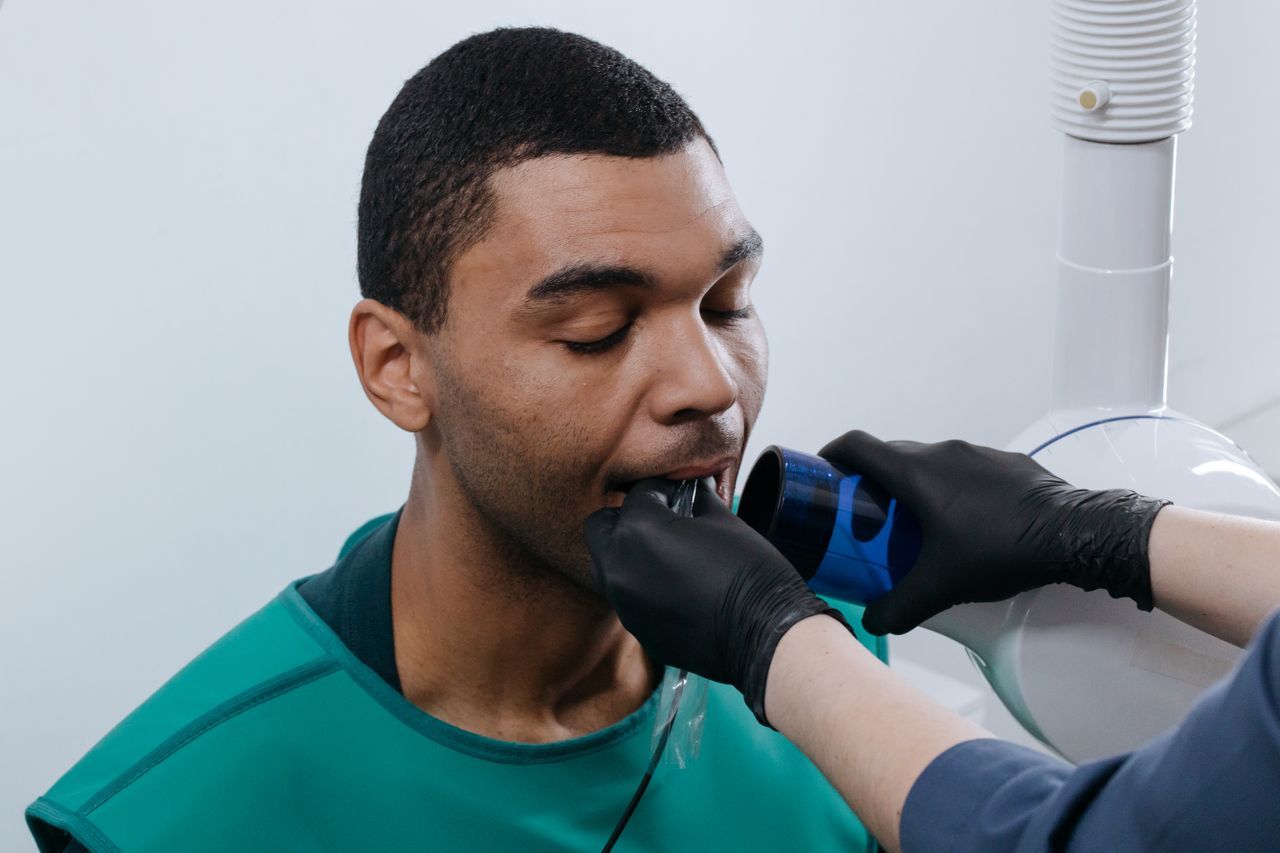
- A review of any previous imaging, if you already have X-rays or scans
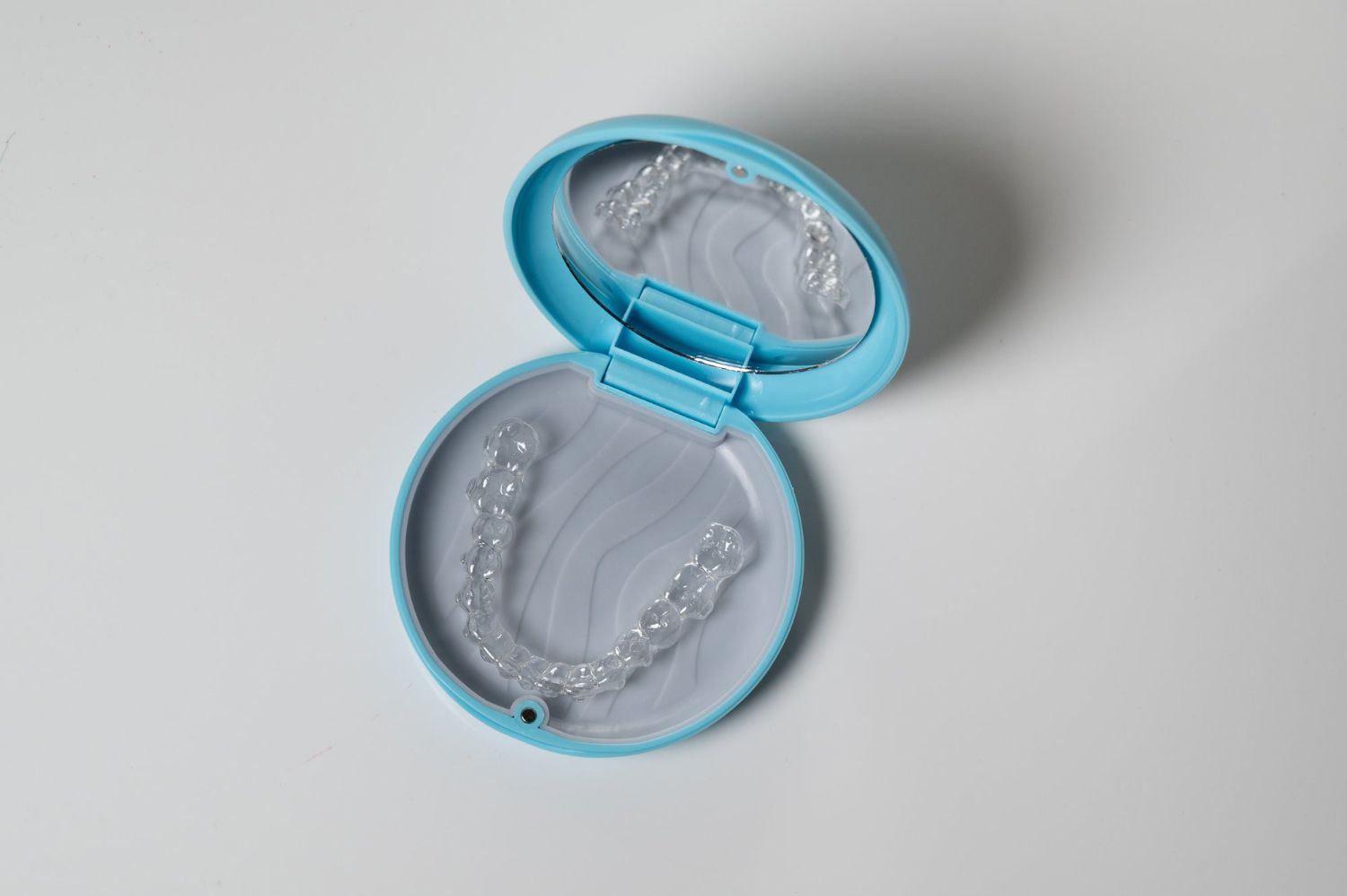
From there, Dr. Cameron Kuehne designs a personalized plan. This may include an oral appliance to reposition or support the jaw, along with a clear bite stabilization strategy. He will explain realistic goals for the first 30 days, such as:
- Less intense or less frequent pain
- Fewer or shorter headaches
- Smoother jaw opening and closing
- Less stiffness when you wake up
Questions are always welcome. We want you to leave that first visit knowing exactly what to do at home, what to watch for, and when we will check your progress.
Days 1, 10: Early Changes in Pain, Bite, and Jaw Movement
The first 10 days are when your jaw starts to adjust to the new support from your TMJ appliance or other tools in your plan. For many people, changes are subtle at first, but they are important.
In this early stretch, you might notice slightly less morning stiffness and a little more ease when opening your mouth. Some patients notice small shifts in how the teeth meet when the appliance first comes out, and pain can start to feel less sharp and more like a dull, tired feeling in the muscles.
Some “good soreness” is normal as muscles release tight patterns and the joints decompress. This often feels like mild muscle tiredness (like you worked a new muscle at the gym), light stretching along the cheeks or under the jaw, or temporary awareness of different contact points when you bite.
Red flags that should prompt a call to The Center for Sleep Apnea and TMJ include:
- Sudden sharp or stabbing new pain
- Jaw locking open or closed
- Major bite changes that feel severe or get worse quickly
- Swelling in front of the ear or along the jaw that concerns you
During this time, Dr. Cameron Kuehne may need to fine-tune your appliance fit. Wear-time is key. For some, the device is for nighttime only, for others it may include some evening or extended use. Following the exact instructions you receive helps protect your joints and gives us clean feedback about what is working.
Emotionally, many people feel very aware of their bite and jaw in this stage. That is normal. Noticing every small shift does not mean something is wrong. It just means your brain is paying attention to an area that has been strained for a long time.
Days 11, 20: Tracking Symptom Patterns and Daily Habits
By the middle of the first month, we start to look for patterns rather than single days. The cooler fall air, changes in routines, and extra stress can increase clenching, so this is when smart habits really matter.
During days 11 to 20, many people find that headaches happen less often or fade faster, and jaw clicking or popping softens or becomes less frequent. Chewing may feel a bit easier or less tiring, and you may notice fewer “twinges” when you yawn or talk a lot.
Dr. Cameron Kuehne also focuses on habit coaching, because how you use your jaw all day can undo or support your treatment. You may be asked to:
- Notice daytime clenching and gently relax your jaw when you catch it
- Avoid hard, crunchy, or chewy foods that strain the joints
- Adjust posture at desks so your head is not jutting forward
- Pause jaw overuse with things like gum chewing or long practice sessions with instruments
A simple nightly log can be very helpful. You might jot down:
- Pain level from 0 to 10
- How tight your jaw feels
- How your bite feels, from “very off” to “fairly normal”
- Any triggers, like stress, long meetings, or certain foods
It is common to have better days and flare days during this window. What we look for is the overall trend. Are there fewer bad days? Are the flares shorter or less intense? That big-picture pattern helps Dr. Cameron Kuehne refine your TMJ treatment in Meridian.
Days 21, 30: Follow-up Checkpoints and Bite Refinements
Around the three- to four-week point, you come back for a follow-up with Dr. Cameron Kuehne. This visit is a key checkpoint in your first month.
During this appointment, we usually:
- Review your symptom notes or your memory of good and bad days
- Reassess jaw range of motion, how wide and how smoothly you can open
- Palpate the muscles again to check for changes in tenderness
- Check the bite both on the appliance and on your natural teeth
At this stage, it is also common to make small refinements based on what your joints and muscles are telling us. These adjustments may include:
- Small adjustments to the appliance for more comfort or better support
- Gentle bite balancing changes if certain teeth are overworking
- Updated wear-time instructions based on how your joints and muscles are responding
Dr. Cameron Kuehne looks at progress in many ways. He may see less muscle tenderness when he presses on key areas, quieter or smoother joint sounds, less morning pain and fewer headaches, and more stable chewing without sharp zings of pain.
From there, he decides whether to keep the current pace, advance things a little, or slow down to keep you comfortable. This follow-up is not one to skip. It helps catch small issues early so they do not grow, and it sets your plan for the next 60 to 90 days of care.
How Your Bite and Daily Life May Feel by Day 30
By the end of the first month, most patients at The Center for Sleep Apnea and TMJ notice that life feels a bit less controlled by their jaw. Pain may still happen, but it often:
- Is less intense
- Shows up less often
- Clears faster when it does show up
By this point, you may also feel smoother, quieter jaw opening and a more predictable bite when your teeth come together. Many people notice less tension in the face by the end of the day, along with more comfortable chewing on a normal, soft to moderate diet.
It is important to remember that TMJ joints and muscles heal over time. Thirty days is the start of stabilizing, not the finish line. Continued partnership with Dr. Cameron Kuehne helps protect your progress, especially as schedules change with colder weather and holiday events.
Common questions at this stage include things like:
- Will my bite ever feel completely “normal” again?
- When can I safely add back crunchy foods?
- Is it a big deal if I forget my appliance once in a while?
The answers depend on your specific case, but in general, consistency is your friend. The more you follow your plan, the better chance your joints and muscles have to adapt and stay calm. As TMJ comfort improves, evenings can feel more relaxed, family meals can be more enjoyable, and fall activities around Meridian can happen with less worry about flare-ups every time you chew or talk a little extra.
Relieve Jaw Pain And Restore Comfortable Sleep
If jaw pain, headaches, or clicking joints are interrupting your daily life or sleep, we are here to help you find lasting relief. Our experienced team at CSAT Meridian - The Center For Sleep Apnea and TMJ offers personalized
TMJ treatment in Meridian tailored to your specific symptoms and goals. We will take time to understand your concerns, explain your options clearly, and guide you through every step of care. To schedule an appointment or ask questions, please
contact us today.