Choosing a TMJ Specialist in Meridian When Headaches Won’t Quit

When Headaches Signal a Jaw Problem You Can’t Ignore
Persistent headaches can drain your energy and your patience. When they keep coming back, even with pain relievers, it is hard to focus on work, school, or family time. Many people start to feel stuck, wondering if this is just their new normal.
But some headaches are not just “in your head.” They can be a sign that something is not right with your jaw joints or the muscles around them. When that happens, regular headache care may not be enough. At The Center for Sleep Apnea and TMJ in Meridian, we focus on how jaw problems and craniofacial pain can affect your daily life, and how targeted TMJ treatment in Meridian can calm those stubborn headaches.
How TMJ Issues Trigger Persistent Headaches
Your temporomandibular joints, or TMJ, are the small hinges that connect your lower jaw to your skull. You use them every time you talk, chew, yawn, or swallow. When these joints or the muscles around them are irritated, they can send pain to other areas of your head and neck.
TMJ problems can lead to headaches when:
- The jaw joints are not moving smoothly
- The bite is off and the jaw has to work harder
- The muscles that control the jaw stay tight and tired
- The joint itself is inflamed or strained
That strain can show up as:
- Aching at the temples or forehead
- Pain behind the eyes
- Pressure or fullness near the ears
- Headaches that feel worse after chewing or talking a lot
Other common TMJ-related symptoms include:
- Pain or soreness when chewing or biting
- Clicking, popping, or grinding sounds in the jaw
- Difficulty opening wide or moving the jaw side to side
- Morning headaches or facial tightness from clenching or grinding at night
- A feeling of ear pressure without an ear infection
Because headaches can have many causes, it is important to be checked by someone who knows how jaw, bite, and muscle problems can play a part. At The Center for Sleep Apnea and TMJ, Dr. Cameron Kuehne focuses on TMJ disorders and craniofacial pain. He evaluates how your jaw is working, how your teeth fit together, and how your muscles are behaving so we can tell if your headaches might be linked to TMJ issues instead of only stress or typical migraines.
Signs You Need a Meridian TMJ Specialist Now
Some headaches come and go. Others start to control your days. If you are dealing with tightness, pressure, or pain around your head and neck on a regular basis, your body might be asking for more specific help.
It might be time to see a TMJ-focused clinician if:
- You have daily or near-daily headaches
- Your jaw locks open or closed, or feels like it might
- Pain spreads from your jaw into your neck, shoulders, or face
- Your jaw feels tired or sore by the end of the day
- You hear frequent clicking or popping when you eat or yawn
- Colder weather or stress seems to make your jaw and head tension worse
As schedules fill up and stress levels rise, many people start clenching their teeth more, both during the day and while they sleep. Cooler temperatures can lead to more shoulder hunching and muscle tension too. All of this can strain the TMJ and the surrounding muscles, which may turn into stronger or more frequent headaches.
Seeing someone who focuses on jaw and craniofacial pain can help you get ahead of the problem. Dr. Cameron Kuehne at The Center for Sleep Apnea and TMJ spends his time working with patients whose main complaints are headaches, facial pain, TMJ discomfort, or a mix of all three. Early TMJ treatment in Meridian can help keep these symptoms from becoming more severe or long-lasting.
What to Expect From TMJ Treatment in Meridian
Many people feel nervous about TMJ care because they worry it will mean surgery or something extreme. Our approach at The Center for Sleep Apnea and TMJ is different. We focus on careful evaluation and conservative, non-surgical options whenever possible.
During a typical TMJ visit with Dr. Cameron Kuehne, we may:
- Talk through your health history, headache patterns, and daily habits
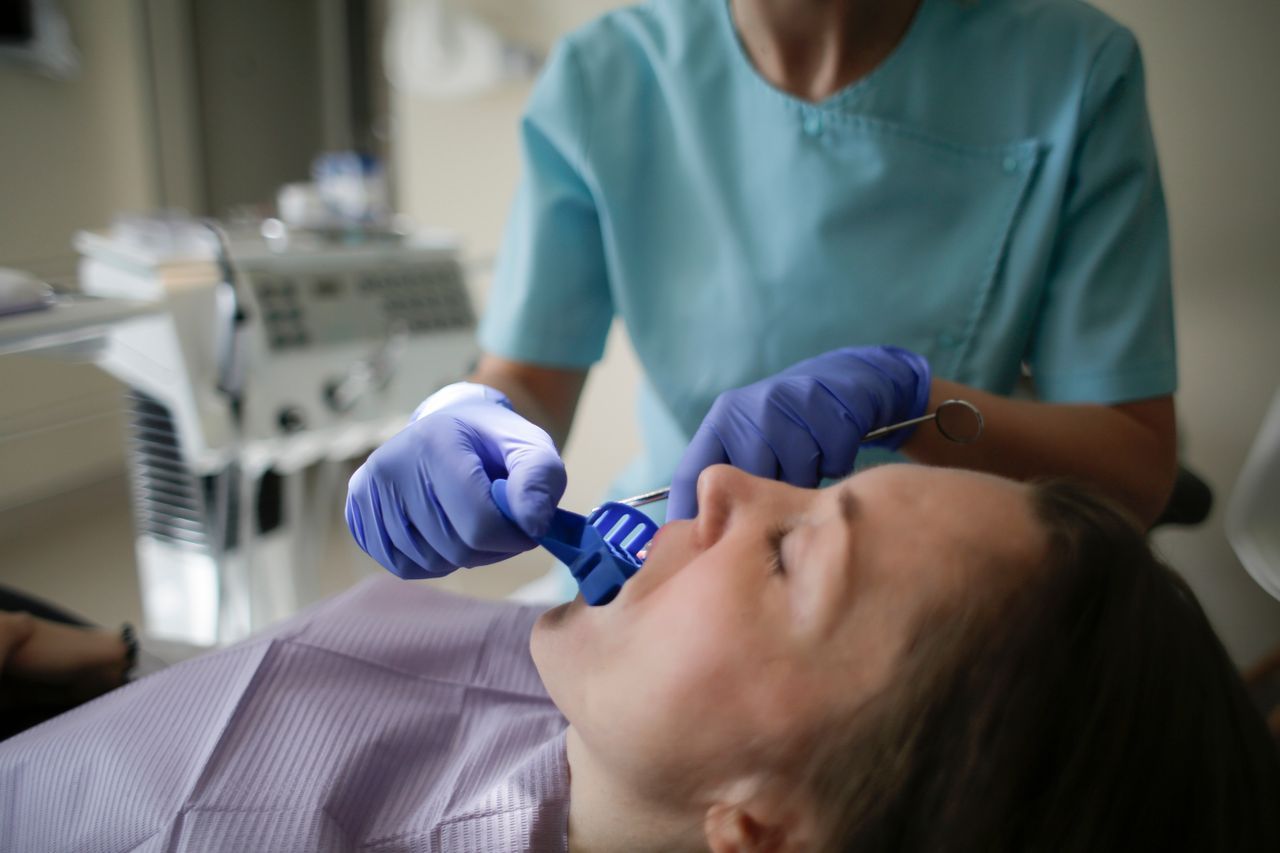
- Review your bite and how your teeth come together
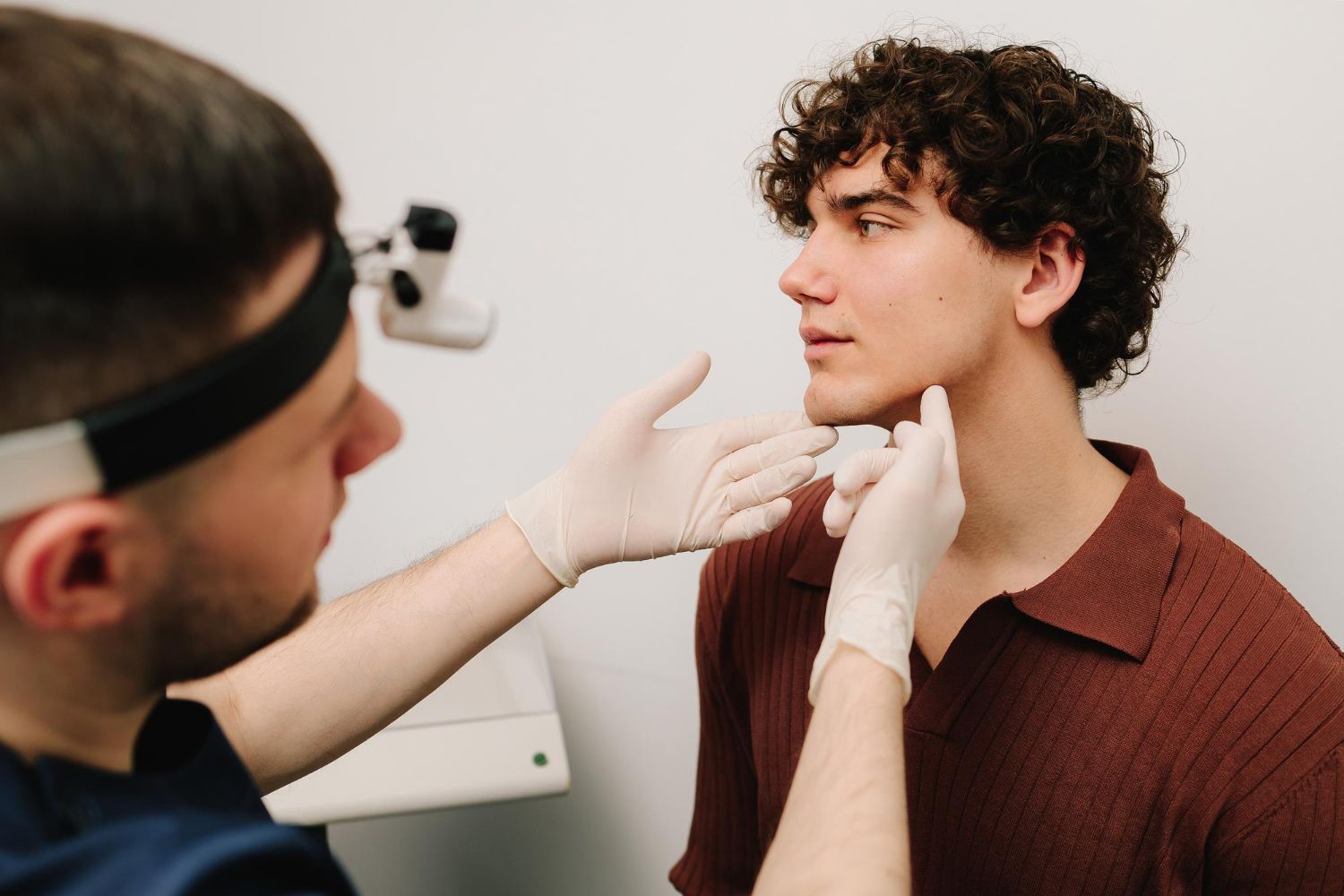
- Gently check your jaw movement, muscle tenderness, and joint sounds
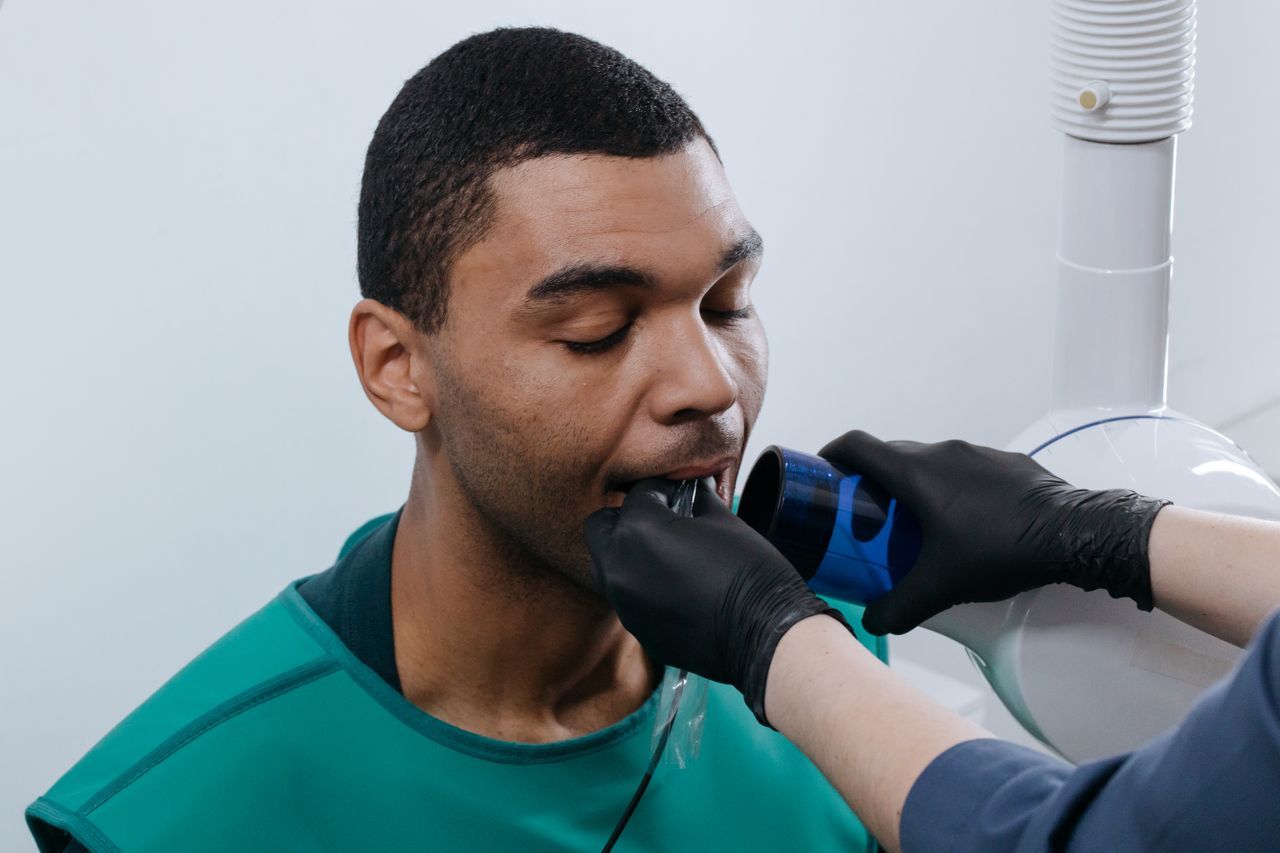
- Use imaging, if needed, to see the jaw joints and supporting structures
Once we understand what is going on, we can discuss treatment choices that fit your situation. These often include:
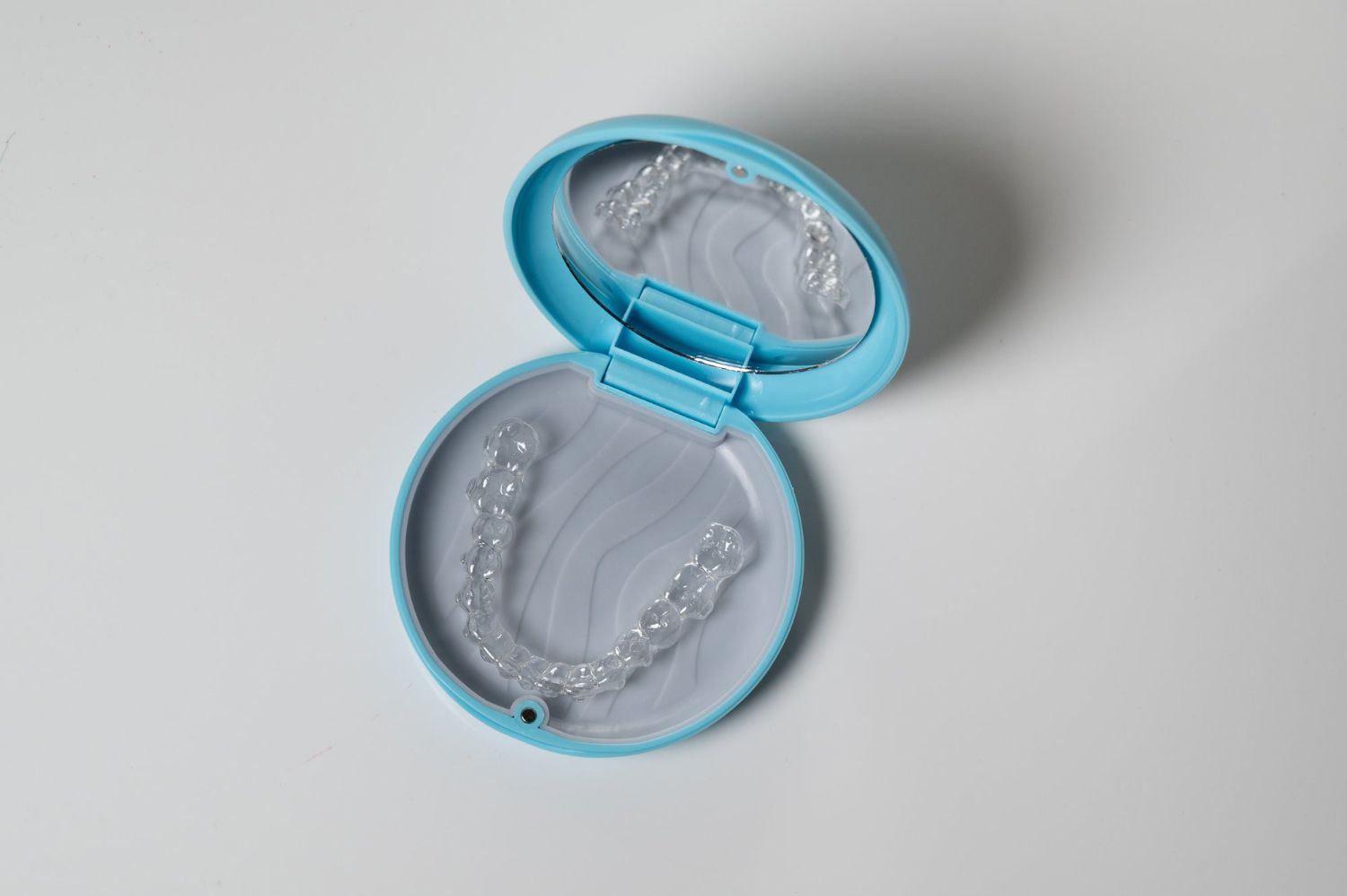
- Custom oral appliances designed to support the jaw in a more stable position
- Bite adjustments when needed, to reduce strain on certain teeth or muscles
- Targeted jaw stretches or gentle exercises to relax and balance the muscles
- Guidance on posture, habits, and daily routines that may be overworking your jaw
- Strategies to limit nighttime clenching or grinding
The main goal of TMJ treatment in Meridian is not just to mask pain. We are working to calm irritated joints, relax overworked muscles, and support a healthier jaw position. As the jaw becomes more stable, many patients notice that headaches, facial pain, and jaw soreness begin to ease over time.
How Dr. Cameron Kuehne Personalizes TMJ Care
No two TMJ problems look exactly the same. One person may have sharp joint pain and clicking, while another feels more muscle tightness and constant dull headaches. That is why Dr. Cameron Kuehne does not use a one-size-fits-all plan.
When you come to The Center for Sleep Apnea and TMJ, we look at:
- Where your headaches start and how they spread
- When your pain is worst, such as mornings, evenings, or after meals
- How wide you can open and how smoothly your jaw moves
- Your bite, tooth wear patterns, and signs of clenching or grinding
- Sleep habits, posture, and daily activities that may stress the jaw
Based on this, Dr. Cameron Kuehne creates a plan that fits your body and your life. If you wear an oral appliance, we do not just hand it to you and send you home. Follow-up visits are important so we can fine-tune the fit, check for bite changes, and adjust home care routines as your symptoms change.
TMJ disorders often overlap with clenching, grinding, and airway-related concerns that can affect sleep quality. By working with Dr. Cameron Kuehne, patients in Meridian can address several contributing factors in a coordinated way instead of trying random fixes on their own. Our focus is to help your jaw work with your body, not against it.
Take Action Before Another Season of Headaches
Living with constant or frequent headaches is exhausting. When jaw pain, clicking, or morning tightness are part of the picture, it is worth asking if your TMJ could be playing a bigger role than you think. You do not have to wait through another busy season hoping things will magically get better.
At The Center for Sleep Apnea and TMJ, Dr. Cameron Kuehne is committed to careful evaluation and thoughtful, personalized care. By addressing jaw alignment, muscle balance, and related habits, TMJ treatment in Meridian can help reduce headaches and support more comfortable days and nights.
Relieve Jaw Pain And Restore Comfortable Sleep Today
If jaw pain, headaches, or clicking joints are disrupting your daily life or sleep, we are here to help you find lasting relief. Our experienced team at CSAT Meridian - The Center For Sleep Apnea and TMJ provides personalized
TMJ treatment in Meridian tailored to your specific symptoms and goals. Schedule an appointment so we can evaluate your condition and recommend a clear path forward. If you have questions before booking, feel free to
contact us to talk through your concerns.