Jaw Pain Red Flags Needing Immediate Care: Infection, Injury, or Nerve Pain
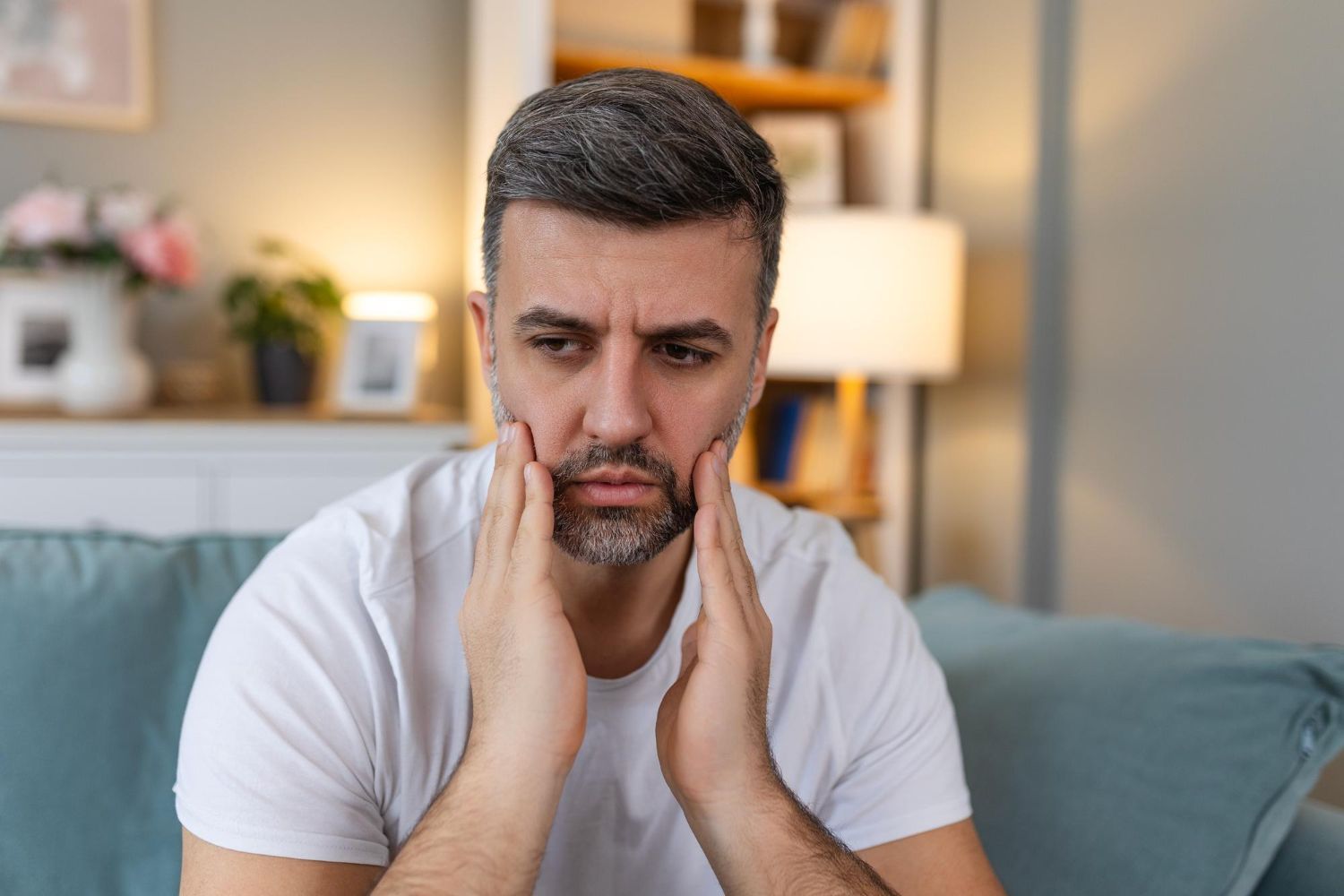
When Jaw Pain Is an Emergency, Not Just “TMJ”
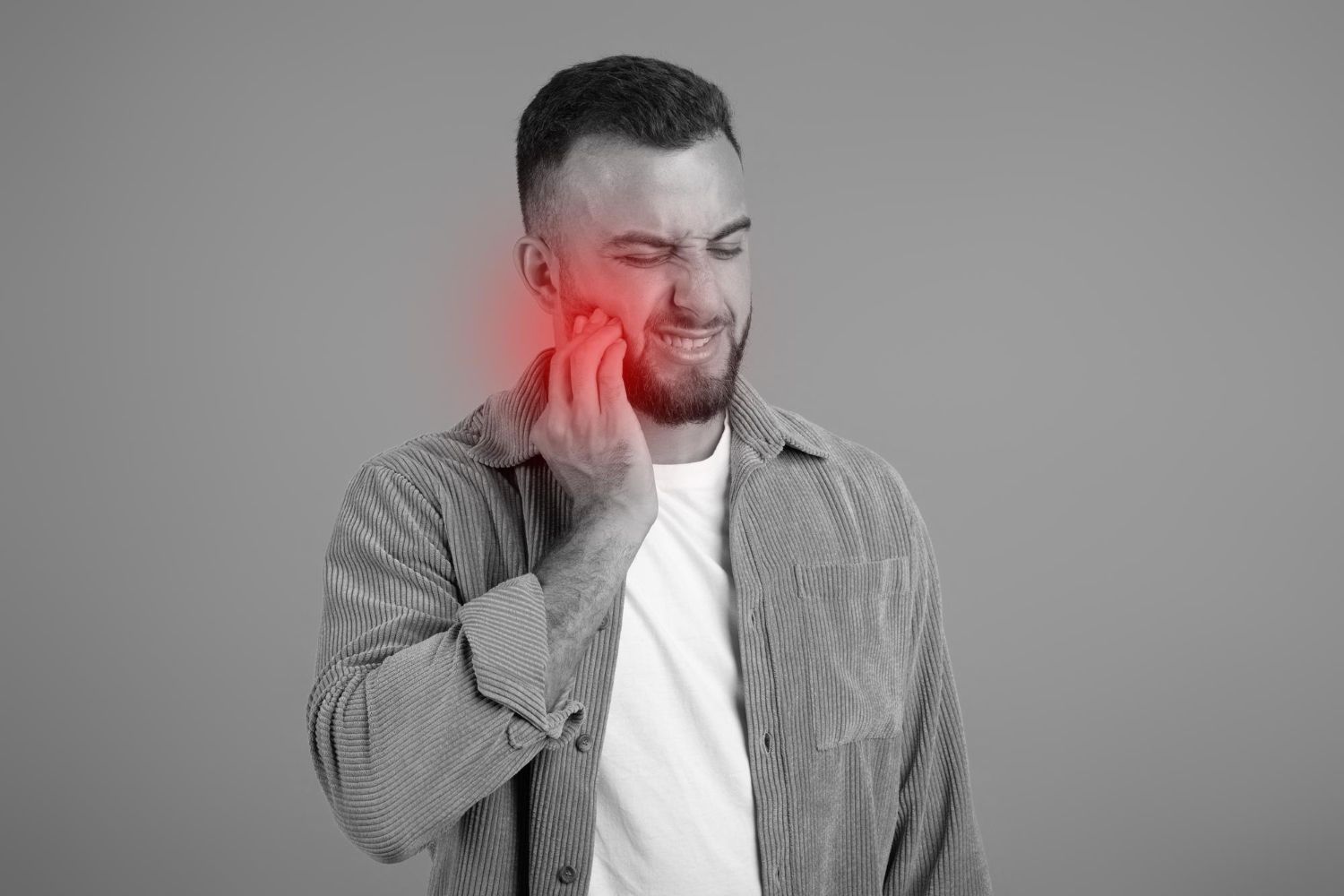
Jaw pain can be confusing. Many people assume any ache near the jaw joint must be “TMJ,” but that is not always true. Some jaw pain is actually a sign of infection, injury, or nerve trouble that needs fast attention, not routine TMJ care.
Warm-weather activities around Meridian, like sports, biking, travel, or outdoor projects, can raise the chance of getting hit in the face, falling, or developing an infection that spreads into the jaw. When that happens, waiting it out or blaming stress can be risky. At The Center For Sleep Apnea and TMJ, Dr. Cameron Kuehne focuses on jaw and facial pain every day and helps patients sort out when pain is related to a TMJ disorder and when it points to something more urgent.
Jaw Trauma and Fractures That Need Fast Help
A hard hit to the face is one of the clearest reasons to treat jaw pain as an emergency. Around Meridian, common causes include:
- Sports collisions or elbows to the jaw
- Falls on sidewalks, trails, or stairs
- Bike or scooter accidents
- Car crashes or airbag impact
- Being struck in the face by equipment or tools
After an impact, it is important to watch for red flag symptoms like:
- Severe, sharp jaw pain that starts right away
- Teeth that no longer fit together normally
- Trouble opening or closing your mouth fully
- Swelling or bruising that keeps getting worse
- A pop, crack, or grinding feeling when the injury happened
These signs can mean a fracture or dislocation, not a simple TMJ flare. If care is delayed, the jaw may heal in the wrong position. That can lead to long-term bite problems, constant soreness, or even nerve damage.
When someone comes to The Center For Sleep Apnea and TMJ after a jaw injury, Dr. Cameron Kuehne looks for any hint of bone damage or joint dislocation. If Dr. Cameron Kuehne suspects a fracture, he does not just treat it like routine TMJ pain. He may coordinate with other medical providers so the jaw is set and protected correctly, then help with ongoing jaw function over time.
Jaw Infections and Dental Abscesses You Must Not Ignore
Not all intense jaw pain comes from trauma. Infections can start in a tooth, the gums, or a salivary gland, then spread into the jaw and face. Because the pain is near the joint, people often think it is TMJ, but infection pain usually gets worse faster and feels different.
Warning signs that point toward infection instead of TMJ include:
- Strong, throbbing pain on one side of the jaw
- Fever, chills, or feeling generally sick
- Warm, red, or shiny skin on the face or jaw
- A bad taste or bad smell in the mouth
- Swelling under the jaw, in the cheek, or near the ear
- Trouble swallowing, swallowing saliva, or breathing
Those symptoms can mean a dental abscess or deep infection that needs same-day medical or dental care. It may require antibiotics or even emergency treatment at a hospital if breathing or swallowing is affected.
When jaw pain patients visit The Center For Sleep Apnea and TMJ, Dr. Cameron Kuehne looks closely for signs of infection. He asks about recent tooth problems, sore gums, or swelling that changed quickly. If Dr. Cameron Kuehne suspects an abscess or spreading infection, he guides patients to the right level of care before focusing on any TMJ disorder treatment in Meridian.
Nerve-Related Jaw Pain That Feels Like Electric Shocks
Nerve pain in the face can feel scary. Conditions like trigeminal neuralgia or nerve injury after dental work or trauma can cause jaw pain that feels very different from the steady ache of TMJ problems.
Nerve-related jaw pain often feels like:
- Sudden, stabbing, electric-shock jolts
- Pain that lasts seconds instead of hours, but is very intense
- Pain on one side of the face or jaw
- Attacks triggered by simple actions like chewing, talking, brushing teeth, washing the face, or a light breeze
Typical TMJ discomfort is more of a dull ache or pressure in and around the joint and chewing muscles. It might be worse with chewing or first thing in the morning, but it usually is not triggered by just touching the skin and it rarely feels like lightning.
Because nerve pain can be linked to irritated or compressed facial nerves, it calls for prompt evaluation. At The Center For Sleep Apnea and TMJ, Dr. Cameron Kuehne studies pain patterns, triggers, and areas of sensitivity. If the pain looks more like a nerve disorder than a TMJ issue, Dr. Cameron Kuehne may recommend that patients also see a neurologist or other specialist, while helping clarify which symptoms are jaw joint related and which are not.
TMJ Symptoms Versus Red Flags You Should Not Ignore
Many people do have true TMJ disorders. Common TMJ symptoms include:
- Clicking or popping in the jaw joint
- Dull aching near the ears or cheeks
- Morning jaw stiffness or soreness
- Grinding or clenching, especially during sleep
- Headaches around the temples
These problems are often related to stress, bite strain, or clenching habits. They can flare during travel, schedule changes, dehydration, or poor sleep, which are common in summer and busy seasons. Because of that, it can be easy to blame every new jaw pain on TMJ and miss serious warning signs.
Red flags that usually are not “just TMJ” include:
- A recent hit or accident involving the face or jaw
- Sudden, severe pain that starts right after an impact
- Fever, chills, or feeling feverish along with jaw pain
- Rapidly increasing facial or neck swelling
- Sharp, electric-shock facial pain, especially when touched
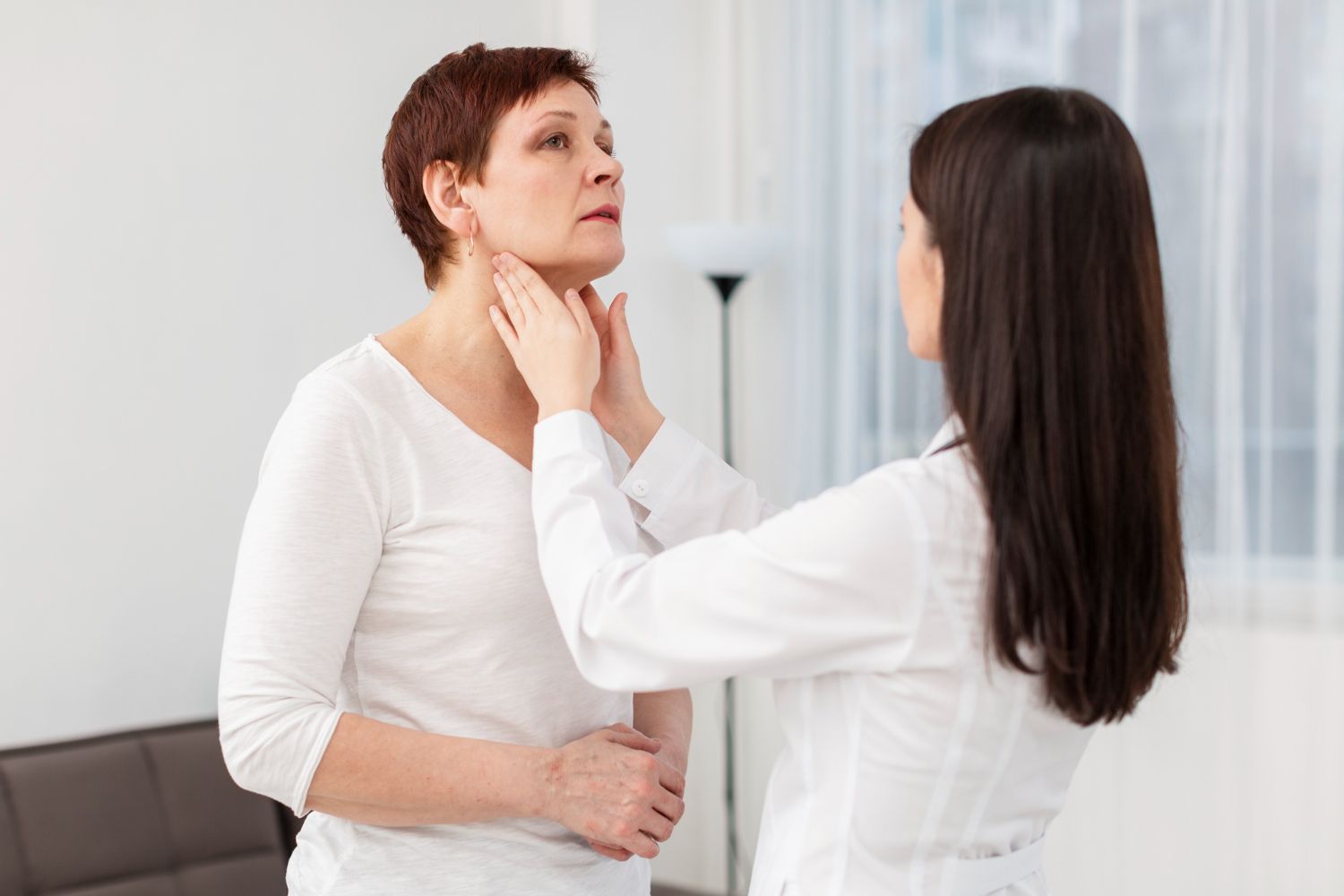
Dr. Cameron Kuehne takes these differences seriously. At The Center For Sleep Apnea and TMJ, he uses a detailed history, imaging when needed, and focused exams to separate routine TMJ disorders from infections, fractures, or nerve problems. When jaw pain does turn out to be related to a TMJ disorder, TMJ disorder treatment in Meridian can then be built into a longer-term plan to improve comfort and function.
How Dr. Cameron Kuehne Evaluates Jaw Pain
A focused jaw-pain visit at The Center For Sleep Apnea and TMJ is all about careful listening and targeted testing. Dr. Cameron Kuehne typically:
- Reviews any recent injuries, falls, or hits to the jaw or face
- Asks about tooth problems, sinus issues, or past infections
- Looks at sleep habits, clenching or grinding, and stress levels
- Gently checks how the jaw opens, closes, and moves side to side
- Feels the jaw muscles and joint for tenderness or tightness
- Assesses how the teeth fit together and how the bite feels
- Checks facial nerve areas for unusual sensitivity or trigger spots
If the pattern fits a TMJ disorder, Dr. Cameron Kuehne focuses on conservative, evidence-based care. If he suspects infection, fracture, or a nerve condition, Dr. Cameron Kuehne coordinates with other health professionals so patients get the right help as quickly as possible.
Many people worry that a jaw pain visit will automatically lead to invasive treatment. In reality, one of the most important outcomes is simply knowing what is going on. At The Center For Sleep Apnea and TMJ, a clear answer and a safe, step-by-step plan with Dr. Cameron Kuehne are often the first and most calming parts of care.
When to Take Action For Jaw Pain That Feels “Different”
The biggest message is to trust your instincts. If your jaw pain feels more intense, sudden, or “just not normal,” do not assume it is the same old TMJ problem. Pay close attention if you notice:
- A recent hit or accident involving your face or jaw
- New trouble swallowing or breathing
- Swelling in the face, jaw, or neck that is growing quickly
- Fever or chills with jaw or facial pain
- Electric-shock pain triggered by light touch, chewing, or talking
Those signs deserve fast, professional attention. TMJ disorder treatment in Meridian is very important for chronic jaw issues, but emergency red flags should come first. Dr. Cameron Kuehne and the team at The Center For Sleep Apnea and TMJ are here to help sort through confusing symptoms, rule out dangerous causes, and support long-term jaw health and comfort through every season.
Find Lasting Relief From TMJ Pain and Sleep Disruption
If jaw pain, headaches, or sleep problems are affecting your daily life, we are here to help you find answers and real relief. Our team at CSAT Meridian - The Center For Sleep Apnea and TMJ provides customized care focused on the root causes of your symptoms. Learn more about our comprehensive approach to
TMJ disorder treatment in Meridian and how it can improve your comfort and sleep. To schedule a visit, simply
contact us and we will help you take the next step.