Subtle Signs of TMJ Disorder: Treatments Meridian Patients Overlook
Subtle Summer Signs Your Jaw Needs Expert Help
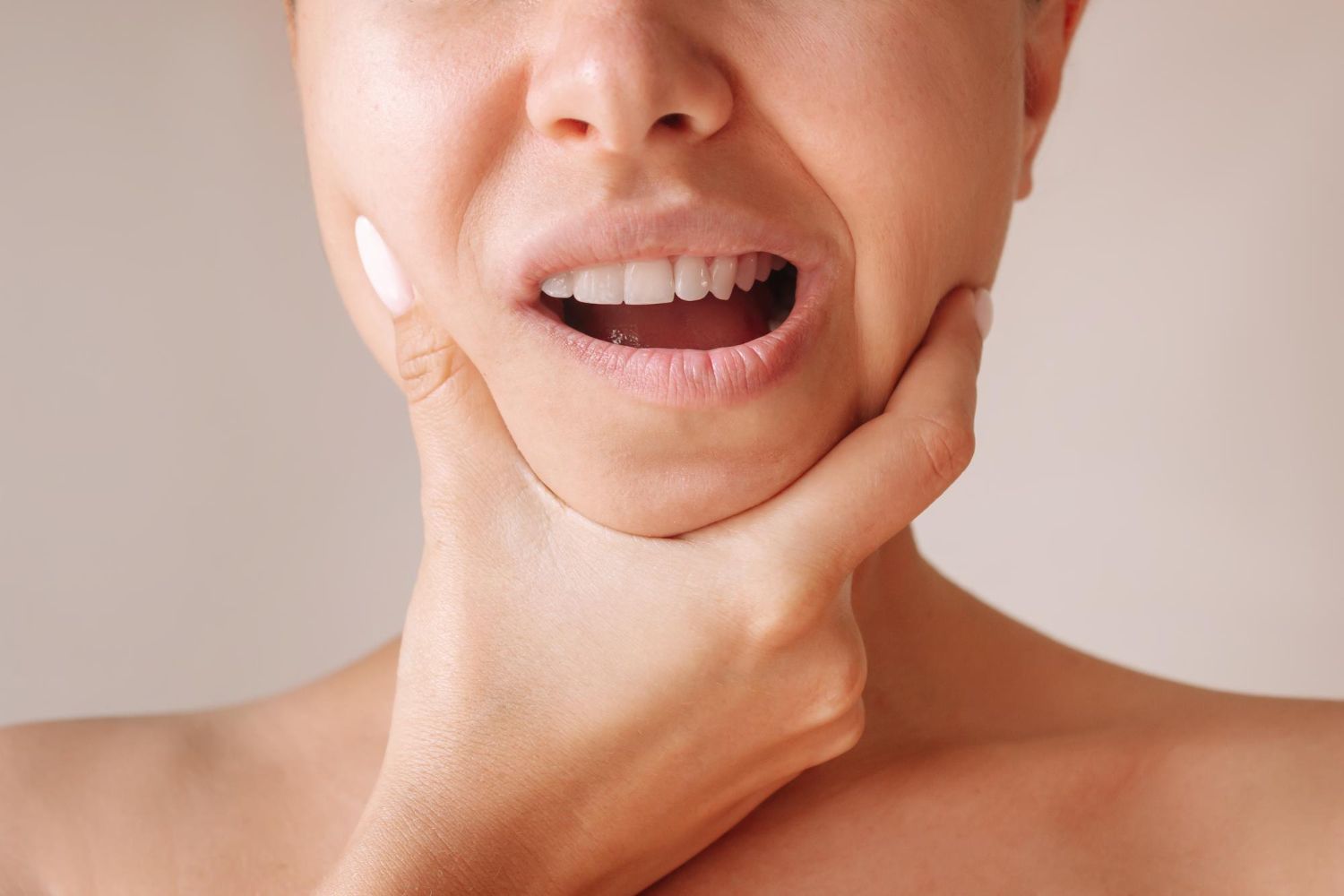
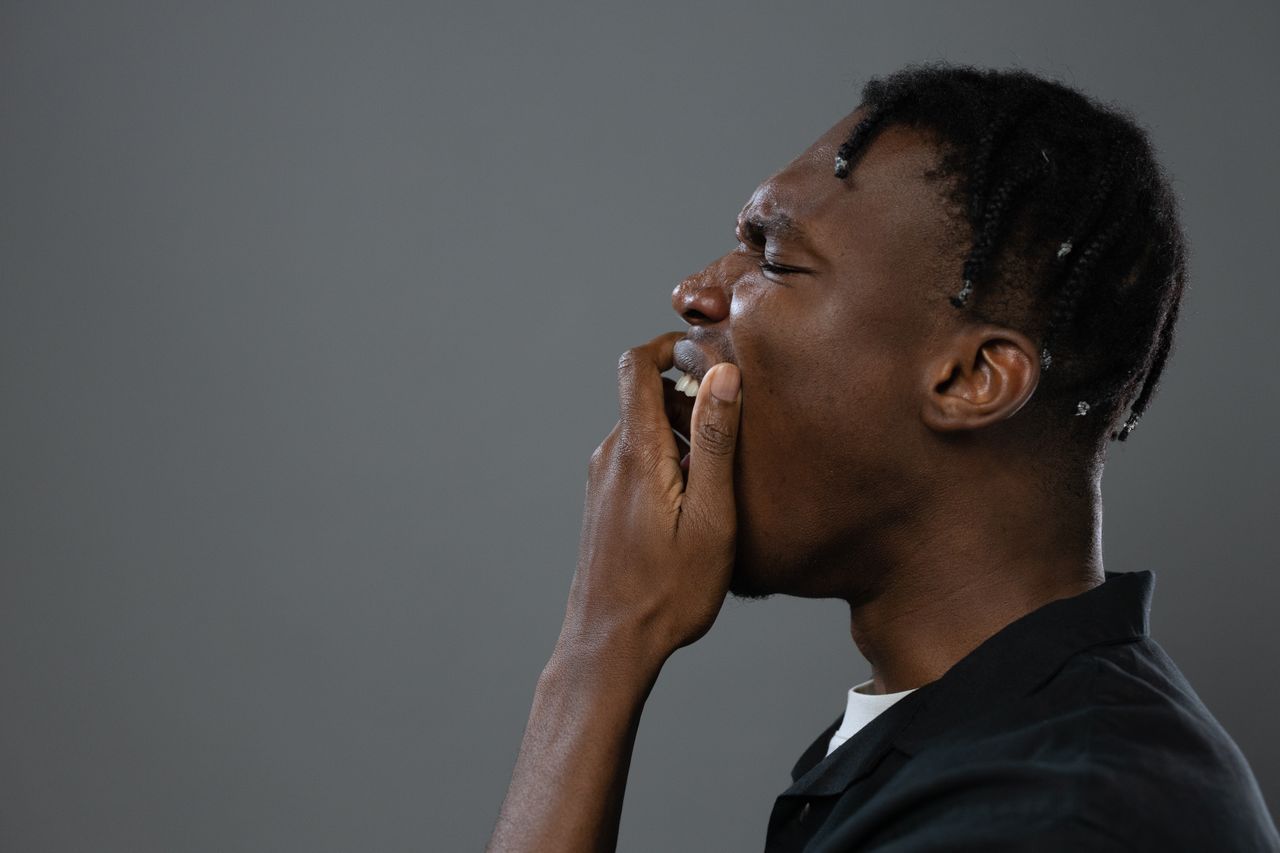
TMJ problems are not always loud or obvious. Many people live with jaw issues for a long time because the signs feel small, random, or easy to blame on something else. TMJ stands for temporomandibular joint, the hinge that connects your jaw to your skull. When this joint or the muscles around it are strained, irritated, or out of balance, it can affect how you chew, talk, and even sleep.
In Meridian, summer brings longer days, more outdoor time, family trips, and schedule changes. With all that activity, it is easy to shrug off a sore jaw after a long drive, or a headache after a backyard barbecue. At The Center for Sleep Apnea and TMJ, we see many people who later realize they were seeing signs of TMJ problems for months or years. Noticing these clues earlier can help you get gentle care before the pain spreads or your sleep and daily life are affected.
Everyday Discomforts That Point to TMJ Trouble
TMJ symptoms often hide in plain sight. They blend into busy days and feel like small annoyances. You might notice them more during summer when you are chewing different foods or being more active, but they can show up any time of year.
Common subtle signs include:
- Jaw clicking or popping when you open wide or bite down
- Brief stabs or twinges of pain when chewing foods like grilled meats or corn on the cob
- Tightness around your cheeks or temples when you yawn or talk for a long time
- A feeling that your jaw has to “work harder” on one side
Many people also notice odd sensations around their ears, such as:
- Fullness or pressure in one or both ears
- Occasional ringing or buzzing sounds
- Mild ear pain that does not match an ear infection
- A sense of imbalance that comes and goes
These can easily be blamed on allergies, swimming, or changes in air pressure. But the TMJ sits very close to the ear, and strain in the joint or muscles can send confusing signals that feel like an ear problem.
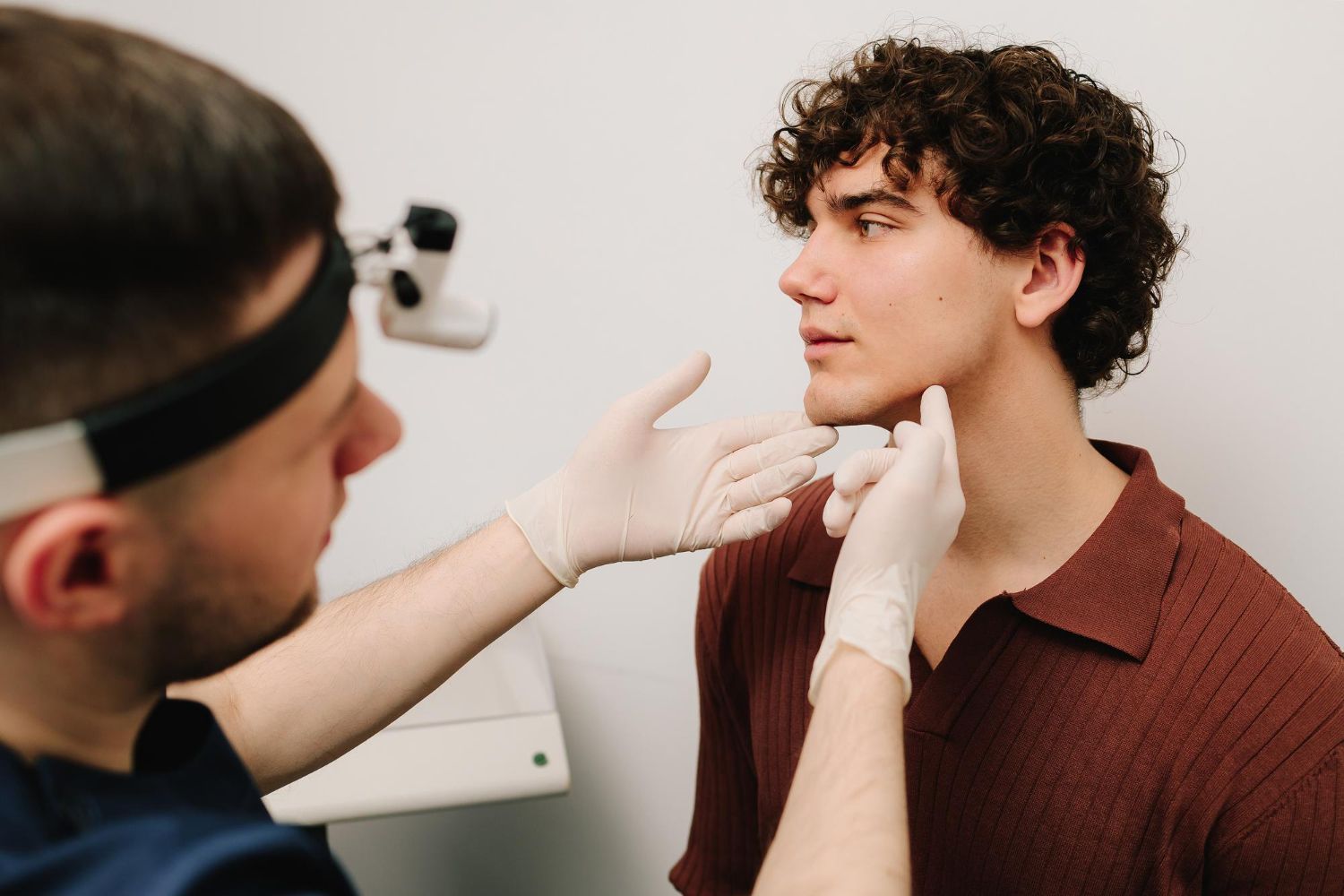
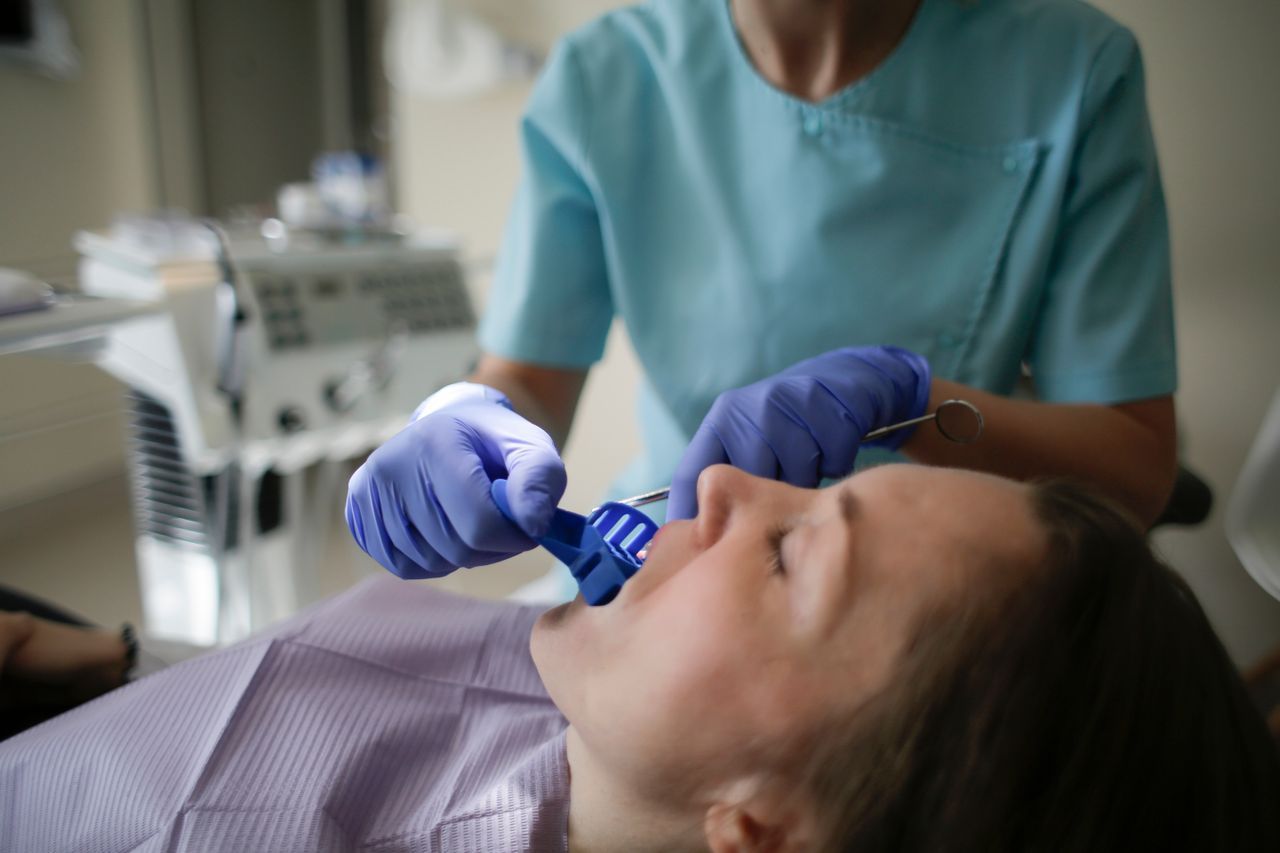
During an evaluation, Dr. Cameron Kuehne listens carefully to how and when these symptoms show up. At The Center for Sleep Apnea and TMJ, we pay attention to patterns: what you are doing when the pain starts, which side is worse, what movements trigger noise or tenderness. This helps connect the small, daily discomforts to what is happening inside the jaw joint and the muscles around it.
Hidden Headaches and Neck Pain Linked to TMJ
Headaches and neck pain are another set of signs that can be linked to TMJ issues without you realizing it. You might feel:
- Dull tension headaches around the temples or behind the eyes
- Migraine-like pain that seems to start near the jaw or face
- Stiffness in the neck and upper shoulders after long drives, yard work, or looking down at a phone
- Pain that gets worse after chewing, talking, or clenching
The jaw is part of a larger system of muscles and joints that support your head and neck. When the TMJ is not moving smoothly, nearby muscles often work overtime to keep things stable. This extra effort can send pain up into the head and down into the neck and shoulders.
Many people try pain relievers, massage, new pillows, or neck stretches. These can help for a while, but if the jaw joint is part of the problem, relief does not last. Dr. Cameron Kuehne often sees Meridian patients who have tried many things for their headaches and neck pain before they ever consider the jaw. By checking the TMJ and the bite along with the head and neck muscles, we can see if TMJ disorder treatment in Meridian may address the real source of the pain.
Nighttime Clues You Are Missing TMJ Problems
Some of the clearest TMJ clues only show up at night or first thing in the morning. If you wake up and notice:
- Sore or tight jaw muscles
- Tender teeth or new sensitivity when you drink something cold
- A dull morning headache that fades as the day goes on
- A feeling that your bite is “off” or your teeth do not fit together the same as yesterday
These can all be signs that you are clenching or grinding in your sleep.
Stress, travel, and changes in sleep routine can make nighttime clenching worse. Over time, this constant pressure can wear down teeth, stress the jaw joint, and inflame muscles without you making a single conscious movement.
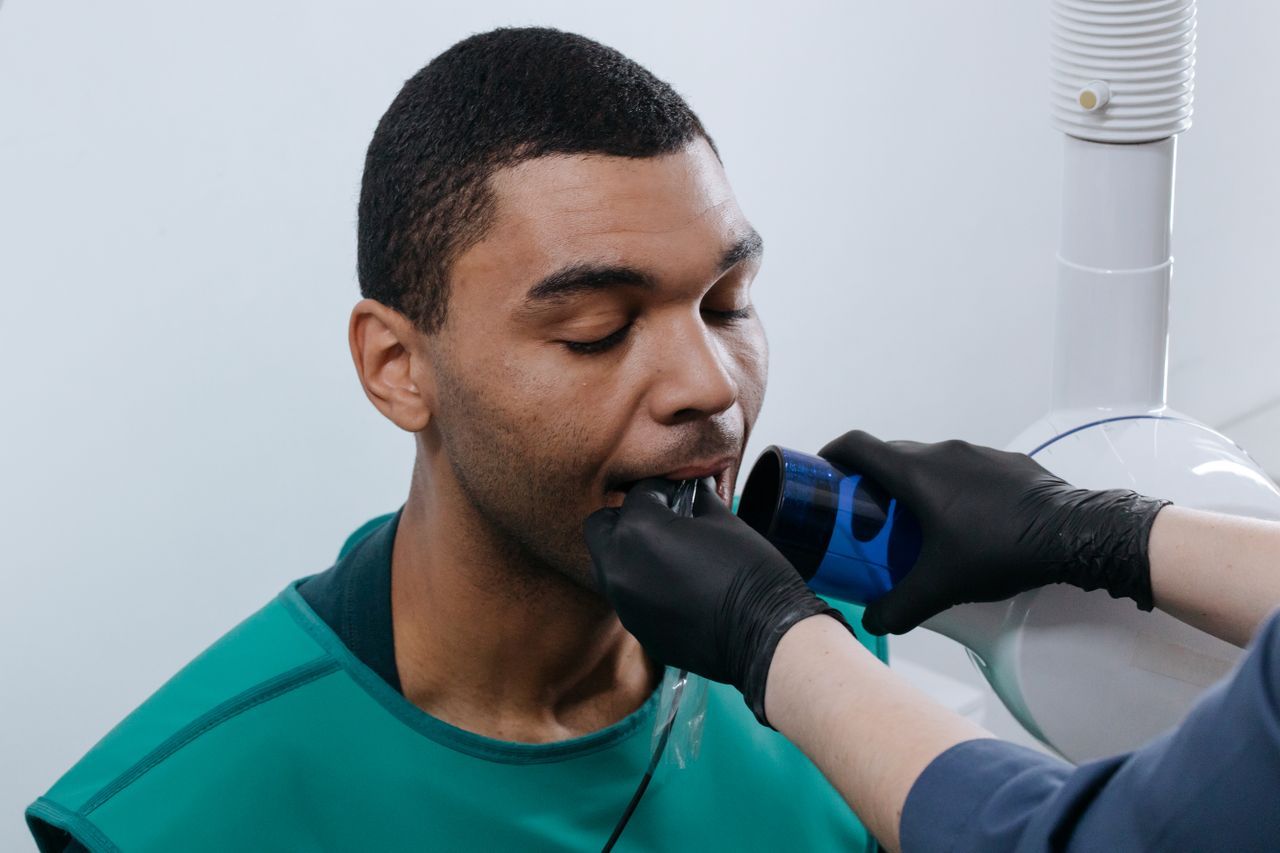
At The Center for Sleep Apnea and TMJ, Dr. Cameron Kuehne uses detailed exams and imaging when needed to look at how the jaw is shaped, how it moves, and how the teeth come together. This helps us see signs of nighttime jaw stress, such as worn tooth surfaces or muscle tenderness. From there, we focus on conservative ways to protect teeth and calm the joint, without CPAP, surgery, or other invasive steps.
When TMJ Affects Eating, Talking, and Daily Life
As TMJ strain grows, it can start to change the way you eat, talk, and move through your day. These changes often happen slowly, so you may just adjust without thinking about it.
Listen for signs like:
- Avoiding chewy foods or crusty bread because they “just don’t feel worth it”
- Jaw fatigue after long talks at social events or work meetings
- A feeling of the jaw “catching,” sticking, or briefly locking when you yawn or open wide
- Needing to shift your jaw to one side to get your teeth to meet
Over time, people often build their routines around these limits, picking softer foods or talking less in certain situations. It can feel normal, but it is not how a healthy jaw should work.
Dr. Cameron Kuehne focuses on conservative solutions to help restore easier function. These may include:
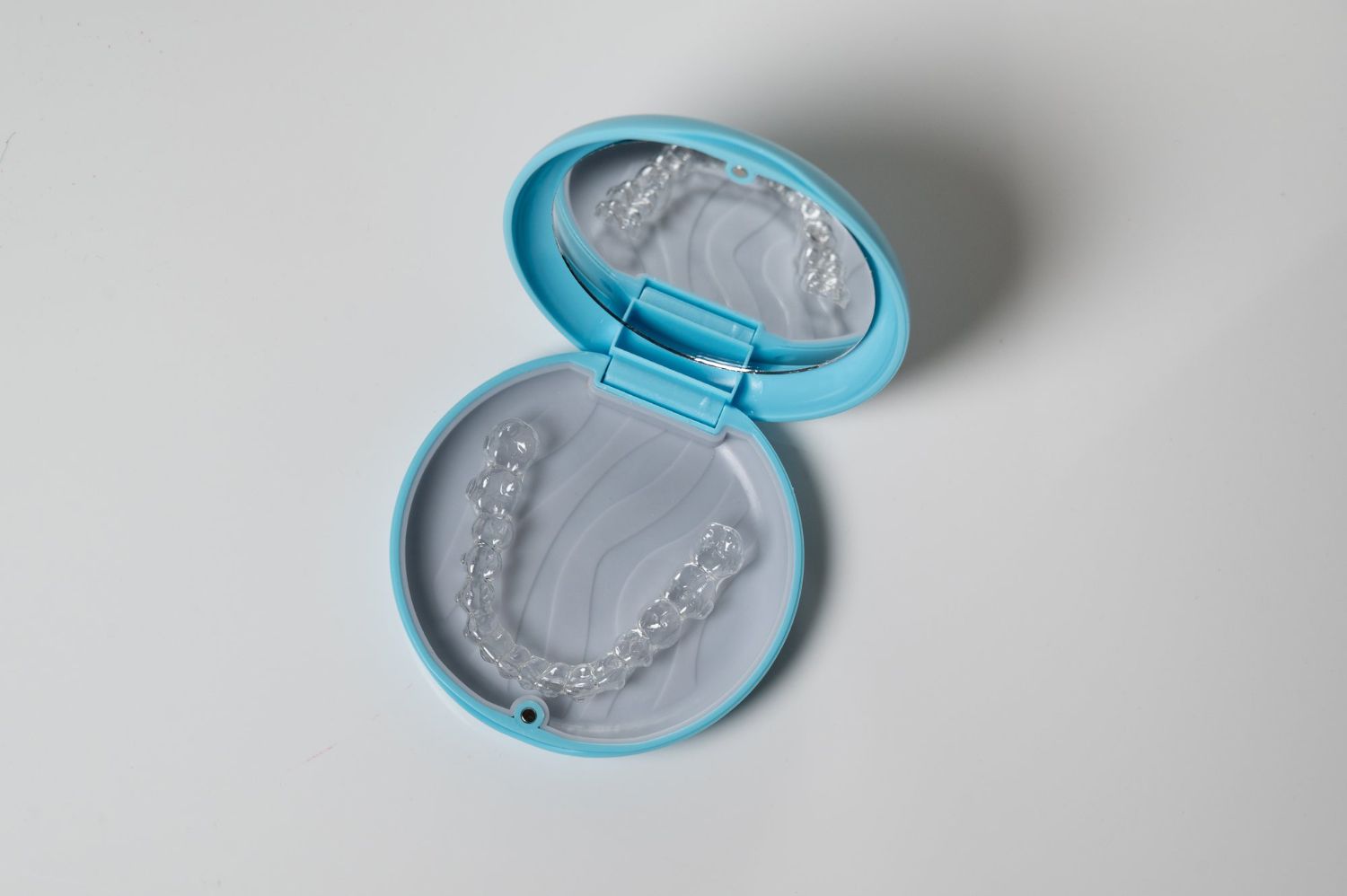
- Custom oral appliances designed to support the jaw in a healthier position
- Gentle bite adjustments to help the teeth meet more evenly
- Targeted jaw exercises and habit guidance to reduce strain during daily activities
The goal is to make chewing, speaking, and daily movement more comfortable, while also calming the joint and protecting it from further stress.
Conservative TMJ Care Options Available in Meridian
For many people with TMJ issues, surgery is not the first or best answer. At The Center for Sleep Apnea and TMJ in Meridian, our focus is on non-surgical, evidence-based care for TMJ disorders and related dental sleep medicine concerns. We do not provide CPAP therapy, sleep studies, or CBT-I, and we keep our attention on the jaw joint, bite, and airway in ways that match our training.
When you see Dr. Cameron Kuehne for TMJ disorder treatment in Meridian, you can expect:
- A careful review of your symptoms, habits, and medical and dental history
- A hands-on exam of the jaw joint, teeth, and muscles, with imaging if needed
- A customized plan that often centers on oral appliances, habit changes, and posture and movement guidance
- Collaboration with other healthcare providers when that supports your overall care
By paying attention to subtle signs early and choosing gentle treatment options, many people are able to lower pain, protect their jaw joints, and sleep more comfortably. Small changes in how the jaw is supported day and night can make a real difference over time, without aggressive procedures or devices you do not need.
Relieve Jaw Pain And Restore Comfortable Sleep
If jaw pain, headaches, or clicking joints are affecting your daily life, our team at CSAT Meridian - The Center For Sleep Apnea and TMJ is ready to help. We offer personalized
TMJ disorder treatment in Meridian that focuses on long-term relief and better sleep quality. To schedule a visit or ask questions about your symptoms, please
contact us today.