TMJ Treatment Options in Meridian: Splints, PT, and When to See a Specialist

Find Relief From TMJ Pain in Meridian This Summer
Jaw pain can make simple things like talking, eating, or smiling feel hard. When the jaw joint is not working well, it can affect your workday, your sleep, and even fun summer plans like road trips, camping, or outdoor events. This is often related to a TMJ disorder, which involves the temporomandibular joint that connects your jaw to your skull.
Many people worry that TMJ disorder treatment in Meridian will lead straight to surgery. Most of the time, that is not the case. Many patients do well with conservative care like custom splints, oral appliances, and guided therapy. At The Center for Sleep Apnea and TMJ, we focus on non-surgical, personalized options designed to reduce strain on the jaw joint.
In this article, we will walk through how TMJ problems start, how splints and oral appliances can help, what physical therapy and home strategies can support healing, and when it makes sense to see a specialist like Dr. Cameron Kuehne for a deeper evaluation.
How TMJ Disorders Start and Why They Flare in Summer
TMJ disorders often do not have just one cause. They usually develop over time, as several small issues build up and stress the jaw. These may include:
- Teeth grinding or clenching, often at night
- Bite misalignment, where the upper and lower teeth do not meet comfortably
- Inflammation inside the joint
- Previous jaw or facial injuries
- High stress or muscle tension in the neck and shoulders
When the TMJ is irritated, you might notice symptoms such as jaw pain, clicking or popping, headaches, facial pain, ear fullness, or ringing in the ears. Some people feel their jaw get tired when chewing, or struggle to open wide for a burger or a big yawn. Others feel pain that moves from the jaw into the temples or behind the eyes.
Summer can add extra triggers. Travel may change your sleep schedule or add stress. Long drives or flights can lead to poor posture, which can tighten jaw and neck muscles. Outdoor sports, dehydration, and frequent chewing of tough, sticky foods at barbecues can also put more load on the joint.
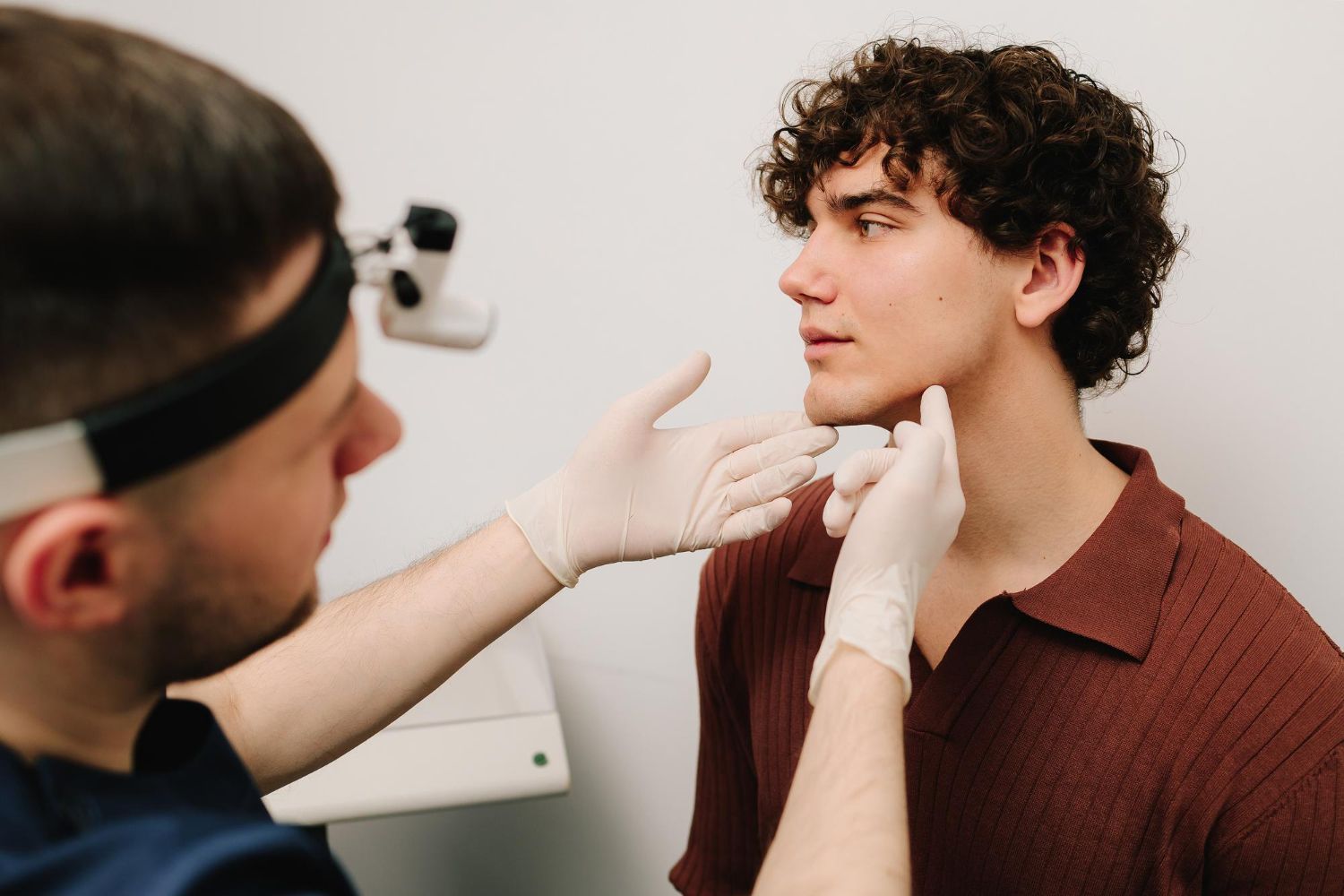
When you visit The Center for Sleep Apnea and TMJ, Dr. Cameron Kuehne looks beyond the joint itself. He pays close attention to how your teeth come together, how you breathe during rest, and where your muscles are tight or overworked. This broader view helps him understand why your TMJ disorder is flaring and how to calm it down.
Splint and Oral Appliance Options for Jaw Relief
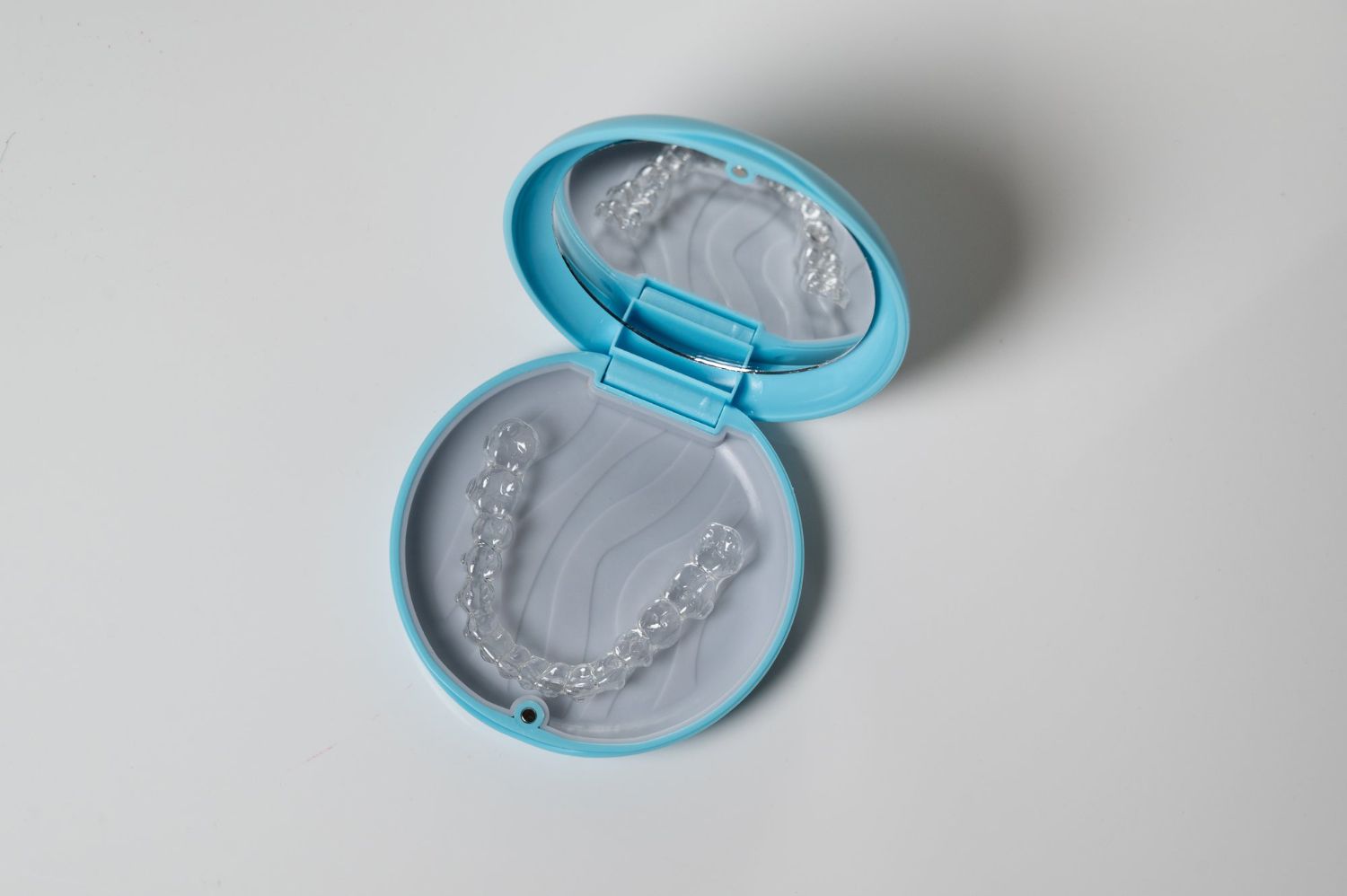
Splints and oral appliances are custom devices that fit over your teeth, kind of like a slim, smooth mouthguard. Their goal is not just to protect the teeth, but also to change how the jaw and muscles work so they can rest instead of staying in a stressed position.
Different appliances can be designed for different goals, such as:
- Stabilizing the bite to give the joint a more stable, balanced surface
- Limiting clenching or grinding at night so the muscles can relax
- Gently guiding the jaw into a more comfortable, protected position
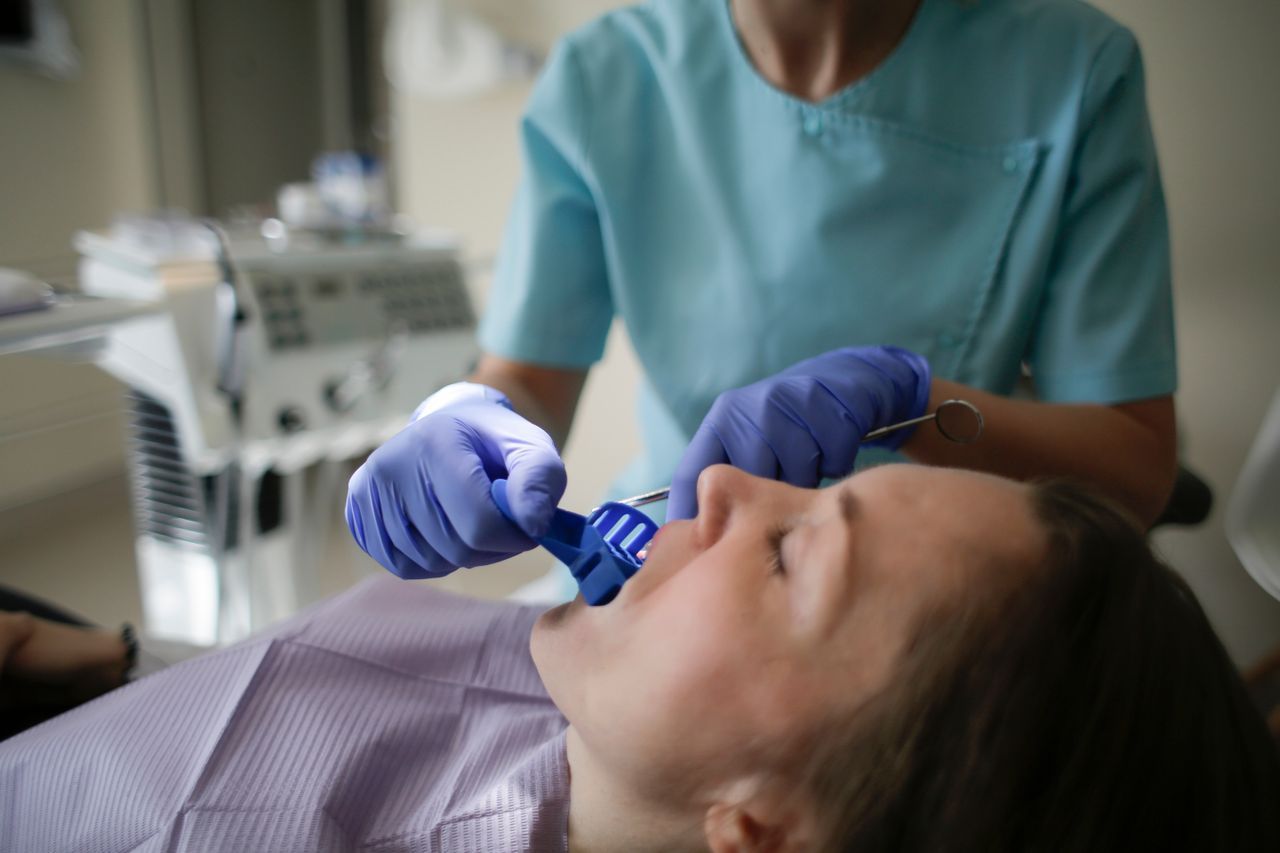
At The Center for Sleep Apnea and TMJ, Dr. Cameron Kuehne designs appliances that are tailored to your mouth and your specific symptoms. He takes careful records and uses them to make an appliance that fits precisely. The fit is important, because even small changes in jaw position can affect comfort and muscle tension. Adjustments are often made over time as your jaw responds.
During the first few weeks of wearing a new splint or oral appliance, it is normal to go through an adaptation period. You may notice:
- Mild soreness as muscles adjust
- Extra saliva at first, which usually settles down
- A bit of awareness of the device while falling asleep or talking
Dr. Cameron Kuehne follows up to check how you are doing, fine-tune the fit, and answer questions. He works to make sure your treatment can fit into a busy summer schedule, whether you are heading to the mountains for a weekend or juggling kids’ activities, so your care is consistent without taking over your life.
Physical Therapy and at-Home Strategies That Support Healing
Splints and oral appliances often work best when they are supported by muscle care. Physical therapy for TMJ focuses on helping the jaw move smoothly and with less effort. A physical therapist may teach you:
- Gentle jaw stretches to improve range of motion
- Light strengthening exercises to support the joint
- Posture training for the neck and upper back
- Hands-on techniques to release tight muscles in the jaw and face
Along with professional care, there are simple habits that can support your jaw between visits. During exams, Dr. Cameron Kuehne often talks with patients about:
- Limiting tough or chewy foods like jerky, hard rolls, and ice
- Using cold or moist heat packs as recommended to calm sore muscles
- Practicing relaxed breathing through the nose to help reduce tension
- Avoiding nail biting, gum chewing, or biting pens and straws
Posture is a big factor, especially in summer when people are on phones or laptops during travel. Holding the head forward puts more strain on the jaw and neck. Keeping screens at eye level and taking frequent stretch breaks can help limit this stress.
When needed, The Center for Sleep Apnea and TMJ coordinates care with physical therapists or other providers. This helps keep your plan consistent, so each part of your treatment is working toward the same goals instead of pulling in different directions.
When TMJ Pain Means It’s Time for a Specialist
Mild jaw soreness that comes and goes might settle with short-term changes. But some signs suggest it is time to see a TMJ specialist. These include:
- Pain that has lasted more than a few weeks
- Trouble opening wide or feeling the jaw catch or lock
- Worsening headaches or facial pain
- Pain that makes eating, speaking, or smiling uncomfortable
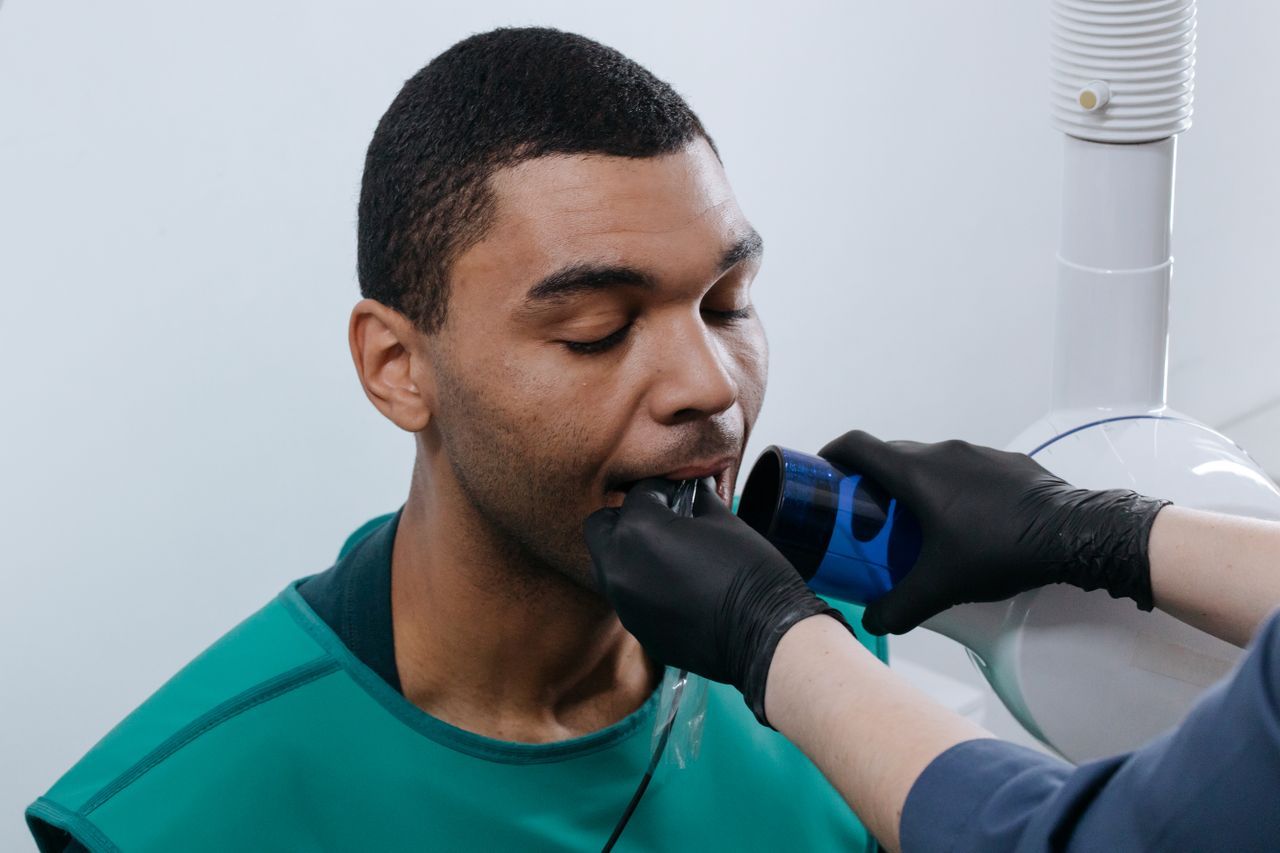
TMJ disorder treatment in Meridian with a specialist like Dr. Cameron Kuehne goes far beyond a basic, store-bought mouthguard. At The Center for Sleep Apnea and TMJ, your visit may include a careful health and dental history, digital imaging when appropriate, a detailed bite evaluation, and a close look at your muscle and joint function. This allows for a plan that fits your needs instead of a one-size-fits-all device.
Getting help early often means smaller problems stay small, instead of turning into long-term joint changes or chronic facial pain. Dr. Cameron Kuehne focuses on conservative options first, using custom splints, therapy support, and habit changes to calm the joint and protect the jaw. Many patients are able to find relief without surgery, and treatment is shaped to match comfort, lifestyle, and long-term goals.
Planning Your Next Step Toward TMJ Relief in Meridian
If you recognize your own symptoms in what you have read, it may be a good time to have your jaw evaluated, especially if pain is starting to affect work, sleep, or summer plans. TMJ disorder treatment in Meridian can include several layers of care, from custom splints and oral appliances to coordinated physical therapy and targeted changes in daily habits.
For a first visit with The Center for Sleep Apnea and TMJ and Dr. Cameron Kuehne, it helps to think through a few points ahead of time: when your symptoms started, what makes them better or worse, any recent dental work, whether you clench or grind your teeth, and how your sleep and daily posture might be affecting your jaw. Bringing this information with you makes it easier to build a plan that fits both your jaw and your day-to-day life.
Jaw pain is not something you have to simply push through or ignore. With careful, non-surgical care from Dr. Cameron Kuehne and the team at The Center for Sleep Apnea and TMJ, many people are able to protect their jaw health and get back to eating, talking, and enjoying each season with greater comfort.
Relieve Jaw Pain And Restore Comfortable, Confident Function
If jaw pain, headaches, or difficulty chewing are affecting your daily life, we are here to help you find lasting relief. Our team at CSAT Meridian - The Center For Sleep Apnea and TMJ provides customized care focused on identifying and treating the root cause of your symptoms with comprehensive
TMJ disorder treatment in Meridian. We will walk you through each step, explain your options clearly, and create a plan tailored to your needs. To schedule an appointment or ask questions, please
contact us today.