How Your Tongue Position Affects Sleep Apnea Symptoms

Many people with sleep apnea do not realize how much the tongue plays a role in how they breathe at night. It may not be something you notice during the day, but once your body relaxes at bedtime, tongue position can shift and cause disruptions in airflow. If you live in Meridian and have been looking for a sleep apnea clinic, it helps to understand the hidden ways your body might be making sleep more difficult.
At The Center For Sleep Apnea and TMJ, we often talk with people who feel like they have tried everything, yet sleep still feels out of reach. Dr. Cameron Kuehne has seen how small adjustments in body awareness, like tongue posture, can change everything. Let us look at how this works and why it matters more than you might think.
Why Tongue Position Matters During Sleep
Your tongue may seem harmless, but its position while you sleep can either make breathing easier or much harder. When you lie down for the night, your muscles relax, including the ones around your jaw and tongue. If the tongue shifts backward, it can block part of your airway and make it harder to breathe naturally.
This kind of blockage can happen without warning, and you might not even be aware it is happening. Some sleep positions, especially lying flat on your back, can make it worse by encouraging the tongue to fall back more easily. Certain habits such as clenching your jaw or tilting your head at an angle may also push your tongue into a less helpful spot.
Being aware of how your tongue and jaw sit at rest can be a simple way to get ahead of sleep trouble. Giving your body a better starting point before you lie down may help reduce those nighttime disruptions. Understanding this can empower you to make small adjustments in your nighttime routine that might improve your sleep quality.
Signs Your Tongue Might Be Getting in the Way
Sometimes, your body gives subtle clues when the tongue is interfering with sleep. You might wake up gasping or feel like your throat is closing in the middle of the night. These moments can feel scary, and they are often brushed off or forgotten by morning. But they could point to tongue-related breathing issues.
Other common signs to watch for include:
- Struggling to fall asleep when lying on your back
- Waking up with a dry mouth or feeling like your throat is tight
- Starting the day with a dull headache that fades as you wake up fully
These are not proof that the tongue is causing problems, but they can point in that direction. It is worth paying attention to how often these symptoms happen and whether they line up with body position at night. Even keeping a sleep journal can help you notice patterns you might otherwise miss.
What Dr. Cameron Kuehne Looks for in Tongue-Related Symptoms
Dr. Cameron Kuehne often helps people who feel like they have hit a dead end in searching for answers. When it comes to the tongue’s impact on sleep, there are several things we look at closely.
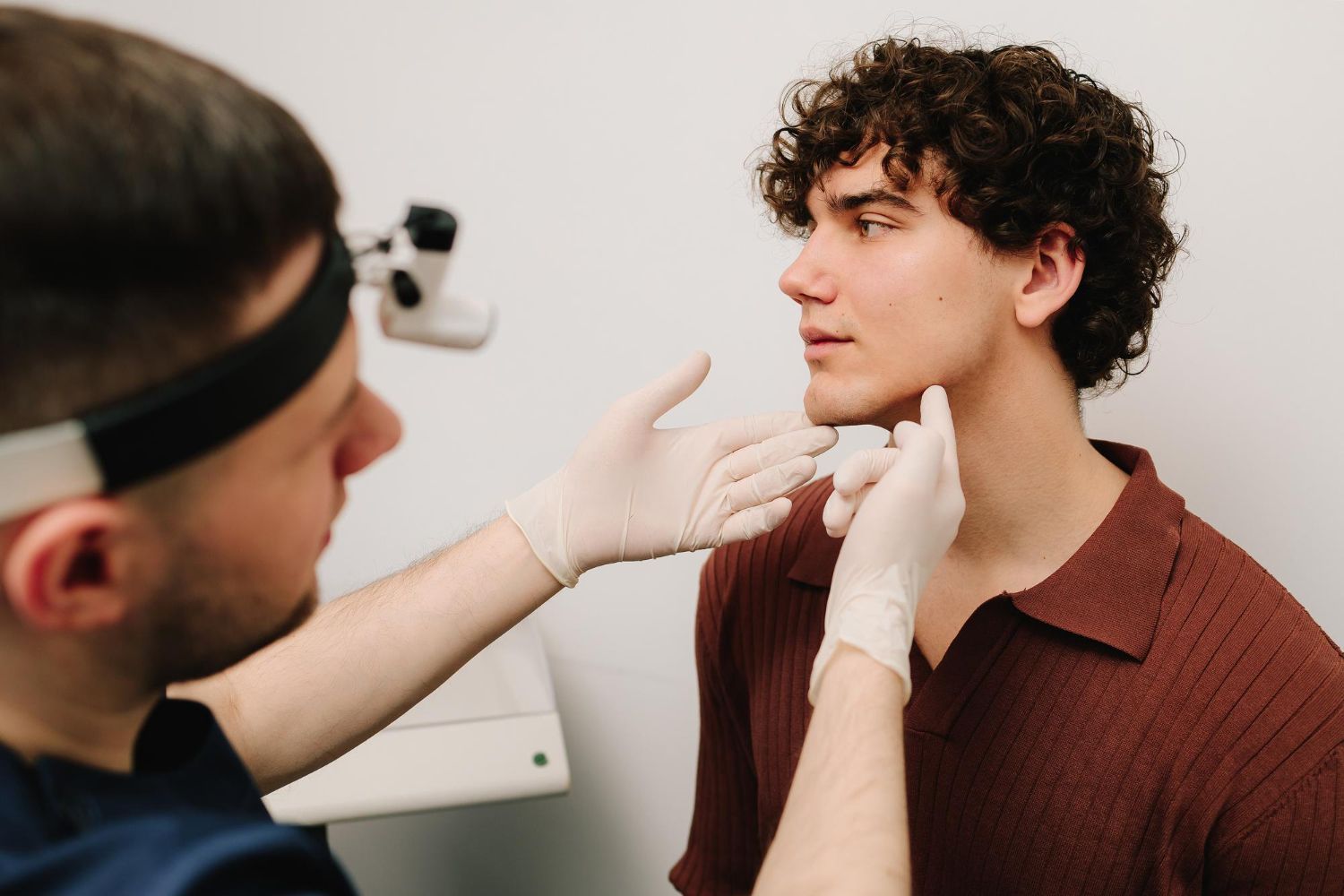
One of the first things to check is how the tongue and jaw align when the mouth is relaxed. This gives us insight into how much space there is in the airway and whether the tongue may be crowding it. The connection to TMJ tension matters too. If the jaw joints are not moving well, that tension can affect how the tongue rests or shifts at night.
During a check-up, we pay attention to the shape of the palate, the length and strength of the tongue, and how other muscles behave when you are at rest. These small pieces help build a clear picture of what is going on and whether your tongue is playing a part in your sleep issues. Sometimes, it is the subtle clues that give us the most information, and over time, monitoring these can reveal the bigger picture of how your body is functioning during sleep.
We also take into consideration your sleep environment and overall habits. The combination of all these elements can influence tongue posture and impact the quality of your breathing at night. If you're not sure which aspects are relevant, it may help to note down how you feel each morning, as these details can be very telling.
How a Sleep Apnea Clinic in Meridian Can Offer Help
Instead of guessing, it helps to get a professional look at what is really happening. If you are close to Meridian and have been thinking about a sleep apnea clinic, this could be another reason to take that step. Many people try to troubleshoot on their own, but without the right tools, it is hard to know what is working and what might be missing.
There are gentle, non-invasive ways to support better jaw and tongue alignment over time. Focused evaluations and gradual adjustments can encourage better airway space while sleeping. Dr. Cameron Kuehne uses this kind of thoughtful approach to help people find the hidden causes of their sleep struggles and work toward real improvement.
When the problem is deeper than snoring or general tiredness, it often takes a closer look at things like tongue posture to get true relief. This detailed investigation can provide more answers than quick fixes, and having professional input means you get recommendations that fit your specific needs and situation, instead of a one-size-fits-all solution.
Being seen at a sleep apnea clinic gives you the chance to use specialized techniques and equipment that you would not have access to at home. This can make a difference in both diagnosis and treatment options, ensuring no hidden aspect is missed in your care.
Small Habits That Can Make a Big Difference at Home
While solving the tongue-position puzzle usually starts with a careful check-up, there are a few small changes at home that may help support your efforts. These habits are not about doing it alone, but they can give your body a better starting point each night.
- Practice resting your tongue gently against the roof of your mouth during the day
- Avoid back sleeping if you notice more snoring or interruptions in that position
- Check if you often clench or grip your jaw, and find ways to ease those patterns
Start simply and pay attention to what patterns help or feel easier. If things still feel stuck or confusing, that is a good time to bring it up with Dr. Cameron Kuehne at The Center For Sleep Apnea and TMJ.
Building small habits around tongue posture is not about perfection but about consistently nudging your body toward healthier patterns. Over time, these efforts may become second nature, making it easier to create an environment where restful sleep is more attainable. You might not notice changes overnight, but tracking your symptoms and keeping an open mind can often lead to slow, steady improvement.
Staying mindful of these small habits can be especially valuable if you find your routine disrupted or if your sleep patterns change because of travel or stress. Use simple cues, like reminders before bed, to help maintain the good habits you are working to develop.
A Better Night Starts with the Right Tongue Position
If sleep still feels restless or interrupted, your tongue may be a bigger part of the challenge than you first thought. In our work here in Meridian, Dr. Cameron Kuehne often sees how these small, overlooked factors affect how well people rest. Once those pieces come together, sleep usually becomes more natural again.
Learning how the tongue connects to breathing can open new ways to feel better at night and during the day. When your body feels supported, sleep starts to feel like less of a battle and more like something you can count on.
Your sleep may be disrupted by your tongue's position, and it might be time to take a closer look at what is happening beneath the surface. We have seen how overlooked factors like jaw position or tongue placement can make a big difference in restful breathing, especially when other solutions have not helped. For those in Meridian who have been searching for a trusted
sleep apnea clinic in Meridian, our approach with Dr. Cameron Kuehne focuses on subtle details that often go unnoticed. At The Center For Sleep Apnea and TMJ, we are here to help you better understand your symptoms and figure out what is really going on.