How Screen Time and Ergonomics Can Trigger TMJ Symptoms in Meridian

Summer Screen Habits That Quietly Aggravate Your Jaw
Screen time is part of everyday life now, especially when summer schedules feel a little looser. Longer days in Meridian often mean more scrolling on the patio, more streaming late at night, and more gaming or laptop work. All of that extra time in front of a screen can quietly strain the muscles in your neck and jaw.
Many people notice tightness in the jaw, headaches, or clicking sounds but do not connect it to how they hold their phone or sit at their desk. Tech neck, clenching during intense screen use, and hours with a headset on can put extra pressure on the temporomandibular joint, or TMJ. At The Center for Sleep Apnea and TMJ, we see this pattern often. Dr. Cameron Kuehne works with Meridian residents who find that their TMJ symptoms flare up right along with their screen time habits.
When we understand how our daily posture affects the TMJ, we can start making small changes that help protect it. Those changes can reduce pain, help prevent long-term problems, and support more comfortable days and nights.
How Phone Posture Overloads Your TMJ
Phone posture might seem harmless, but the way we hold our head when we look down at a screen can strain the TMJ. The common “text neck” posture often looks like this:
- Head tilted down toward the screen
- Shoulders rounded and slumped forward
- Jaw slightly clenched or lips pressed together
- Tongue pressed to the roof of the mouth or against the teeth
When the head tips forward and down, the lower jaw often shifts back toward the neck. This can crowd the TMJ and tighten the muscles that support it. Over time, this posture can lead to:
- Aching or tightness in the jaw
- Headaches at the base of the skull or behind the eyes
- Pain around the ears or along the cheeks
During summer, we see this even more with long stretches of scrolling in the car, on a plane, or while lounging at the pool. Holding your head in one position for a long time makes the muscles work harder. If you also clench while reading or watching something intense, it adds even more load to the joint.
Dr. Cameron Kuehne pays close attention to posture when evaluating TMJ strain. Many people are surprised at how much their favorite phone positions are linked to their symptoms. When TMJ problems are caught early, TMJ disorder treatment in Meridian can focus on conservative care and habit changes, rather than trying to manage more severe, long-lasting pain later.
Desk Ergonomics and Jaw Pain During Long Summer Workdays
Even in summer, many of us still spend long hours at a desk for work or school. If your desk, chair, and monitor are not set up well, your body often leans forward to “meet” the screen. This forward head posture can tighten the neck and shoulder muscles, which can lead to clenching and TMJ irritation.
Common desk setup issues include:
- Monitor sitting too low, causing you to crane your neck forward
- Chair that is too low or without proper back support
- Keyboard and mouse placed too far away, so you hunch your shoulders
- Sitting on the edge of the chair, not using the backrest
All of these can cause your jaw muscles to work overtime while they try to support the head. People may notice they clench harder when concentrating on a deadline or long online meeting. Over time, this pattern can lead to jaw soreness, stiffness, or difficulty opening wide.
Some simple ergonomic changes that can help include:
- Lifting your monitor so the top is around eye level
- Using a chair with support so your back can relax against it
- Keeping the keyboard and mouse close so your shoulders can stay relaxed
- Taking short posture breaks to reset your head and neck position
Dr. Cameron Kuehne often finds that stubborn jaw pain is closely tied to desk posture. At The Center for Sleep Apnea and TMJ, ergonomic guidance is an important part of TMJ disorder treatment in Meridian, along with other conservative care options that support joint health.
Hidden TMJ Strain From Headsets, Earbuds, and Gaming
Headsets and earbuds seem small, but they can have a big effect on the jaw, especially when worn for long periods. Tight headbands on over-ear headphones can press into the muscles around the temples and ears. Earbuds that sit firmly in the ear canal can irritate nearby muscles as well.
Summer can bring more time for marathon gaming sessions, long remote work calls, or late-night streaming with friends. During these activities, many people:
- Clench their teeth during tense game moments
- Push the jaw slightly forward to “stabilize” the headset
- Keep the jaw held in one position for hours
All of this can leave the jaw feeling tired, sore, or stiff. Some notice popping or clicking when they finally yawn or chew after taking the headset off. Others feel a dull ache around the ear that they first think is an ear issue, when it is actually related to the TMJ.
Dr. Cameron Kuehne helps patients spot these device-related habits and find safer ways to use their gear, such as lighter headsets, better fit, or more frequent breaks. When these triggers are identified and adjusted, TMJ symptoms often become easier to manage as part of a broader care plan.
When Screen Time Jaw Pain Means It Is Time for Help
Not every sore muscle needs professional care, but some screen-linked jaw symptoms are warning signs that should not be ignored. Red flags that may point to a TMJ problem include:
- Popping, clicking, or grinding sounds in the jaw
- Jaw locking, catching, or feeling “stuck” open or closed
- Morning headaches or facial soreness after a night of heavy screen use
- Ear pain or ringing that is not explained by an ear condition
- Pain or fatigue while chewing, especially after long tech sessions
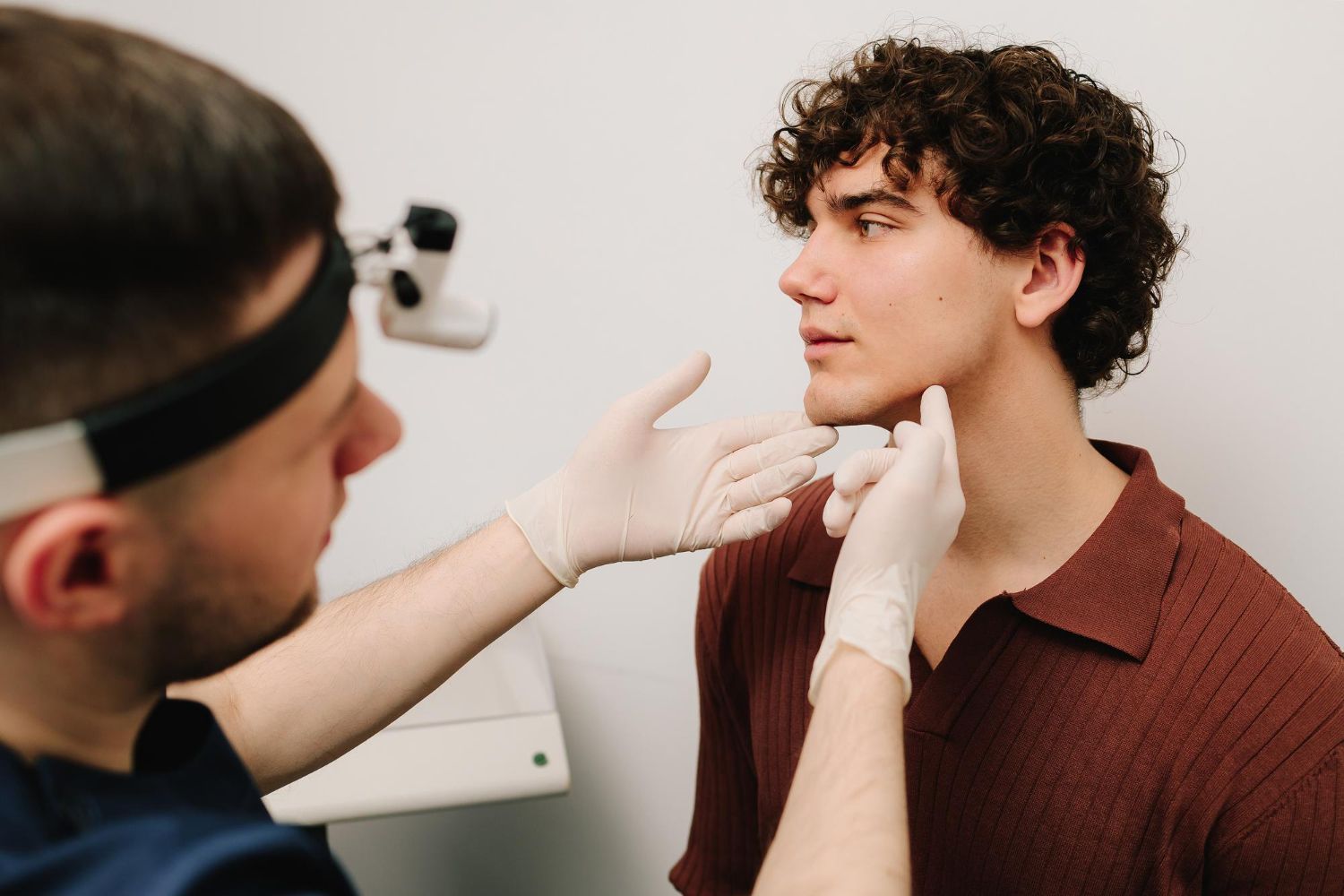
These signs can be related to simple muscle fatigue, or they can point to a deeper TMJ disorder. A careful evaluation is needed to tell the difference. At The Center for Sleep Apnea and TMJ, Dr. Cameron Kuehne looks at your jaw, bite, muscles, joint movement, posture, and daily screen habits as a whole.
If TMJ disorder is present, care often focuses on conservative options. These may include custom oral appliances designed to support the jaw joint, as well as targeted strategies for jaw care that fit your daily routine and screen use. By matching treatment to your lifestyle, TMJ disorder treatment in Meridian can support more comfortable days and better rest at night.
Take Charge of Your Jaw Health Before Summer Ends
Summer can be a good time to pay attention to habits that you might overlook during busier seasons. Phone posture, desk ergonomics, and headset use may seem small, but they often add up to big strain on the TMJ over time. A simple audit of how you sit, hold your devices, and react during intense screen time can reveal patterns that are worth changing.
At The Center for Sleep Apnea and TMJ in Meridian, Dr. Cameron Kuehne helps patients understand these patterns and create realistic plans for protecting the jaw. With small daily adjustments and the right professional guidance, it is possible to calm irritated muscles, support the TMJ, and move through your day with less pain and more comfort, in summer and all year long.
Relieve Jaw Pain And Restore Comfortable Sleep
If jaw pain, headaches, or clicking joints are affecting your daily life, we are here to help you find effective, lasting relief. Our team at CSAT Meridian - The Center For Sleep Apnea and TMJ provides individualized care for patients seeking
TMJ disorder treatment in Meridian. We will carefully evaluate your symptoms, explain your options in clear terms, and create a treatment plan tailored to your needs. To schedule an appointment or ask questions about your symptoms, please
contact us today.