Recognizing TMJ Treatment Needs After Jaw Injuries in Meridian
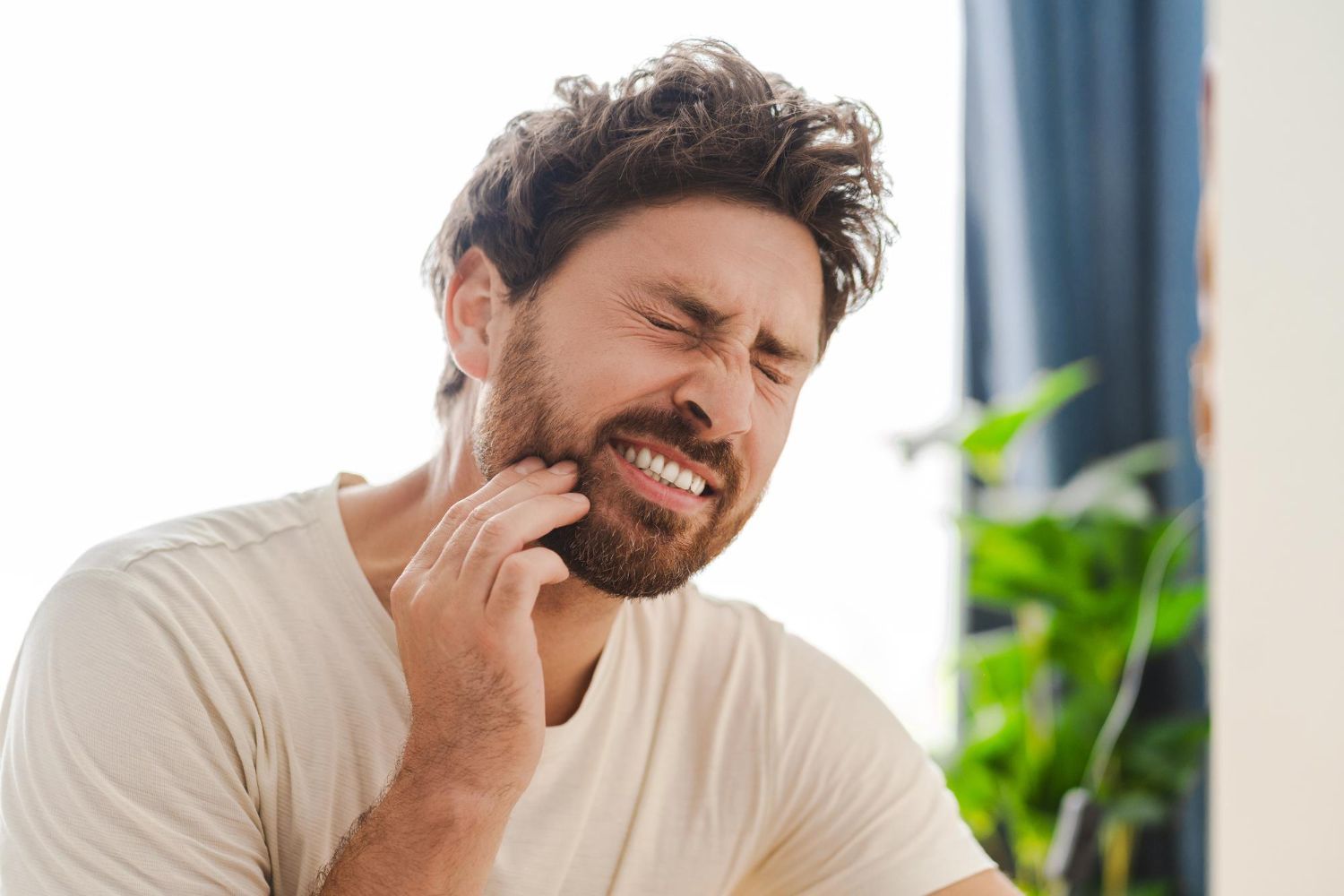
Spotting TMJ Trouble After Jaw Injuries
Jaw injuries can sneak up on you. One quick hit from a ball, a fall on a trail, or a sudden stop in the car can leave your jaw feeling a little sore, then you shrug it off and keep going. Weeks later, your jaw starts to hurt when you chew, your ear feels full, or your head aches for no clear reason. That is often when the temporomandibular joint, or TMJ, is quietly asking for attention.
Summer in Meridian often means more outdoor time, more sports, and more travel. With that comes more chances for jaw impacts, whiplash, or bumps to the chin. Even when the injury seems minor at first, the joint and muscles can change over time. Pain, clicking, or tightness may not show up until life slows down and you finally notice something is off.
At The Center for Sleep Apnea and TMJ, we see how often TMJ problems trace back to an old jaw hit. Dr. Cameron Kuehne focuses on careful TMJ evaluation, especially for people with a history of jaw trauma, so hidden issues do not turn into long-term problems. When you visit The Center for Sleep Apnea and TMJ, Dr. Cameron Kuehne looks for subtle signs that a past injury is affecting your jaw today.
How Jaw Injuries Can Damage the TMJ
The TMJ is the small hinge that connects your lower jaw to your skull, just in front of your ear. Inside that joint is a small disc that cushions movement. Ligaments hold the joint in place, and muscles around your face, neck, and shoulders help you chew, talk, and yawn.
During a fall, collision, or sports injury, that delicate system can get stressed or damaged. The disc may slide out of place. Ligaments can be stretched or torn. Muscles can tighten to protect the area, then stay tight long after the impact has passed.
Common problems that can follow a jaw injury include:
- Jaw locking open or closed, even for a moment
- Popping, clicking, or grinding when you chew or yawn
- A bite that suddenly feels different or "off"
- Tight, sore muscles in the jaw, temples, neck, or shoulders
Many people do not link these changes to an old hit to the jaw because the symptoms often start days or weeks later. That delay is one reason Dr. Cameron Kuehne takes a trauma-focused approach to TMJ care. At The Center for Sleep Apnea and TMJ, Dr. Cameron Kuehne looks closely at how the injury happened, how your jaw has felt since, and uses detailed exams and imaging when needed to look for joint changes that are not obvious from the outside.
Warning Signs You Need TMJ Disorder Treatment in Meridian
Not every sore jaw needs special care, but some signs should get your attention, especially if you have had a recent impact to the chin, jaw, or head. It is smart to pay attention if you notice:
- Jaw pain when chewing, yawning, talking, or laughing
- New clicks, pops, or grinding in one or both joints
- Headaches around the temples, forehead, or back of the head
- Ear fullness, ringing, or pressure without an ear infection
- Tenderness in the cheeks, jaw angle, or under the ears that lasts more than a week or two
Jaw injuries can also set off clenching and grinding, especially at night. Your body sometimes reacts to joint changes by tightening the muscles even more. That can lead to:
- Sore or stiff jaw in the morning
- Teeth that feel sensitive or worn
- Poor sleep and waking up tired
- A cycle of tension that makes the TMJ work even harder
When these patterns go on too long, the joint can slowly wear down, making it harder to eat, speak, and rest comfortably. Dr. Cameron Kuehne and The Center for Sleep Apnea and TMJ focus on early TMJ disorder treatment in Meridian so small changes are caught before they turn into long-term damage. An early visit with Dr. Cameron Kuehne can often interrupt this cycle before it becomes more serious.
What to Expect From Expert TMJ Evaluation and Care
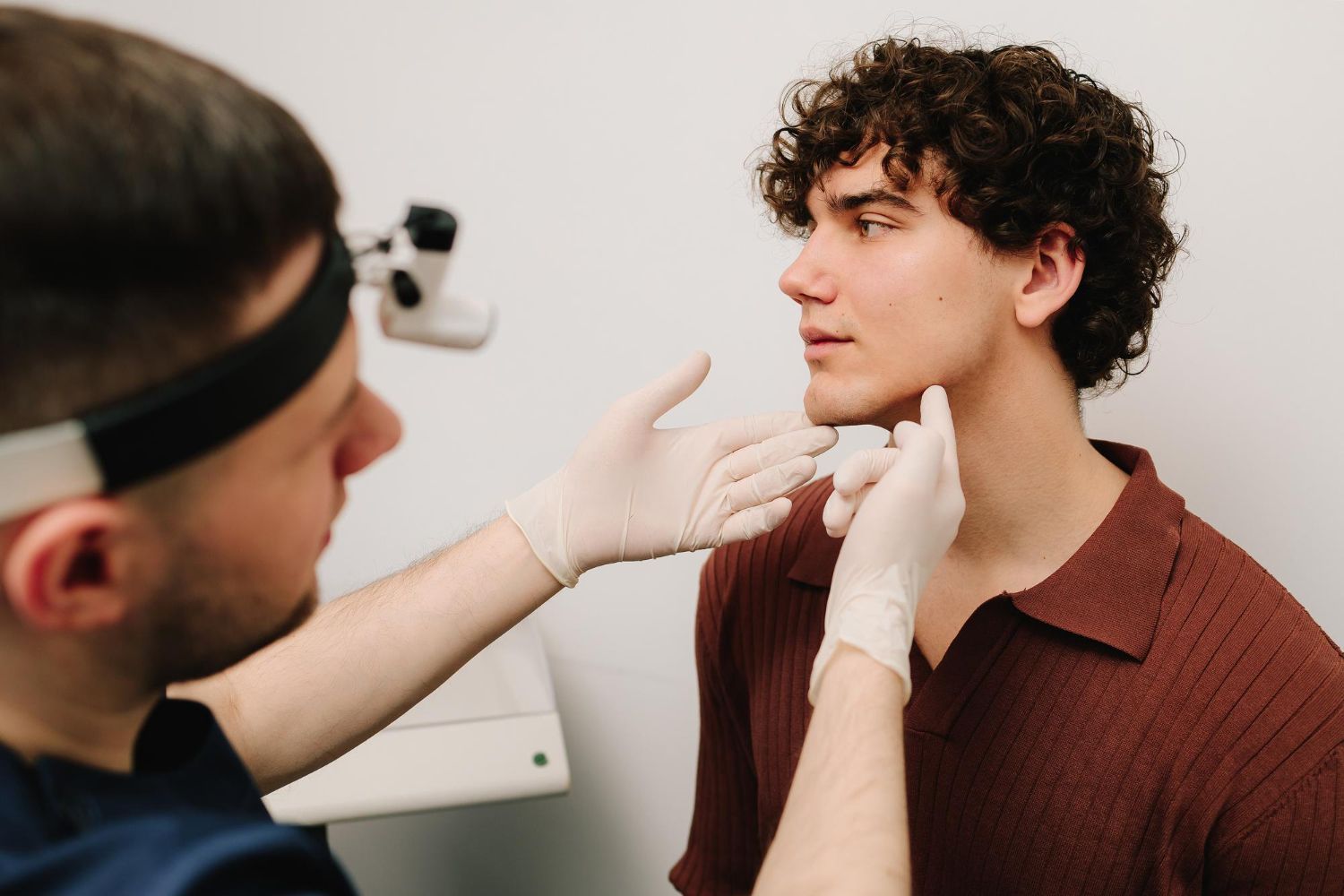
Many people feel nervous about TMJ visits because they are not sure what will happen. With Dr. Cameron Kuehne, the first step is always a careful look at your story. He wants to know how your injury happened, what your jaw felt like right after, and how your symptoms have changed over time.
A typical TMJ visit may include:
- A detailed talk about your injury, habits, and sleep
- Checking how wide and how evenly your jaw opens
- Feeling the jaw and neck muscles for tight or tender spots
- Listening and feeling for joint noises while you move your jaw
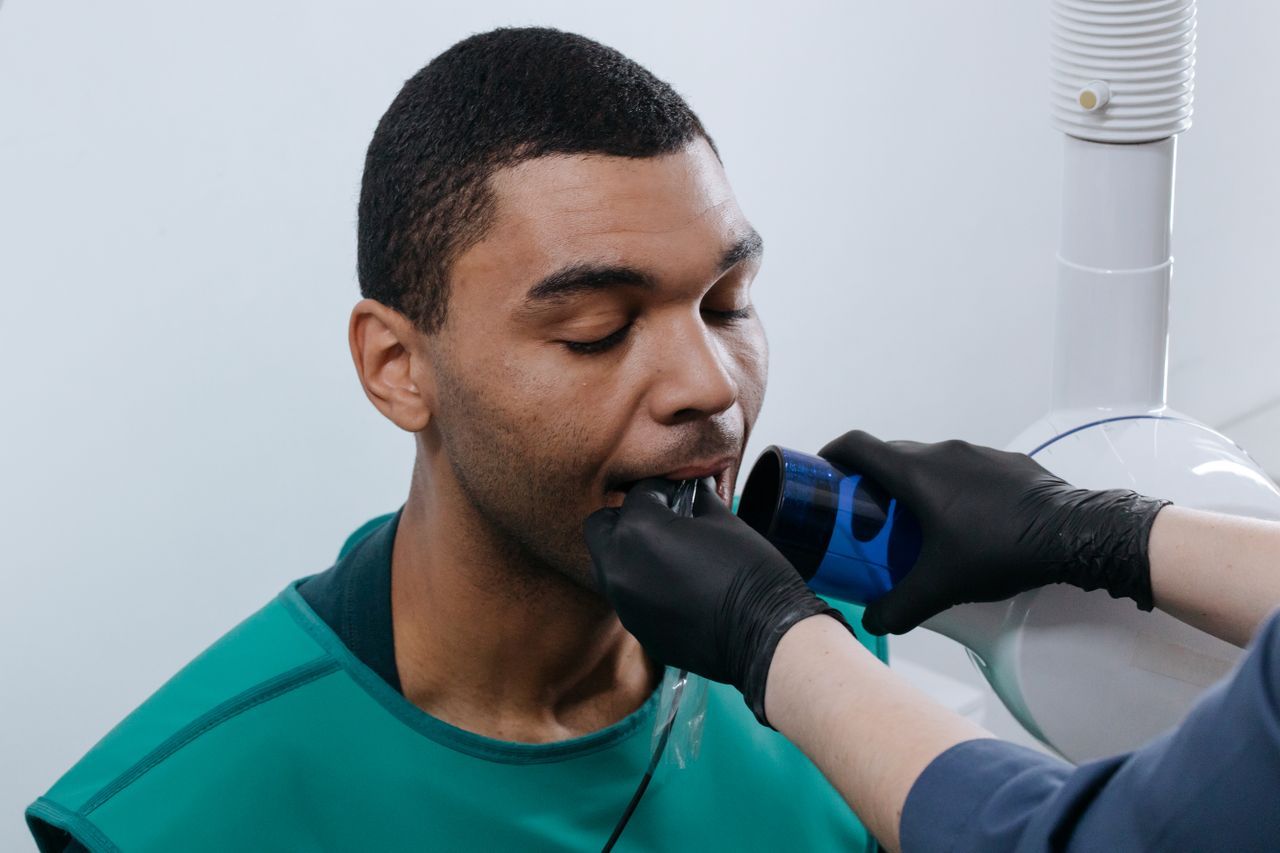
- Recommending imaging when needed to see inside the TMJ
From there, The Center for Sleep Apnea and TMJ focuses on conservative, non-surgical care when possible. Options may include:
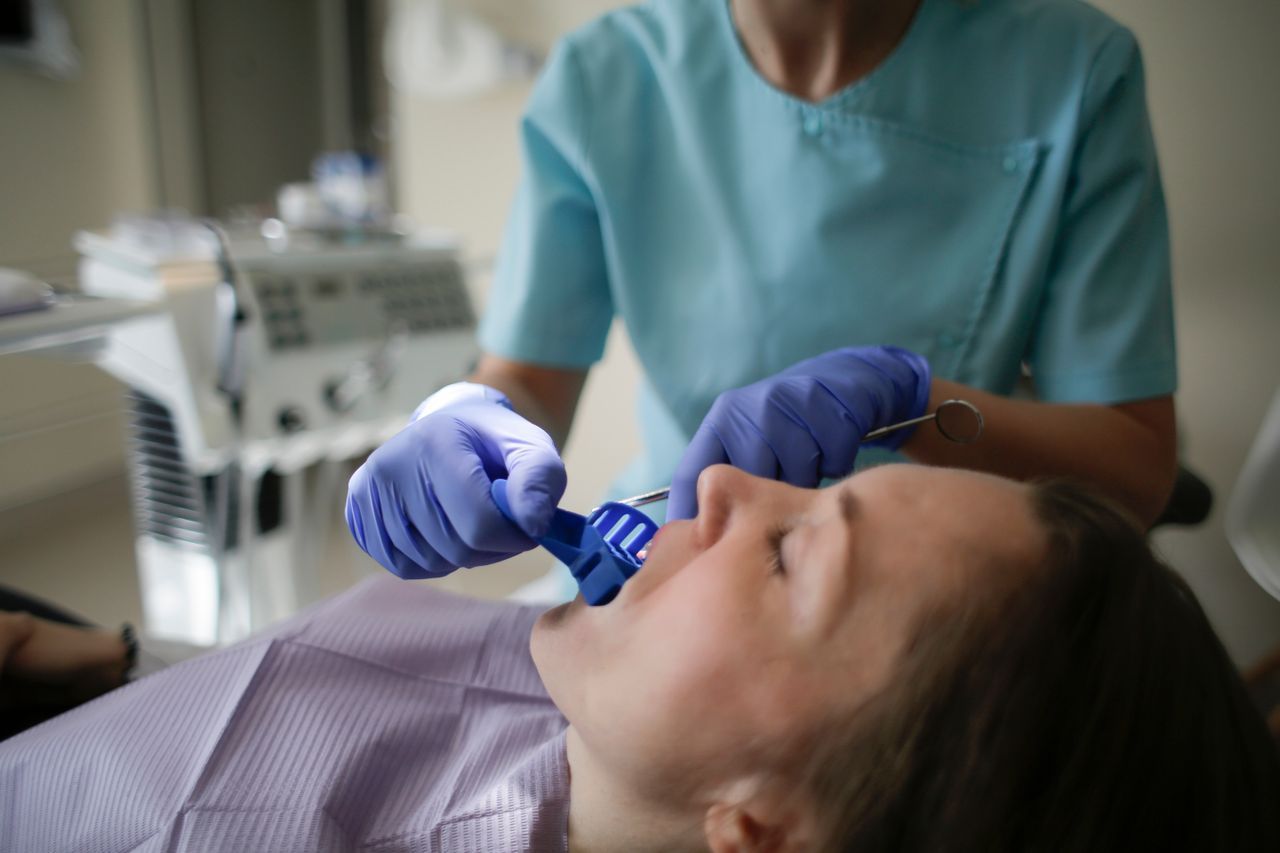
- Customized oral appliances to support and reposition the jaw
- Gentle therapies that calm overworked jaw and facial muscles
- Guidance on jaw-friendly habits to reduce daily strain
- Support for breaking clenching and grinding patterns
Dr. Cameron Kuehne shapes each plan around the person, not just the joint. Your injury history, current pain level, daily tasks, sports, and travel plans all matter. When you work with Dr. Cameron Kuehne at The Center for Sleep Apnea and TMJ, the goal is to help you get back to normal life with less pain, better function, and more confidence in your jaw.
Protecting Your Jaw During Summer Sports and Activities
The best TMJ problem is the one that never starts. Many jaw injuries can be reduced with a few simple steps, especially during active months. We often share these tips from Dr. Cameron Kuehne with patients who love sports and the outdoors:
- Wear a properly fitted mouthguard for contact or high-impact sports
- Use a helmet with good chin protection when needed
- Avoid using teeth to open packages or hold gear
- Be cautious during biking, hiking, and water sports where falls are common
If you do take a hit to the jaw, what you do next matters. Early care can help calm the area and protect the joint:
- Use ice packs on the jaw in short sessions to help with swelling
- Stick to soft foods and avoid big bites or chewy snacks for a bit
- Keep jaw movement gentle; avoid wide yawns if they hurt.
- Watch for pain, joint noises, or bite changes over the next days
Even if symptoms feel mild, a significant blow to the jaw is worth paying attention to. A quick TMJ check with Dr. Cameron Kuehne at The Center for Sleep Apnea and TMJ can help spot early warning signs and keep your plans, and your jaw, on track.
Take Charge of Jaw Pain Before It Becomes Permanent
Lingering jaw, face, or head pain after an injury is your body asking for help. TMJ trouble rarely fixes itself when joint and muscle changes are already in motion. With careful TMJ disorder treatment in Meridian, many people find they can protect their joints, ease pain, and rest more comfortably again.
The Center for Sleep Apnea and TMJ is dedicated to people who are tired of guessing what is wrong with their jaw. Dr. Cameron Kuehne focuses on detailed TMJ evaluation and tailored care so you can understand what is happening inside your joint and have a clear plan to move forward. By partnering with Dr. Cameron Kuehne and The Center for Sleep Apnea and TMJ, taking action now can help keep eating, talking, and enjoying your favorite activities from turning into a daily struggle with jaw pain.
Relieve Jaw Pain And Restore Comfortable, Restful Sleep
If jaw pain, clicking, or headaches are affecting your daily life, we invite you to explore how our personalized approach to
TMJ disorder treatment in Meridian can help. At CSAT Meridian - The Center For Sleep Apnea and TMJ, we carefully evaluate your symptoms to create a plan focused on long-term comfort and function. Reach out today through our
contact page to schedule a consultation and take the first step toward relief.