TMJ Self-Assessment: Red Flags to Treat Soon vs. Monitor at Home in Meridian

Stop Ignoring That Jaw Pain: Why Timing Matters
Jaw pain can start small. Maybe your jaw pops when you yawn, or your face feels tight after a long day. It is easy to brush it off, especially when life in Meridian is busy with work, travel, and time outside. But those little signs can be your body’s way of asking for help before things get worse.
TMJ disorders are problems with the jaw joints and the muscles around them. In simple terms, the hinge that lets you open and close your mouth is not working smoothly. At first, you might only notice clicking, mild soreness, or a feeling of pressure around your ears. Over time, that can grow into daily pain, trouble chewing, or sleep issues. Getting attention early can help you avoid bigger problems that are harder to calm down later.
At The Center for Sleep Apnea and TMJ in Meridian, we focus on jaw pain, TMJ problems, snoring, and sleep apnea. Dr. Cameron Kuehne is a university-trained craniofacial pain dentist who evaluates how your jaw, bite, and sleep all connect. When you understand the red flags, you can decide if it is safe to keep an eye on things at home or if it is time to see Dr. Cameron Kuehne for TMJ disorder treatment in Meridian.
Self-Check Basics: When Jaw Symptoms Are Mild
Some jaw symptoms are annoying but not always an emergency. These “yellow light” signs are worth tracking, even if you do not need care right away. Common mild TMJ symptoms can include:
- Occasional jaw clicking or popping without pain
- Mild stiffness after long talks, meetings, or phone calls
- Slight soreness after eating chewy foods
- Rare morning jaw tiredness that fades quickly
A simple way to check yourself is to think about everyday activities. Ask yourself:
- Can you open your mouth wide enough to eat foods like burgers or corn on the cob without pain?
- Can you laugh and talk through a long family event without your jaw getting very sore?
- Does your jaw only feel tired once in a while, not every single day?
If your symptoms are mild and seem to come and go, it can help to keep a short log. Use a notebook or your phone and write down:
- What you were doing when the jaw bothered you
- How long the discomfort lasted
- How strong the pain was on a simple 1 to 10 scale
- Any patterns, like stress, certain foods, or long drives
This kind of tracking makes it easier to notice when things are changing. If you start to see the same problem show up more often, or the pain number slowly climbing, that can be a sign it is time to talk with Dr. Cameron Kuehne about TMJ disorder treatment in Meridian.
Red Flag Symptoms You Should Never Ignore
Some TMJ symptoms are more serious. These “red flags” mean self-monitoring is not enough and you should get a professional evaluation soon. Pay close attention if you notice:
- Sharp or constant jaw pain on one or both sides
- Pain that wakes you up at night or keeps you from falling asleep
- Frequent locking, catching, or “sticking” of the jaw
- A sudden change in how your teeth fit together when you bite
- Trouble opening your mouth fully, like struggling to take a normal bite or yawn
TMJ issues do not always stay in the jaw. They can spread into the face, head, and even the ears. More serious signs can include:
- Repeated headaches or facial pain, especially around the temples or cheeks
- Ear pain, ringing, or a deep feeling of fullness without an ear infection
- Dizziness or a sense of imbalance that seems tied to jaw pain
- Sore jaw muscles linked to clenching or grinding, especially during times of stress
These symptoms can point to more stress on the jaw joints and muscles. If you keep pushing through, the joints can become more irritated, your bite can shift, and pain may become harder to control. Early TMJ disorder treatment in Meridian with The Center for Sleep Apnea and TMJ and Dr. Cameron Kuehne can help calm the joint, protect it from more damage, and give you safer options before things get severe.
Sleep, Snoring, and Jaw Pain: The Overlooked Connection
Many people are surprised to learn that jaw problems and sleep problems often show up together. When the jaw joints or muscles are strained, the body may respond with nighttime clenching or grinding. The way your lower jaw rests when you sleep can also affect your airway, which can connect to snoring or disrupted sleep. Changes in your routine, like different pillows, new beds, or later nights, can make these patterns easier to notice.
A quick nighttime self-check can be helpful. Ask yourself or your sleep partner if:
- You wake with jaw soreness or tightness most mornings
- You see teeth marks on your tongue or the inside of your cheeks
- You get morning headaches that are dull and repeat often
- Someone has noticed grinding sounds or noisy breathing, along with your jaw discomfort
At The Center For Sleep Apnea and TMJ, Dr. Cameron Kuehne looks at the whole picture, not just one symptom. That includes your jaw movement, bite, muscles, and sleep-related complaints. Customized oral appliance therapies are used to support a healthier jaw position and create a more comfortable rest for many people. These appliances are designed and adjusted with your jaw joints and muscles in mind, not just your teeth.
Why Oral Appliance Care Is Different From “Wait and See”
Resting your jaw at home, eating softer foods for a while, or avoiding gum might help short-term, but it does not address how your jaw joints and muscles are working. TMJ disorder treatment in Meridian from a dental sleep center that focuses on craniofacial pain is more targeted.
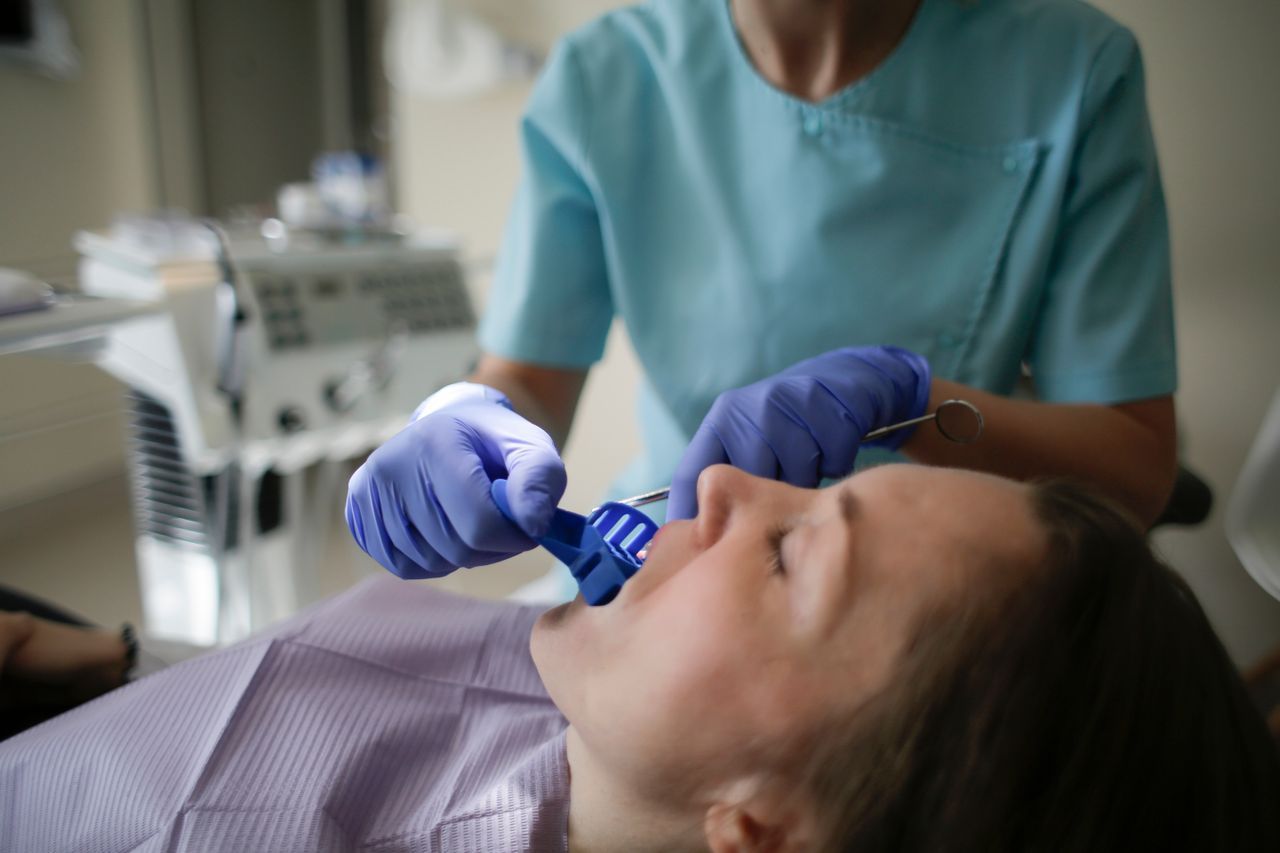
Custom oral appliances, designed and fitted by Dr. Cameron Kuehne at The Center For Sleep Apnea and TMJ, are different from store-bought guards. In general, these appliances can help:
- Reduce strain on the jaw joints by guiding your bite into a more stable position
- Support more balanced jaw muscle activity
- Protect teeth from clenching and grinding forces
- Work together with other conservative steps your provider recommends
People often worry that an appliance will feel bulky or make it hard to sleep or speak. Custom devices are made to fit your mouth and are adjusted over time, which usually makes them easier to wear. There can be a short adjustment period as your mouth gets used to the new shape, but having a dentist like Dr. Cameron Kuehne guide you is much safer than trying generic mouthguards or DIY options that might actually stress your jaw more.
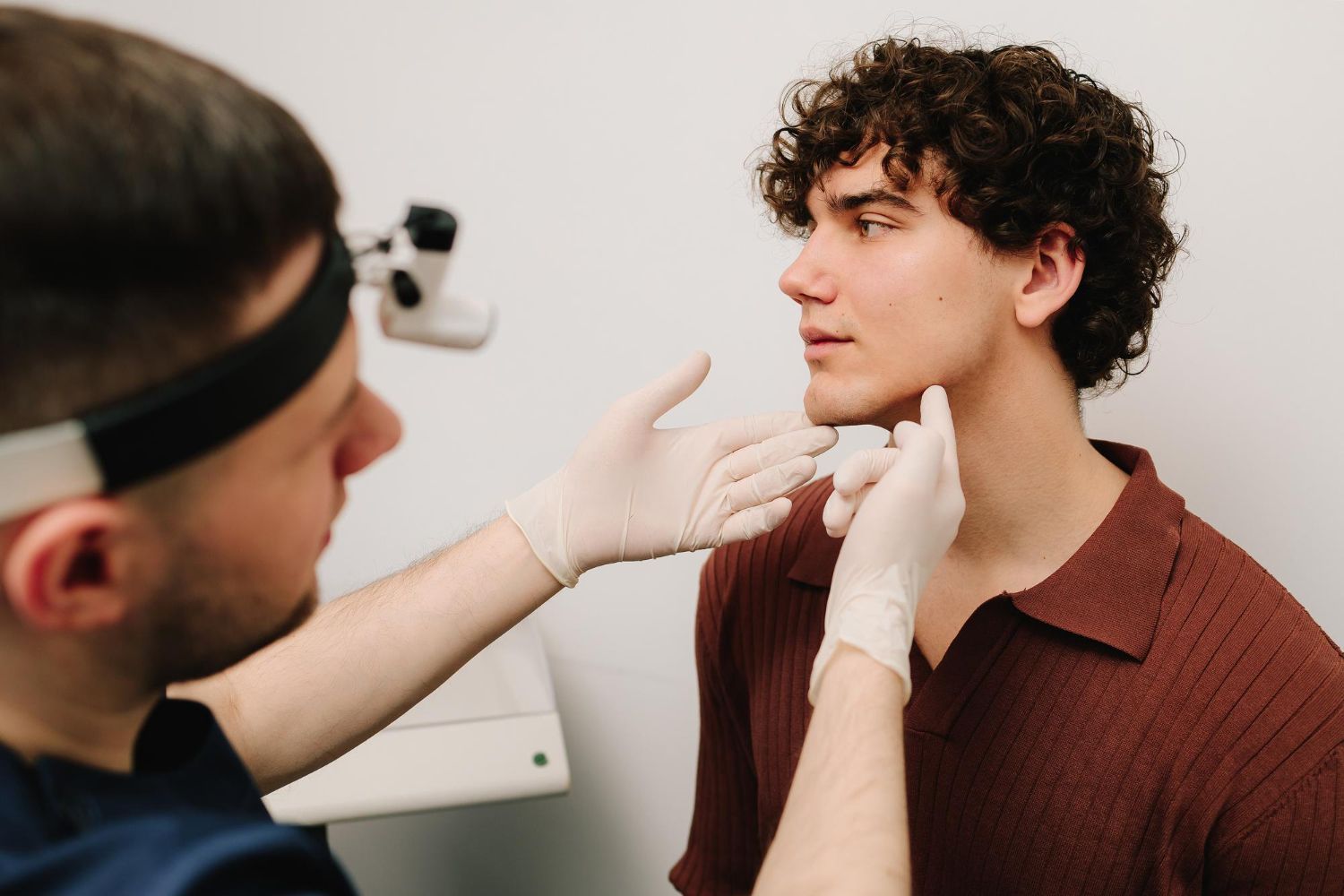
A dentist trained in craniofacial pain can check your joints, muscles, and bite, then decide whether an oral appliance, other conservative care, or a mix of approaches fits your needs. This is very different from just waiting and hoping the pain settles down on its own.
Your Next Steps: Simple Checklist Before You Call
Before you make any decisions, it can help to gather a clear picture of your symptoms. Over one or two weeks, try to:
- Log jaw pain, stiffness, or noises, and what you were doing when they appeared
- Mark any red flags, like pain at night, locking, changes in your bite, or trouble opening
- Note sleep-related issues such as clenching, grinding sounds, snoring, or morning soreness
- Rate how your jaw feels during eating, talking, and yawning on a simple 1 to 10 scale
If your symptoms are mild, infrequent, and clearly getting better with rest and gentle care, it may be reasonable to keep watching them at home for a short time. But if you notice persistent pain, trouble chewing, jaw locking, bite changes, or a mix of jaw and sleep problems, it is a sign that your jaw needs a closer look.
The Center For Sleep Apnea and TMJ in Meridian is here to help you sort out what your symptoms mean. Dr. Cameron Kuehne can evaluate your jaw joints, muscles, and airway, then talk with you about whether conservative, oral appliance-focused TMJ disorder treatment in Meridian is the right step now instead of waiting for things to get worse.
Relieve Jaw Pain And Restore Comfortable Sleep
If TMJ pain, headaches, or jaw stiffness are affecting your daily life, we can help you find lasting relief with personalized care. Our team at CSAT Meridian - The Center For Sleep Apnea and TMJ provides targeted therapies designed to address the root cause of your symptoms, not just mask them. Learn how our specialized
TMJ disorder treatment in Meridian can improve your comfort, protect your teeth, and enhance your sleep quality. To schedule an appointment or ask questions, simply
contact us.