TMJ Red Flags: When to Seek Treatment vs. Try Self-Care in Meridian

When Jaw Pain and Headaches Start Hijacking Your Days
Jaw pain and headaches have a way of sneaking into everything, from work meetings to family plans. When your jaw hurts each time you chew or you wake up with a pounding head, it is hard to enjoy your day, no matter how nice the weather is outside. Many people in Meridian notice these problems more when life gets busier and schedules shift.
TMJ disorders affect the jaw joints, the muscles that help you chew, and the way your teeth fit together. Some symptoms are mild and can calm down with short-term self-care. Other symptoms are red flags that should not wait and may need TMJ disorder treatment in Meridian.
At The Center for Sleep Apnea and TMJ, we focus on conservative, non-surgical care. Dr. Cameron Kuehne works with patients who are dealing with jaw pain, headaches, and related issues that make daily life harder. Our goal here is to help you see when simple steps at home might be enough for a short time, and when it is smarter to get checked by Dr. Cameron Kuehne before things get worse.
Common TMJ Symptoms You Can Monitor at Home
Many people first notice TMJ problems in small ways. These early signs are easy to brush off, but they are worth paying attention to.
Common mild symptoms include:
- Occasional jaw soreness after a long day
- Brief morning stiffness that fades in an hour or two
- Clicking or popping in the jaw without sharp pain
- Mild fatigue in the jaw after chewing something tougher
These can show up more when habits change, like:
- Chewing more gum
- Eating tougher foods off the grill
- Clenching during long drives or travel
- Hunching over phones or laptops for hours
For mild symptoms that are not getting worse, it is often reasonable to try short-term self-care, such as:
- Choosing softer foods for a week
- Skipping gum and chewy snacks
- Paying attention to posture and screen height
- Gently resting the jaw by not forcing wide opening
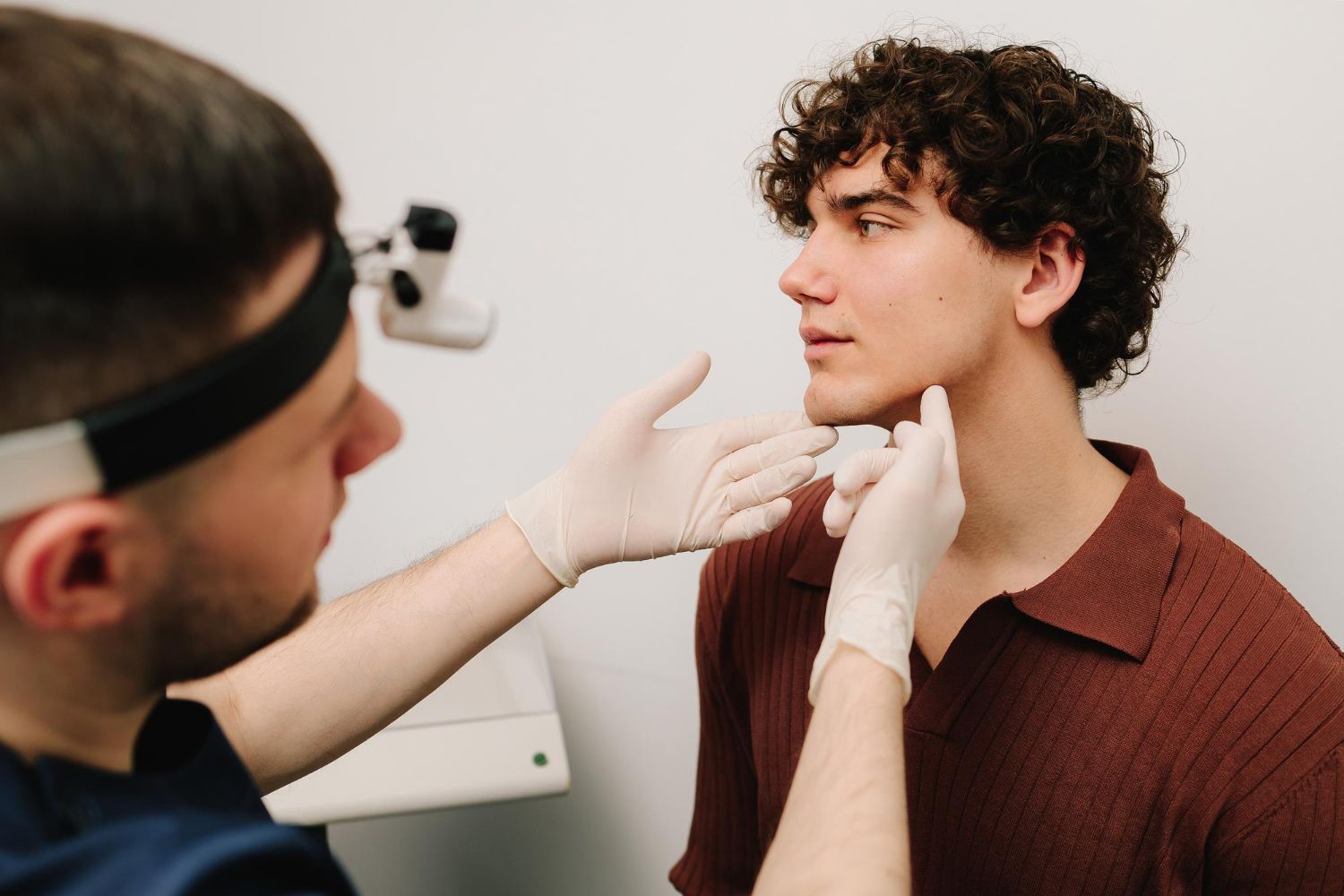
Even with these milder problems, an evaluation with Dr. Cameron Kuehne can help you know what is actually going on. He can let you know which habits are safe to change on your own and when a custom plan might prevent bigger issues later.
Red Flag TMJ Signs You Should Never Ignore
Some TMJ symptoms point to a more serious problem that should not be put off. These are the signs that usually mean you should seek TMJ disorder treatment in Meridian sooner rather than later.
Red flag signs include:
- Your jaw locks open or closed, even for a moment
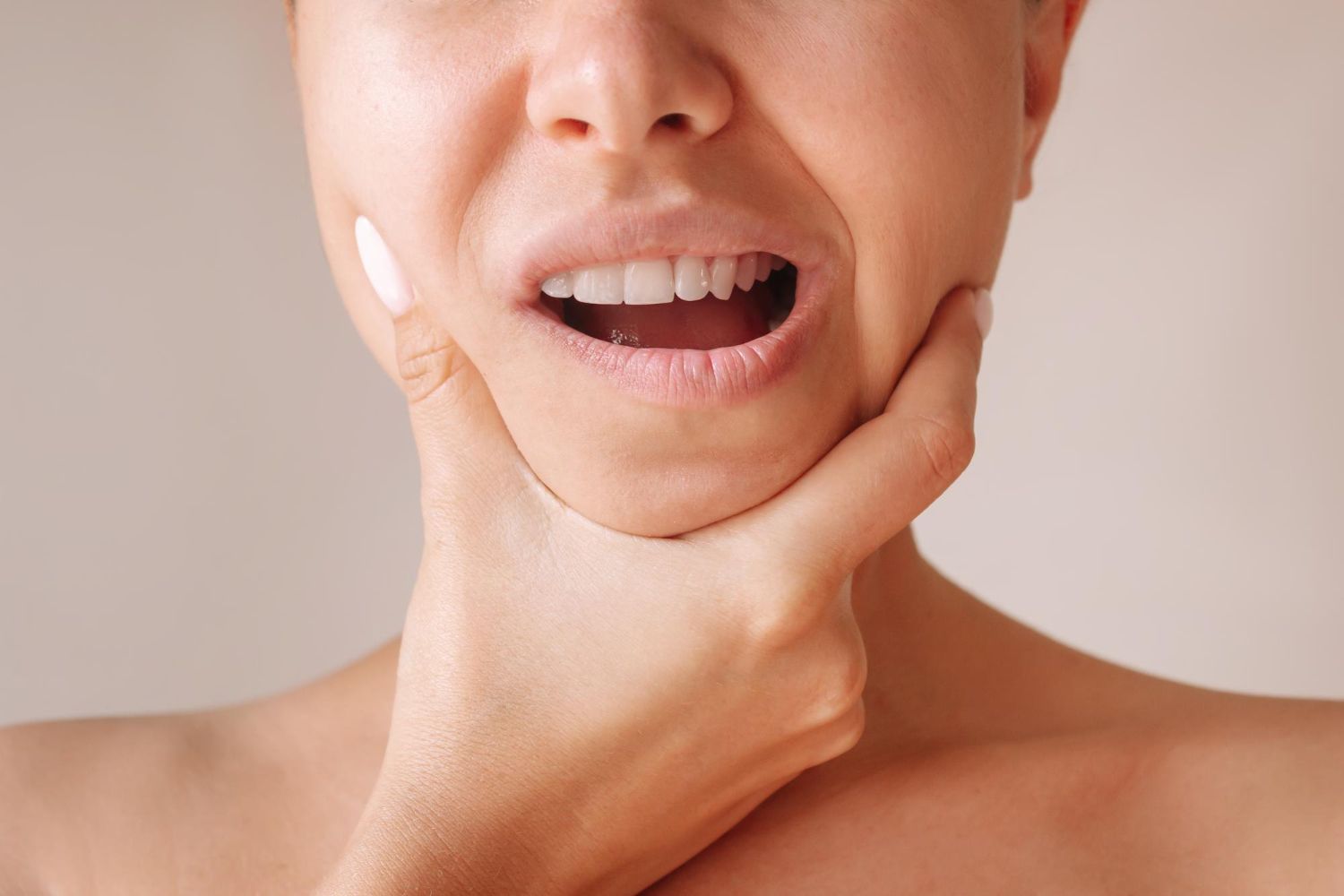
- Sharp, sudden, or steadily worsening jaw pain
- Pain or trouble when chewing normal foods
- Feeling like you cannot open your mouth as wide as before
Other warning signals to take seriously:
- Pain that spreads into your face, neck, or shoulders
- Headaches or migraines that keep coming back
- Ear pain, fullness, ringing, or pressure with no ear infection
- Dizziness or a sense of being off-balance
When TMJ problems are ignored, they can put more strain on the joints, teeth, and muscles. Over time this can lead to more wear on your bite, more frequent pain, and a longer road to relief. Dr. Cameron Kuehne is trained to look at the full picture and to decide when jaw symptoms could be part of something more serious. At The Center for Sleep Apnea and TMJ, we encourage early evaluation so that small problems stay small.
When Jaw Issues Affect Sleep, Breathing, and Daily Focus
Jaw problems do not only affect chewing. For many people, TMJ issues show up at night and carry over into the next day. If you grind or clench your teeth while sleeping, your jaw joints and muscles work overtime when they should be resting.
Signs that jaw and sleep issues might be linked include:
- Waking with jaw pain or tightness
- Morning headaches that ease slowly through the day
- Teeth that feel sore or sensitive in the morning
- A bed partner mentioning loud snoring or jaw clenching sounds
The Center for Sleep Apnea and TMJ focuses on oral appliance-based care that supports jaw position and airway health. We do not offer CPAP or sleep studies, but we work with how your jaw, bite, and airway work together. Dr. Cameron Kuehne looks at how your TMJ symptoms, sleep concerns, and daily function line up so that jaw pain at night does not keep draining your energy and focus during the day.
Self-Care or Call Now: How to Decide
It can be hard to know when to give things a little time and when to take action. A simple way to think about it is to watch both the strength of the symptoms and the trend over a short period.
Self-care may be reasonable to try when:
- Symptoms are mild and only show up once in a while
- You can eat and talk normally
- Pain eases with rest and softer foods
- Things are clearly improving over 1 to 2 weeks
You should consider prompt evaluation with Dr. Cameron Kuehne when:
- Jaw pain is getting stronger or more frequent
- Your jaw locks or feels close to locking
- You cannot open as wide as you used to
- Pain or tension is waking you at night or ruining sleep
Different groups may notice different triggers. Teens in sports may clench during practice or games. Busy parents might notice jaw pain from stress and rushing meals. Professionals on devices all day may feel it from poor posture and tension. In each case, a short trial of rest and softer use of the jaw is fine, but any red flag sign or lack of improvement is a good reason to get a professional opinion.
How Conservative TMJ Care Protects Your Jaw Long Term
Many people worry that TMJ care will always lead to surgery. At The Center for Sleep Apnea and TMJ, our focus is conservative treatment built around comfort and function, not invasive steps.
Depending on what Dr. Cameron Kuehne finds, your plan may include:
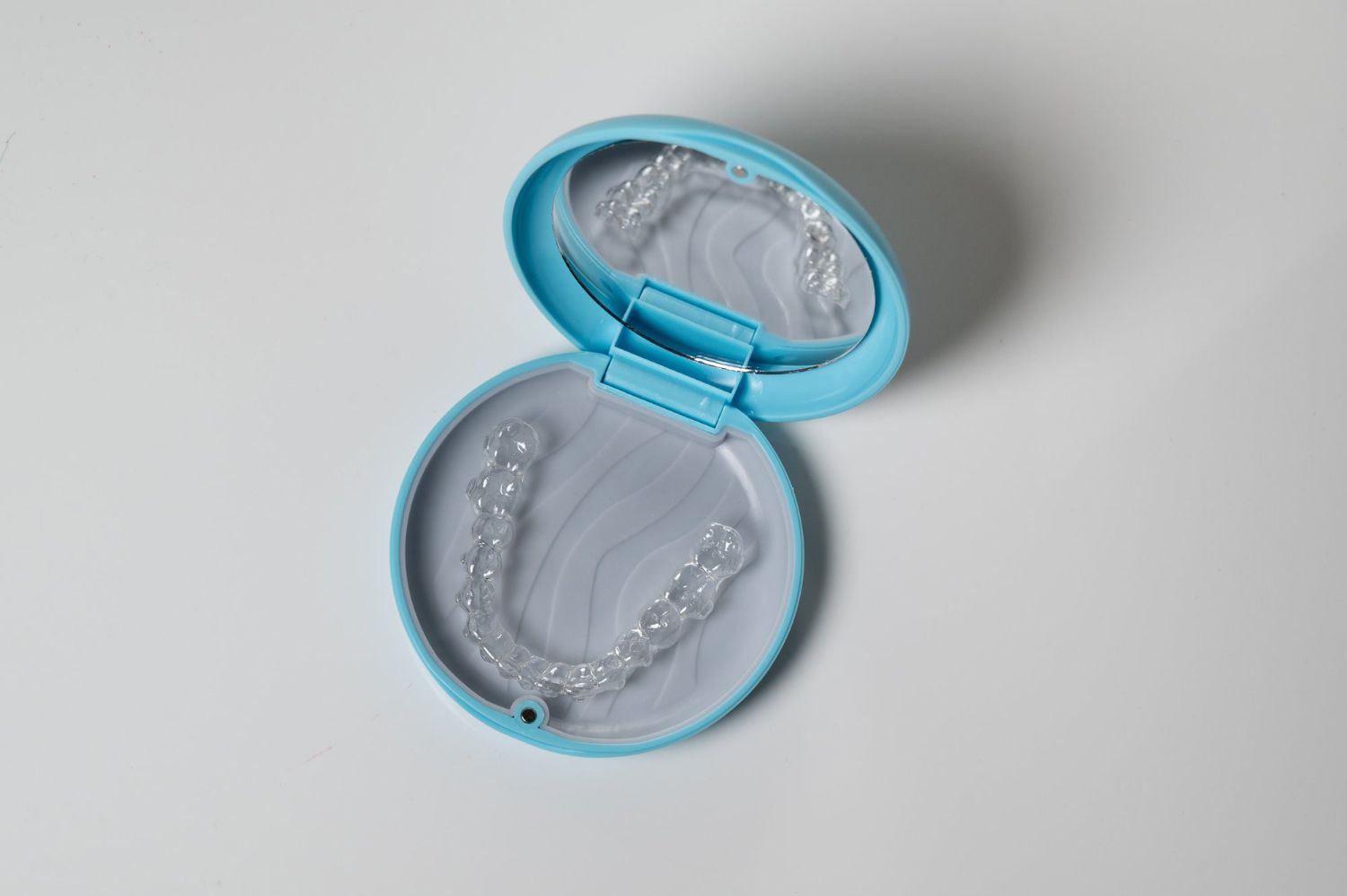
- Custom oral appliances to support the jaw in a healthier position
- Adjustments to how your teeth meet to reduce strain
- Guided jaw exercises to improve movement and control
- Lifestyle changes to lower jaw stress during work, sports, and sleep
Dr. Cameron Kuehne does not use a one-size-fits-all approach. He looks at your specific pain patterns, how your jaw moves, your sleep concerns, and the demands of your typical day. When TMJ disorder treatment in Meridian starts early and is tailored to you, there is often a better chance to avoid more invasive options later and to protect jaw comfort and sleep over the long term.
Pay Attention Now so TMJ Pain Does Not Take Over
If you notice jaw clicking with pain, limited opening, headaches that keep returning, or jaw tension that interferes with sleep, your body is giving you information. Use the red flag signs in this guide as a quick check. Mild, improving symptoms may respond to a short stretch of careful self-care. Persistent, worsening, or sleep-disrupting symptoms are a sign to involve a professional.
At The Center for Sleep Apnea and TMJ, Dr. Cameron Kuehne works with Meridian residents who want clear answers and a plan that fits real life. Paying attention early is a simple, smart way to protect your jaw, ease pain, and support more restful sleep so that daily routines and special plans are not controlled by TMJ problems.
Relieve Jaw Pain And Restore Comfortable Sleep
If jaw pain, headaches, or clicking joints are disrupting your day or keeping you up at night, we are here to help you find real relief. At CSAT Meridian - The Center For Sleep Apnea and TMJ, our team provides personalized care focused on long-term comfort and function through comprehensive
TMJ disorder treatment in Meridian. We will carefully evaluate your symptoms, explain your options, and build a treatment plan that fits your life. To schedule an appointment or ask questions about your symptoms, please
contact us today.