Recognizing Subtle TMJ Symptoms in Meridian with Dr. Cameron Kuehne

Catch TMJ Warning Signs Before Summer Adventures
Jaw pain, ear noise, and stubborn headaches can sneak into your day so quietly that they start to feel normal. Long days, more talking, and extra time on the road can make those small symptoms harder to ignore, especially as activities pick up in Meridian.
Many people do not realize that these nagging issues can be tied to the temporomandibular joint, often called the TMJ. When this joint or the muscles around it are under strain, even simple things like chewing a sandwich or chatting with friends can feel tiring or uncomfortable.
At The Center for Sleep Apnea and TMJ, Dr. Cameron Kuehne focuses on finding these subtle TMJ problems before they turn into constant pain or limit what you enjoy. Our goal is to help you notice the warning signs early, so you can move through busy days with more comfort and less stress on your jaw.
What TMJ Disorder Really Is and Why It Hides
Your TMJ is the small but powerful joint that connects your lower jaw to the base of your skull. It lets you open and close your mouth, talk, chew, sing, yawn, and smile. When it is working well, you barely think about it. When something is off, you might feel pain, tightness, or odd sounds, often in more than one area of your head and neck.
TMJ disorder happens when this joint, the nearby muscles, or your bite are not working together smoothly. The problem can show up in many different ways, such as:
- Jaw joint pain or soreness
- Muscle tenderness in the cheeks or temples
- Trouble opening wide or moving the jaw evenly
- A bite that feels different from one day to the next
TMJ disorder can be tricky to spot. Symptoms may:
- Come and go, so they are easy to shrug off
- Feel like sinus pressure or ear trouble
- Be blamed on stress, screen time, or getting older
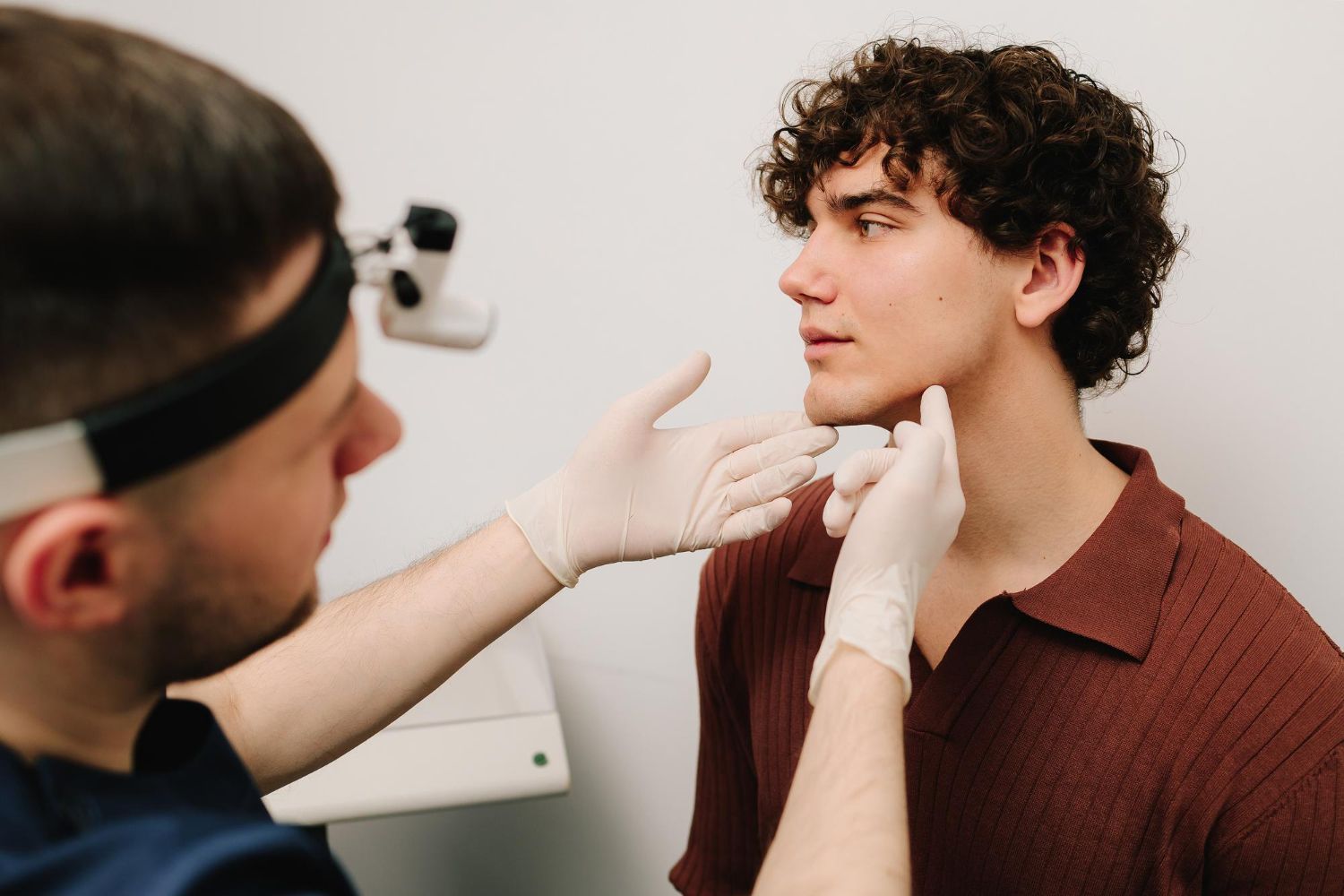
Dr. Cameron Kuehne looks closely at how your jaw moves, how your teeth meet, and how your facial and neck muscles are working together. At The Center for Sleep Apnea and TMJ, he pays attention to small details in your jaw function that often get missed, which can uncover hidden TMJ issues that are quietly affecting your day.
Subtle Everyday Symptoms You Should Not Ignore
Not all TMJ problems hit you with sharp pain. Many start with quiet, nagging symptoms that pop up during normal daily life. You might notice:
- Jaw fatigue after long conversations or phone calls
- Mild jaw stiffness when you wake up in the morning
- Faint clicking, popping, or grating sounds when you chew
- A jaw that sometimes feels like it shifts or slips slightly out of place
These signs can be easy to brush aside, especially if they are not very painful. Still, they are signals that your TMJ may be under extra strain.
Other symptoms can show up away from the jaw, which makes them even easier to misread. TMJ disorder can sometimes be linked with:
- Ear fullness or pressure without an ear infection
- Ringing in the ears
- Sinus-like pressure in the cheeks or around the eyes
- Facial tenderness, especially around the jaw or temples
- Tightness in the neck and shoulders
On their own, these issues might not seem like a jaw problem. Dr. Cameron Kuehne spends time connecting these scattered clues, listening carefully as you describe when and where you feel discomfort. By looking at the whole picture, he helps patients in Meridian see when everyday annoyances may actually point to TMJ disorder.
Headaches, Sleep, and Stress: Hidden TMJ Connections
Frequent headaches can have many causes, but the jaw is often part of the story. When the muscles around your TMJ are tense or overworked, they can send pain into your temples, forehead, or the back of your head. Long, active days and extra talking or chewing can make those headaches more common or more intense.
Nighttime habits also play a big role. Many people clench or grind their teeth while they sleep without knowing it. Signs this might be happening include:
- Waking with sore or tight jaw muscles
- Morning headaches that fade later in the day
- Teeth that feel sensitive or worn
- A bed partner noticing grinding sounds at night
These patterns can drain your energy and make it hard to feel rested, even if you are spending enough hours in bed. TMJ problems can link your jaw, your sleep, and your stress into one ongoing cycle.
At The Center for Sleep Apnea and TMJ, Dr. Cameron Kuehne looks for these connections. He asks about your sleep, daily stress, and headache patterns, then checks how your jaw and bite are working. By tying these pieces together, he builds a clearer picture of how TMJ disorder may be shaping your comfort, focus, and daily energy.
Gentle, Non-invasive TMJ Disorder Treatment in Meridian
When you are already dealing with pain or tension, the idea of aggressive treatment can feel overwhelming. That is why our focus at The Center for Sleep Apnea and TMJ is on conservative, non-invasive care that aims to improve comfort and function without surgery.
Dr. Cameron Kuehne uses tools and methods designed to ease strain on the TMJ and support more natural jaw movement. Treatment may include:
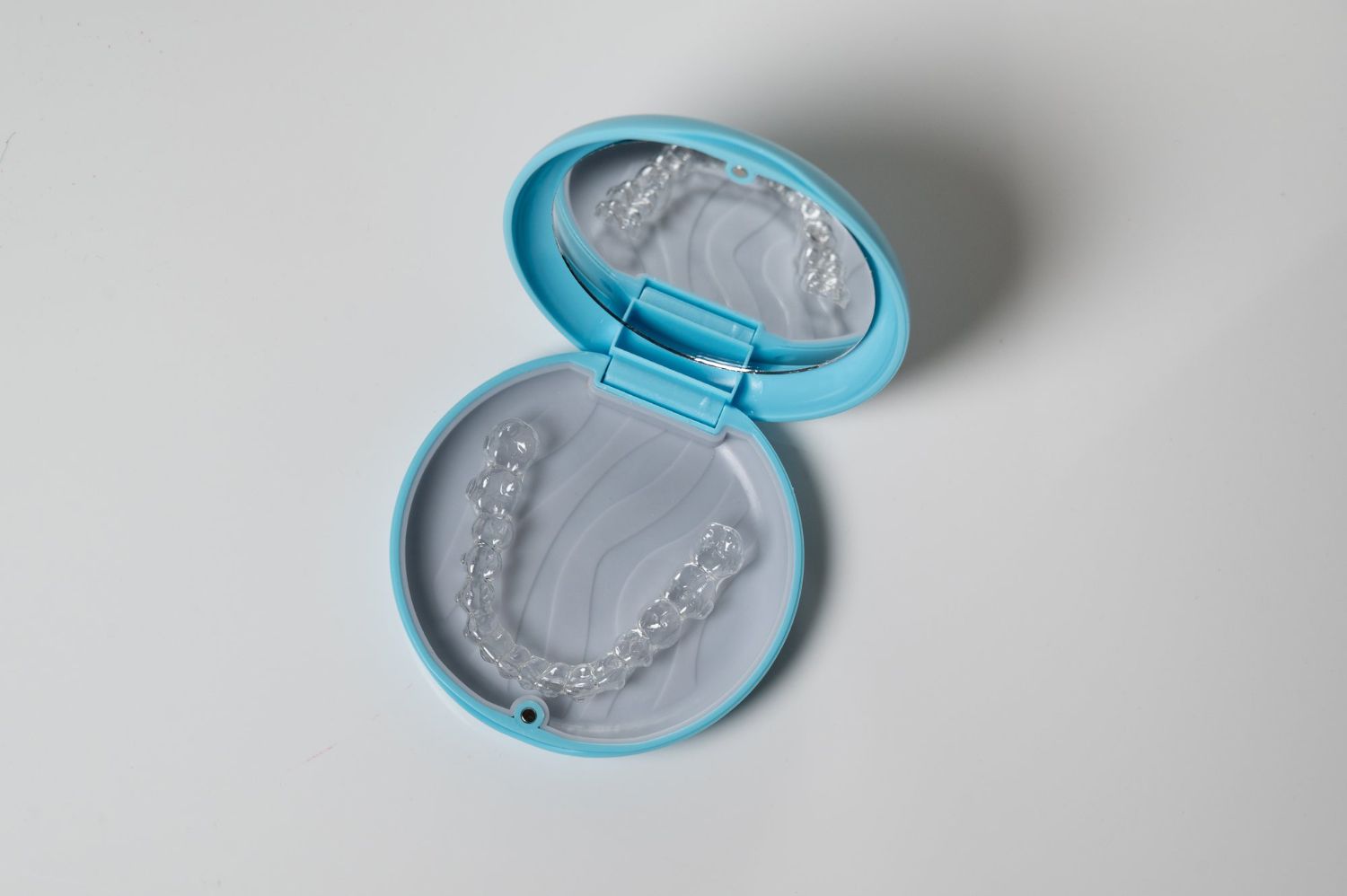
- Customized oral appliances that guide the jaw into a more balanced position
- Bite adjustments to reduce uneven pressure on certain teeth
- Tailored jaw guidance to support smoother, healthier motion
The goal of TMJ disorder treatment in Meridian is long-term relief, not just a quick fix for pain. Benefits can include:
- Less jaw soreness and stiffness
- Fewer or milder headaches
- Easier chewing and talking
- More restful sleep and better daytime comfort
These changes can make daily life feel lighter, whether you are working, traveling, or spending time outdoors.
How Dr. Cameron Kuehne Personalizes TMJ Care
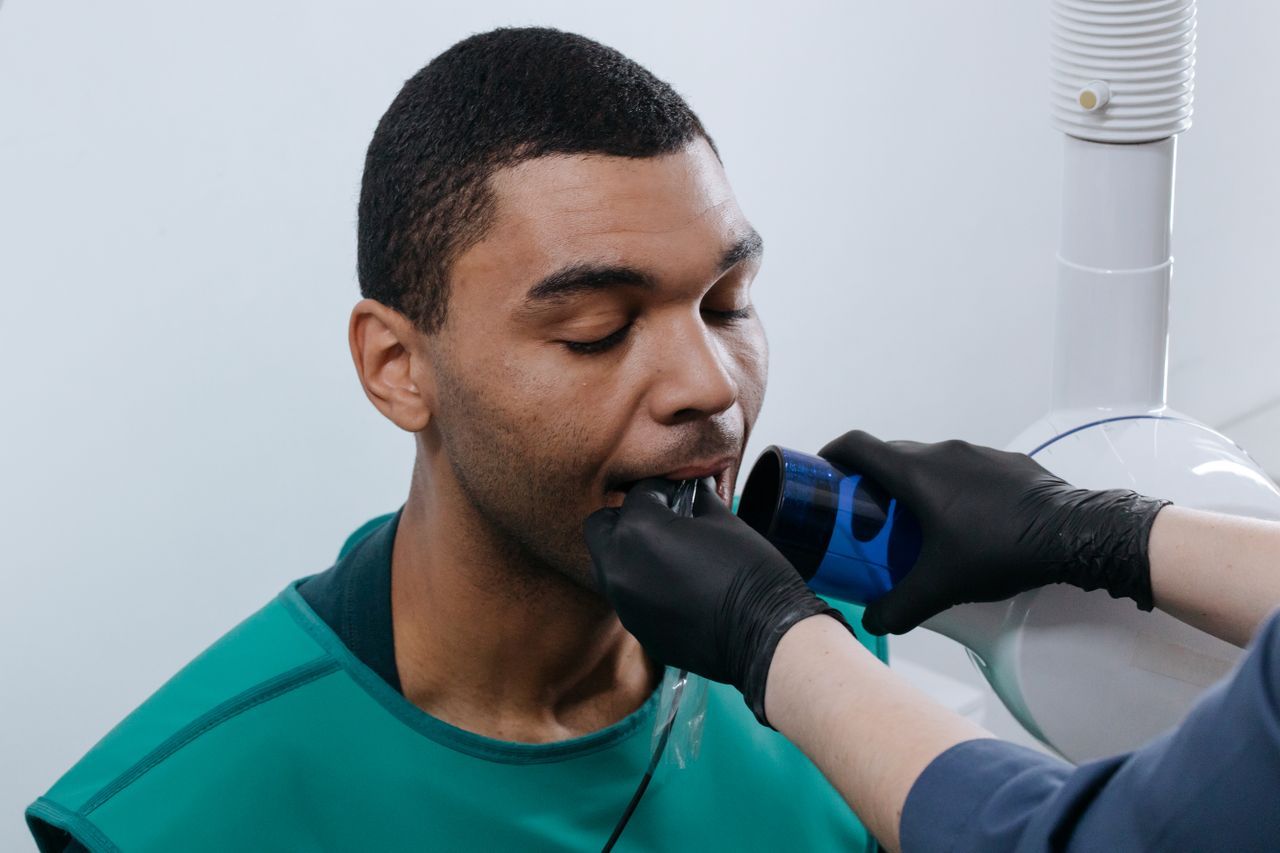
Every jaw is different, and every schedule is different too. That is why Dr. Cameron Kuehne personalizes TMJ care instead of using a one-size-fits-all plan. The process usually starts with a thorough evaluation that may include:
- A detailed medical and dental history
- A review of symptoms, including when they started and what affects them
- An exam of jaw movement, joint sounds, and muscle tenderness
- A close look at how your teeth come together when you bite and chew
Just as important, Dr. Cameron Kuehne listens to how TMJ symptoms fit into your daily life. He takes into account:
- Your work demands and how much you talk during the day
- Hobbies or sports that might affect your jaw or posture
- Sleep patterns and nighttime habits
From there, he designs a TMJ plan that matches your real life, not an ideal schedule that no one can follow. As you move through care, we provide ongoing support at The Center for Sleep Apnea and TMJ. Follow-up visits, oral appliance adjustments, and clear guidance help you protect your progress and keep your jaw feeling as steady and comfortable as possible over time.
Take the Next Step Toward a More Comfortable Summer
Over the next few weeks, it can help to pay closer attention to what your jaw is telling you. Notice if you feel clicks or pops when you chew, if your jaw feels tired after talking, or if you wake with facial tension or headaches. Also note any ear fullness, cheek pressure, or neck tightness that comes and goes.
Writing these details down can make it easier for Dr. Cameron Kuehne to see patterns and decide if TMJ disorder treatment in Meridian is a good next step for you. Bringing notes about your symptoms, what seems to trigger them, and when they are worst can help make your visit to The Center for Sleep Apnea and TMJ more focused and productive, and can open the door to a more comfortable, active season ahead.
Relieve Jaw Pain And Restore Comfortable Sleep
If jaw pain, headaches, or clicking joints are disrupting your life, we are here to help you find lasting relief and better rest. Our team at CSAT Meridian - The Center For Sleep Apnea and TMJ provides comprehensive evaluations and customized care through our focused
TMJ disorder treatment in Meridian. We will walk you through each step, explain your options clearly, and design a plan that fits your needs and lifestyle. To schedule your appointment or ask questions, please
contact us today.