Is Frequent Jaw Locking a Sign of Something Serious?

If your jaw sometimes locks when you're talking or eating, you're not alone. For many people, this small moment can feel like a big disruption. It might last just a few seconds, or it could take longer to relax. Either way, it often makes you pause and wonder what’s going on. Is it just tension, or could it be something more serious?
At The Center For Sleep Apnea and TMJ, we hear from people who’ve experienced this more than once and are starting to second guess how their jaw should feel. If something that simple becomes a regular problem, checking in with a TMJ clinic in Meridian, Idaho might help shine a light on what’s really happening.
What Jaw Locking Looks and Feels Like
Jaw locking doesn’t always look the same for everyone. Sometimes it happens when you try to yawn and your mouth doesn’t open all the way. Other times, it occurs while eating, especially when taking bites of something chewy. The joint might feel stuck or off-track for a few seconds, and it may unlock on its own, or only with some gentle pressure on the lower jaw.
Here’s how people often describe the experience:
- A sudden feeling that the jaw won’t move, either open or closed
- A pop, jolt, or awkward sliding sensation in the jaw
- Tightness or mild pain near the ears, especially on one side
It’s one thing when it happens once. But when it shows up again and again, it can start to change how you eat, speak, or move. Some even adjust habits without realizing it, avoiding big bites or chewing mostly on one side.
In some cases, people may notice this happening during stressful periods, and the sensation is often accompanied by a heightened sense of awareness about the jaw’s movement. You may catch yourself being extra cautious with how wide you open your mouth or find yourself anticipating the next episode, leading to mild anxiety about routine activities. This can influence both your confidence when socializing and your willingness to enjoy certain foods.
When the jaw unlocks, there may be a sense of relief, but lingering discomfort or tenderness can persist afterward. You might also notice mild swelling or tingling in the joint area, and sometimes a slight headache can develop following a locking episode. Such patterns tend to reinforce cautious behaviors, causing you to alter your eating and speaking habits more than you realize.
Why the Jaw Locks in the First Place
The temporomandibular joint, or TMJ, acts like a hinge that connects your jawbone to your skull. It does more than just open and close. It helps with side-to-side and back-and-forth movement too. Because it’s used so often each day, it’s easy for stress to build.
Jaw locking usually starts when something changes the way this joint moves. This could be from:
- Muscle tension, especially from stress or poor sleep posture
- Misalignment of the bite, which changes how the joint lines up
- Old injuries or habits like teeth grinding during the night
In many cases, daily stress adds a layer of tension to the muscles that control the jaw’s motion. Clenching the jaw while working at a desk or using electronic devices for extended periods can put extra strain on the joint. People who sleep with their jaw in an awkward position, or those who have had dental work that subtly alters bite alignment, may also notice increased frequency of locking. Even habits like chewing gum or eating particularly tough foods on a regular basis can contribute to the problem.
Over time, small shifts in the joint’s movement can add up. When the jaw slips slightly out of alignment or can’t move smoothly, lock-ups may follow.
When It’s More Than an Annoyance
Occasional stiffness isn’t something to panic over, but if the jaw locks regularly, it’s worth paying attention. Beyond just a tight feeling, jaw locking can be a clue that something deeper needs a closer look.
Some signs that it may be more than just muscle tension include:
- Ongoing discomfort along the jaw, temples, or near the ears
- Clicking or popping sounds that have become a daily thing
- Avoiding certain foods because chewing feels harder than before
Living with chronic jaw locking can influence your overall well-being. Some people notice they become more fatigued or irritable due to a lack of restful sleep, since recurring discomfort can make it harder to fall or stay asleep. Eating habits may shift in subtle ways to compensate, sometimes leading to a diet lower in necessary nutrients if you avoid foods that require substantial chewing. You may even notice tension headaches or neck pain coming on more frequently, highlighting the interconnectedness of the muscles and joints in your upper body.
Dr. Cameron Kuehne often sees these patterns before they become big problems. By reading the early signals, we can begin to understand if it’s connected to a bigger TMJ disorder that needs real attention.
What a TMJ Specialist Looks For
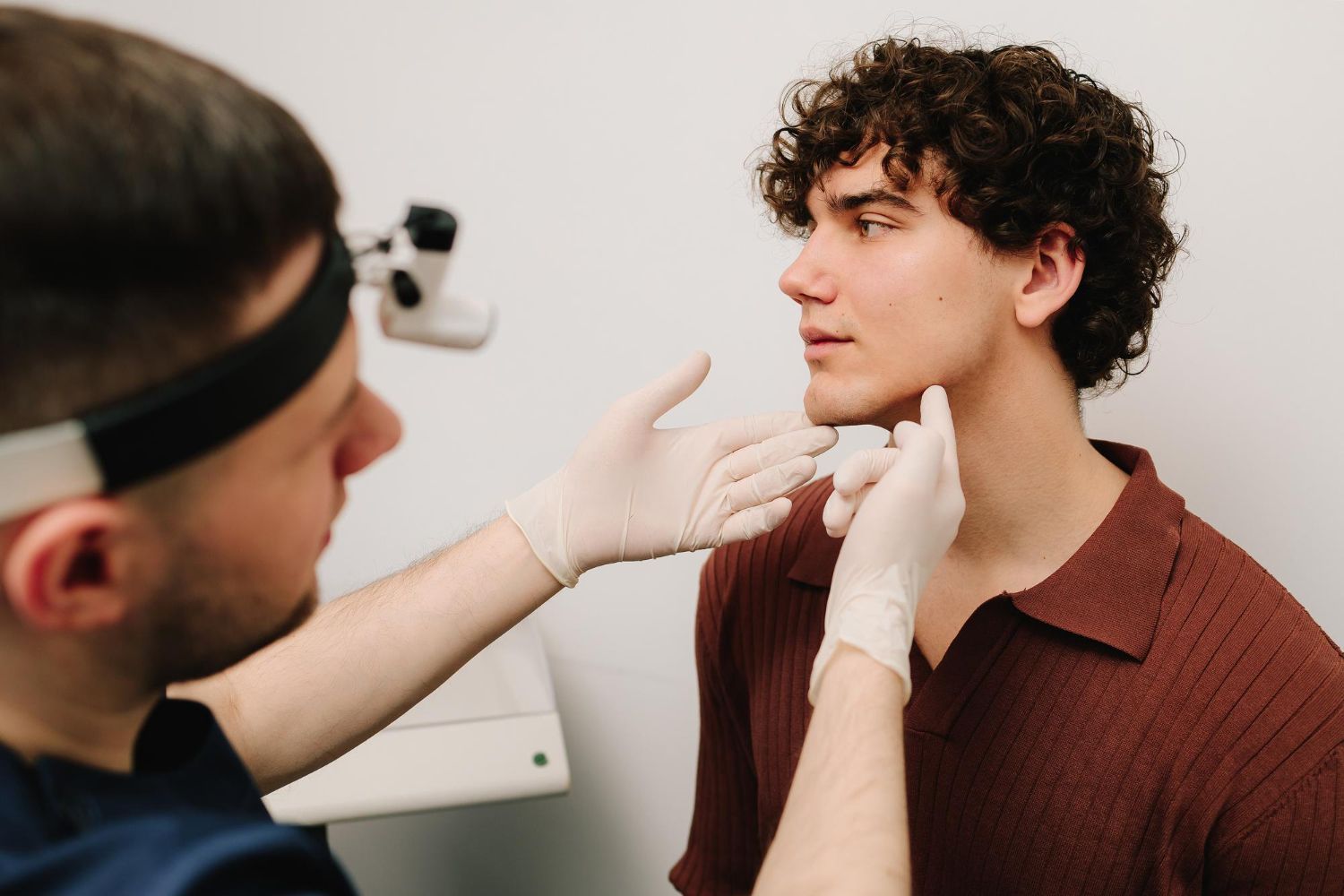
If jaw locking keeps showing up, a visit with a focused specialist can help clear things up. During an exam at The Center For Sleep Apnea and TMJ, Dr. Cameron Kuehne looks at how the jaw moves in real time. He listens not just to what you’re saying, but to what your jaw is doing while you talk and bite down.
Here’s what an evaluation might include:
- Tracking jaw movement as you open, close, and shift from side to side
- Feeling for muscle knots or places where tension gathers
- Checking bite alignment to see if one side is working harder than the other
Patterns like these aren’t always obvious to the person living with them. That’s why insight from a trained eye matters so much. Jaw function can feel normal even when there are underlying issues at play, making professional assessment valuable. We look for what others might miss, including subtle signs, like minor shifts in how your teeth line up when you bite or soft tissue tension that is only obvious on close examination.
A TMJ specialist takes time to ask about lifestyle patterns, recent dental work, injuries, or changes in daily stress. This context helps build a full picture, allowing for recommendations that extend beyond straightforward jaw exercises or short-term relief.
How Treatment Supports a More Comfortable Jaw
Once we know what’s causing the jaw to lock, the next step is making movement easier again. Treatment isn’t about doing everything at once. It’s about small, smart changes that take the pressure off your joint and let the muscle system reset a bit.
These steps vary from person to person but often include:
- Making tiny changes to posture, jaw rest position, or movement habits
- Gentle exercises to build better jaw support and stop trigger patterns
- Helping the bite settle into a place that feels more natural and even
For some, physical therapy techniques or custom oral appliances may be recommended to encourage smoother motion and reduce nighttime clenching. Building awareness of jaw movement throughout the day and during stressful moments can also help prevent recurring lock-ups. Gradual improvement comes from consistent effort and regular check-ins with a knowledgeable provider.
When care is consistent, a lot of relief can be found unexpectedly. What starts off with frustration can turn into something that just works better day to day. For many, finding a consistent TMJ clinic in Meridian, Idaho becomes an important part of staying on track.
Working with a specialist also means you have someone to ask when new symptoms appear or old ones change in pattern. Understanding that recovery may be gradual removes some of the pressure and allows you to stay patient with yourself, focusing on small wins as your jaw’s comfort improves over time.
A Calmer, Easier Way to Move Through Your Day
Jaw locking may seem small at first, but when it starts to interfere with meals or how you speak, it becomes more than just annoying. We’ve seen how people begin to shift their routines around it, without realizing how much they’re adjusting to avoid discomfort.
Getting curious about what your jaw is trying to tell you is often the first helpful step. Dr. Cameron Kuehne has worked with many people who felt stuck for a while, only to find their way back to comfort through quiet changes, starting with a closer look. That steady progress can begin when you listen to the tight spots and give your jaw a bit more room to move again.
You might begin to notice small signals sooner, like mild fatigue in your jaw while eating, or subtle discomfort when you yawn wide, and recognizing these signs earlier can help prevent future lock-ups. Modest shifts in daily habits over weeks and months are often the most sustainable way to regain ease in jaw movement.
Jaw locking that disrupts your eating or speaking might mean it's time to examine what's causing it. At The Center For Sleep Apnea and TMJ, we know these signs can point to deeper issues that are easier to manage when caught early. Getting support from a trusted specialist makes a big difference, especially if you're searching for a reliable TMJ clinic in Meridian, Idaho. We're here to help you understand what's happening beneath the surface. Give us a call to talk through your concerns and start a calmer path forward.