Why Is My Jaw Tight in the Morning in Meridian

Waking up with a tight jaw can be more than just a minor annoyance; it often brings discomfort that sticks with you throughout the day. If your mornings in Meridian regularly start with soreness, limited movement, or pressure on one side of your face, you’re not alone. Many people never make the connection between this stiffness and something deeper, like TMJ in Meridian and the surrounding areas.
Jaw tightness often surfaces during periods of high stress or when daily routines become particularly demanding. For some, it’s just an occasional inconvenience. For others, it becomes a regular pattern that affects energy, mood, and even sleep. Dr. Cameron Kuehne works closely with patients experiencing this kind of morning discomfort, helping them understand the underlying causes and what can be done to restore ease.
What It Feels Like When Your Jaw is Tight in the Morning
The signs of early-morning jaw tightness can vary from mild to frustrating. Here’s how people often describe the experience:
- Limited Range of Motion: Your jaw may feel stiff or locked, sometimes making it hard to yawn or eat breakfast.
- Localized Soreness: You wake up already feeling soreness in your cheeks or around your ears.
- Radiating Pain: There might be a dull ache that spreads to your temples or neck.
- Audible Indicators: Sometimes, there is clicking or popping when you try to move your jaw.
A little stiffness here and there can happen to anyone. However, when it becomes a pattern, it may point to more than just a bad night’s sleep. If the tightness persists, you could be dealing with a condition that affects the function of your jaw joints or muscles. Chronic discomfort that tends to come with other symptoms like headaches or ringing in the ears often connects to longer-term jaw joint issues.
Common Causes of Morning Jaw Tightness
Sometimes, the cause is something you’re doing in your sleep without realizing it. Other times, it’s related to your sleep posture or environmental factors.
- Bruxism (Teeth Grinding): One of the biggest culprits is teeth grinding. Many people clench or grind their teeth at night, which puts immense pressure on the jaw joints and muscles.
- Sleep Position: Sleeping on your stomach or with your hand under your face can force your jaw into awkward, strained angles for hours at a time.
- Environmental Dryness: Dry indoor air can lead to mouth breathing during sleep, which shifts the jaw into an unaligned position and contributes to morning stiffness.
All of these factors can build on each other. You might not notice how tight your jaw has become until it begins to interfere with daily tasks like eating or talking.
How Stress and Daily Habits Impact Jaw Tension
Our nervous system holds tension in unique ways, and one of the most common "holding" spots is the jaw. Even when we sleep, stress can cause physical reactions in the body, leading to grinding or clenching.
- Physical Manifestation of Stress: Stress isn’t just mental. You may clench your jaw during sleep or even while focusing during the day without realizing it.
- Ergonomics and Tech Neck: Slouching over devices or holding a phone between your shoulder and ear creates extra strain on the muscles surrounding the jaw.
- Repetitive Habits: Chewing gum too often or favoring one side of your mouth when eating creates small, repeated tension that adds up over time.
In a place like Meridian, where many people work in tech-heavy jobs, posture and screen time can quietly take a toll. Over time, these habits may pressure joints just enough to trigger tightness without causing sharp pain right away.
When Morning Stiffness Signals TMJ
If jaw tightness is a constant feature of your morning, it might be more than just a habit. That lingering ache could be related to TMJ disorder, something Dr. Cameron Kuehne helps diagnose in Idaho patients every week.
TMJ refers to problems in the joint that connects your jaw to the rest of your skull. According to The Center For Sleep Apnea and TMJ, TMJ symptoms are varied and can include jaw pain, limited movement, headaches, and facial discomfort. Dr. Cameron Kuehne looks for signs such as:
- Joint clicking paired with stiffness or limited movement.
- Facial pain that spreads from the jaw to the neck or shoulders.
- Soreness that lasts weeks with little to no improvement.
When the problem involves the joint rather than just the muscle, managing the pain becomes harder with basic changes alone. If untreated, it can start to interfere with essential functions like eating, speaking, and getting restorative sleep.
Things You Can Start Changing Today to Ease Jaw Tightness
If you’re noticing daily discomfort, there are a few simple changes that might help you recognize patterns and reduce symptoms:
- Adjust Your Sleep Setup: Use a pillow that supports your head and neck without pushing your jaw forward.
- Mindful Morning Habits: Avoid repeating strong biting or chewing motions immediately after waking up. Give your jaw time to loosen up naturally.
- Track Your Symptoms: Write down when tightness happens and how long it lasts. Dr. Cameron Kuehne often asks about these patterns to help pinpoint the root cause faster.
Why Professional Help Makes a Difference in Meridian
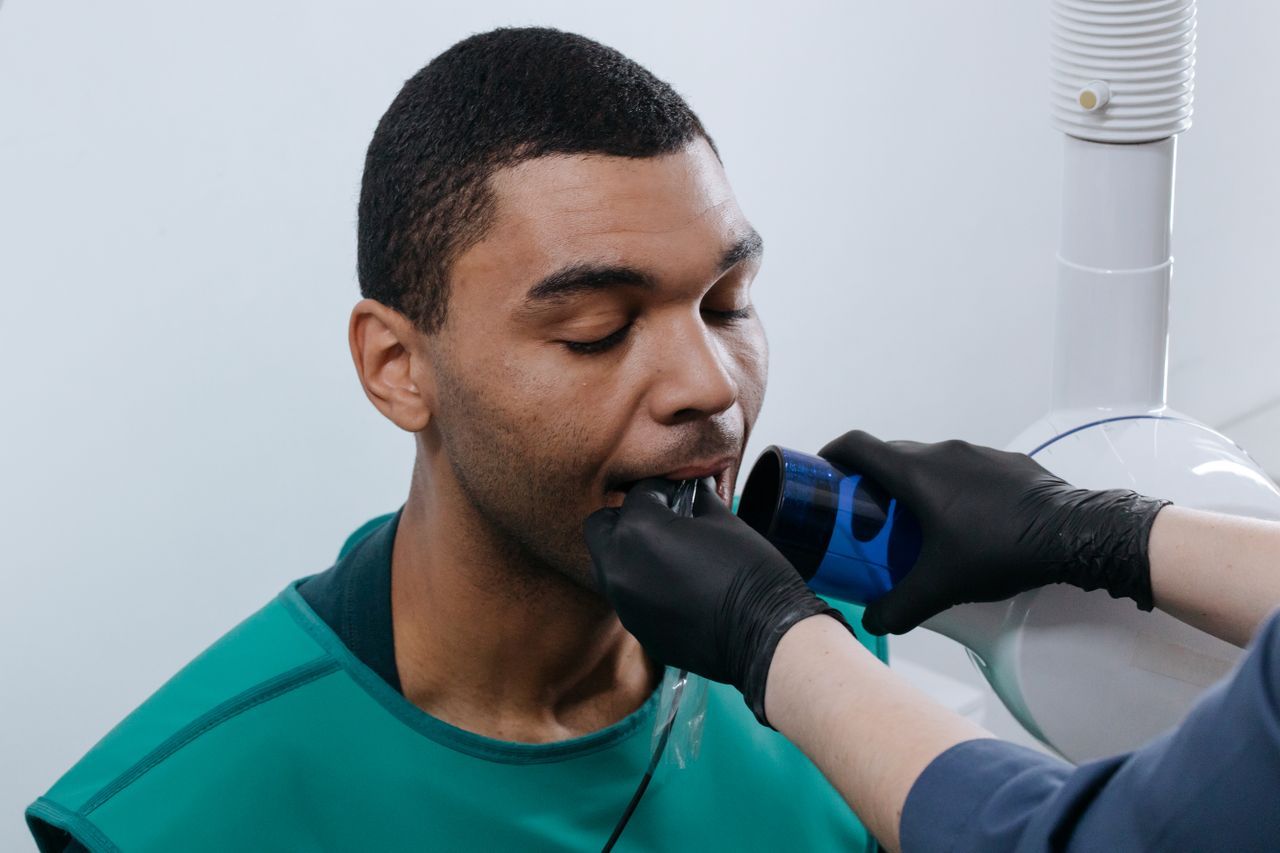
At The Center For Sleep Apnea and TMJ, all treatments are focused exclusively on sleep apnea, snoring, TMJ disorders, and head and facial pain. Personalized evaluation helps patients identify the cause of jaw tightness and work toward lasting relief. Their team uses advanced diagnostic technology, such as 3D imaging, to pinpoint TMJ concerns and develop a targeted treatment plan for each patient.
Morning jaw tension can be your body’s way of letting you know there’s an issue with joint alignment or muscle function. For those experiencing ongoing symptoms in Meridian, learning how we approach conditions like TMJ in Meridian could bring valuable answers. We take every case seriously and encourage you to schedule a time to talk with us at The Center For Sleep Apnea and TMJ today.