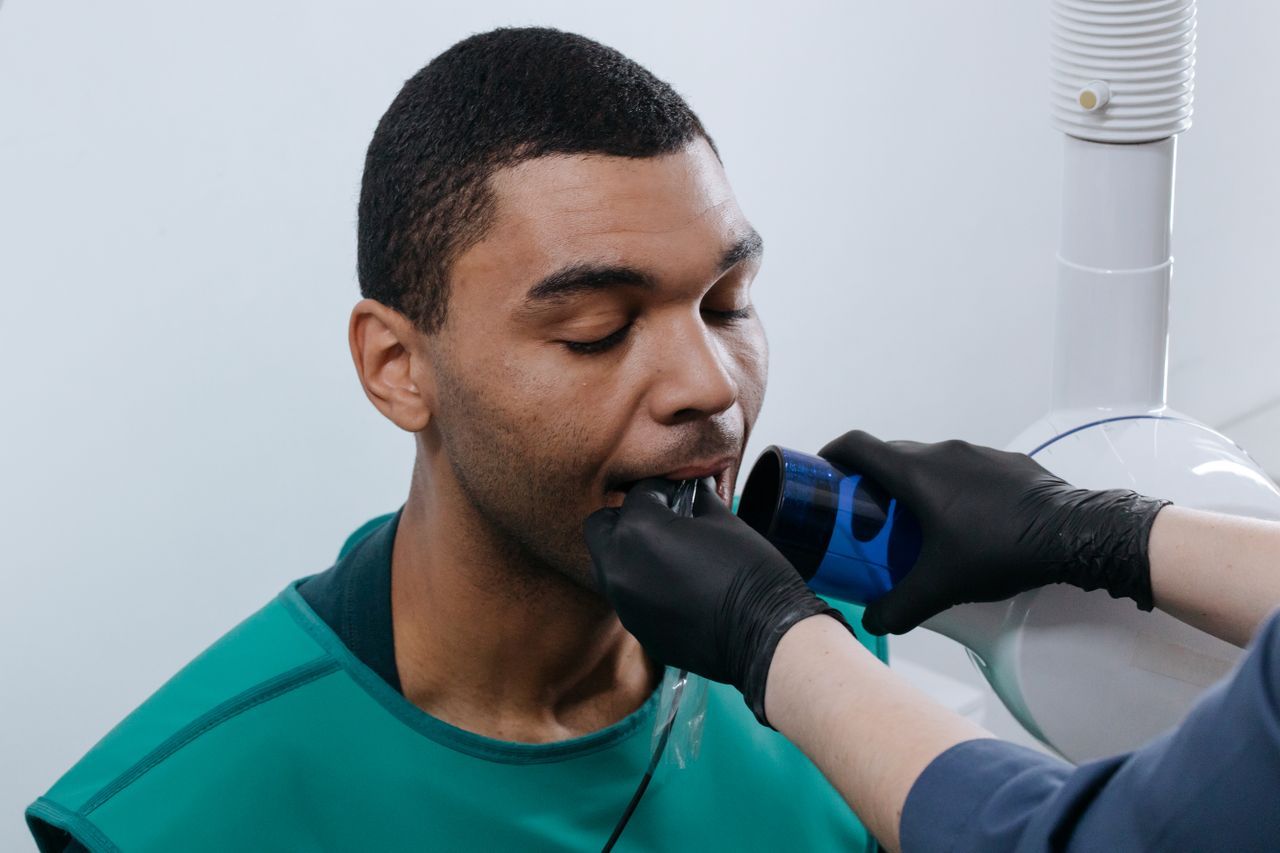
Dental Device vs Nightguard for TMJ Pain Relief
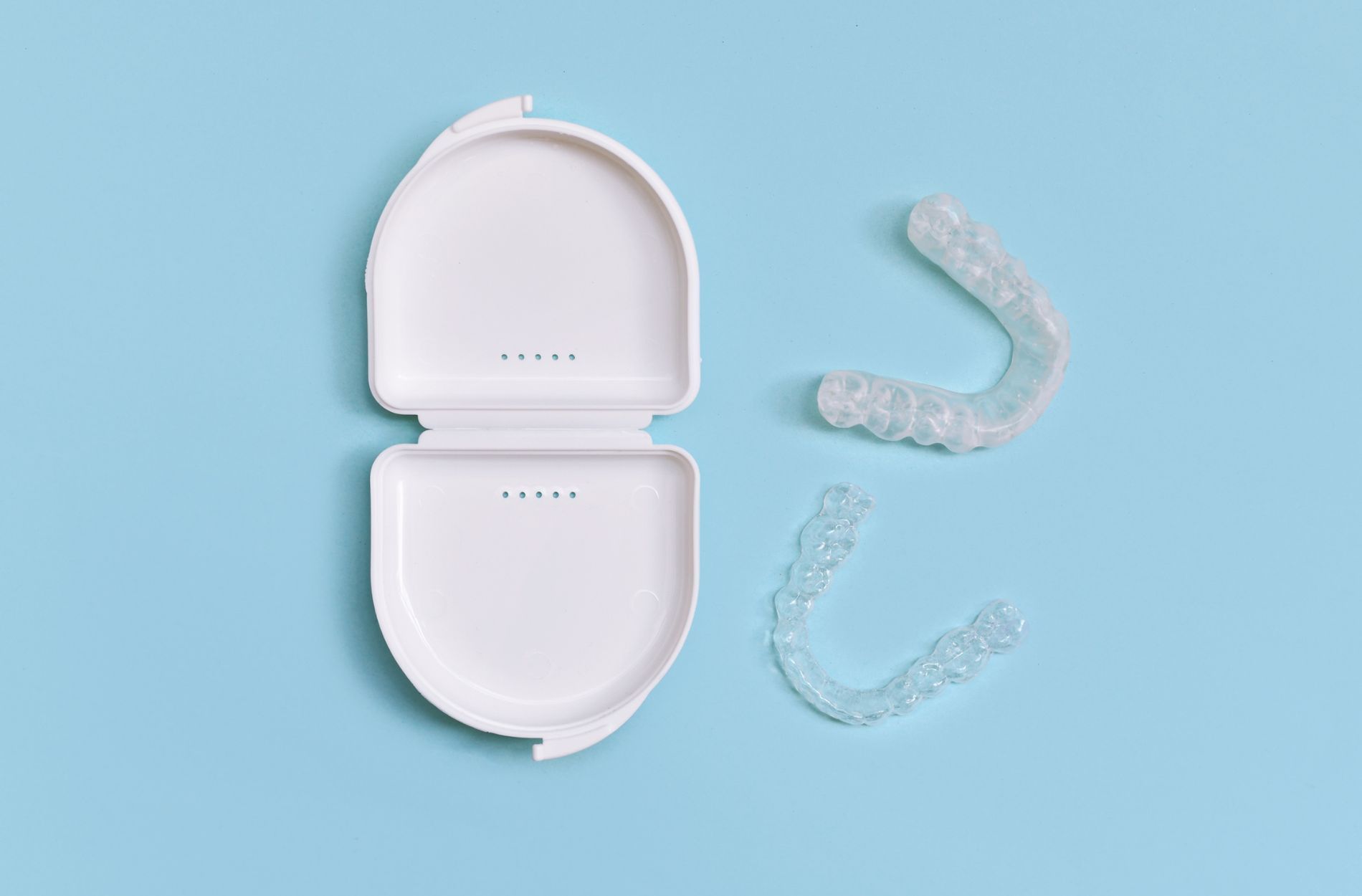
When jaw pain or headaches become a daily struggle, it can be hard to know what’s really causing it. Some people find themselves choosing between a nightguard from the store and a different kind of dental device they have heard might help. If you are looking into TMJ treatment in Meridian, ID, getting the relief you need often starts with understanding how your jaw behaves and what could be triggering your pain.
At The Center For Sleep Apnea and TMJ, we meet many people who are not sure where to begin. Our Meridian clinic is dedicated to helping people with sleep apnea, snoring, and TMJ pain. Their teeth might hurt. Their jaw might click or tighten during sleep. Some wake up with sore necks or foggy mornings. What they may not realize is that the kind of solution that works best often depends on how their jaw lines up. Choosing between a nightguard and a dental device is not just about preference. It is about how you use your jaw each day and night. Dr. Cameron Kuehne helps people figure that out, so their nights feel easier and their days a lot brighter.
What a Nightguard Does and When It Helps
A nightguard is one of the most common tools people try when jaw tension starts to build. It is usually worn on the upper or lower teeth to cushion them during sleep. This can help if you grind or clench your teeth, often without even realizing it.
Here is what a nightguard usually helps with:
- Protecting teeth from damage caused by grinding
- Easing light tension in the jaw joints
- Helping the mouth stay more relaxed during sleep
That said, a nightguard is a short-term comfort tool. It does not change how your jaw sits or how your bite lines up. So if your discomfort is tied to the way your teeth meet or how your jaw moves during the day, a nightguard might not go deep enough. Dr. Cameron Kuehne often sees cases where pain continues even with a nightguard, especially if the real issue comes from jaw position or muscle strain.
Understanding Dental Devices for Jaw Alignment
Dental devices look a lot like nightguards at first glance, but they do much more than protect teeth. These are made to gently shift how your jaw rests, creating more balance and support while you sleep or rest. They are shaped to guide the jaw into a better position that takes pressure off muscles and joints.
Some key ways they work differently include:
- Supporting jaw alignment so it does not drop too far open at night
- Reducing strain on facial muscles that stay tight during sleep
- Helping with both pain and breathing in people with jaw-related limitations
Dr. Cameron Kuehne designs these devices after checking how your jaw moves, where stress is building, and what might help take that pressure away. For many people, a well-made dental device can do more than try to control damage. It gives the jaw a better place to rest, which can mean fewer headaches, less clicking, and more restful sleep.
Knowing When Pain Points to a Jaw Alignment Issue
Not all jaw pain comes from clenching. Sometimes, the way your bite comes together creates slow tension that affects your whole head. When there is a deeper alignment issue behind your discomfort, the signs start showing up in other areas too.
Take a look at some warning signs that your jaw may be misaligned:
- You wake up with aches in your neck, jaw, or upper back
- Your jaw clicks, pops, or shifts when opening wide
- Headaches start near the temples and work their way down
- Chewing feels uneven or more tiring on one side
TMJ treatment often begins with these kinds of patterns. Dr. Cameron Kuehne looks at more than where the pain sits. He watches how your lower jaw fits into the rest of your face and head. If things are just a little off, that imbalance can wear down your muscles and nerves over time.
How Dr. Cameron Kuehne Helps Match the Right Solution
The right support depends on what your jaw needs, not just what is easy to pick up at the store. Dr. Cameron Kuehne starts with a close look at how your joints move and where tension builds. He also checks how your teeth meet and whether your jaw lets your airway stay open at night.
What sets dental devices apart is the way they are shaped just for you. Here is part of what Dr. Cameron Kuehne pays attention to:
- The way your jaw sits when fully relaxed
- Muscle tightness in your face, neck, and shoulders
- Signs of overwork in the jaw joints when chewing or talking
In our office, day-use splints are usually made to be worn on the bottom teeth, with a separate splint for nighttime that fits over the upper teeth. For some people, a nightguard can help with short-term symptoms. But if the real problem sits deeper in the bite or jaw alignment, something more customized tends to create longer-lasting relief.
Why Personal Fit and Support Make a Lasting Difference
When a tool fits just right and supports your specific structure, the comfort goes beyond your mouth. Dental devices that support both your jaw and overall alignment can ease other symptoms too. People may not even realize how much tension they have been carrying until it starts to fade.
An effective fit does more than just feel good. It can:
- Ease muscle strain that leads to daily tension headaches
- Keep the jaw in a healthier, more balanced place at night
- Create more restful moments that carry through your morning
Working with someone close to home, who understands which signs to watch for, makes it easier to handle pain before it becomes a pattern. That is one reason we spend so much time paying attention to the little details. A slight shift in the way the jaw rests can make a big difference in how someone feels.
Feel Better With the Right Tool for Your Jaw
Choosing between a dental device and a nightguard is not just about what looks simpler. It is about how your jaw feels when you rest, how it reacts to stress, and where tension likes to hide. At The Center For Sleep Apnea and TMJ, we take the time to understand those habits, so comfort can start from the source.
With guidance from Dr. Cameron Kuehne, many people move from constant jaw aches or tension headaches to steadier, calmer days. When the right support brings the jaw back into balance, the difference is not just felt in your bite. It changes how you feel from morning to night.
Jaw pain that goes beyond a simple clenching habit may signal deeper issues. We are here to help determine whether alignment, muscle strain, or another factor is causing your discomfort. Many of the patterns we see affecting comfort and sleep match what people experience when seeking
TMJ treatment in Meridian, ID. At The Center For Sleep Apnea and TMJ, we listen carefully so the support you receive matches how your jaw really functions. Reach out to us to get started.