How to Tell If Your Jaw Pain Is TMJ or Something Else

When your jaw aches, it’s easy to assume it’s TMJ, especially if the discomfort sticks around. But jaw pain doesn’t always mean there’s a joint issue. It can come from several sources, each with its own set of causes and fixes. It’s no surprise that those looking for answers might search for a Dental TMJ specialist in Boise, Idaho, when their jaw starts to hurt every time they chew or talk.
Knowing the difference between TMJ disorder and other types of discomfort can help you avoid stress and get the right kind of care sooner. We see people all the time wondering if their pain is something temporary or part of a bigger pattern. Understanding the signs can help you figure out which direction to go.
What Is TMJ Disorder and How Does It Start?
The temporomandibular joint, or TMJ, connects your jaw to the rest of your head. It works like a hinge, allowing your mouth to move up and down, side to side, and all the ways in between. When this joint or the muscles around it fall out of alignment, that’s when discomfort can begin.
TMJ disorder doesn’t always show up overnight. It might begin as a mild ache or a strange sound when you open your mouth. Other times, your face feels tired or sore after meals or a long conversation. Over time, small signs can turn into more obvious problems, like difficulty chewing or a jaw that locks in place when you yawn.
If your jaw clicks, pops, or feels like it gets tired from simple movements each day, it might be your body signaling that something is off. It’s not just about pain either. It’s about the way your jaw moves or holds tension even when you’re not using it.
Other Common Causes of Jaw Pain
Jaw pain can come from everyday habits or other health issues that don’t always feel connected to the jaw at first. When pain doesn’t improve or gets worse, other causes worth considering include:
- Cavities or gum infections that spread pain across the face
- Muscle strain from clenching or grinding, especially during sleep or stress
- Sinus pressure that creates a deep ache in the upper jaw area
- Ear infections where pain spreads toward your jaw joint
Sometimes, the source isn’t the jaw itself. It’s the nearby structures sending pain signals into the same area. That’s part of what makes pinpointing the problem tricky. What starts as a small dental issue can feel like joint pain, and what feels like a sinus headache might radiate into your mouth or face.
When we look at everything together, we often find that stress and tension play a big role in muscle pain. People might clench their teeth during traffic, focus, or while deep in thought, not realizing that pressure builds each day.
How to Tell TMJ Apart from Other Problems
It can be tough trying to figure out whether your pain is caused by the joint or something else. One way to start narrowing it down is by paying attention to when, where, and how it hurts. TMJ-related pain often shows up with certain patterns.
Here’s what to watch for:
- Pain that gets worse when chewing, yawning, or talking for long periods
- Discomfort located right in front of the ears or near the jaw joint
- Clicking, popping, or a jaw that locks or moves strangely
Pain from sinus pressure or a tooth issue might stay in one spot or feel deeper in the bones. TMJ discomfort tends to be more tied to movement, especially if there's something off with how your jaw lines up. And if it routinely gets worse by the end of the day, that’s another possible clue.
The more specific you are about the timing and type of pain, the easier it becomes to connect the dots. It’s not just about reading symptoms. It’s about noticing patterns over time. A sharp pain when you bite something might be a tooth. A dull ache that spreads when talking? That could lean more toward TMJ.
Don’t forget that sometimes, a minor ache or pop in the jaw can be overlooked if it only happens now and then. But if your pain starts to interfere with eating or talking, or if the pattern of discomfort doesn’t go away with rest, it may be time to start tracking what you notice. Keeping a simple journal of your symptoms can help you and your care team see if there’s a regular pattern.
Why a Local Exam Matters
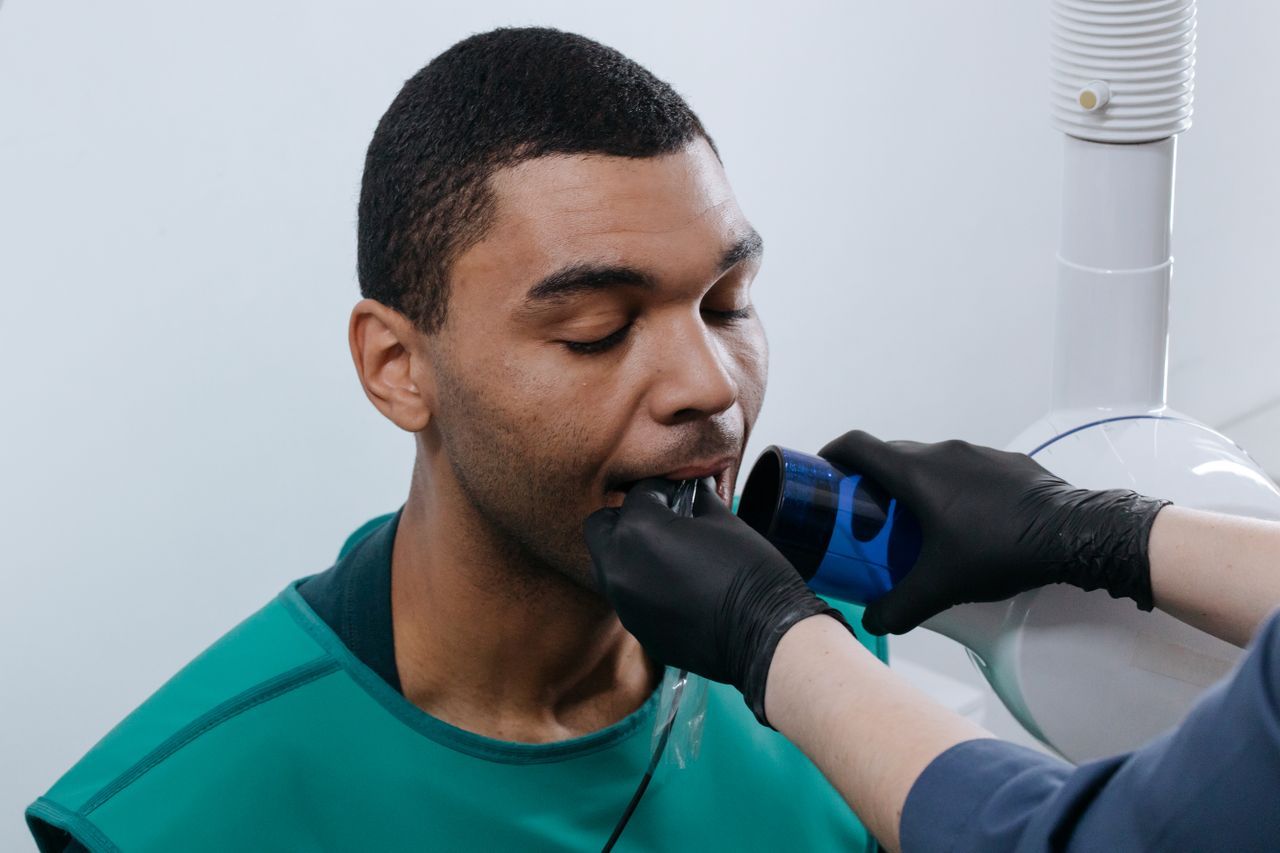
Having someone nearby who understands how area-specific dental issues and jaw patterns play out can make a difference. When you sit down with someone like Dr. Cameron Kuehne, the exam isn't just about pressing around your jaw. It includes checking how your teeth come together, how far you can open your mouth, and whether any joint noise appears during motion.
That kind of close look helps figure out whether what you’re feeling is tension, misalignment, or something else entirely. People often assume they know the cause of their pain, but it’s only after a hands-on exam that things become clear. Seeing a trained Dental TMJ specialist in Boise, Idaho, can help take the guesswork out of what’s been bothering you.
The area around Meridian isn’t the same for everyone, but having local experience can help recognize shared patterns in posture, chewing habits, and even how stress shows up in facial muscles. An exam based on those details adds a layer of understanding that internet searches can’t provide.
During an in-person exam, Dr. Cameron Kuehne may do more than just look at the jaw. Sometimes, he’ll ask about neck tension, headaches, and how you feel after waking up. This holistic approach means you get answers that take the whole picture into account. The right combination of questions and gentle movement checks brings up clues you would never spot alone at home.
Your Jaw Isn’t Just Sore for No Reason
When pain sticks around, it usually means something deeper is going on. That dull throb when you wake up or that pinch near your ear after eating isn’t always just a random ache. It’s your body giving you a heads-up that something’s off.
By taking the time to figure out whether your jaw pain connects to the joint, your teeth, or another part of your face, you can skip the trial and error. Working with someone experienced like Dr. Cameron Kuehne helps turn those daily questions into forward steps that bring some much-needed relief. Early attention makes a difference. And learning how to spot the signs now could mean waking up more comfortable sooner than you think.
Sometimes, finding answers is as simple as listening to what your jaw is telling you. If your discomfort lingers, returns each day, or changes how you chew or speak, it’s a signal not to ignore. Whether you’re in Meridian, Boise, or the surrounding areas, trusted help is nearby. Acting early means more chances to address small problems before they grow.
Searching for answers about your lingering jaw pain may signal there’s something more at stake. We at The Center For Sleep Apnea and TMJ understand how your jaw moves, where tension builds, and what your body might be trying to tell you so you don’t have to guess or keep managing discomfort on your own. Meeting with a Dental
TMJ specialist in Meridian can bring the clarity and steps you need. Give us a call today to start the conversation.