What Happens if Sleep Apnea Goes Untreated for Years?
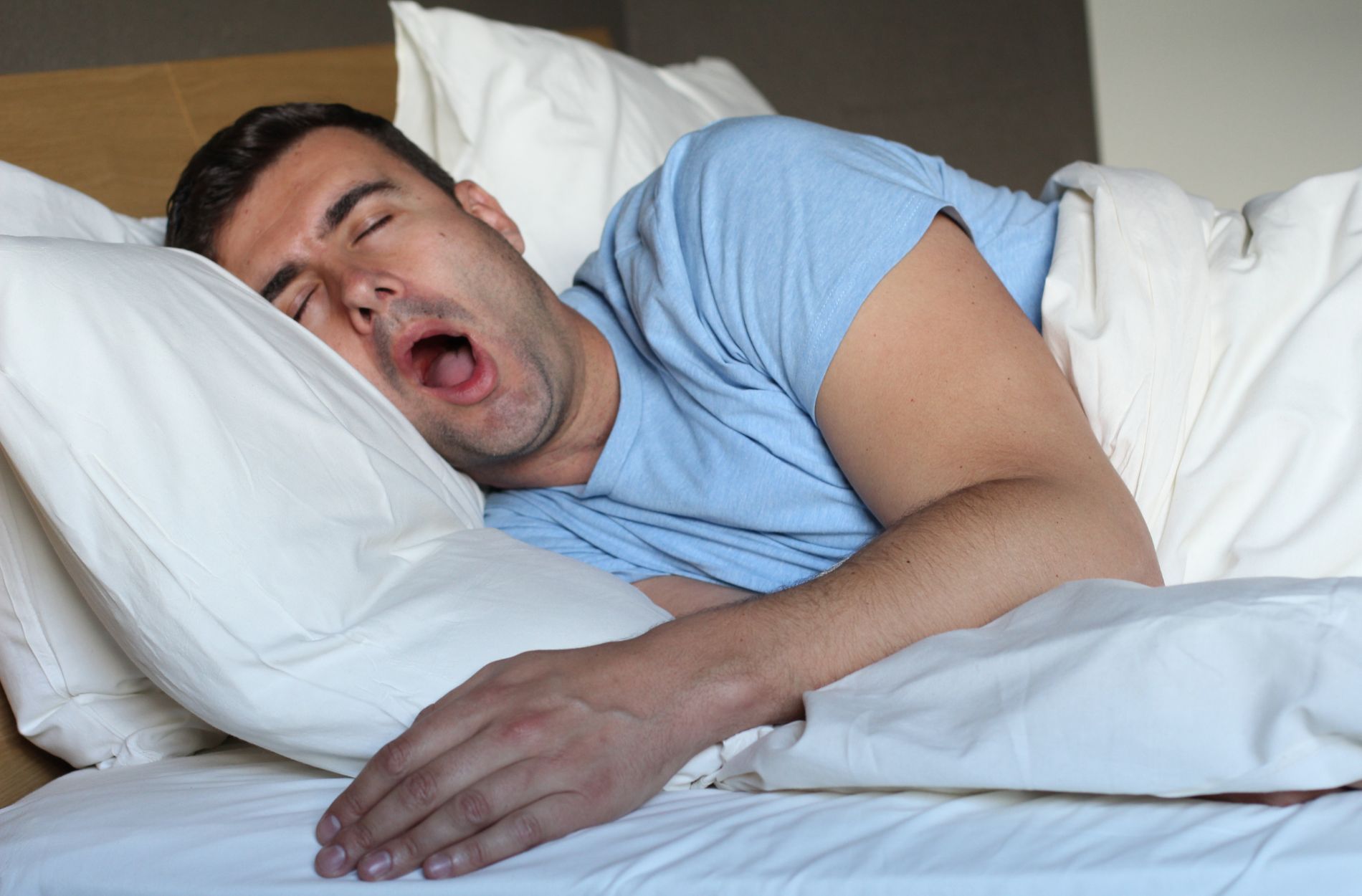
Sleep apnea might start as something small, like snoring or waking up a few times at night. But when sleep doesn't feel restful and mornings feel harder and harder to get through, it usually means something deeper is going on. Ignoring those signs for months or even years can take a toll that builds slowly and doesn't always show up right away.
We talk to a lot of people looking for sleep apnea treatment in Meridian, ID, who don’t realize how long these symptoms have been following them. Over time, what starts as broken sleep can spill into your energy, health, and how you feel every day. That’s why understanding what untreated sleep apnea can do over the long haul is so important. It gives you a better idea of what’s really going on and what could change if breathing and rest get the support they need.
How Sleep Apnea Disrupts the Body Night After Night
Every time sleep gets interrupted, the body misses a chance to recover. When breathing stops or gets shallow again and again through the night, it keeps you from settling into deep, steady rest. That loss doesn't just affect sleep. It impacts almost everything the body tries to do the next day.
Here’s how the wear and tear can start showing up over time:
- The heart and lungs work harder to get oxygen during the breathing pauses
- The body spends less time in the stages of sleep that help it repair and recharge
- Daytime tiredness gets worse because the brain never finishes its full rest cycle
At first, these changes might feel small. But over years, the body can grow more tired, more sensitive to stress, and less able to keep up. The weakest parts often show up first, like memory, mood, or endurance, and suddenly you’re not bouncing back the same way you used to.
Everyday Struggles That Can Sneak Up Over the Years
Poor sleep doesn’t just make people feel tired. It reshapes how each part of the day flows. Mornings can start off slow and foggy, with little energy to get up and go. That quiet drag at the start of the day often stretches into moments of lost focus, forgetfulness, or shorter patience as the hours wear on.
Here are a few ways we’ve seen untreated sleep apnea steal time and comfort from people over the long run:
- Difficult mornings filled with yawns, headaches, and dry throat
- Feeling run down even after a full night in bed
- Trouble staying alert while driving, at work, or during conversations
- More frequent irritability, mood shifts, or feeling “off” without knowing why
Some people can’t quite put their finger on when things started to change. They just know they used to feel sharper, lighter, or more relaxed. Over the years, that missing piece can start to affect relationships, work performance, and how easy life feels in general.
Long-Term Health and Lifestyle Problems Without Treatment
Living tired isn’t just uncomfortable. It comes with risks many people never expect. When your body doesn’t get the oxygen or rest it needs night after night, things like blood pressure, heart rhythm, and even brain clarity can shift.
The risks aren’t always loud or easy to spot. They show up over the long stretch of time:
- Ongoing strain on the heart and blood flow can raise the chance of long-term health issues
- Brain fog affects how quickly you respond, which can raise the risk of car accidents
- Reaching for caffeine or sugar to push through the day becomes a habit that adds its own set of problems
- Missed sleep can lower motivation or interest in things you used to enjoy
The side effects don’t always happen all at once. They creep in slowly. When left without support, the stress on the body just keeps building. By the time some people connect their symptoms back to sleep apnea, the issues have already shaped years of daily habits and discomfort.
Why Early Support from a Local Expert Matters
Not all sleep issues are simple to spot, and it takes the right kind of help to notice the patterns that matter. Dr. Cameron Kuehne has spent years helping people understand how jaw alignment and breathing shape our sleep. We take extra time with each person to figure out how their jaw position, face muscles, and airways are working together or not.
Getting personal care here in Meridian has its own comfort. You don’t have to travel far or explain your background again and again. And instead of chasing short-term fixes, we focus on patterns. That means looking at how your jaw rests, how you breathe while sleeping, and how these small pieces fit together.
Finding the right sleep apnea treatment earlier makes change easier. When we catch these signs before they grow stronger, we can adjust things in smaller and simpler ways. That often leads to better breathing, smoother sleep, and a return to feeling like yourself again.
A Better Night’s Sleep Starts Sooner Than You Think
When sleep apnea isn’t treated, it rarely stays the same. The wear on your body grows year after year, and the pressure builds silently. But it’s not too late to notice what’s shifting and do something different.
Whether it’s the snoring, jaw clenching, or the tired eyes each morning, those signals mean something. Dr. Cameron Kuehne knows how to connect those dots in a way that makes sleep make sense again. At The Center For Sleep Apnea and TMJ, we listen closely, because your day doesn’t have to stay stuck in the same tired routine. Good sleep is possible, and the first step doesn’t have to wait.
Lack of rest can shape your days in ways you might not notice until it affects your focus, energy, and mood. Many people go years without realizing how sleep apnea slows them down, and at The Center For Sleep Apnea and TMJ, we believe small changes lead to better mornings and clearer afternoons. When you're ready to take real steps toward improved sleep, take a moment to learn more about
sleep apnea treatment in Meridian, ID, as our expert guidance is here to help.