Why Am I Still Tired If I Slept All Night?

You go to bed early, stay asleep all night, and wake up on time. But when morning comes, you're still tired. And not just a little, really tired. It's confusing and annoying, especially when it feels like you did everything right. If you're in Meridian and this happens often, it could point to something happening under the surface. One possible reason might be sleep apnea in Meridian, ID.
At The Center For Sleep Apnea and TMJ, we hear this same story from people who feel stuck in a constant loop of sleep and exhaustion. We are Idaho's only accredited dental sleep center with board-certified dental sleep and craniofacial pain doctors, so our work focuses on sleep apnea, snoring, and TMJ-related problems. Dr. Cameron Kuehne spends a lot of time helping patients figure out what's really going on when sleep doesn't actually feel restful. We’ve learned that time in bed doesn’t always add up to quality sleep, and that difference matters more than most people realize.
Your Brain Needs Quality Rest, Not Just Time in Bed
Getting enough hours of sleep is one thing, but the actual quality of that sleep can make or break how you feel the next morning. Sleep isn't just about closing your eyes and waking up later, it's a cycle of different stages, and some of those stages are especially important for brain refresh and body repair.
Here's what tends to get overlooked:
• Deep sleep helps your body heal and resets your energy for the day
• REM sleep supports focus, memory, and mood
• If those stages get interrupted, the sleep may not fully "count" for your brain
Breathing problems through the night can chip away at these stages without you even noticing. You may stay asleep in the technical sense, but your brain might not settle into those deeper, more restful waves of sleep. That means you wake up groggy, foggy, or irritated, even if you logged a full eight hours.
It’s easy to think more time in bed will leave you feeling refreshed, but if your body doesn’t get enough of these deep sleep stages, you’ll still start your day feeling tired. Quality matters as much as the clock, and it’s one reason people get frustrated when they do everything “right” but see little improvement.
How Sleep Apnea Disrupts Your Energy Without You Knowing
One reason behind low-quality rest is something called interrupted breathing. Sleep apnea causes a person’s airway to collapse or become blocked during sleep. Each time this happens, it triggers tiny wake-ups to reset the breathing. The strange part is, most people don’t remember these wake-ups happening.
These quick interruptions break up sleep over and over again through the night. The body keeps getting jolted out of deep stages and pulled back to lighter ones. It adds up fast, leaving you drained, even if your alarm says you had "enough" sleep.
Dr. Cameron Kuehne often talks with patients in Meridian who didn’t realize their sleep was being broken up that many times. They may have chalked the problem up to stress, aging, or a different issue. But when we looked closer, sleep apnea was quietly stealing their rest in the background.
What makes sleep apnea tricky is that you rarely notice it yourself. A family member or partner might catch loud snoring or pauses in breathing, but alone, you may have no idea. Many people brush off sleep problems, thinking if they spent all night in bed, there couldn’t be a real issue. That’s why it often takes a closer look to solve the puzzle.
Signs Your Tiredness Could Be Sleep-Related
A big clue that your tiredness might be linked to sleep issues is how you feel not just in the morning but throughout the day. Many people think sleep apnea always means loud, obvious snoring, but there are other signs too.
Watch for patterns like these:
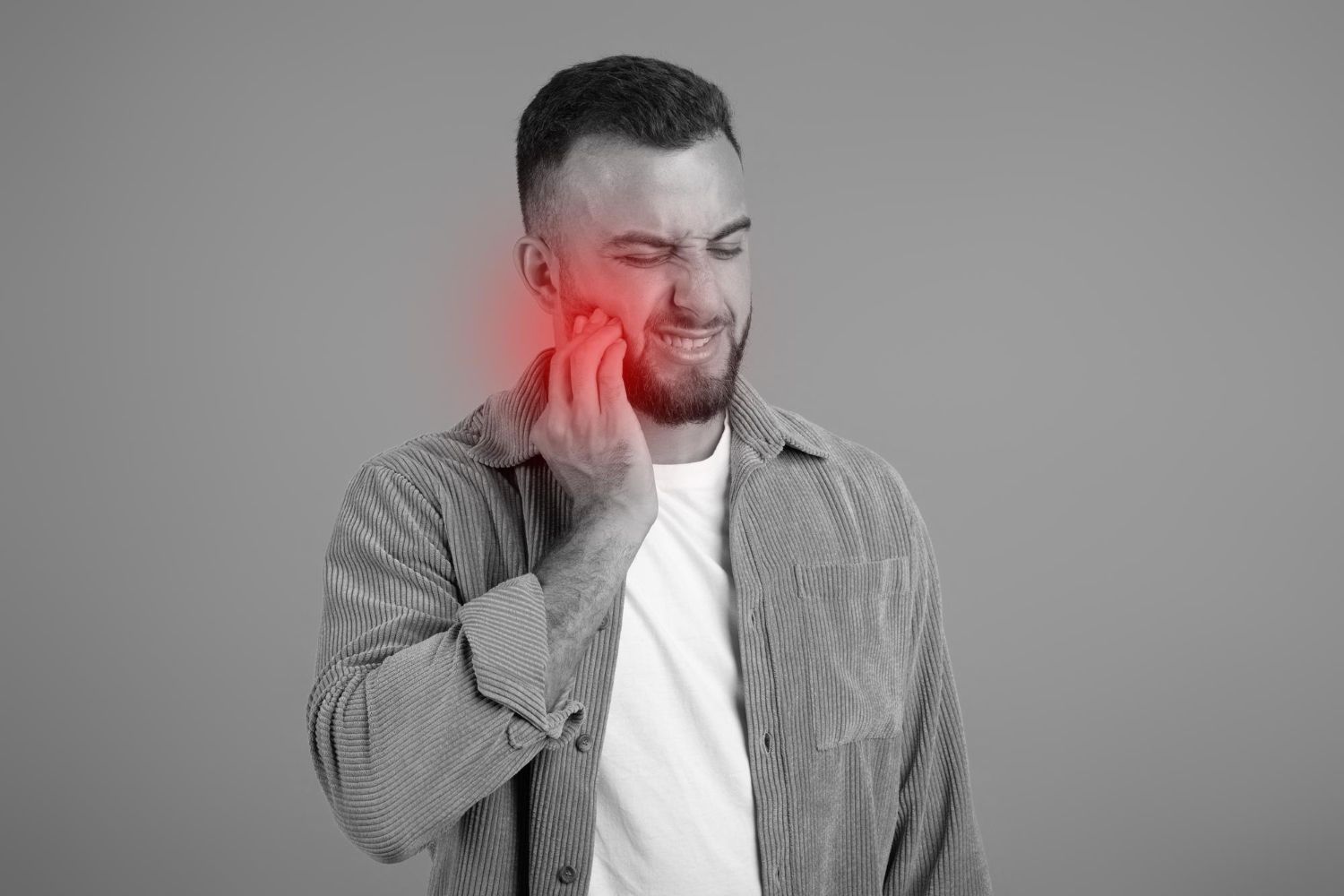
• Waking with a headache, sore jaw, or dry mouth
• Feeling unfocused or moody during the day
• Being told you snore or that you stop breathing during sleep
Sometimes these signs are subtle. Being tired every once in a while makes sense. But if it’s happening every morning, no matter how early you went to bed, something deeper could be going on. It could be your body trying to tell you that your sleep isn't restful.
Paying attention to these signs makes a difference. Daytime sleepiness, memory problems, or a change in mood can go unnoticed for a while. But over weeks and months, they can add up to missed work, trouble at school, or strain in relationships. If this pattern has become normal for you, it could be time to think about what’s really happening at night.
The Role of Jaw and Breathing Health in Sleep
One thing many people in Meridian aren’t aware of is how closely the jaw and breathing are connected at night. Jaw position can affect your airway, especially when you lie down. TMJ problems and sleep-disordered breathing often overlap.
When the jaw is tight, misaligned, or strained, it may cause stress on nearby muscles and tissues. That can lead to less space in the airway. If your airway gets smaller while you’re asleep, it can trigger the repeated wake-ups tied to sleep apnea.
Dr. Cameron Kuehne pays close attention to how jaw posture, muscle tension, and bite alignment play into breathing during sleep. It’s not just about mouth discomfort; it’s about whether your body can rest without interruption.
This is why a thorough check isn’t limited to one possible answer. Breathing and jaw alignment are both taken into account during a real evaluation. Addressing either on its own might miss the root of the problem, but combining both gives you a better chance to finally wake up refreshed.
Why Getting Help Matters More Than Guessing
If you’re constantly waking up feeling tired, it can be tempting to make a few changes and hope they fix it. But without understanding the full picture, it’s tough to know what’s helping and what’s not. Guessing at the problem can delay real answers.
That’s why a full look at how your airway and jaw function during rest is so valuable. At our Meridian sleep apnea clinic, your visit can include a review of your medical history, a look at your habits, and a talk about options like lifestyle changes, CPAP therapy, or custom oral appliance therapy when they fit your situation. Dr. Cameron Kuehne works with people in Meridian who have been searching for answers for years. Many had tried different strategies on their own, but nothing made a real difference until the actual cause was found.
If something like sleep apnea or a jaw issue is present, it’s not always obvious without someone looking at both things together. That’s the part that’s often missed. When we focus only on habits or lifestyle, we might overlook the main issue that’s actually waking us up hundreds of times a night.
By looking at everything from the physical structure of your airway to the way your jaw sits when you’re sleeping, it’s possible to pinpoint problems that general fixes often miss. Professional care doesn’t guess; it digs into what’s unique about your body and daily life. That’s how you get to meaningful answers that lead to change.
Getting Rest That Actually Feels Restful
Feeling run-down every morning, even after plenty of hours in bed, can leave you feeling stuck. Pushing through it may work for a while, but sleep that doesn't restore you can wear on your energy, memory, and mood.
Instead of focusing on clock time, it may help to ask whether your sleep feels complete. People in Meridian often find that sleep apnea or jaw conditions are behind their constant tiredness, even if they’ve never snored or had trouble falling asleep. Dr. Cameron Kuehne helps patients understand how these hidden issues show up and what steps can make a lasting change. When the root cause is treated, mornings start to feel different, and that's when sleep finally starts working the way it should.
If mornings always feel like a struggle, it's worth taking a deeper look at how your sleep is working. You don’t have to guess your way through tiredness when specialized help is close by. At The Center For Sleep Apnea and TMJ, we focus on uncovering real-life reasons behind restless nights. Learn more about how sleep apnea treatment in Meridian, ID, can help you finally get rest that feels like rest.