How Sleep Apnea in Meridian Affects Your Jaw Health
Sleep apnea affects more than just how you breathe at night. It can quietly influence other parts of your body too, and one of the most common areas people overlook is the jaw. If you're dealing with sleep apnea in Meridian, you might notice your jaw feeling stiffer, tighter, or even sore in the mornings. It’s not just stress or sleeping wrong; these issues often have deeper roots. At The Center For Sleep Apnea and TMJ, we often see patients who experience both troubled sleep and jaw discomfort. Dr. Cameron Kuehne has spent years helping people understand the connection between their sleep breathing and jaw pain, identifying patterns that impact patients throughout the year.
Understanding the Connection Between Sleep Apnea and Jaw Pain
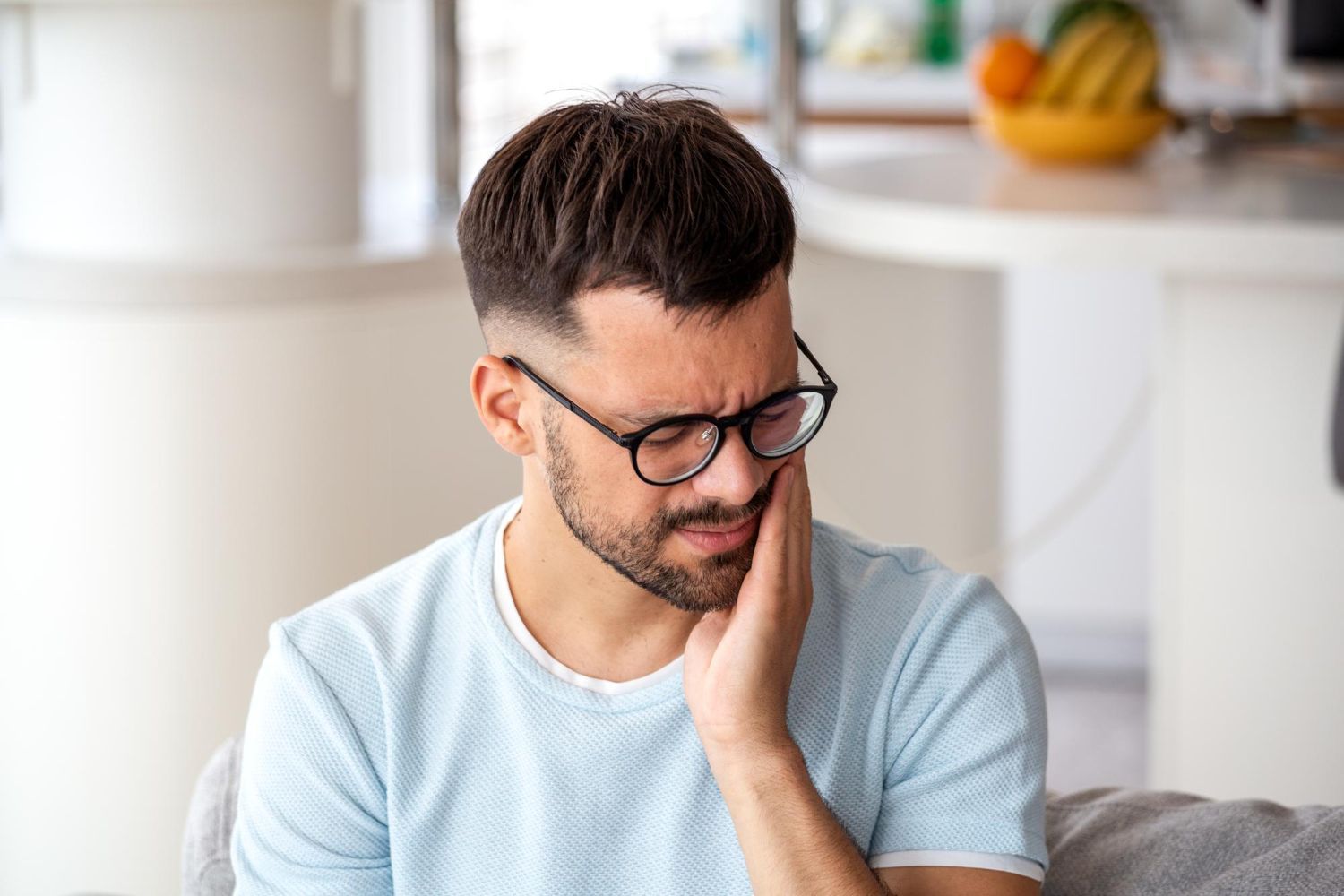
When your airway gets blocked during sleep, your body reacts fast and without warning. One of those reactions can be clenching or grinding your teeth (bruxism). This kind of stress puts direct pressure on the jaw joint, which can lead to pain, tightness, or even clicking.
There’s a close link between poor sleep and muscle tension, especially in parts of the face and head. When we wake up tired after a night of restricted breathing, our muscles may work overtime just trying to stabilize the airway. That includes the muscles around the jaw.
Often, people in Meridian feel these symptoms and chalk them up to life stress or poor posture. What doesn’t always come to mind is the quality of their sleep or the role their breathing patterns play. That’s part of what Dr. Cameron Kuehne works to bring to light, helping others connect the dots between their nightly habits and their daily pain.
Airflow Changes and Jaw Sensitivity
Environmental factors and lifestyle habits often affect the body in subtle ways. For people already dealing with jaw discomfort, changes in air quality or increased indoor allergens can make symptoms more noticeable.
- Dry indoor air can dry out the mouth, making it harder to rest comfortably.
- We might carry more tension in our neck, shoulders, and jaw during high-stress periods.
- Tired mornings often follow nights of interrupted rest that go unnoticed.
When people wake up with sore jaw muscles or unusual popping sensations, they may assume it’s a temporary physical strain. But in many cases, that pain could have deeper causes. Dr. Cameron Kuehne often reminds patients that while external factors may affect how something feels, sleep issues may be where the problem starts.
Why Sleep Apnea Symptoms Affect the Jaw
Disrupted breathing doesn’t just impact your energy levels; it shifts how your body responds overnight. When nasal breathing becomes difficult due to congestion or airway narrowness, it increases the chances of mouth breathing during sleep.
When we sleep with our mouths open, it puts more strain on facial muscles and joints. This can also invite more snoring or shallow breathing. Over time, that adds pressure to areas like the jaw and neck. Mouth breathing often triggers small habits like clenching or pushing the jaw forward as the body instinctively tries to keep the airway open.
We often hear from patients who notice persistent tension in their jaw regardless of the season. Dr. Cameron Kuehne sees repeating patterns like this and helps work through the core of those concerns. It’s not just about being tired; it’s how disrupted breathing at night shows up as soreness in the jaw.
When Jaw Pain Might Be a Sign of Something More
People usually do not expect their jaw to be connected to how they sleep at night. But if pain or stiffness keeps showing up, especially in the morning, it could point to a bigger pattern. Some warning signs include:
- Headaches when you wake up, especially around the temples.
- Sore or tight facial muscles without strain during the day.
- A locking or popping feeling in your jaw after sleep.
These might not seem like sleep problems at first, but they can be signs of something more going on during the night. If you have sleep apnea in the Meridian area and tend to clench your jaw in your sleep, you might notice these issues more often. These connections are not random; they are physical responses to interrupted breathing and muscle tension.
Helping Your Jaw Feel Better at Night Starts with the Right Support
Jaw pain doesn't always come out of nowhere. Even small discomforts can build up night after night. When people in Meridian tell us about morning soreness or tight chewing muscles, we always look at their breathing habits. It helps us understand what’s really going on.
Dr. Cameron Kuehne pays close attention to how pain in the jaw might be connected to breathing problems. It's not just about pointing to stress. Instead, we work to see if there's a link to interrupted rest, clenching from airflow issues, or even position changes while sleeping.
Specialized Care for Sleep Apnea and TMJ in Meridian
The Center For Sleep Apnea and TMJ is the only center in Meridian dedicated exclusively to treating sleep apnea, snoring, TMJ disorders, and head and facial pain. The practice provides custom oral appliance therapy, which does not require wires, surgery, or invasive procedures, to help patients breathe better at night and reduce jaw tension or discomfort.
Take the First Step Toward Relief
If you've been wondering why jaw aches and morning tension keep showing up, it might help to think about how your breathing affects your sleep. Many people dealing with
sleep apnea in Meridian notice jaw stiffness that feels worse over time, especially if clenching or grinding happens during the night. At The Center For Sleep Apnea and TMJ, we look at how small airway issues can lead to pain in places you wouldn't expect. Dr. Cameron Kuehne focuses on this connection every day, helping patients understand what’s behind their discomfort.