Understanding TMJ Pain That Flares Up Without Warning

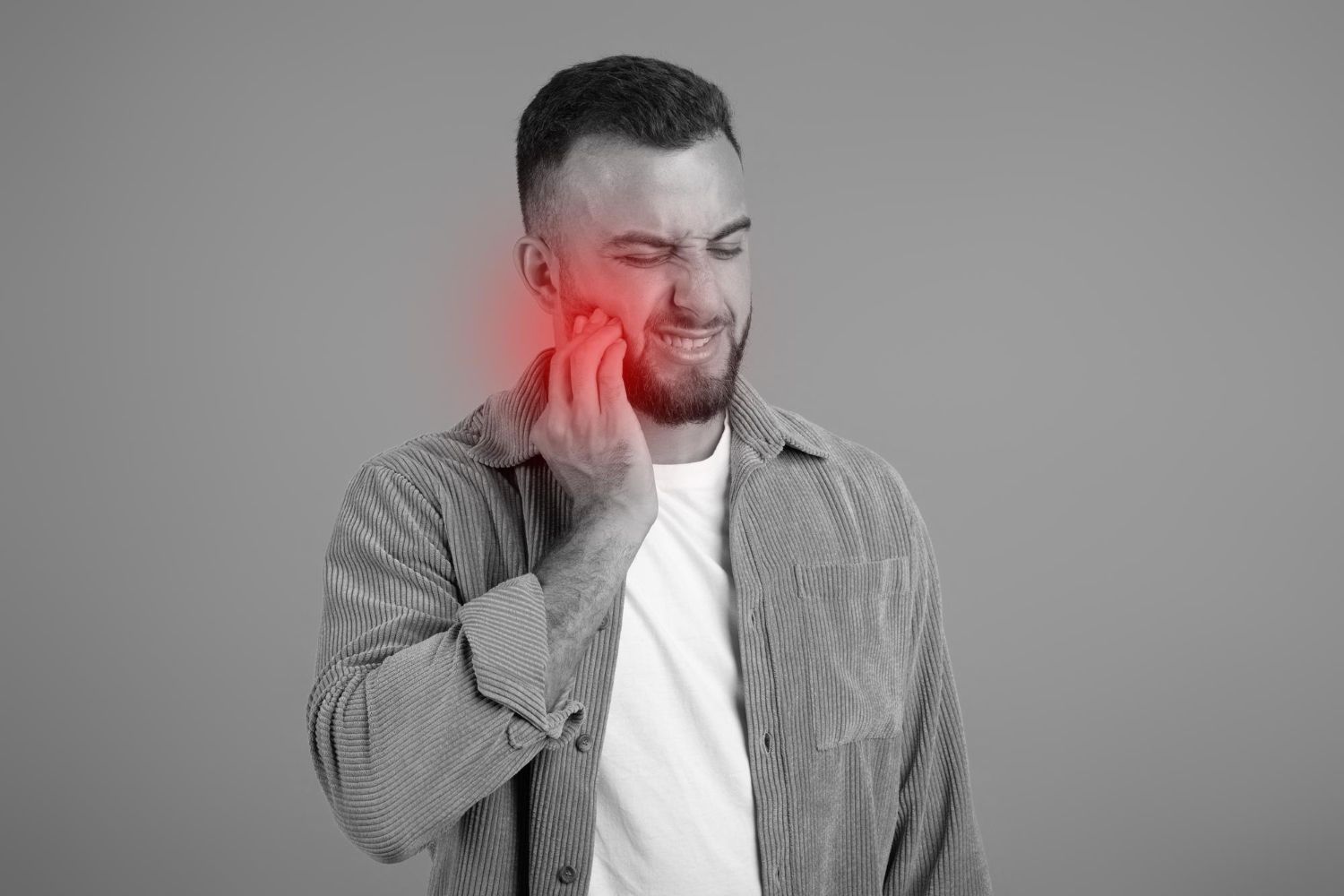
TMJ pain doesn’t always come with a warning. One minute your jaw feels fine, and the next it hurts to chew or speak. Sharp pain, tightness, or a dull ache can show up fast, and trying to figure out why it happened isn’t always easy. We work with many people in Meridian who didn’t even realize their jaw discomfort was linked to a deeper issue. If you’ve had jaw pain that doesn't follow a pattern or seems to pop up without a clear reason, it might be time to look into what’s really going on. Early signs of jaw trouble shouldn’t be ignored, especially if you’re searching for TMJ disorder treatment in Meridian that can offer lasting comfort.
What Is TMJ and Why Does It Flare Without Warning?
The temporomandibular joint, or TMJ, connects your lower jaw to the rest of your head. You use it more than you might think. Every time you talk, chew, yawn, or smile, this small joint helps keep things moving. It acts like a sliding hinge, and it’s usually smooth and unnoticed when it’s working right.
But pain can creep in for all kinds of reasons. Sometimes it’s linked to long-term wear, other times to habits or stress. And often, the cause isn’t obvious. Some people wake up sore and assume they slept wrong, but the real issue can be happening quietly night after night. Because the TMJ is so active, even small problems can add up over time. TMJ or TMD is the medical term for dysfunction and pain in the muscles that move your jaw and in the joints that connect your skull and lower jaw.
Common reasons for pain flaring up suddenly include clenching your teeth in your sleep, strain from an improper bite, or tight jaw muscles that never fully relax. Without realizing it, you might be pushing that joint past what it can handle, even doing regular things like having a conversation or eating a sandwich.
Everyday Habits That Can Trigger a Flare-Up
People often don’t realize how everyday routines can affect their jaw. It doesn’t always take a big injury to start the pain. In many cases, it’s the little things done over and over again that lead to soreness or stiffness. Even habits that seem harmless might be causing tension that builds over time.
A few triggers that can set off jaw pain include:
• Clenching or grinding your teeth while working, driving, or sleeping
• Chewing gum too often or biting nails when bored or stressed
• Eating tough or chewy foods that overwork the joint
• Carrying stress in your shoulders, neck, and face without realizing it
All of these habits can put extra pressure on the TMJ and surrounding muscles. When those areas don’t get a chance to fully relax, flare-ups can become more frequent. Some people try to wait it out or stretch their jaw at home, but the pain often comes back unless the root issue is identified and addressed.
Signs Your Jaw Pain Could Be More Than Just Stress
Stress is a common factor in jaw pain, but it’s not always the only reason. If your discomfort keeps returning or starts to affect other parts of your head and neck, it might be a sign that something more involved is going on.
Here are signs that your jaw pain deserves a closer look:
• Pain that travels to your ear, temples, or the side of your head
• Clicking, popping, or grinding sounds when you open your mouth
• Trouble opening your jaw all the way or moving it smoothly from side to side
• Pressure that feels like a dull headache or soreness around your cheeks
Occasional discomfort might not seem like a big deal, but if these patterns happen more than once or start affecting your daily life, it’s time to take it seriously. We know how easy it is to brush off symptoms and hope they go away, but jaw pain that keeps returning often means the joint isn’t moving the way it should. When that happens, other muscles around the area can start to compensate and turn a small issue into a larger one.
How Professional Help Can Make a Real Difference
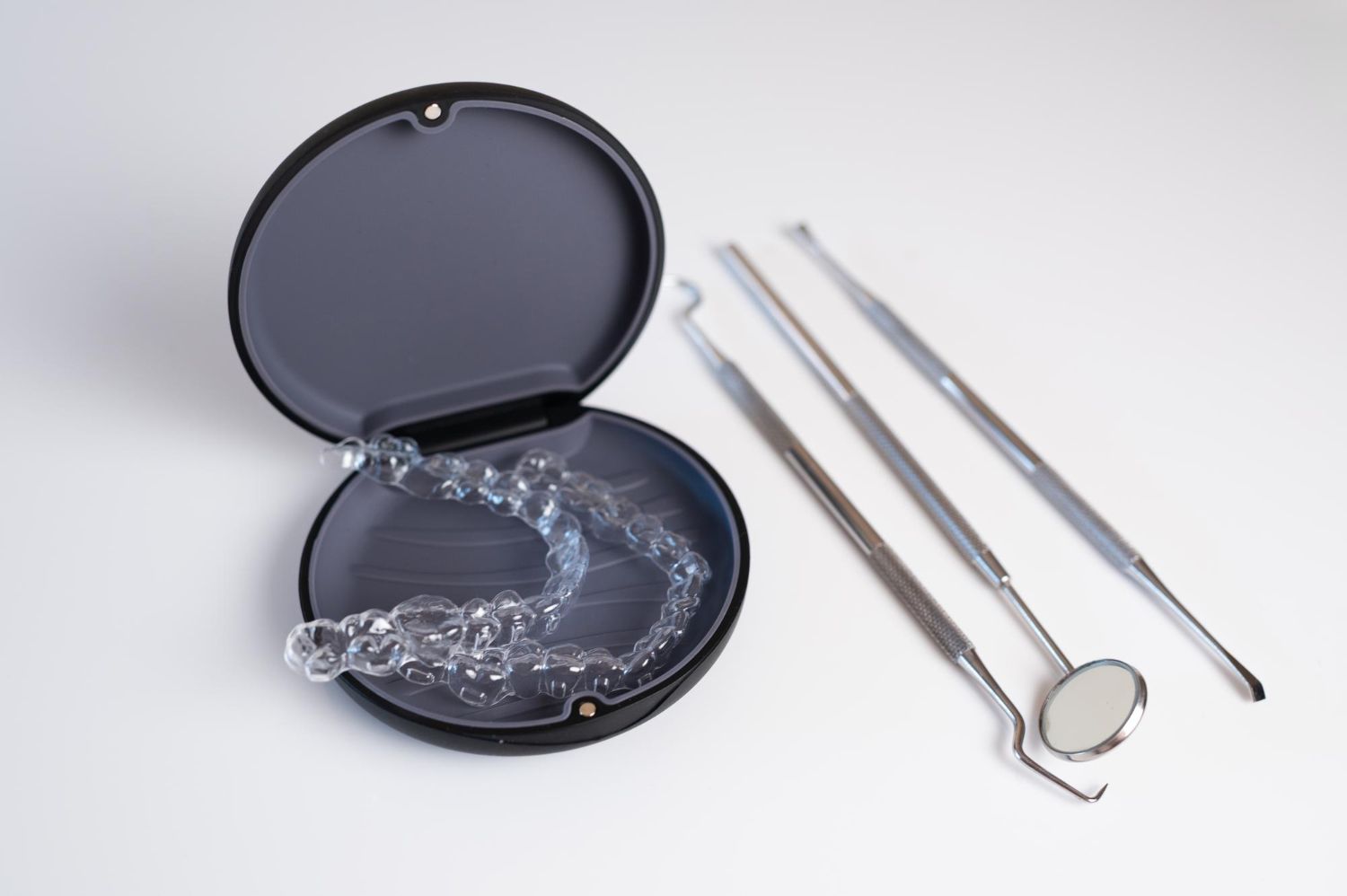
Home fixes can help a little at first, like using a soft food diet or taking breaks from chewing gum. But when the flare-ups keep happening, it’s a sign that something deeper needs attention. That’s where working with someone trained in jaw function can really change things. At The Center For Sleep Apnea and TMJ, treatment often begins with conservative options such as custom oral splints worn on your teeth and can include supportive therapies like therapeutic injections, medical acupuncture, massage, or TENS therapy to ease strain on the joint and nearby muscles.
What sets expert guidance apart is the focus on what’s actually causing the problem in your TMJ, not just how it feels on the surface. When we provide TMJ disorder treatment in Meridian, it’s about looking at everything from jaw movement and muscle tightness to how your bite lines up. Dr. Cameron Kuehne has worked with many people who didn’t know the root of their pain until we took a closer look at how their jaw was functioning while they rested, talked, or chewed.
This isn’t a one-size-fits-all issue. Some people are mostly affected by muscle strain, others by tension during sleep, and many deal with a mix of both. When we understand what’s disrupting your normal jaw function, we can guide you toward a plan with longer-lasting comfort. Whether it’s ongoing clenching or misalignment, change starts by not guessing.
Your Jaw Shouldn’t Keep You Guessing
Living with TMJ pain that flares out of nowhere can strain more than just your jaw. It interrupts meals, makes it harder to focus at work, and adds tension that spreads across your face and neck. The good news is, you don’t have to stay stuck in that pattern.
We talked with many people in Meridian who didn’t know how connected their daily habits, stress levels, and jaw function really were. Once those pieces are looked at together, new things become clear. When you know what your jaw is trying to tell you, you can start making changes that last. Quiet joint problems today often lead to bigger ones tomorrow, so paying attention now can make a real difference.
If jaw stiffness or pain keeps getting in the way of your comfort, it may be time to look deeper at what your body is trying to tell you. Subtle habits and stress can strain your jaw in ways that build up silently over time. We take the time to look at how those patterns affect real movement and muscle use so the pain doesn’t keep returning. To see how we approach lasting care through TMJ disorder treatment in Meridian, reach out to The Center For Sleep Apnea and TMJ today.