Why You Might Still Snore Even Without Sleep Apnea
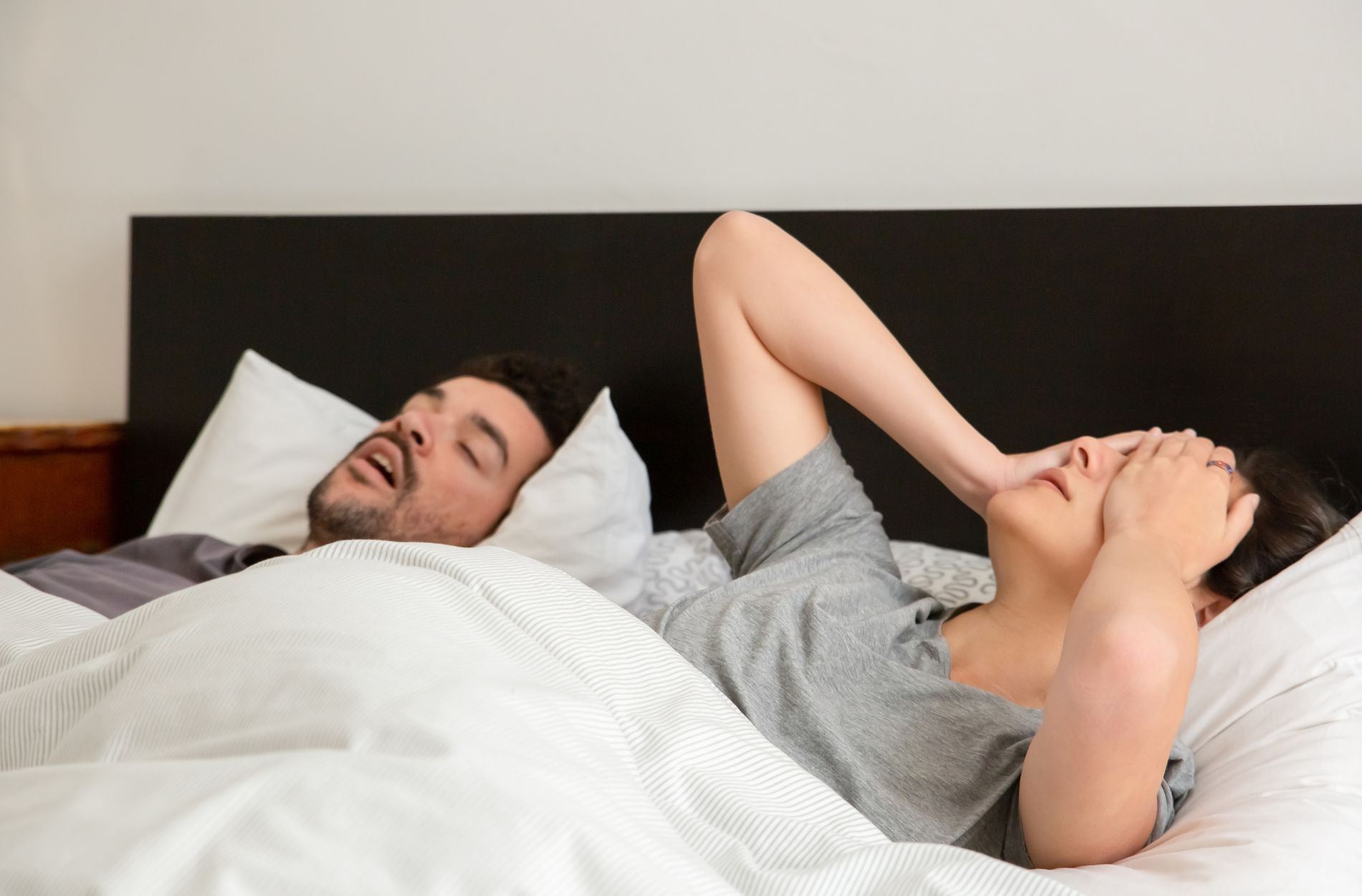
It can be surprising to learn that snoring doesn’t always mean you have sleep apnea. People often assume the two go hand in hand, so when snoring sticks around without the other symptoms, it can feel confusing. You might have tried different options, even some that promise quick fixes, only to find that the snoring keeps coming back and you're just as tired in the morning.
We hear from people all the time who begin searching for CPAP alternatives in Nampa because the usual solutions aren't bringing results. Snoring by itself can still point to underlying tension or something off with how the jaw sits during sleep. That’s why finding the true reason matters, because quiet nights often start with how your body rests and breathes naturally.
What Causes Snoring Without Sleep Apnea
Snoring without sleep apnea can have many causes, and most of them are easy to miss. Not everyone who snores has pauses in breathing. In many cases, the trouble begins with how air flows through the throat and nose at night.
Here are some common causes that can lead to non-apnea snoring:
- A narrow airway that vibrates during sleep, even if it's not blocked
- Jaw position that lets the mouth fall open, changing the shape of the airway
- Muscle tightness in the face or jaw that puts pressure on nearby areas
When muscles around the face stay tense, they can hold the jaw in a place that allows more vibration. And if the jaw drops too much during sleep, airflow becomes uneven. That uneven flow is often what creates noise even when oxygen levels stay normal. A small shift in joint position can turn ordinary breathing into something much louder than it needs to be.
Common Signs That Snoring Might Be Jaw-Related
When the jaw plays a role in snoring, there are usually signs during the day that something isn’t sitting right. These signs can get brushed off as tiredness or stress, but they often show the jaw isn’t resting the way it should.
Some things to look for include:
- Tightness or clicking when you open your mouth wide
- Soreness near the temples or along the neck when you wake up
- A tired face or jaw after chewing or talking for long periods
People sometimes wake up feeling like they didn’t sleep deeply, even though they were in bed for hours. That tired feeling might come from the muscles working overtime during the night. Clenching or clamping the jaw can block the airway just slightly, which doesn't always stop breathing but will make it louder.
These patterns usually don’t go away on their own. They signal a need to check how everything fits together inside the mouth and along the jaw. When jaw tension keeps adding pressure, snoring can become a long-lasting problem, even without sleep apnea involved.
Why Some Devices Don’t Work as Expected
Many people try nightguards or soft mouthpieces from the store when snoring becomes a problem. These options may help protect your teeth from grinding, but they often miss the real issue.
Most store-bought devices do one or more of the following:
- Focus only on keeping the teeth apart, not guiding the jaw
- Fit too loosely or too tightly, leading to uneven movement
- Cause the jaw to sag more, which may increase noise
When the device doesn’t support the jaw in the right position, it can let the mouth open in a way that affects how air moves. That change might make the snoring worse or do nothing at all.
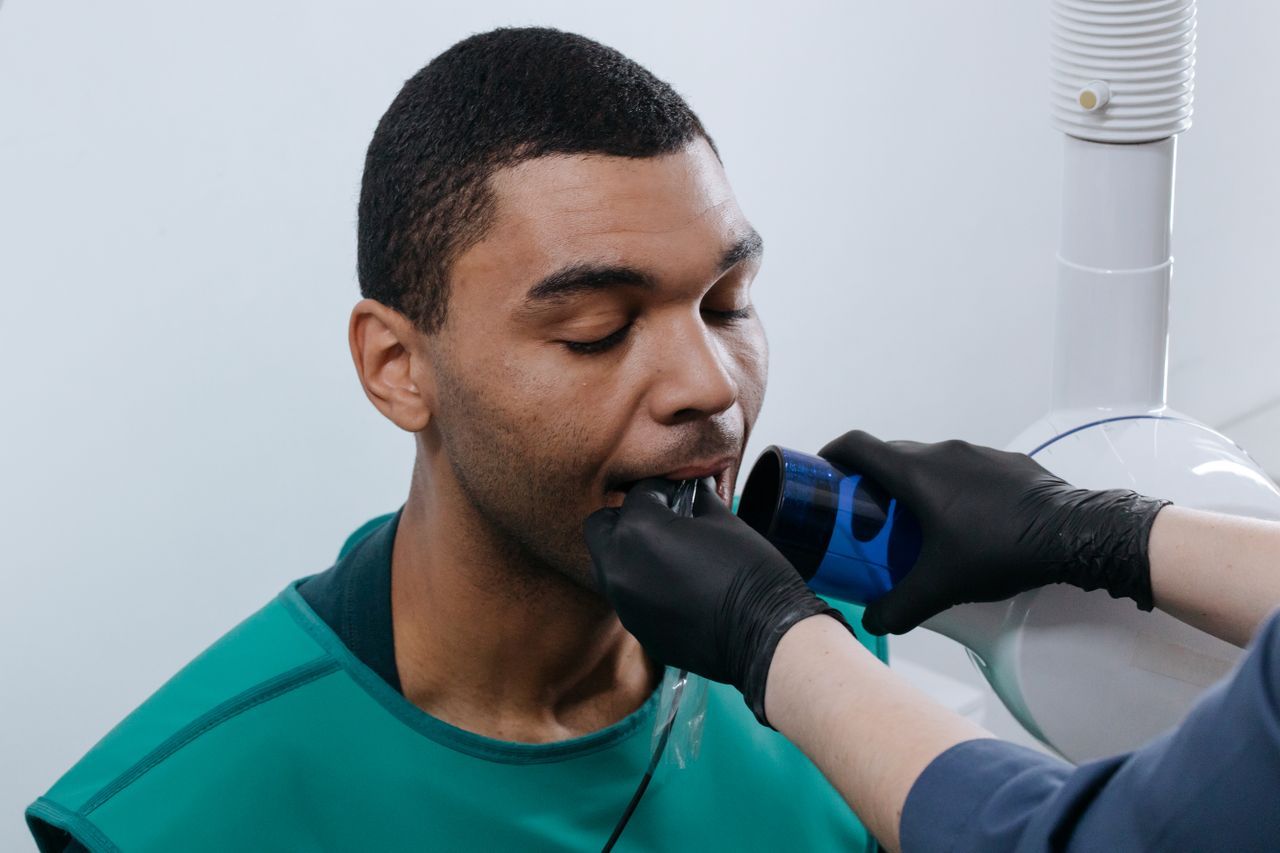
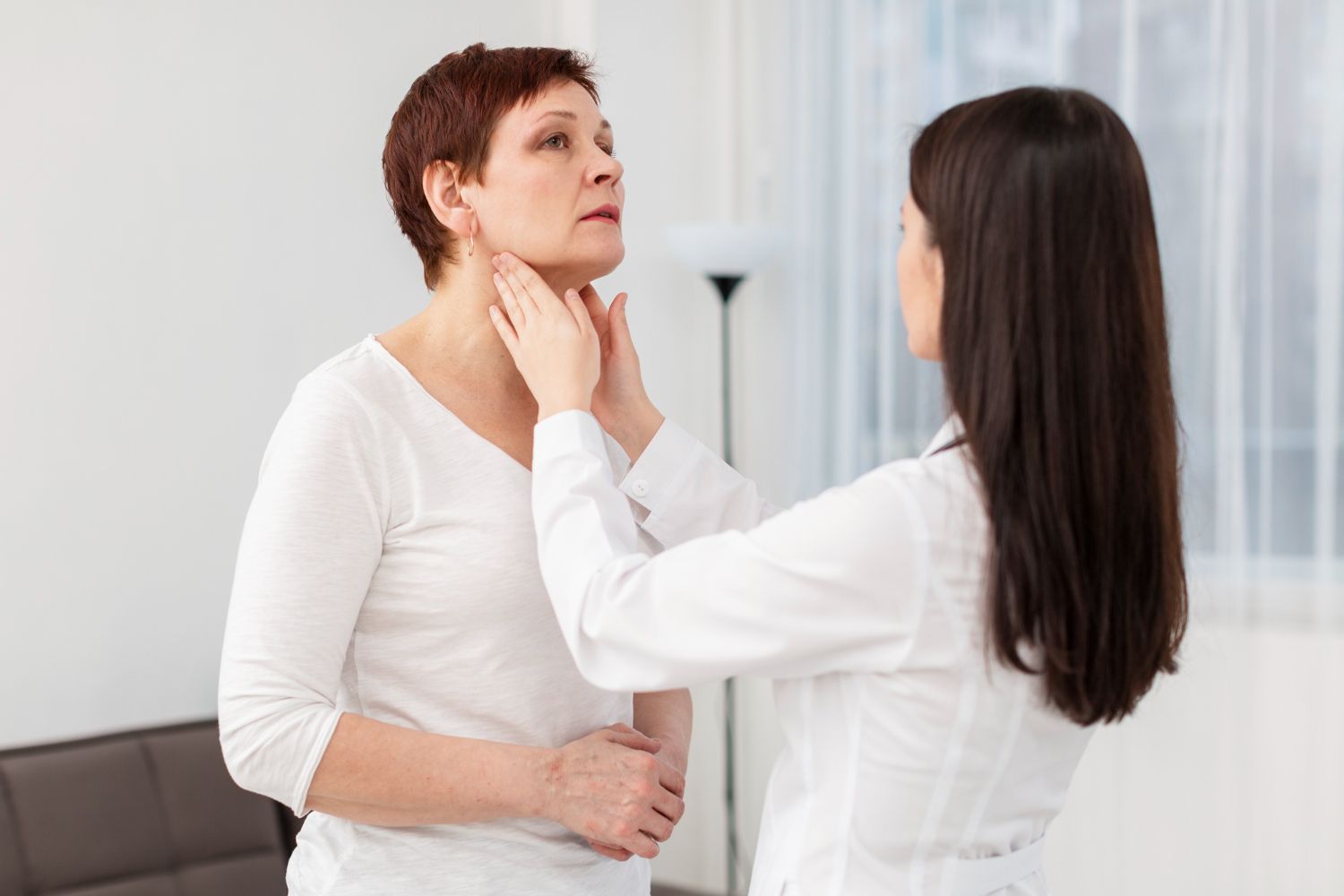
This is where a full exam by someone like Dr. Cameron Kuehne can make a difference. He doesn’t only look at how your teeth touch but also watches how your jaw moves and rests. Looking at those patterns gives a clearer view of whether your snoring is tied to stress in the joints or muscles.
Finding Real Relief: What Makes a Difference
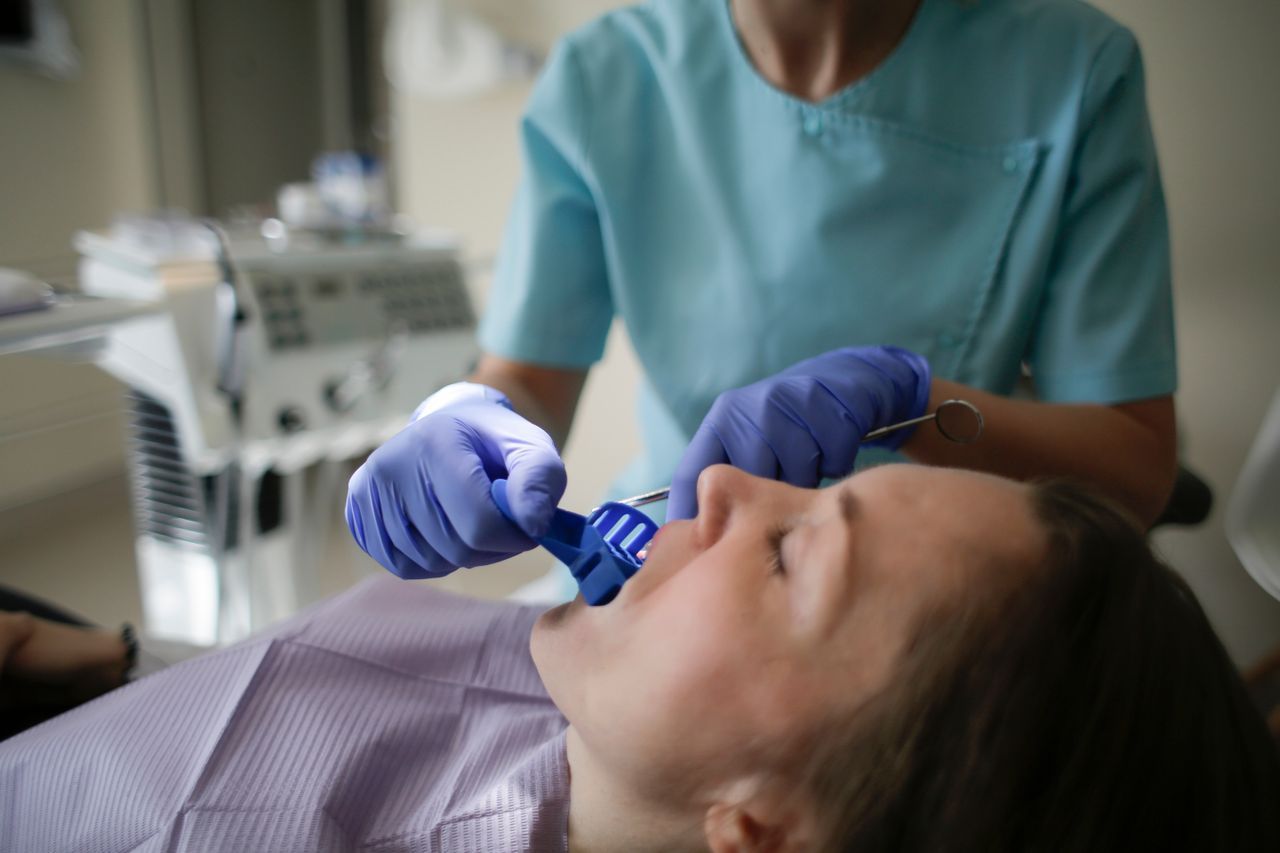
Effective relief comes from knowing what your jaw actually needs overnight. If your snoring is from clenching, misalignment, or too much drop in the jaw, then comfort starts with correcting how it sits. Custom dental devices can help by gently guiding the jaw into a position that keeps your airway steadier.
At The Center For Sleep Apnea and TMJ, we don’t look at snoring as just one problem with one answer. Instead, we look at how your jaw moves, where it relaxes, and whether it adds pressure to nearby muscles.
People looking for CPAP alternatives in Nampa often end up finding options that work better when they pinpoint where the misalignment or tension sits. A balanced jaw creates a quieter airway, which makes falling and staying asleep much easier. Over time, this better alignment can quiet snoring that isn’t tied to sleep apnea at all.
How Dr. Cameron Kuehne Helps People Sleep Quieter
Dr. Cameron Kuehne takes the time to understand how each person's jaw behaves day and night. The way your mouth rests when you're asleep has a bigger impact than most people realize. That’s why exams often include more than just checking teeth.
An average visit may involve:
- Watching how far the jaw moves when opening and closing
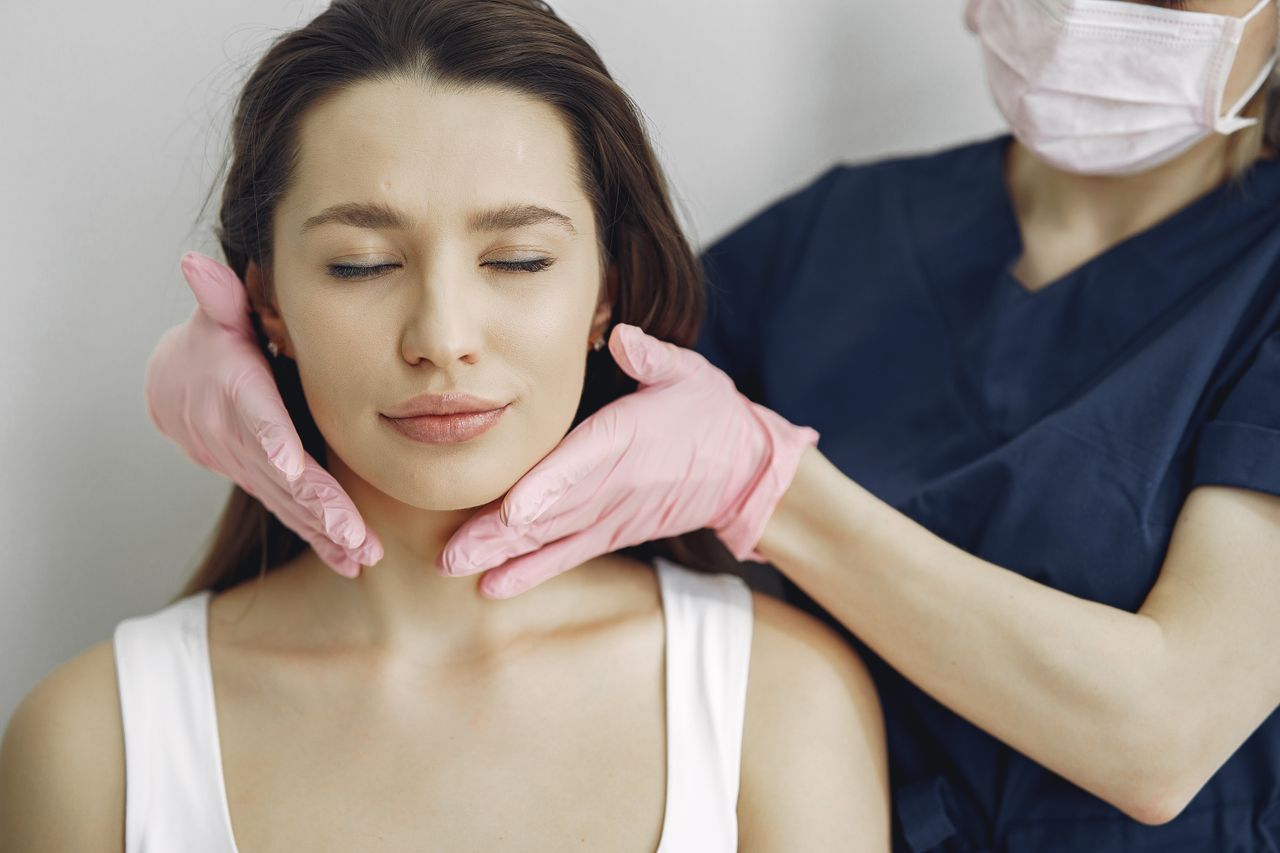
- Checking for sore spots or tight muscles along the cheeks and neck
- Measuring how the bite changes when lying back, not just while sitting
With this kind of close look, Dr. Cameron Kuehne can spot where the strain is hiding. Even a slight correction in how the jaw rests can reduce the muscle effort needed to keep things in place. Less effort means a more relaxed face, and less noise.
For many people in Meridian, this type of support helps connect the dots between tired mornings and how the body is holding itself at night. Sometimes it’s not the lack of sleep, but the way we stay tense while trying to rest.
Sleep Starts With the Right Fit
Snoring without sleep apnea doesn’t mean you have nothing to fix. It often means the cause is sitting close by, waiting to be noticed. Even a small shift in jaw position or bite can send sound through your nights and tension through your mornings.
If loud breathing keeps happening in your sleep and the usual fixes aren’t cutting it, it helps to look closer at the jaw. That tension might be the source, and Dr. Cameron Kuehne helps many people read those signs. Better rest often begins not with new tools, but with a better understanding of what your body needs to stay balanced.
Continued snoring and unrested mornings might mean your body is trying to tell you something. Jaw tension or poor alignment could be behind the noise, especially when other causes have been ruled out. Those searching for
CPAP alternatives in Meridian may find that adjusting how the jaw rests and moves during sleep offers real relief. At The Center For Sleep Apnea and TMJ, we focus on identifying hidden muscle patterns and bite habits. Contact us to discuss what might be causing your nighttime noise.