Understanding TMJ Disorders: Symptoms, Causes, and Treatment Options

At The Center for Sleep Apnea and TMJ in Meridian, ID, we focus our practice on helping patients with sleep apnea, snoring, TMJ disorders, and head and facial pain. One of the common conditions we encounter and treat is Temporomandibular Joint (TMJ) disorder. This condition, which involves dysfunction in the jaw's temporomandibular joints, has a significant impact on a person's quality of life, causing various levels of discomfort and limiting normal jaw functionality. With this article, our goal is to enlighten our readers about TMJ disorders, as well as the symptoms, potential causes, and treatment options available at our center.
Your temporomandibular joints connect your jawbone to your skull, thus playing a vital role in your daily activities like talking, chewing, and yawning. Luckily for most, the joints function smoothly and without issue. However, for individuals struggling with TMJ disorders, even the simplest movements can cause pain and discomfort. TMJ disorders can arise from various factors, ranging from genetic predispositions to environmental circumstances.
In this blog post, we will explore the common symptoms associated with TMJ disorders, helping readers identify if they may be suffering from this condition. We will dive into the potential causes behind these disorders and debunk some common myths about the development of TMJ pain. Furthermore, our experts at The Center for Sleep Apnea and TMJ will share their knowledge on the latest treatment options and strategies to alleviate pain and restore jaw functionality.
If you or a loved one suspect TMJ disorder is impacting your life, this comprehensive guide will provide the knowledge you need as a first step towards seeking professional guidance and treatment at The Center for Sleep Apnea and TMJ. Through education and understanding, we hope to empower our patients in their journey towards overcoming TMJ disorders and achieving optimal oral health and well-being.
Recognizing TMJ Disorder Symptoms
The primary step in addressing TMJ disorders is recognizing the symptoms associated with this condition. Some common signs and symptoms include:
- Jaw Pain and Tenderness: One of the most common symptoms of TMJ disorders is pain or tenderness around the temporomandibular joints, which may extend to other facial muscles and the ears.
- Limited Jaw Movement: Individuals with TMJ disorders may experience difficulty or discomfort when opening their mouths wide or while performing regular jaw movements like chewing, talking, or yawning.
- Clicking, Popping, or Grating Sounds: Hearing noises like clicking or popping when opening or closing your mouth can indicate TMJ disorder. However, these sounds alone may not warrant treatment unless accompanied by pain or limited jaw movement.
- Jaw Locking: In some cases, the jaw may get stuck in an open or closed position due to TMJ disorders, causing discomfort and limiting mouth mobility.
Understanding the Potential Causes of TMJ Disorders
It is vital to understand the potential causes of TMJ disorders to address the root cause and find an appropriate treatment. Factors contributing to TMJ disorders may include:
- Genetic Predisposition: Research suggests that some individuals may have a genetic predisposition to developing TMJ disorders. However, a combination of genetic and environmental factors likely plays a role in the development of this condition.
- Injury or Trauma: Direct injury to the jaw, temporomandibular joint, or the muscles surrounding it can cause TMJ disorders. Car accidents, sports injuries, or even dental procedures can contribute to the onset of the condition.
- Arthritis: Osteoarthritis and rheumatoid arthritis both can affect the temporomandibular joint, leading to TMJ disorders.
- Bruxism: Habitual clenching or grinding of the teeth can put excessive stress on the temporomandibular joint, which may lead to TMJ disorders.
Debunking Myths About TMJ Disorders
As we explore TMJ disorders, it is essential to debunk some common myths to help individuals better understand this condition.
- Myth: TMJ Disorders are rare.
Fact: Studies show that TMJ disorders affect about 5-12% of the adult population. Moreover, women are more likely to seek treatment due to TMJ disorders than men. - Myth: TMJ Disorders always require surgery.
Fact: Most cases of TMJ disorders can be resolved with non-surgical treatments, and only a small percentage of patients may need surgical intervention. - Myth: TMJ Disorders exclusively affect the jaw.
Fact: While TMJ disorders predominantly impact the jaw, the pain and discomfort can radiate to other parts of the head and face, including the ears, neck, and shoulders.
Treatment Options at The Center for Sleep Apnea and TMJ
At The Center for Sleep Apnea and TMJ, our experts offer a range of treatment options tailored to each individual's needs, addressing the underlying causes of TMJ disorders:
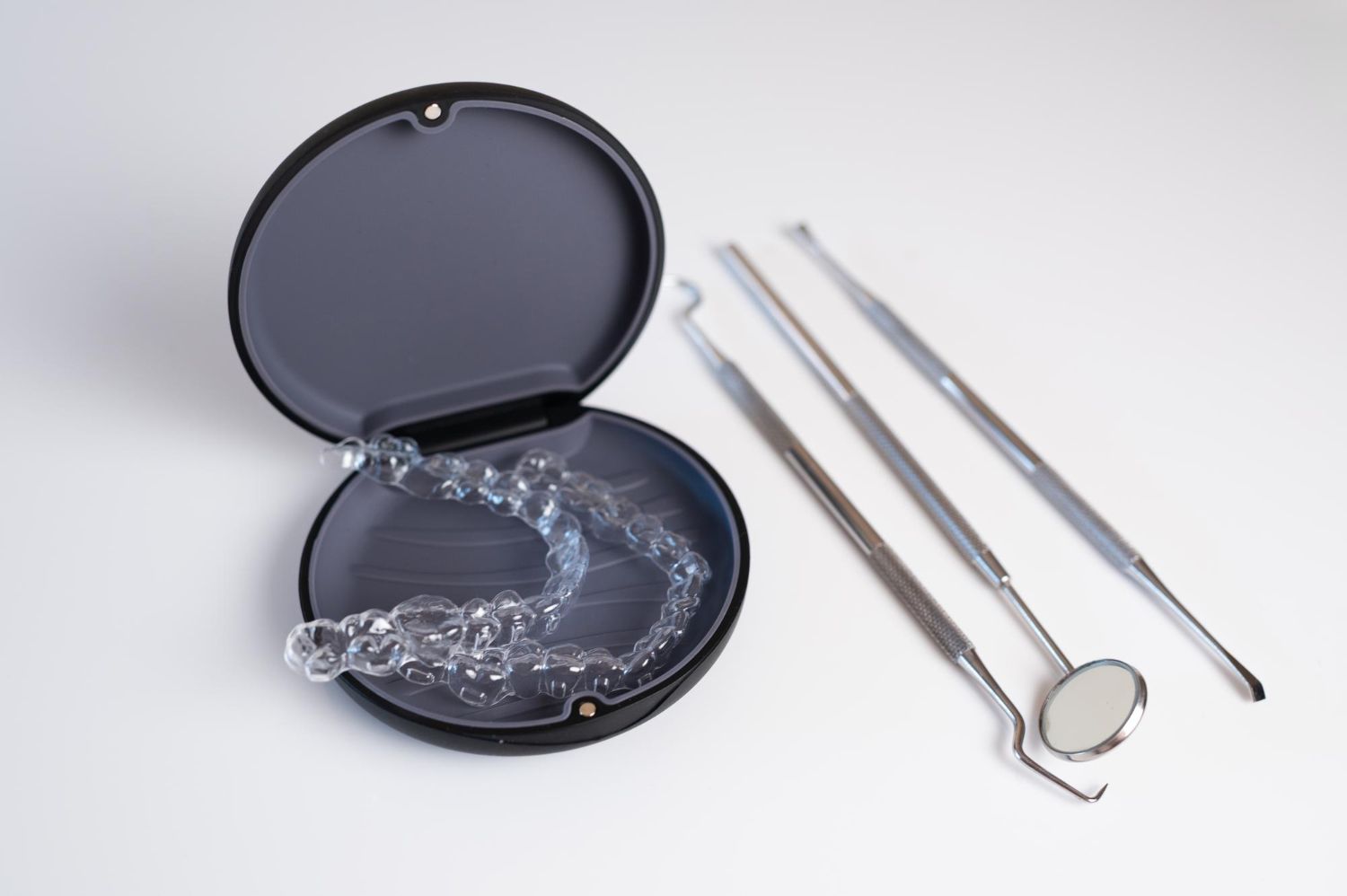
- Non-Invasive Therapies: These treatments aim to alleviate pain and restore jaw function without surgery. Examples include jaw exercises, physical therapy, stress management, and the use of occlusal splints or mouth guards.
- Medications: Anti-inflammatory medications, muscle relaxants, or even antidepressants may be prescribed to help manage the pain and discomfort associated with TMJ disorders.
- Dental Treatments: Malocclusion or misaligned teeth can contribute to TMJ disorders. Orthodontic treatment or dental restorations may be recommended to correct the bite and alleviate TMJ symptoms.
- Surgical Intervention: In severe cases, where conservative treatments were unsuccessful, minimally invasive surgical procedures such as arthrocentesis or arthroscopy may be considered. However, open joint surgery is rare and reserved for the most severe cases.
Conclusion
TMJ disorders can significantly impact an individual's quality of life, causing pain and discomfort while limiting normal jaw function. Our dedicated team at The Center for Sleep Apnea and TMJ is committed to providing personalized treatments to help patients overcome TMJ disorders.
Through a thorough understanding of TMJ disorder symptoms, causes, and available treatment options, patients can take informed steps toward better oral health and well-being. If you or a loved one is experiencing signs of TMJ disorders, contact our experts to begin your journey of TMJ disorder treatment in Meridian, ID, for a healthier, pain-free future.