What Makes TMJ Headaches Different from Regular Ones

Most people think of headaches as something that comes and goes with stress or lack of sleep. But sometimes, they hang around longer, feel sharper in strange places, or don’t get better with usual methods like rest or hydration. That’s often when we see signs of something more specific, like a TMJ headache.
The kind of head pain tied to jaw function is different from what many people might expect. For those seeking TMJ dysfunction treatments in Meridian, it’s often the unrelenting nature of the pain that starts the search. The jaw plays a bigger role in how our head feels than many people realize. When a joint as busy as the jaw is out of balance, tension can spread farther than just the mouth.
How TMJ Headaches Start
TMJ stands for temporomandibular joint. This joint connects the jaw to the skull and moves each time we talk, eat, or yawn. It works closely with muscles across the cheeks, temples, and neck. When any part of that system gets strained or misaligned, the resulting tension can trigger a headache.
This kind of pain isn’t always easy to spot at first. It often begins with tightness in the jaw or soreness near the temples. Over time, that tension spreads or begins to build into something that feels like a standard headache but doesn't react the same way to common relief methods like stretching or over-the-counter medication.
TMJ headaches tend to develop when:
- Muscles around the jaw are overused from clenching or teeth grinding
- The bite is off, causing one side of the jaw to work harder
- There’s inflammation in the joint that puts pressure on nearby nerves
That network of muscles and nerves makes it easy for discomfort to spread. Someone may think they have a neck strain when it’s really related to the jaw.
How TMJ Headaches Feel Compared to Regular Ones
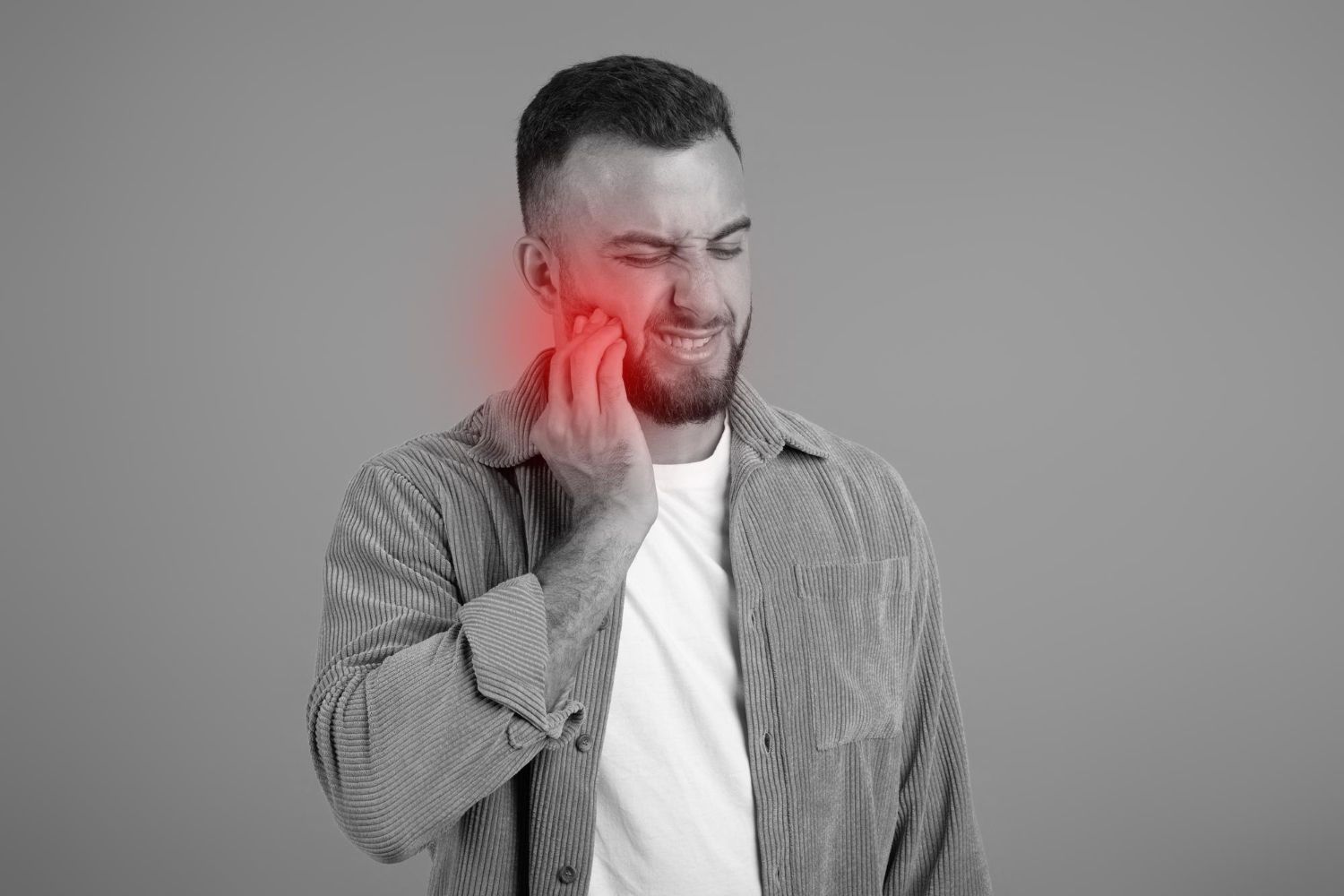
TMJ-related headaches don’t always sit in just one spot. They may start small and move into the temples or forehead, or they could feel like a dull pressure that sharpens when someone chews or speaks a lot during the day.
There are a few ways these headaches often differ from more familiar types:
- The pain might feel deeper in the face or behind the eyes
- It gets worse with jaw movement like talking, yawning, or eating
- It may feel one-sided or shift as the jaw engages
The triggers are also unique. Regular headaches may be linked to screen time, bright lights, or hunger. TMJ headaches, on the other hand, tend to flare when the jaw muscles are active or overloaded.
Someone might wake with a headache because they were clenching their jaw at night without realizing it. Or they notice it after a long phone call where they were talking for most of the time. When the jaw is behind the pain, everyday things can start to feel difficult.
Other Signs That Go Along With TMJ Headaches
TMJ headaches rarely show up alone. The joint and muscles involved have a lot of responsibilities, so when they’re not working well, other symptoms often appear too.
Common signs that may come with TMJ headaches include:
- Clicking or popping sounds when opening the mouth
- A jaw that feels stiff or doesn’t open smoothly
- Tired facial muscles, especially after eating or speaking
- Pressure that spreads from the cheeks to the upper neck
These added signs are helpful for tracking down the true source of the discomfort. They may feel small or unrelated at first but tend to show up in a pattern as the problem continues.
Feeling like your jaw has to “warm up” in the morning or noticing that chewing certain foods becomes uncomfortable could both be part of the larger picture. Those minor annoyances build up over time and may be easier to spot when looked at together.
This pattern of symptoms can sometimes overlap with other head and neck issues, which is one of the reasons TMJ disorders can go undiagnosed for a while. For instance, a person might think their jaw discomfort is caused by sinus pressure or a minor dental concern, but in reality, it’s the interaction between their jaw joint and the rest of the facial muscles. Even the simple act of yawning might leave their jaw feeling stiff, which is a subtle signal that the TMJ isn’t functioning optimally. Noticing these nuances can be useful in bringing more awareness to the underlying issue and encourages individuals to keep track of their symptoms over time.
When to Look Into Professional TMJ Dysfunction Treatments in Meridian
Headaches that happen often and don’t improve with common advice are usually a signal to dig deeper. That’s especially true when those headaches are paired with jaw pain, clicking, or stiffness. These signals often point to an issue with alignment or how the jaw muscles are working together.
Dr. Cameron Kuehne pays close attention to how someone’s jaw moves when trying to uncover the source of this kind of discomfort. No two cases are exactly the same, which is why patterns matter. Some people may clench more at night. Others might notice their bite shifts over the course of the day. That’s why noticing small changes can be such a big help.
We evaluate several key areas when TMJ is suspected:
- Whether the jaw shifts more to one side during opening and closing
- If the bite creates uneven pressure on certain teeth
- Whether muscles along the face and neck stay tense, even at rest
At The Center For Sleep Apnea and TMJ, every detail about how the jaw interacts with surrounding muscles plays a role in understanding what’s behind the headache.
Understanding the causes of jaw misalignment can help in identifying the best path forward for lasting relief. In some situations, the early symptoms are mild and come and go, but for others, the headaches persist for weeks or even months before a pattern is clear. Careful observation and documentation of when the discomfort arises can assist your provider in making a more accurate assessment. Also, discussing with your dentist or physician about jaw clicking, bite changes, or muscle tension can be an important step to ruling out other conditions.
A comprehensive look at lifestyle, posture, and nighttime habits will also contribute to targeted treatment plans. For instance, people who find themselves clenching their jaw during stressful meetings or while driving long distances are often surprised by how much this behavior influences their headache patterns. Noticing the exact timing, frequency, and intensity of both headaches and TMJ symptoms can empower you with details that benefit your care.
Bringing Head Pain Into Focus
TMJ headaches can be frustrating because they often hide in plain sight. Many people try to treat them like regular headaches, but the relief never sticks. That’s when it helps to take a second look at what the jaw is doing during the day and night.
Dr. Cameron Kuehne focuses on how the small parts of everyday movement add up. Something as minor as jaw tension after a meeting could reveal a bigger pattern. Getting a closer look at jaw alignment, bite, and muscle balance often makes all the difference. When regular methods don’t seem to cut it, understanding that link between jaw motion and headache pain can lead to something clearer, and more comfortable.
When headaches don't follow the usual rules, it may help to take a closer look at what your jaw is doing. Movements like chewing or yawning shouldn't bring on sharp pain, and a stiff jaw is worth addressing. We've seen many people miss the connection between facial tension and ongoing headaches until those patterns are identified. To learn more about the link between jaw alignment and head pain, explore TMJ dysfunction treatments in Meridian. If the pain persists, we at The Center For Sleep Apnea and TMJ are here to help you take the next step.