Guide to Understanding TMJ Clicking and What It Means
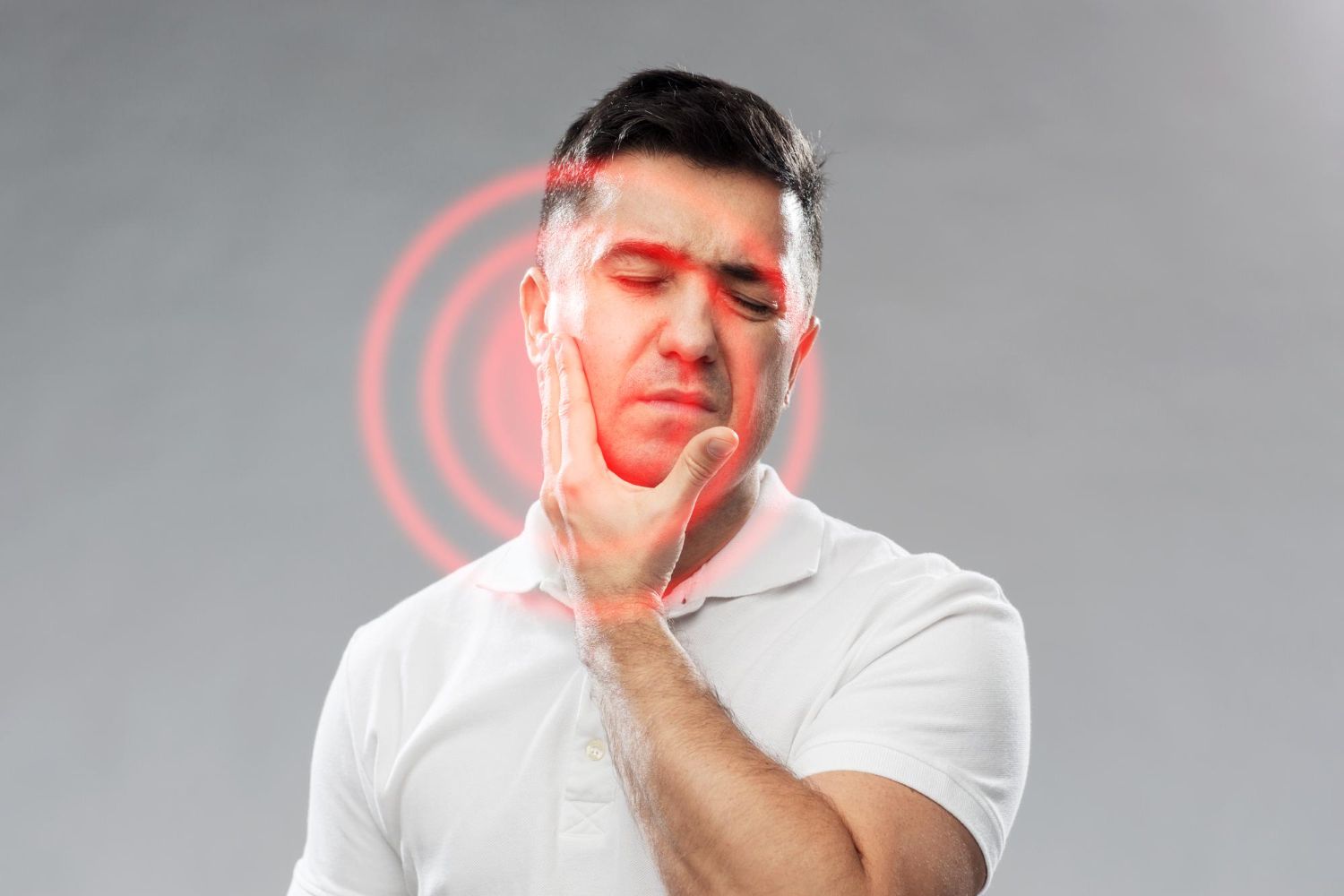
Hearing a click in your jaw can feel weird, especially when you’re chewing or talking. It might happen once, or keep popping up every time you open wide. At first, most people just brush it off. But over time, that little click can start to sound louder, show up more often, or even come with some pain. That’s when it’s worth paying more attention. When people around Meridian start to notice ongoing clicking, they sometimes check in with The Center For Sleep Apnea and TMJ. If they’ve heard of the center for sleep apnea and TMJ in Meridian, they might be surprised to learn help is also close by.
Jaw clicking doesn’t always mean something serious. Still, it can be a clue that your jaw joint isn’t moving the way it should. Figuring out where the sound comes from and what it might mean helps make the next steps feel clearer.
What Causes TMJ to Click
Your jaw joint, called the temporomandibular joint or TMJ, works like a tiny sliding hinge. It connects your jawbone to your skull and moves every time you chew, talk, or yawn. When that joint moves out of its usual pattern, it might make a click, pop, or snap.
Several things can throw off its smooth movement. Common causes of a clicking TMJ include:
- Joint misalignment, where the bones don’t line up the way they’re supposed to
- Strained muscles that tighten and pull the joint in the wrong direction
- Clenching or grinding your teeth during the day or while sleeping
Habits that build tension, like chewing gum all day or biting your nails, can add extra stress on the joint, too. Stress itself plays a part, especially when it leads to jaw tightening without even noticing it.
Sometimes, people find themselves absentmindedly clenching their jaw when they’re focused or anxious. Over time, this can develop into a habit that becomes difficult to break. Genetics may also be involved, with some individuals being more prone to joint issues due to the way their bones and muscles are shaped. Past injuries, such as accidentally being hit on the chin or having dental work that changes the bite, may also contribute to jaw sounds. Additionally, arthritis (which affects joint tissues) can cause further irritation and clicking.
When Clicking Becomes a Sign of Something More
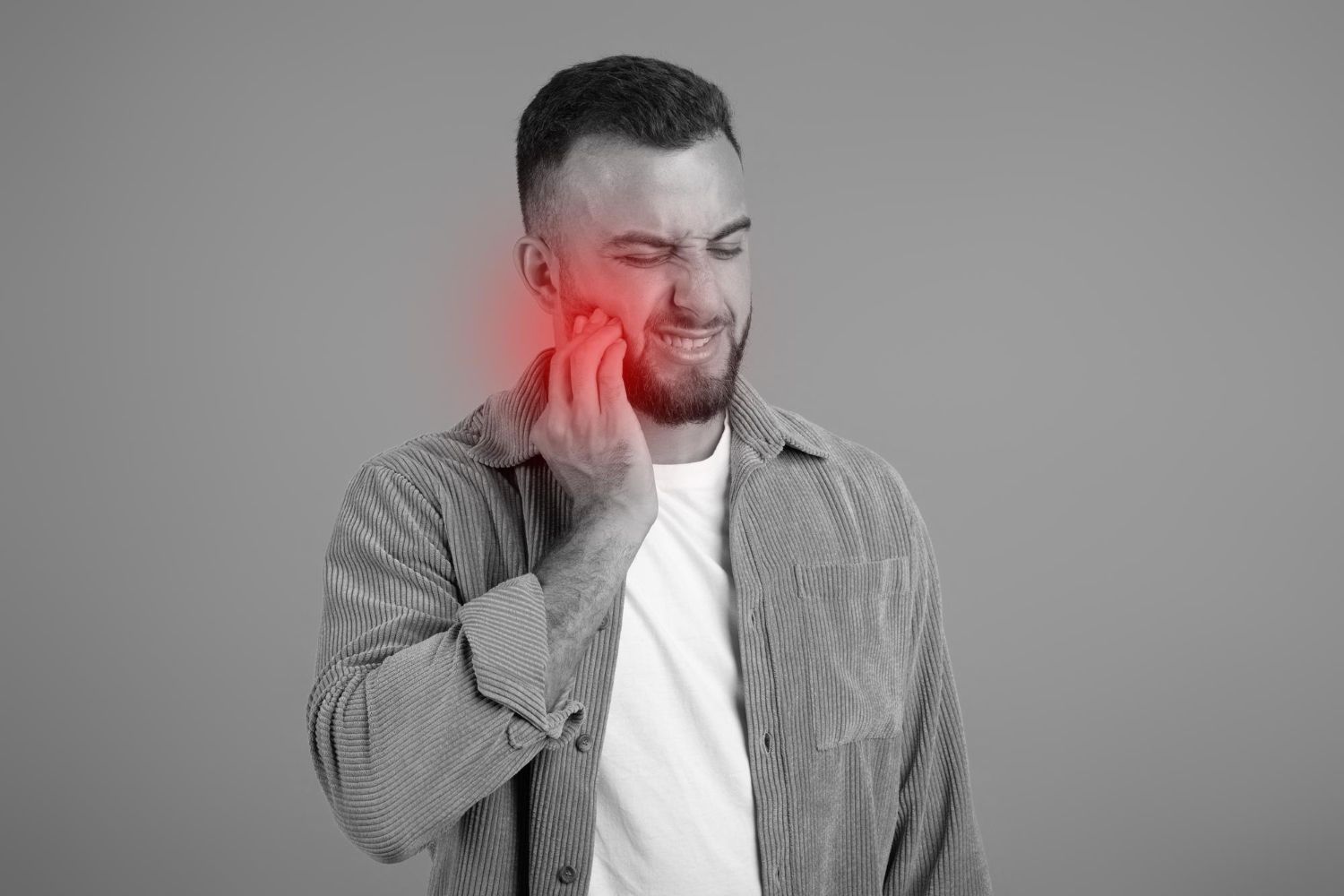
A quick pop here or there might not be anything to worry about. But if clicking keeps happening, gets louder, or starts to feel different, it’s probably time to take a closer look. Sometimes that clicking comes with pain, tightness, or even a stuck feeling when trying to open your mouth.
Here are a few signs that TMJ clicking may be more than just a noise:
- Your jaw feels sore or stiff after eating, yawning, or talking
- The joint area near your ears feels swollen or tender
- You notice your bite doesn't line up the same as it used to
When these symptoms stick around, it can signal a joint under stress. If left alone, small problems could turn into bigger ones, making it harder for the joint to heal on its own.
In some cases, additional symptoms might begin to show up. For example, persistent headaches can arise due to muscle tension around the TMJ. Earaches or ringing in the ears may mistakenly be attributed to unrelated issues, but they are sometimes connected to problems in the jaw joint area. Some people even experience difficulty swallowing or notice a feeling of fullness near the jaw, especially as inflammation increases. Paying attention to these warning signs is important because ignoring them can lead to longer recovery times and increased discomfort.
How TMJ Clicking Affects Daily Life
Many people don’t connect jaw clicking to other things they’re feeling day to day. But over time, untreated TMJ clicking can affect more than just the sound you hear.
You might notice changes like these:
- Discomfort when biting into food, even something soft
- Awkward or uneven jaw movement when you smile or speak
- Trouble falling asleep if the area around your jaw feels tender
The joint controls many small, everyday actions, and once the clicking grows worse or more frequent, it can start interfering with simple tasks. What started as an occasional click might soon feel like a constant annoyance.
In daily routines, the jaw plays a key role. Having trouble opening your mouth fully might make it hard to eat certain foods or pronounce words clearly. Sleep quality can also be affected, especially if discomfort lingers into the night or keeps you from finding a relaxing position. Some people report feeling self-conscious about the noise, especially in quiet environments, which can detract from social enjoyment. Stress from worrying about the cause may even add to muscle tension, creating a cycle that’s hard to break.
Personal relationships and social life can feel the impact too. Someone who is embarrassed by the sound or feels pain while laughing or speaking may avoid certain situations. Over time, this can lower confidence and reduce overall quality of life. While some people try to mask discomfort by changing their eating habits or skipping tough foods, others might not realize how much their jaw symptoms influence daily choices until they look back.
What Dr. Cameron Kuehne Looks for During a Jaw Evaluation
When someone comes in with a clicking jaw, Dr. Cameron Kuehne starts with a thoughtful look at how that joint moves. The evaluation isn’t rushed. It’s step-by-step and meant to find where the clicking starts and how the surrounding muscles play a part.
He may check for:
- Whether the joint clicks at a specific point when opening or closing
- Changes in how wide the jaw can open comfortably
- Muscle tenderness or stiffness around the face and neck
We pay close attention to movement patterns, the small ways the jaw shifts side to side or forward and back, and any strain that shows up around the joint. The goal is to find out what’s behind the clicking instead of only looking at the sound.
Dr. Cameron Kuehne looks for early signs that the joint is moving under pressure. By noticing how the joint and muscles work together, we try to calm things down before pain or stiffness becomes a daily problem.
If needed, Dr. Cameron Kuehne may also use imaging or listen for subtle shifts in how different sides of the jaw behave. He may inquire about any history of clenching, unusual habits, past injury, or even sleep disruptions related to jaw discomfort. These details add valuable context, helping to create a more comprehensive evaluation and guiding the way toward appropriate support. The whole purpose is to provide insight and reassurance, helping the patient understand their symptoms without fear or confusion.
Getting the Right Help for TMJ Clicking
Watching and waiting may be okay if a click happens once or twice. But when the clicking keeps returning or starts to hurt, getting help early matters. Finding the source of the movement problem helps you avoid habits that make it worse. Even if many people think of the center for sleep apnea and TMJ in Meridian, the good news is people in Meridian don’t need to go far to get thoughtful support from someone like Dr. Cameron Kuehne.
We start by watching jaw function closely. Light-touch evaluations help us notice how the muscles feel when relaxed and when moving. Over time, this care helps spot small changes that make a big difference.
Help for clicking does not have to be complicated. It’s about calming irritated areas, reducing tension, and letting the joint work the way it should. The earlier that happens, the easier it often is to restore smoother movement.
Some people find that a few small modifications, like moderating chewy or crunchy foods, or mindfully relaxing the jaw during stressful moments, can speed the recovery process. Education about posture and stress reduction techniques may be recommended to minimize repeated strain. As part of ongoing care, follow-up visits help monitor improvement and adjust advice based on progress, keeping the plan truly personalized.
Why Quieting the Click Can Bring Big Relief
When jaw clicking begins to interrupt your everyday life, it can be hard to ignore. Getting a better handle on what causes it can help move things in the right direction. Change doesn’t need to be a big overhaul, just small adjustments put in place with care.
Most importantly, hearing the sound early and moving toward support can make a difference. With someone like Dr. Cameron Kuehne guiding the process, that faint click does not have to become something bigger. It can simply be a sign that your jaw is ready for some timely attention.
Ongoing jaw clicking affecting how you chew, sleep, or speak can signal it's time for a closer look. We often hear from people who first searched for help through places like the center for sleep apnea and TMJ in Meridian, only to find the care they need is right here in Meridian. Dr. Cameron Kuehne puts care into every evaluation, focusing on the jaw's movement and what it needs to feel more comfortable. When something catches your attention each time you open your mouth, let's talk about it. Reach out to The Center For Sleep Apnea and TMJ to get started.