Why Ear Pain Might Actually Be a Jaw Problem
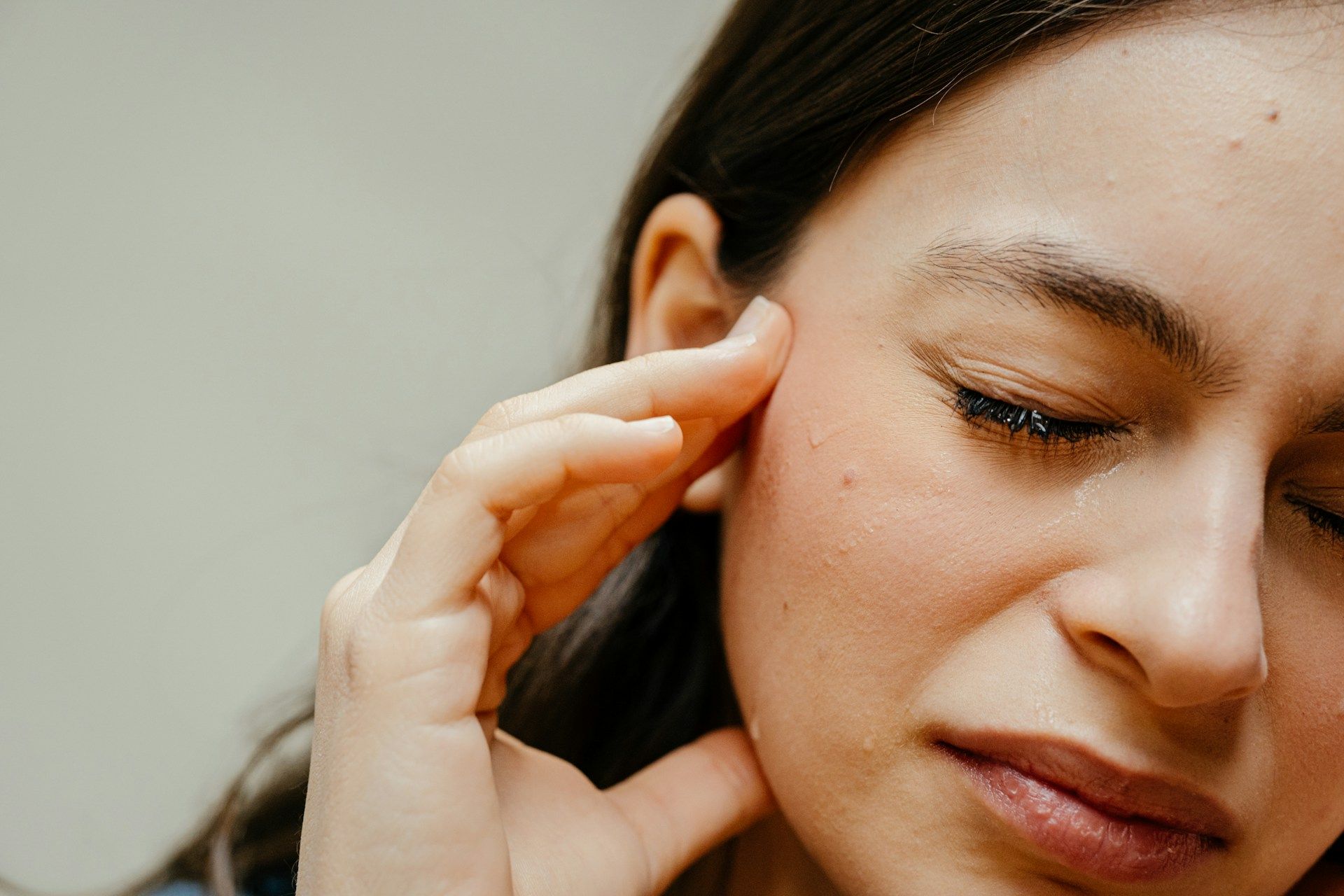
When your ear hurts, it’s natural to assume the problem starts there. But sometimes the real issue is coming from somewhere else entirely. A common cause that often flies under the radar is the jaw joint. This joint, called the temporomandibular joint (or TMJ), sits just in front of your ears. When it’s not working as it should, it can create pain that feels like it's coming from the ear itself.
We often meet people who think they’re dealing with an ear problem, only to learn their jaw is actually the reason. TMJ issues can show up in surprising ways, and one of them is that sharp or dull ache just near the ears. People looking into TMJ dysfunction treatments in Nampa are often surprised when what seemed like an ear issue turns out to be jaw-related. That connection is what we’re exploring here, especially for those in Meridian who want to get ahead of what’s really going on.
What Is the TMJ and How Can It Affect the Ear
The TMJ helps your jaw move every time you speak, chew, or yawn. It sits right at the spot where your lower jaw meets your skull, close to the ear canal. This area is packed with muscles, bones, and nerves that all work together with the jaw and face.
When the TMJ starts to tighten, shift out of place, or show stress from grinding, it can put pressure on the nearby parts of the ear. That pressure doesn’t stay in the joint either. It can travel up through the head or toward the ear, leading to strange feelings like popping, fullness, or even pain inside the ear that has nothing to do with hearing.
Because of where it’s located, it’s easy to misread what your body’s trying to say. Instead of looking at the jaw, most people treat the ear first. But when standard ear checks don’t uncover a cause, it may be time to check in with someone who understands jaw movement like Dr. Cameron Kuehne.
At our practice, we see firsthand how interconnected the structures of the jaw and ear really are. Many times, patients are surprised to discover how adjusting the way their jaw moves changes how their ear feels. Small shifts or misalignments can place unusual strain on the sensitive tissues surrounding both the jaw and ear canal. This can result in persistent discomfort that traditional ear treatments don’t resolve.
Signs Your Ear Pain Could Be Coming From Your Jaw
If ear pain keeps showing up without a clear cause, there’s a chance the jaw might be playing a role. Here are a few things we’ve noticed that often link the two together:
- A steady or sharp pain near the ear during chewing, yawning, or jaw movement
- Clicking or popping sounds when opening or closing the mouth
- A jaw that sometimes feels like it catches, sticks, or shifts out of place
- Muscle tension that starts at the jaw and spreads to the neck, head, or shoulders
- Ear pain that doesn’t improve even after ruling out infections or other problems
When several of these symptoms show up together, it can point toward something more mechanical in the jaw and less related to the ears themselves.
Sometimes ear pain from jaw issues can also come with other subtle symptoms. These may include a feeling of fullness in the ear, intermittent ringing or buzzing sounds, or even difficulty hearing clearly for short periods. If you find that standard ear treatments haven’t provided relief, tracing the source back to jaw mechanics becomes even more important. Different types of TMJ dysfunction can mimic a variety of ear complaints, so an evaluation focused on jaw movement may reveal connections you hadn't considered.
It’s also worth noting that jaw problems can fluctuate day to day depending on stress, posture, or even what you eat. Chewing tough foods or excessive gum use might temporarily increase symptoms. Over time, repeated strain can compound, leading to more persistent issues if not addressed.
Why TMJ Issues Can Be Misdiagnosed as Ear Infections
Ear pressure, throbbing, and pain often make people think of infections right away. And that makes sense. But when there’s no actual infection and the discomfort keeps returning, it’s easy to feel stuck.
We’ve worked with many people who spent months or longer trying to fix a supposed ear issue, only to learn that the cause was tucked inside the joint just next to it. That confusion happens when the symptoms often overlap.
TMJ problems can mimic the feeling of ear infections, which makes it hard to tell the difference without a deeper look. Dr. Cameron Kuehne spends time examining how the jaw performs under pressure, how muscles react, and what kind of patterns show up in daily movement. That’s often how we uncover what’s really going on.
In many cases, primary care doctors and ENTs may first look for signs of infection, fluid buildup, or allergies as key causes of discomfort. If these are ruled out but the pain continues, patients sometimes end up cycling through different medications or ear drops without meaningful change. Recognizing the overlap between jaw and ear symptoms can prevent unnecessary treatments and guide you more quickly to the right kind of relief.
Another reason TMJ issues are misdiagnosed is that the pain pathway between the jaw and ear travels through shared nerves and muscles. This overlap blurs the line between actual ear disease and referred pain from the temporomandibular joint. As a result, pursuing a collaborative approach that considers both possibilities is often the best way to reach a solution.
What to Know About TMJ Dysfunction Treatments in Nampa
When jaw problems are causing ear pain, short-term fixes usually don’t feel like they work. That’s because they’re not aimed at the real issue. Whether someone is in Meridian or looking into TMJ dysfunction treatments in Nampa, the path forward almost always begins by studying the way the jaw functions day and night.
Jaw and facial muscles can stay tight for long periods without anyone noticing. We check for stiffness, alignment issues, and how the bite closes. At our Meridian office, TMJ care often starts with conservative options like custom oral splints and may include supportive therapies such as therapeutic injections or TENS therapy to calm irritated muscles. That lets us see exactly where changes start happening. Dr. Cameron Kuehne often begins with very low-pressure methods aimed at relieving muscle stress and easing joint strain. This can help prevent more damage and bring relief where it’s needed most.
For many people, ear pain is just the signal, the actual road back to comfort starts by helping the jaw move and rest the way it should.
Effective treatment plans are highly individualized. What works for one person’s jaw tension may not be right for someone else, especially if their pain varies throughout the week or is triggered by certain activities. Monitoring your symptoms and noting any patterns can help Dr. Cameron Kuehne tailor your care more precisely. The goal is always to promote natural healing and restore comfortable movement around the joint.
Supportive therapies may focus on relaxing irritated muscles, improving bite alignment, and encouraging gentle movement within your natural range. By observing gradual improvements and making careful adjustments along the way, long-term relief from both jaw and ear symptoms becomes possible. For those who have struggled for months without answers, learning that relief can begin with jaw care offers new hope.
A Better Path Forward to Ease Discomfort
Pain near the ear can be frustrating, especially when the source isn’t clear right away. But it doesn’t always start where it seems. Small changes in jaw movement can have a big impact on other parts of the head and face, including the ears. When those symptoms show up often or feel familiar, it may be time to think beyond ear-focused answers.
Meridian residents and our neighbors in Nampa don’t have to guess whether the pain is coming from the ear or the jaw. By learning how the TMJ affects everything around it, people can find more clarity and start finding comfort again. Dr. Cameron Kuehne helps uncover those hidden connections so that people get more than temporary relief, they get direction that makes sense.
Recurring ear pain can make you feel unsure about where to turn next when symptoms overlap. We've seen many people find real relief after discovering their pain is linked to jaw function. To learn more about how we approach care for jaw-related discomfort, especially for those considering TMJ dysfunction treatments in Nampa, we welcome you to contact us at The Center For Sleep Apnea and TMJ.