Why TMJ Pain Is Worse When You're Stressed Out

Clenching your jaw might not feel like a big deal. In fact, most people in Meridian don’t even realize they’re doing it. Whether it’s stress at work, grinding during sleep, or just daily tension, clenching can sneak in without warning. But over time, this small habit can lead to some major discomfort.
If you’ve been looking for a TMJ Dentist in Meridian, you might already be wondering why your jaw hurts every morning or why your bite feels off. Many of these problems are connected to tiny jaw movements happening night after night. Knowing how clenching can affect the joints in your jaw helps you stay ahead of long-term pain.
What Is Clenching and Why Do We Do It?
Clenching is exactly what it sounds like. It's when we press our upper and lower teeth together with more force than we should, often without meaning to. For some people, it only happens when they’re stressed, while others grind and clench their teeth during sleep and never know it’s happening.
There are a few common reasons clenching starts:
- Stress or anxiety that causes the muscles in your face to tighten
- Jaw misalignment that leads to unequal pressure while chewing or resting
- Tension buildup from poor posture or daily habits like gum chewing
What makes clenching tricky is that it’s hard to catch in the moment. You might only notice it after the damage has started to set in, like sore jaw muscles or headaches that show up first thing in the morning. Even daily tasks, such as concentrating at your computer or feeling anxious during meetings, can lead to subtle but repetitive clenching. Many people develop this habit over time, especially when their schedules feel unpredictable or stressful.
This automatic reaction often serves as a way for our bodies to cope with underlying pressure, even when we don't fully realize it. Some may only find out about their clenching when their dentist spots signs of wear on their teeth. Others discover their jaw tightness when they wake up fatigued or unable to open their mouth as easily as before. Understanding what triggers your own clenching can help in managing it before more significant jaw problems begin to develop.
How Clenching Impacts the TMJ Over the Years
Your jaw isn’t just a bone. It’s a moving joint, called the temporomandibular joint, or TMJ for short. This joint lets your mouth open, close and move side to side. But it also goes through a lot of pressure when clenching becomes a daily pattern.
Over time, all that extra stress adds up. The surfaces inside the joint begin to wear down. Muscles around that area get tight and overworked. You might hear a pop when you chew or feel stiffness every time you talk or yawn. The longer those movements continue, the more the TMJ struggles to move the way it should.
We watch for all of this closely. At The Center For Sleep Apnea and TMJ, we are a dental clinic dedicated to helping people with sleep apnea, snoring, and TMJ pain, so we see every day how ongoing clenching can change the way the joint functions. Catching things early means the jaw doesn't have to stay locked in a painful cycle.
With persistent clenching, the cushioning discs inside the joint can become inflamed or even shift out of place. This sometimes leads to more audible clicks or locking sensations that signal imbalances within your jaw structure. Overworked muscles surrounding the TMJ may begin to feel sore to the touch, which makes chewing and speaking uncomfortable. While these issues can develop gradually, many people in Meridian only notice them after several months or years when discomfort has started affecting everyday activities.
As this cycle continues, the jaw's normal ability to recover each night is disrupted. The surrounding tissues may never fully relax, so what starts as a mild ache can progress into persistent pain. Sometimes, this affects neck and shoulder muscles as your body tries to compensate for unbalanced jaw movement. Over time, people notice more frequent interruptions while eating, talking, or even smiling.
Signs That Clenching May Be Hurting Your TMJ
A lot of people assume that sore jaws or dull headaches are from sleeping wrong or not drinking enough water. While those might be factors, clenching often plays a bigger role than expected.
Here are a few signs that clenching might be quietly weighing down your jaw:
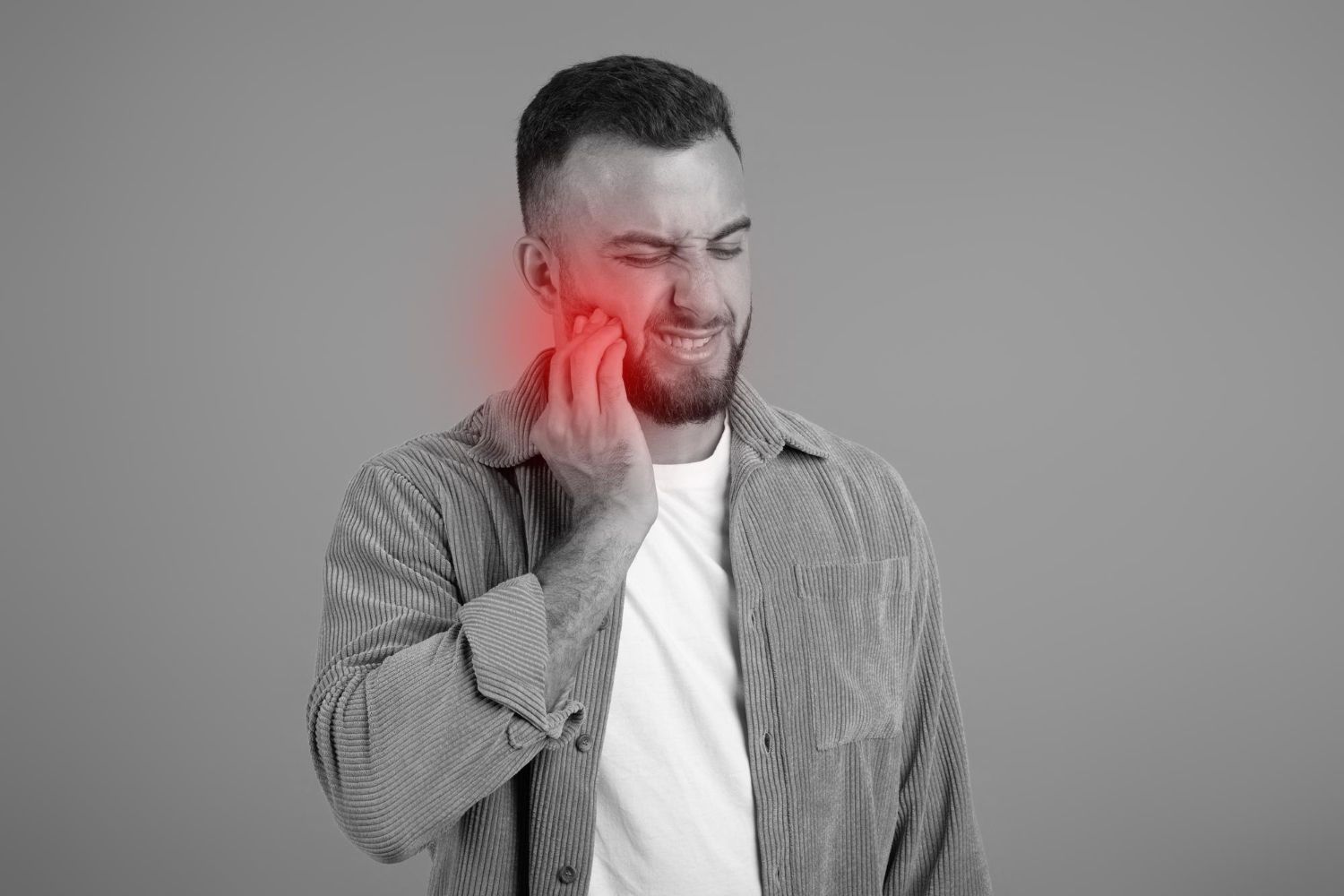
- Pain or tightness around your face when waking up
- Popping, clicking, or grinding noises when eating
- Tender teeth that don’t seem to have any dental issues
- A bite that feels different or off-balance
- Frequent tension headaches, especially in the morning
We’ve noticed that many in Meridian live with these symptoms without linking them back to their jaw. It’s only after attention is given to these signs that clenching gets identified as part of the root cause.
Habitual clenching can wear down the protective enamel on teeth, making them sensitive to hot or cold foods and beverages. Some people notice that their night guard, if they use one, shows signs of wear more quickly than expected. Others find that their jaw’s range of motion is reduced, making it difficult to yawn fully or eat firmer foods. These subtle changes can impact daily routines and limit the foods you’re comfortable eating.
It is also common for long-term clenching to create a feeling of fatigue in the jaw muscles after even light activity, like talking for long periods or laughing. If you’re aware of muscle tension at the end of the day or notice that your bite no longer feels aligned, these are additional signs that ongoing clenching may be influencing the health of your TMJ.
What Dr. Cameron Kuehne Looks for in TMJ Health
Dr. Cameron Kuehne looks deeper than just where it hurts. When we meet with someone who’s been struggling with jaw pain, we look at how the jaw moves, how the muscles behave in different positions, and how the bite comes together.
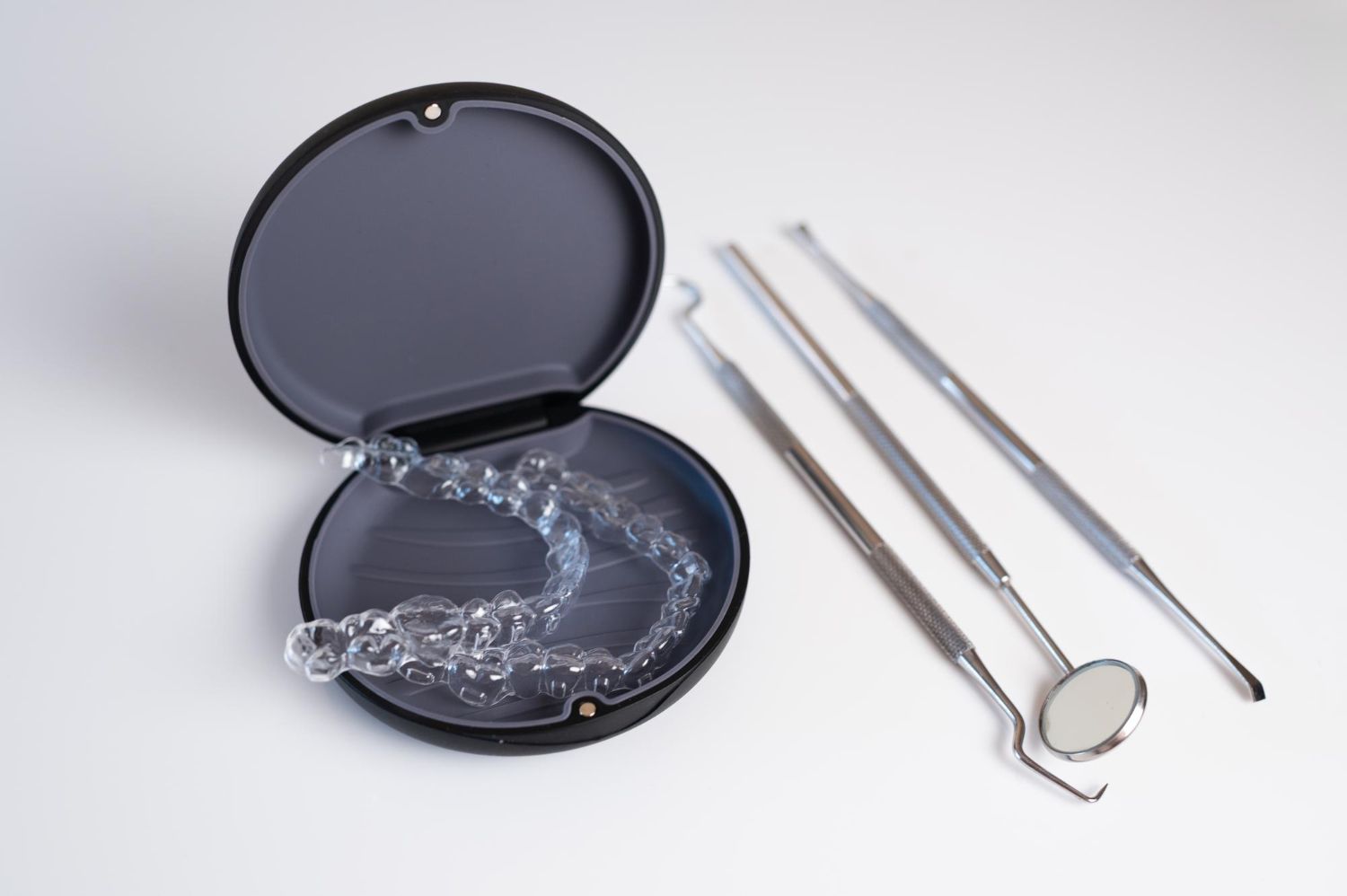
Jaw function tells a full story. A tight jaw might signal nighttime clenching. Muscle irregularities can show uneven pressure. Even the smallest misalignment might explain why one side of the face feels different than the other. With years of experience, Dr. Cameron Kuehne connects these dots to better understand where your discomfort begins. In our office, TMJ care often starts with conservative options like custom oral splints for daytime and nighttime use and may include supportive therapies such as therapeutic injections or massage to ease strain on the joint and surrounding muscles.
While some may look for a TMJ Dentist in Meridian, many end up finding more focused care here in Meridian. That move toward personalized help often starts when early signs of clenching are recognized and explored more fully.
A thorough exam considers any popping, clicking, or deviations during jaw movement, as these provide clues about the jaw’s alignment and pressure distribution. Dr. Cameron Kuehne may also pay attention to whether certain muscles feel warm or inflamed, which can be a reaction to chronic overuse. When listening to patient stories, the patterns of discomfort, such as when jaw tightness begins or what activities worsen pain, reveal much about the longtime effects of clenching.
Gathering all this information helps form a clearer picture of TMJ health. Sometimes, diagnostic tools like imaging or jaw tracking are used to see exactly how the joint functions. Combining clinical findings and patient feedback allows for the most accurate, tailored recommendations to address both the cause and the symptoms of jaw pain.
The Importance of Personalized TMJ Care in Meridian
Every jaw works differently. That means care for TMJ conditions can’t be one-size-fits-all. A person who clenches at night might need something entirely different from someone whose jaw shifts slightly off-center during the day.
What matters most is that care matches the way your jaw moves and responds. At The Center For Sleep Apnea and TMJ, we look at every part of the picture, the way muscles relax, how the joint opens, how the bite lands. That kind of attention helps make sure nothing is missed. Our Meridian office is Idaho's only accredited dental sleep center with boarded dental sleep and craniofacial pain doctors, so your care is guided by professionals who focus on these conditions every day.
And while clenching might seem like a small part of everyday stress, here in Meridian, we see how much it can affect day-to-day comfort. Taking time to examine those patterns helps ease discomfort before it turns into something bigger.
Our approach involves ongoing monitoring to see how changes in clenching habits correspond to shifts in pain or movement. Developing a deeper awareness of your own muscle tension, jaw position, and daily habits helps patients make informed adjustments that can have a lasting impact. In some cases, simple modifications in sleep posture or stress management can lead to meaningful improvement, even before more advanced interventions are considered.
Additionally, working with a TMJ Dentist means you get feedback and support throughout your care. Understanding that everyone's jaw responds differently helps keep expectations realistic. For patients in Meridian, personalized strategies ensure the source of discomfort is thoroughly examined, and that relief is achievable in a way that matches each person’s lifestyle and needs.
Easing the Pressure Before Things Get Worse
Jaw clenching often flies under the radar. But if left unchecked, something that starts small can wear down your joint and create lasting discomfort. Many signs don’t show up right away. When they do, they sometimes look like other issues. That’s why early attention matters.
Dr. Cameron Kuehne focuses on catching these quiet habits before they lead to more pain. By watching your bite, tracking muscle stress, and noticing patterns in how your jaw moves, we help support long-term comfort and healthier movement. For anyone noticing tighter mornings or changes in how the jaw feels, it’s worth paying closer attention to what clenching might be doing beneath the surface.
Searching for relief from jaw pain or facial tension can be frustrating when the cause isn’t clear. At The Center For Sleep Apnea and TMJ, we focus on identifying small habits like clenching that often go unnoticed yet have a big impact over time. Many of our Meridian patients first consider seeing a
TMJ Dentist in Meridian before realizing that our local, focused care can truly address their concerns. Dr. Cameron Kuehne carefully examines each person’s bite and jaw movement to uncover patterns behind the discomfort, so if your jaw has felt tight or sore, now is the time to talk with us.