How Dr Cameron Kuehne Approaches Sleep Apnea Without CPAP
Some people think treating sleep apnea always means using a loud machine or wearing a mask every night, but that is not the only way. Many in Meridian are looking for other answers. At The Center For Sleep Apnea and TMJ in Meridian, Dr. Cameron Kuehne takes a different direction. He focuses on how your body naturally breathes when it's aligned and relaxed. His approach helps quiet the struggle to breathe at night without depending on equipment.
By looking closely at how the jaw moves and rests, Dr. Cameron Kuehne works to solve the root cause instead of patching the symptoms. His care style feels more natural and works with how your body is built. He looks at alignment, tension, and daily habits to help make nights easier and mornings a little clearer.
While some may not realize it, healthy sleep is closely connected to how the jaw and facial muscles behave. For many, resolving airway restriction during sleep is not only about medical equipment, but also about mechanics: the position, support, and tension of the jaw. Dr. Cameron Kuehne aims to guide his patients to a natural, comfortable jaw alignment that can support the way they breathe at night. Understanding these elements can help show a clearer path to easier, quieter nights and more rested mornings.
How Jaw Position Influences Breathing During Sleep
The position of your lower jaw can either help you breathe freely or get in the way. When the jaw drops too far or is misaligned, it changes the shape of your airway. That shift can narrow the path where air should move, making it harder to breathe quietly or easily.
At night, the muscles relax. If the jaw does not hold in a strong, steady place, it might sag backward, letting tissue fall into the airway. This does not fully block breathing, but it can create noise or startle you awake without you knowing why.
Dr. Cameron Kuehne pays close attention to how your jaw naturally rests as you start to fall asleep. During exams, he watches how far the jaw moves and notices whether muscle tightness is pulling it into an odd angle. By seeing these patterns, he finds where slight changes may lead to better airflow during sleep.
Jaw position can also affect how deeply and continuously you sleep. If breathing is interrupted, the body's rest cycle gets disrupted, causing repeated wakefulness. Small changes in alignment, sometimes as little as how the teeth come together, can mean the difference between restless nights and a sleep that leaves you feeling refreshed. Recognizing the signs of jaw misalignment early, such as waking up with a dry mouth or experiencing frequent sore throats, can offer valuable clues for improving breathing during sleep.
The Role of Custom Dental Devices
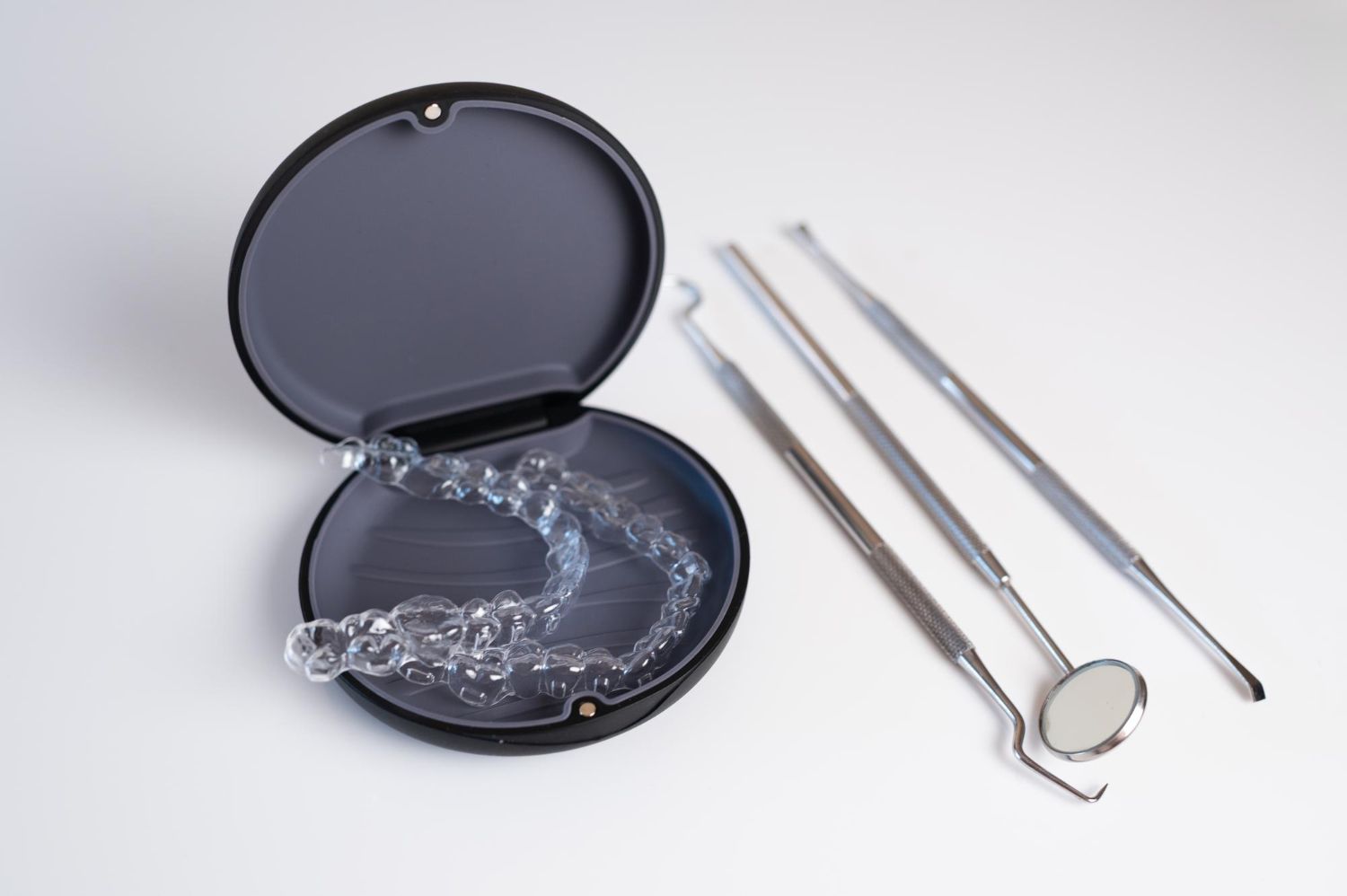
One way Dr. Cameron Kuehne supports better breathing is by making simple, custom dental devices. These are not the same as the soft, one-size-fits-all guards you find at the store. They are made to fit how your jaw naturally wants to sit and how your airway flows.
Many nightguards only protect teeth from grinding. They may actually let the jaw drop more, pulling the airway tighter instead of opening it up. That is why these custom devices matter. They do more than just hold space. They gently train the jaw to stay in a position that supports breathing.
When the jaw stays balanced, air flows more smoothly. It can make nights quieter and rest deeper. These tools do not feel bulky like machines or masks. They often feel like a natural fit that works with how your jaw already moves.
Custom dental devices are designed after careful measurement and observation. Dr. Cameron Kuehne takes the time to assess the structure of your bite, the elasticity of your facial muscles, and your sleep patterns, ensuring the device is tailored to you. Over time, patients notice not only reduction in noise from snoring but also a general sense of improved well-being. The advantage of these devices is they are created specifically for your mouth, allowing for ongoing comfort and adaptability as your body responds.
Muscle Tension and Its Impact on Snoring
Jaw tension does not just cause soreness. It can also show up in loud breathing during the night. When muscles in the face, jaw, or even neck are too tight, they stop the jaw from resting where it should. That tightness then pushes on nearby tissues, adding pressure.
This pressure can make the airway vibrate, which leads to snoring. The more the tension builds, the louder it may get. Dr. Cameron Kuehne looks at these small signs during visits. He checks for tight cheeks, a stiff bite, or soreness around the jaw that could point to stress in the muscles.
When muscles can relax, the jaw moves with less strain. That freedom helps breathing stay steady instead of jagged or noisy. Many people do not realize how much muscle patterns affect sleep. That is why a big part of the search for better rest often starts with the face.
Another important factor is how stress and daily posture influence facial muscles. Routine habits, like clenching teeth during the day or hunching shoulders for long periods, can cause chronic tightness. When this builds up, it makes nighttime relaxation more difficult, and the cycle continues. Practicing gentle jaw and neck stretches or establishing a calming bedtime routine can help reduce this tension over time. By addressing tightness, you make it easier for your airway to stay open when you are in the deepest, most restorative phases of sleep.
A Look at Personalized Sleep Support
Every person's jaw is slightly different. That is why Dr. Cameron Kuehne spends time learning how your bite works before offering any kind of solution. It is not just about where your teeth land. He studies how your jaw moves day and night and what habits might be holding it back.
Some people clench. Some open too wide. Others feel their jaw pop or pull without knowing why. These small patterns can create sleep problems when they pile up over time.
By starting with how you sleep and moving through how your jaw behaves, Dr. Cameron Kuehne builds a comfort plan that connects the dots. At The Center For Sleep Apnea and TMJ in Meridian, the focus stays on improving rest at the root. No quick fixes, no guesswork. Just simpler breathing through real support.
This individualized attention is what allows the team to identify the subtleties that may otherwise be missed. For example, the way your jaw relaxes when you are deeply asleep can influence the amount of oxygen your body gets. If your jaw alignment supports an open airway, not only do you sleep more soundly, you also experience an easier time waking up and functioning during the day. By piecing together your sleep habits, jaw movement, and health history, a tailored sleep solution becomes possible, one that continues to evolve as your needs change.
Sleep Solutions That Feel Natural and Last
What sets Dr. Cameron Kuehne's work apart is how it fits the body instead of forcing it. He does not patch sleep apnea with loud machines or ignore the small details. He looks closely at the way your muscles, jaw, and bite all speak to each other when you sleep.
When the jaw sits in a steady, supported place, the airway has a chance to stay open without strain. That is where rest begins. The approach is simple and gentle, shaped by how you naturally move.
Sleep does not have to be a struggle. With a quiet jaw, calm muscles, and a plan that works with your own patterns, better nights start to feel possible. Dr. Cameron Kuehne's focus on fit, balance, and breathing gives people in Meridian a fresh way to think about rest. And for many, that changes everything.
Struggling with restful sleep and tired of bulky equipment, we at The Center For Sleep Apnea and TMJ offer a fresh approach. Dr. Cameron Kuehne examines how your jaw, muscles, and breathing work together for natural, gentle rest while taking time to understand what may be holding you back. Learn more about our method at the center for sleep apnea and TMJ in Meridian. If our approach feels like a fit, we'd be happy to talk with you.