How Oral Appliances Work for Sleep Apnea Patients

Sleep apnea is a common condition that affects many, causing disrupted sleep and even broader health issues. People living in Meridian and beyond often seek effective and comfortable treatments for this condition. One popular solution involves oral appliances. These are custom-fit devices worn in the mouth while sleeping. Unlike those big, loud machines you might imagine, oral appliances are small and user-friendly. They help keep airways open during sleep, reducing snoring and pauses in breathing.
Dr. Cameron Kuehne at The Center For Sleep Apnea and TMJ leads efforts in providing these oral appliance solutions. His focus on personalizing treatments ensures every patient has a chance to reclaim restful nights. The goal is more than just managing a condition; it's about enhancing overall well-being.
How Oral Appliances Work
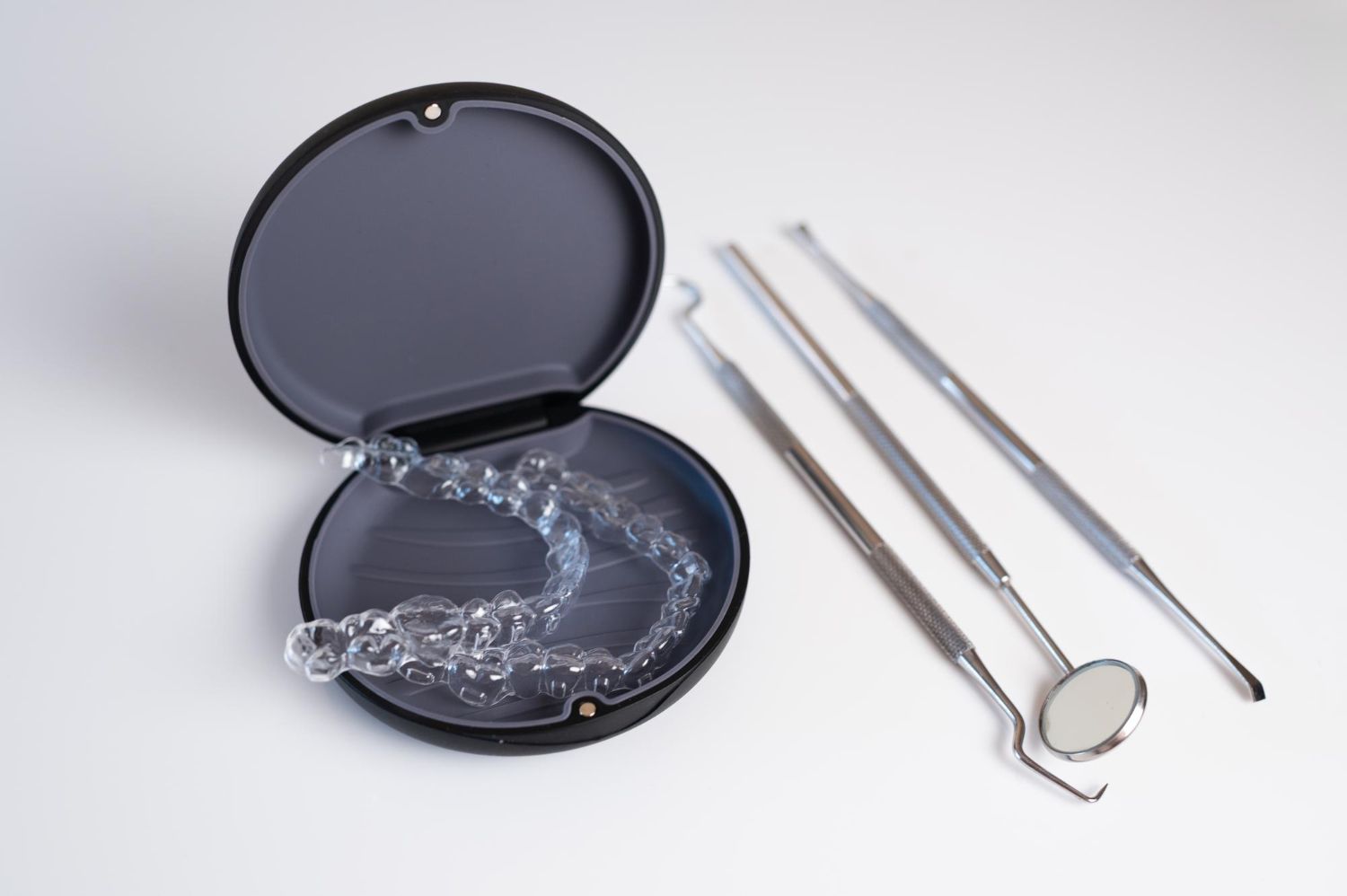
Oral appliances are tailor-made for each person. They usually look like mouthguards and are easy to wear. These devices gently shift the jaw and tongue forward, which helps keep the airway open at night. This positioning boosts airflow, letting you breathe regularly and easily throughout your slumber. The impact? Reduced snoring and better sleeping patterns.
Here's what makes them stand out:
- Comfort and Size: They are small and can be comfortably worn in the mouth without much hassle.
- User-Friendly: Unlike complex machines, oral appliances don't need electricity. They’re simple to put in and easy to carry around, making them great for travel.
- Non-Invasive: These aren't surgical solutions. They work naturally with your body, making them less intimidating for many.
People often prefer these appliances because they're straightforward and effective. The simplicity means they fit right into your routine, seamlessly becoming a part of life without disrupting it. Dr. Cameron Kuehne ensures the fit is just right, accounting for comfort while maximizing the device’s effectiveness.
Benefits of Oral Appliances for Sleep Apnea Patients
These little gadgets offer a raft of benefits. First and foremost, they are convenient and comfortable to wear. Unlike larger machines that can feel overwhelming, oral appliances are simply placed in the mouth. There's no need to worry about noise or having something plugged in next to the bed. With oral appliances, the ease of use enhances compliance. When something feels natural to wear, it's easier to make it a regular habit. That's why many find lasting improvement in their sleep health using these devices. Here are some key benefits:
- Non-Invasive Approach: No need for surgery or invasive procedures, just a simple device that promotes better sleep quality.
- Improved Sleep Quality: With a focus on ensuring airways remain open, patients often find themselves waking up refreshed and energized.
- Enhanced Overall Health: By improving sleep, individuals can experience better mental and physical health, increasing productivity and mood during the day.
Oral appliances represent a commitment to fostering health through manageable and patient-focused means. Dr. Cameron Kuehne’s personalized approach ensures each device fits perfectly for optimal results.
Role of Dr. Cameron Kuehne in TMJ and Sleep Apnea Care
Dr. Cameron Kuehne brings specialized expertise in treating sleep apnea with oral appliances. His approach focuses on understanding each patient's unique needs. By evaluating individual symptoms and lifestyle habits, Dr. Kuehne crafts a treatment plan that fits seamlessly into daily life. Whether adjusting the fit of an appliance or offering guidance on how to best use it, his attention to detail sets him apart.
The process starts with a comprehensive evaluation at The Center For Sleep Apnea and TMJ. Patients discuss their sleep patterns and health concerns. Dr. Kuehne assesses this information to recommend a suitable oral appliance. This customized care ensures the device aligns perfectly with how each person sleeps and breathes. One example might be adjusting an appliance for someone who shifts a lot in sleep, ensuring it remains effective and comfortable no matter the position.
Dr. Kuehne’s commitment doesn’t end with fitting an appliance. Follow-up appointments focus on monitoring progress and making tweaks if necessary. This ongoing support helps patients achieve the best outcomes, ensuring that they not only adapt to their new devices but thrive with them.
Frequently Asked Questions About Oral Appliances
Many folks considering oral appliances often have questions about what to expect. Understanding the ins and outs can make a significant difference in easing any concerns. Here are a few common questions:
- How long does it take to get used to an oral appliance? Typically, adjustment takes a few weeks. Regular wearing helps the device become a natural part of sleeping.
- Is the appliance difficult to care for? Caring for an oral appliance is straightforward. Regular cleaning with mild soap and water, along with proper storage, keeps it in good shape.
- How effective are these devices long-term? When used consistently, oral appliances remain effective over the years, provided they are adjusted as needed with regular check-ins.
Dr. Cameron Kuehne and his team emphasize the importance of follow-up care. This includes periodic fittings to accommodate any changes in the patient's mouth shape. Regular evaluations also ensure that the oral appliance remains as effective as possible.
Embrace Restful Nights and Better Health
Oral appliances represent more than a treatment; they offer a pathway to better sleep and improved life quality. By addressing the root causes of sleep apnea, these devices help pave the way for peaceful nights and energized days. As each individual's journey is unique, the tailored approach ensures that treatment is both effective and comfortable.
Choosing to explore oral appliances means opening doors to healthier living. The opportunity lies in finding the right fit and committing to a process that prioritizes comfort and effectiveness. Whether you're new to exploring solutions for sleep apnea or seeking an alternative to other treatments, oral appliances provide a promising option.
Consider enhancing your sleep quality and overall well-being by learning more about how an
oral appliance for sleep apnea in Meridian can make a significant difference in your life. Dr. Cameron Kuehne's expertise at CSAT Meridian - The Center For Sleep Apnea and TMJ ensures personalized care that caters to your unique needs. Visit our clinic today to explore effective treatments that promote restful nights and energized days.