What to Expect at Your First Visit for TMJ in Meridian

Seeing someone new about your jaw pain or facial tension can raise a lot of questions, especially if you’ve never heard of the temporomandibular joint (TMJ) before. At our Meridian office, we meet many people who are unsure what their first visit will feel like or what kind of help they might need.
Our goal is to make that first step easier to understand. Whether you’re dealing with morning headaches, sore chewing muscles, or a jaw that clicks when you eat, we’re here to listen and look into what’s really going on. When people come in looking for TMJ disorder treatment in Meridian, we take our time, ask the right questions, and work with you to figure out what your jaw may be trying to tell you. A visit with Dr. Cameron Kuehne is the place where this all begins.
Getting to Know You and Your Symptoms
The first part of your visit is about conversation. When you step into our Meridian office, we’ll want to hear your story in your own words. That means asking when you noticed the pain, how it feels throughout the day, and how it might be affecting your routines like speaking, sleeping, or eating.
Dr. Cameron Kuehne will talk with you about your health history and daily habits to get the full picture. TMJ issues often show up gradually, so there might be small changes you hadn’t connected to your jaw yet. Things like teeth clenching, frequent yawning, stress levels, or even posture can play a role.
We pay close attention to how symptoms connect across your face, neck, head, and even how you sleep. This step helps shape everything that comes next and allows us to focus on what matters most to your comfort and support.
A Closer Look at Your Jaw and How It Moves
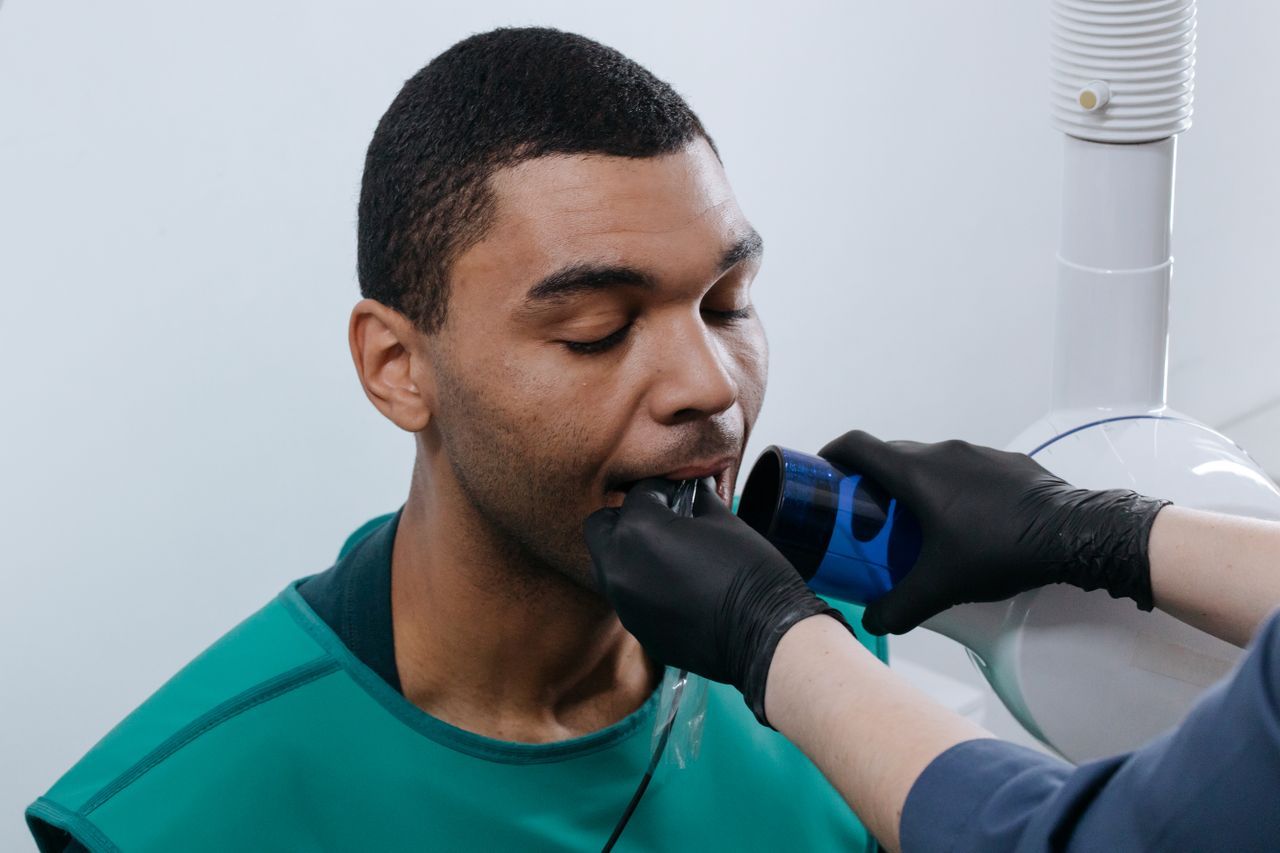
Once we’ve talked through your symptoms, Dr. Cameron Kuehne will perform a physical exam. This includes checking your jaw’s movement by having you open and close your mouth slowly while he watches for shifts or sounds. He may gently feel the joint near your ear and the muscles around it to see where tightness or clicking might happen.
Sometimes we use simple, noninvasive tools to help us see the position of your teeth and how your bite lines up. We’re not just looking at where the pain is. We’re trying to understand how your jaw moves, what your muscles are doing, and how the bones and joints are sitting.
These small details give us a better map to guide the next step of your care. Even the way your bite fits together can tell us a lot about the stress your jaw may be holding throughout the day or night.
Understanding Your Custom Treatment Plan
After the exam, we start looking at ways to help your jaw move more comfortably. Dr. Cameron Kuehne uses everything we’ve talked about and observed to guide your plan.
We will explain how TMJ disorder treatment in Meridian may work for your specific needs. Some people benefit from gentle changes in their bite pattern. Others may need help relieving tight jaw muscles during sleep. Whatever the plan looks like, it’s simple, clear, and built to ease your discomfort step by step.
During this stage, we might set a few small goals like improving sleep posture, noticing fewer headaches, or helping your jaw open and close without sticking. You’ll always know what each stage is for and how we expect it to help.
Over time, the plan might be updated based on what you notice at home and how your body responds. Some treatments may focus on relaxing certain muscles or encouraging new habits with your bite. The entire process is collaborative, and your input matters as we adjust your care along the way. It may be helpful to keep track of your symptoms between visits to better understand your jaw’s progress and share details with Dr. Cameron Kuehne during check-ins.
Questions You Can Ask During Your Visit
A lot of people come in with questions, especially if they’ve been dealing with TMJ symptoms for a while without answers. You’re welcome to ask anything at any time during your visit with Dr. Cameron Kuehne. That includes concerns about your jaw, what to expect next, or what might be happening when you feel a pop or shift.
Here are a few common things patients ask us about:
- How long might it take to notice changes once a plan is started?
- What should I pay attention to after I leave the office?
- Are there things in my daily routine that might be making my symptoms worse?
We want you to feel confident and clear about what your jaw is doing and why. Simple information can make a big difference in how supported you feel after that first visit.
There is also value in bringing a list of your questions, as it can help you remember what you want to discuss when you arrive. It’s not uncommon for people to be nervous or distracted during their appointment due to discomfort. Having notes ensures all your concerns are addressed so you leave your visit feeling informed.
What Relief Can Feel Like Over Time
For many people, small changes happen first. You might notice that the tightness in your jaw feels a little easier when you wake up. Or you go through a day without a dull ache behind your cheekbone. These early shifts are signs that something is finally starting to let go.
Many people also say they sleep a bit deeper or find it easier to focus without the background discomfort. Your jaw might move with less effort or stop clicking whenever you chew. Each sign of relief is a step forward and shows that your body is responding to the support it’s getting.
Starting on this path now can help prevent even bigger problems later on. When TMJ issues go unchecked, they can lead to longer-term joint wear or added muscle strain. Getting help early gives you more space to heal before the pain becomes a daily fight.
Relief may not always follow a straight line, and minor setbacks can occur, but ongoing attention can prevent frustration. We encourage you to communicate openly about your progress. Regular self-awareness regarding your jaw’s comfort can help identify patterns and highlight what works best for you.
What a Calmer Jaw Can Lead To
That first visit can be the start of something simpler. Less jaw tension often means more relaxed mornings, better rest at night, and fewer distractions throughout the day. TMJ problems may feel like a mystery at first, but they don’t have to stay that way.
By the end of your first visit with Dr. Cameron Kuehne at The Center For Sleep Apnea and TMJ, you’ll know more about what your jaw has been going through and what quiet relief can look like. We meet people every day who are surprised by how connected their symptoms have become. That’s why we take the time to ask the right questions, and even more time to listen.
Finding a routine that fits you may improve not just jaw health, but overall wellbeing. As your symptoms change, your care plan may be refined to reflect your needs. A peaceful jaw can support easier chewing, clearer speech, and a more restful night of sleep, creating positive change in everyday life.
Stop wondering what your jaw pain means and find relief that fits your life. We are here to help at The Center For Sleep Apnea and TMJ. Whether you've been struggling for a while or just started noticing discomfort, we take a close look at what your jaw is doing and why. You don't have to figure it out alone because we support those seeking
TMJ disorder treatment in Meridian with thoughtful, personalized care. Reach out to schedule your visit with Dr. Cameron Kuehne.