Simple Exercises to Alleviate Sleep Apnea Symptoms
Sleep apnea is a common condition that disrupts your breathing while you sleep. This interruption can cause snoring, restless sleep, and tiredness during the day. Dealing with these symptoms can be frustrating and overwhelming. However, there are natural ways to help manage sleep apnea symptoms and improve your quality of sleep. One effective method involves simple exercises designed to strengthen the muscles around your airways.
We often think of exercise as a way to improve our physical fitness, but did you know it can also help with sleep apnea? These specific exercises focus on the muscles in your throat, tongue, and soft palate. By strengthening these muscles, you can reduce the likelihood of airway collapse during sleep, which is a common cause of sleep apnea. Dr. Cameron Kuehne emphasizes the importance of incorporating these exercises into your daily routine to help manage your symptoms effectively.
Understanding the connection between these exercises and sleep apnea can motivate you to make small changes that lead to significant improvements. Let's explore how these exercises work and how you can start incorporating them today to experience a better night's sleep.
Understanding Sleep Apnea and Its Symptoms
Sleep apnea is a condition where your breathing repeatedly stops and starts during sleep. This happens because the muscles in your throat relax too much, blocking your airway. The most common symptoms include loud snoring, choking, or gasping during sleep, and feeling excessively tired during the day. Many people with sleep apnea also experience morning headaches, difficulty concentrating, and mood changes.
Recognizing these symptoms is important for seeking proper treatment. Sleep apnea not only disrupts your sleep but can also lead to more serious health issues if left untreated. High blood pressure, heart disease, and diabetes are some of the conditions linked to untreated sleep apnea. Dr. Cameron Kuehne, a professional in Meridian, emphasizes the importance of identifying these symptoms early to prevent further health complications. Understanding your symptoms is the first step toward effective management and an improved quality of life.
How Exercises Can Help in Managing Sleep Apnea
Exercises specifically designed for sleep apnea target the muscles in your throat, tongue, and soft palate. Strengthening these muscles can reduce the collapse of your airway, which is the primary cause of sleep apnea. By making these muscles stronger, you improve their ability to keep your airway open while you sleep, which can lead to a reduction in sleep apnea symptoms.
Regular practice of these exercises has shown promising results. Just like exercising other parts of your body, consistency is key. Over time, these exercises can help decrease the frequency and severity of sleep apnea episodes. Dr. Cameron Kuehne highlights that adding these exercises to your daily routine can be an effective, natural way to manage your sleep apnea, reducing your reliance on more invasive treatments. By committing to these exercises, you can take an active role in improving your sleep health.
Top Exercises to Reduce Sleep Apnea Symptoms
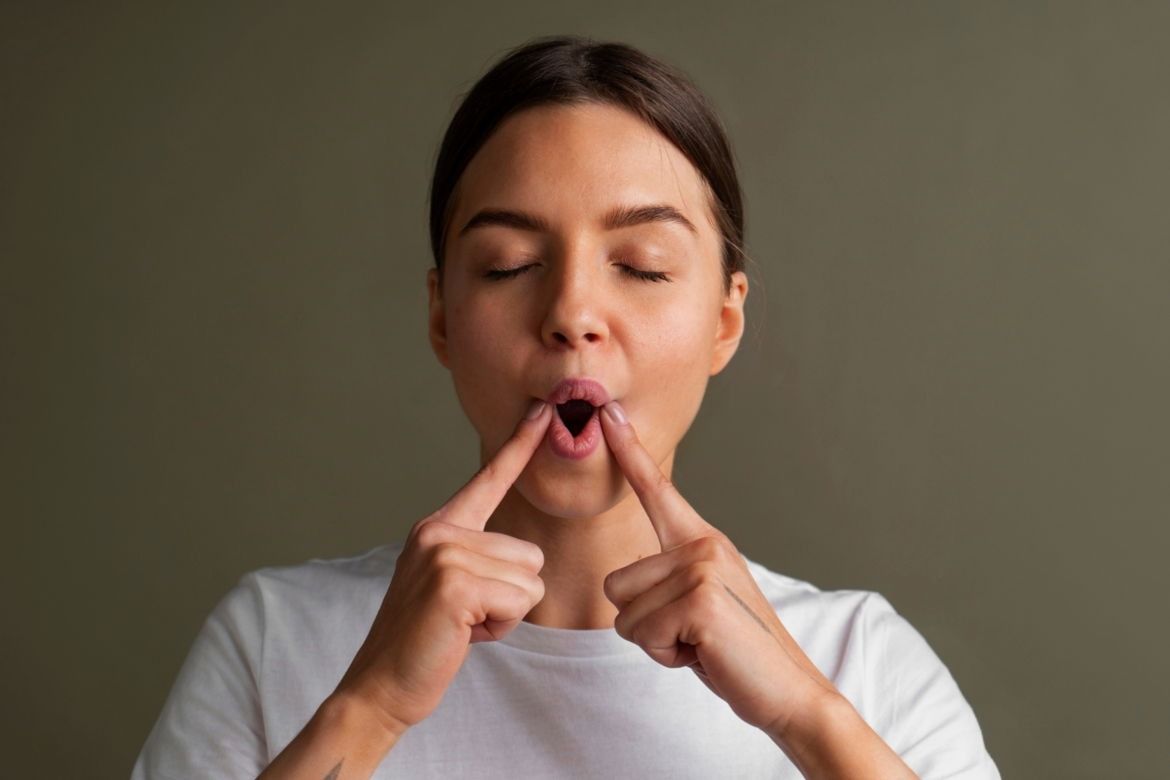
These exercises are designed to strengthen your throat and tongue muscles, helping to keep your airways open during sleep. Here are some effective exercises:
1. Tongue Slide: Place the tip of your tongue against the back of your top front teeth. Slowly slide your tongue backward along the roof of your mouth. Repeat this action 20 times. This exercise strengthens the tongue muscles, reducing the chance of airway blockages during sleep.
2. Soft Palate Stretches: Open your mouth wide and say "Aah" as if you are at the doctor's office. Hold this position for 20 seconds. Repeat 10 times. This exercise helps lift and tighten the muscles in the soft palate, which can minimize snoring and airway obstruction.
3. Balloon Blowing: Inflate a balloon by taking deep breaths in through your nose and blowing out through your mouth. Repeat this process five times. This exercise strengthens the muscles in your diaphragm and throat.
4. Jaw Exercises: Move your jaw to the left and hold for 10 seconds, then move it to the right and hold for another 10 seconds. Repeat this exercise 10 times on each side. This action strengthens the jaw muscles and helps maintain an open airway during sleep.
Practicing these exercises daily can show significant improvements over time. Make sure to stay consistent to reap the maximum benefits.
Tips for Incorporating Sleep Apnea Exercises into Your Daily Routine
Incorporating sleep-apnea exercises into your daily routine is simple and can be done almost anywhere. Here are some tips to help you get started:
1. Set a Schedule: Pick specific times during the day to perform your exercises, such as after brushing your teeth in the morning and before going to bed at night. Consistency is key to seeing results.
2. Combine with Daily Activities: Integrate these exercises into your routine activities. For instance, you can practice tongue slides while watching TV or perform jaw exercises while in the shower.
3. Use Reminders: Set reminders on your phone or place sticky notes in visible locations to remind yourself to do your exercises. This can help you stay on track with your routine.
4. Start Slow: If you find it challenging to do all the exercises at once, start with one or two and gradually add more as you get comfortable. The goal is to build a sustainable habit.
5. Stay Motivated: S Record your progress in a journal or use an app to track your exercise. Seeing your improvements can motivate you to continue.
Incorporating these tips into your routine will make it easier to practice the exercises regularly. Over time, these small efforts will contribute significantly to managing your sleep apnea symptoms.
Conclusion
Dealing with sleep apnea doesn't have to be an overwhelming challenge. By understanding your symptoms and incorporating specific exercises into your daily routine, you can significantly alleviate the discomfort associated with this condition. Strengthening the muscles in your throat and tongue through targeted exercises can improve your sleep quality and overall health.
If you're in Meridian and looking for professional help in managing sleep apnea, reach out to Dr. Cameron Kuehne, a
Meridian sleep apnea doctor at The Center for Sleep Apnea and TMJ. He can provide personalized advice and additional treatment options to help you achieve better sleep. Take the first step toward a restful night's sleep by contacting us today.