Elderly Sleep Apnea Treatments by Dr. Briesemeister
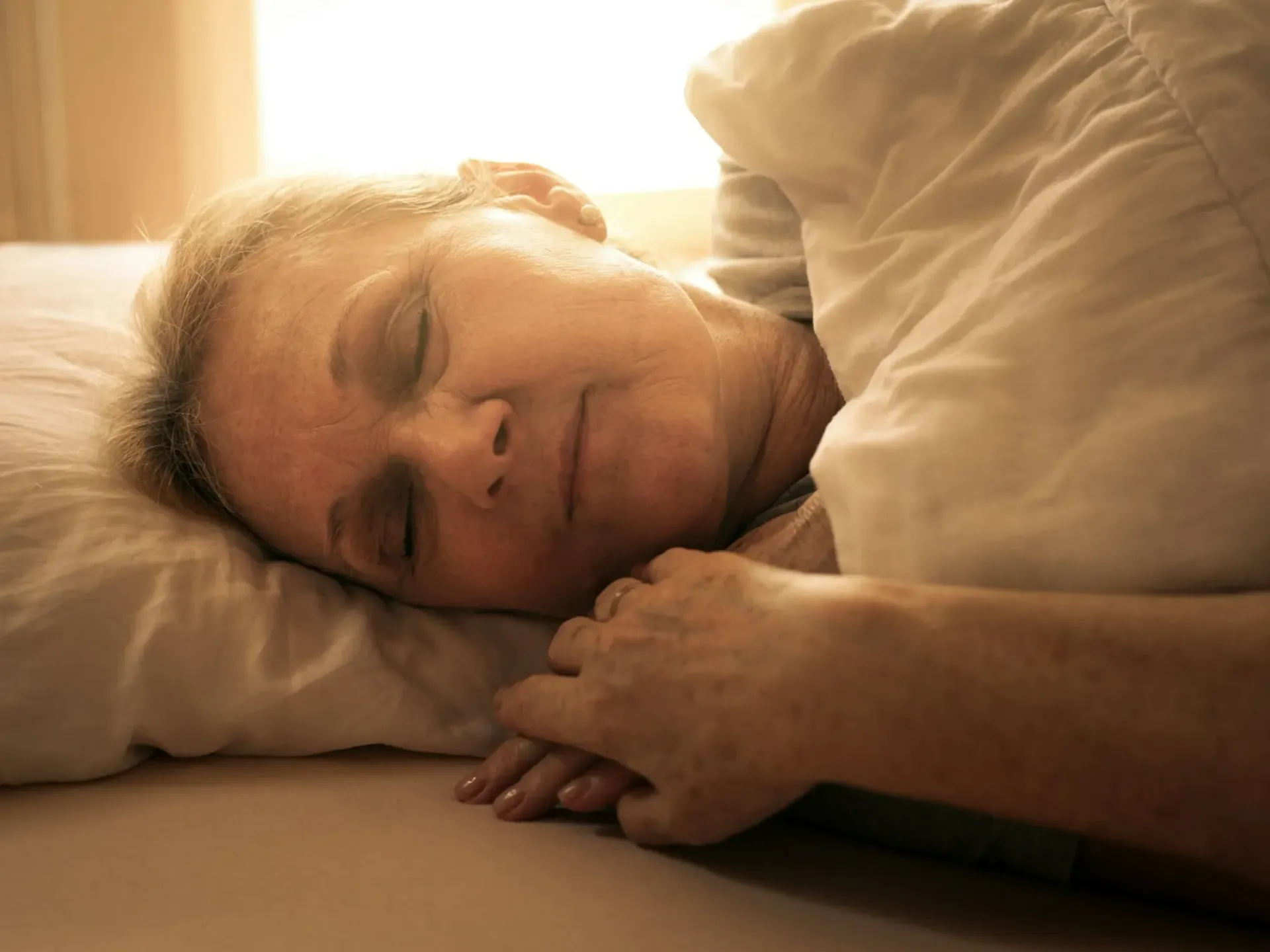
Sleep apnea does not discriminate by age, but for elderly individuals, the impacts and challenges of this sleep disorder can significantly affect their quality of life. At our clinic, we recognize the unique nuances of treating older adults who suffer from sleep apnea and aim to provide solutions that are effective and easy to adopt in their daily routines.
Understanding sleep apnea within the elderly population requires knowing how their specific health profiles interact with the disorder. As people age, the risk of sleep apnea increases due to factors such as muscle tone reduction and the likelihood of health conditions that may exacerbate sleep disruptions. Moreover, recognizing sleep apnea’s impact on this demographic is key, as it links closely to other age-related conditions like hypertension, heart disease, and decreased cognitive function, which could complicate treatment if left undiagnosed or untreated.
What Is Sleep Apnea and How Does It Affect the Elderly?
Sleep apnea is a disorder where breathing repeatedly stops and starts during sleep. For elderly individuals, this condition isn't just about loud snoring—it's a serious health concern that can significantly impact their overall health and quality of life. As we age, the risk of developing sleep apnea increases due to natural changes in body structure, such as the relaxation of throat muscles and narrowing of the airway during sleep. Furthermore, elderly people often have other medical conditions that can exacerbate sleep apnea symptoms.
The consequences of untreated sleep apnea in the elderly are profound. It can lead to a range of complications, including high blood pressure, heart disease, and decreased cognitive function. These are particularly problematic as they can exacerbate other age-related health issues, leading to a diminished capacity for independence and an increased risk of accidents. This is why our approach focuses on understanding this condition deeply to tailor treatments that specifically address the needs of elderly patients.
Challenges Faced by Elderly Patients with Sleep Apnea
Elderly patients with sleep apnea face myriad challenges that can impede their ability to receive effective treatment. One of the most significant barriers is the prevalence of other health conditions that can mask or complicate the symptoms of sleep apnea. For instance, issues like heart disease and diabetes may overshadow sleep disorder, leading to delayed diagnosis and treatment.
Another challenge is the sensitivity of older adults to traditional treatments and their side effects. Many elderly patients struggle with the invasiveness and discomfort of some therapies, reducing their compliance and, thus, the effectiveness of these treatments. Moreover, cognitive impairments such as dementia can make it difficult for patients to adhere to treatment protocols that require regular maintenance and adjustments.
Understanding these challenges is crucial for us in adapting our treatment methods to the needs and capabilities of elderly patients. Our goal is to ensure that treatments not only address the symptoms of sleep apnea but also align with the patient’s overall lifestyle and health status, providing a comprehensive solution that enhances their quality of life.
How Dr. Brian Briesemeister's Oral Appliance Therapy Benefits Elderly Patients
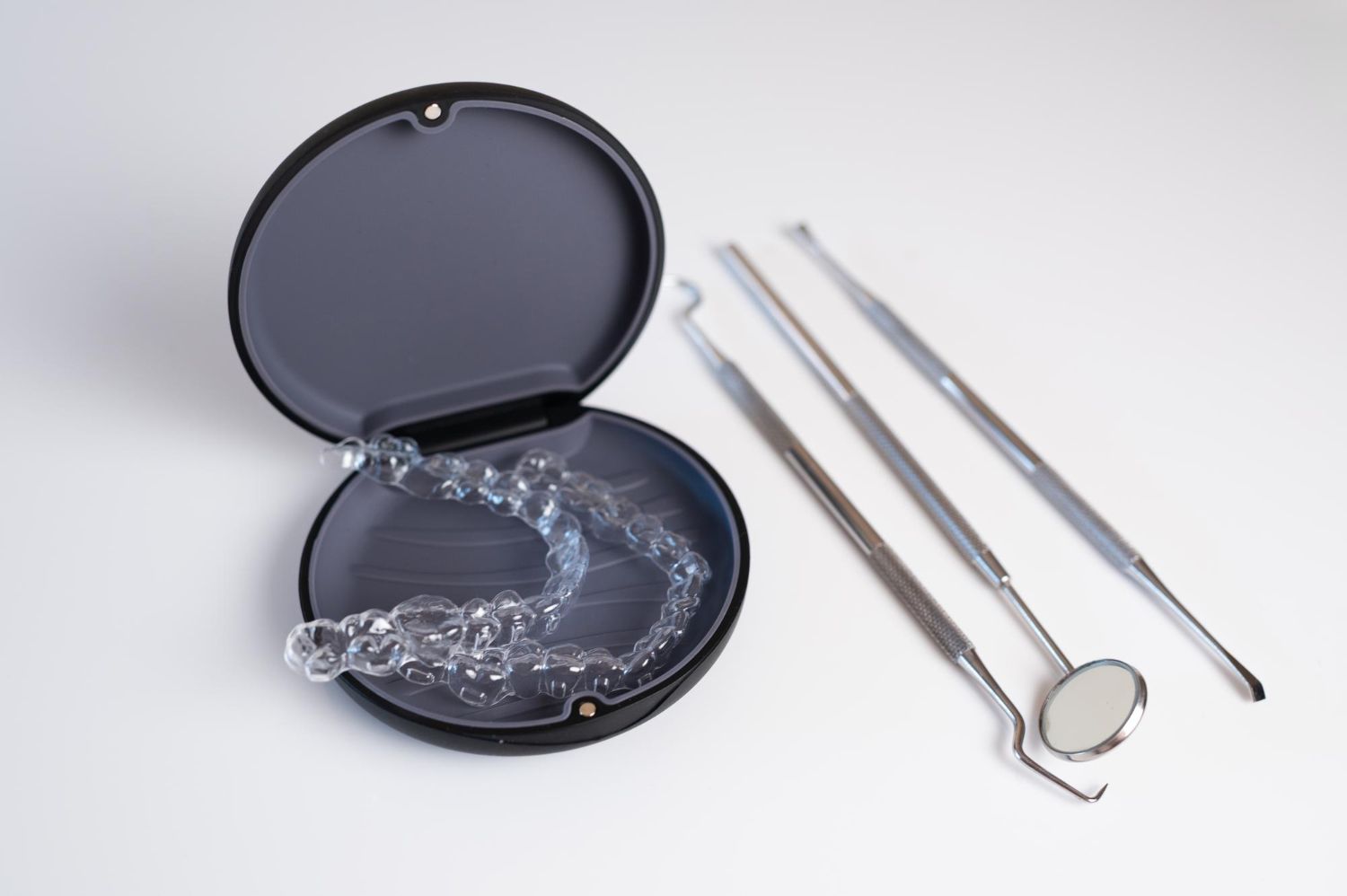
Dr. Brian Briesemeister’s specialized approach to oral appliance therapy provides significant improvements for elderly patients suffering from sleep apnea. The tailored devices help maintain an open airway during sleep, which is crucial for preventing the breath stoppages that are so characteristic of this disorder. For elderly individuals, this form of treatment is especially favorable due to its minimally invasive nature, ease of use, and effectiveness in promoting better sleep patterns.
Additionally, because sleep apnea in elderly people can exacerbate symptoms of other pre-existing conditions such as heart disease or diabetes, managing it effectively with an oral appliance can lead to an overall improvement in general health. It's not just about reducing the apnea episodes; it's about enhancing the quality of life, offering senior patients a sense of independence in managing their health, and reducing the burden on caregivers.
Practical Tips for the Elderly to Enhance Treatment Outcomes
To optimize the effectiveness of oral appliance therapy, there are several practical steps elderly patients can take:
1. Consistent Use: It's vital that the oral appliance is worn every night. Consistency is key to long-term success and the reduction of sleep apnea symptoms.
2. Regular Check-ups: Scheduled appointments with us enable Dr. Brian Briesemeister to assess the fit and function of the oral appliance and make any necessary adjustments to ensure optimal comfort and effectiveness.
3. Good Oral Hygiene: Since the appliance is worn in the mouth, maintaining good oral hygiene is crucial. This includes regular brushing, appliance cleaning, and dental check-ups to prevent oral health issues.
4. Healthy Lifestyle Choices: Incorporating a balanced diet, adequate hydration, and gentle exercise can complement the therapy, contributing to better sleep and overall health.
Conclusion
Incorporating Dr. Brian Briesemeister's oral appliance therapy into their routine offers elderly patients an empowering solution to manage sleep apnea effectively. This approach not only aligns with their specific needs but also enhances their quality of life by reducing the risks associated with poor sleep while promoting a healthier, more active lifestyle. As they age, maintaining independence and wellness becomes increasingly important, and our tailored oral appliances play a critical role in achieving that.
For those looking to improve their sleep quality and take control of their health, we invite you to consult with our team. Dr. Brian Briesemeister is dedicated to providing personalized care that addresses the unique challenges faced by each patient, ensuring they receive the most effective treatment for their sleep apnea. Contact our
sleep apnea clinic, CSAT Meridian - The Center For Sleep and TMJ, today to take the first step towards better health and more restorative sleep.