Why You Might Feel Jaw Pressure Without Any Obvious Cause

Jaw pressure can feel strange, especially when you’re not sure why it’s happening. It may come and go during the day or show up when you're not even using your jaw. Some people feel this pressure while driving, sleeping, or chewing, only to brush it off because it doesn’t hurt enough to pause what they’re doing.
At our TMJ clinic in Boise, Idaho, we often hear from people who are trying to figure out why their jaw feels stiff or heavy for no clear reason. The good news is, pressure like this isn’t random. Dr. Cameron Kuehne helps people make sense of these uncomfortable feelings and find out where they’re really coming from. When you understand the signs, it becomes easier to know what your body is telling you, and when to pay attention.
What Jaw Pressure Feels Like (and Why It’s Easy to Miss)
Not all jaw problems show up as pain. For many people, the first clue is just a sense that something feels off.
Jaw pressure can show up in ways that don’t always point right to a problem. Some describe it like this:
- A heavy or tight feeling that comes and goes
- Stiffness when waking up or after long periods of sitting
- A stretched or sore feeling while eating, yawning, or chewing
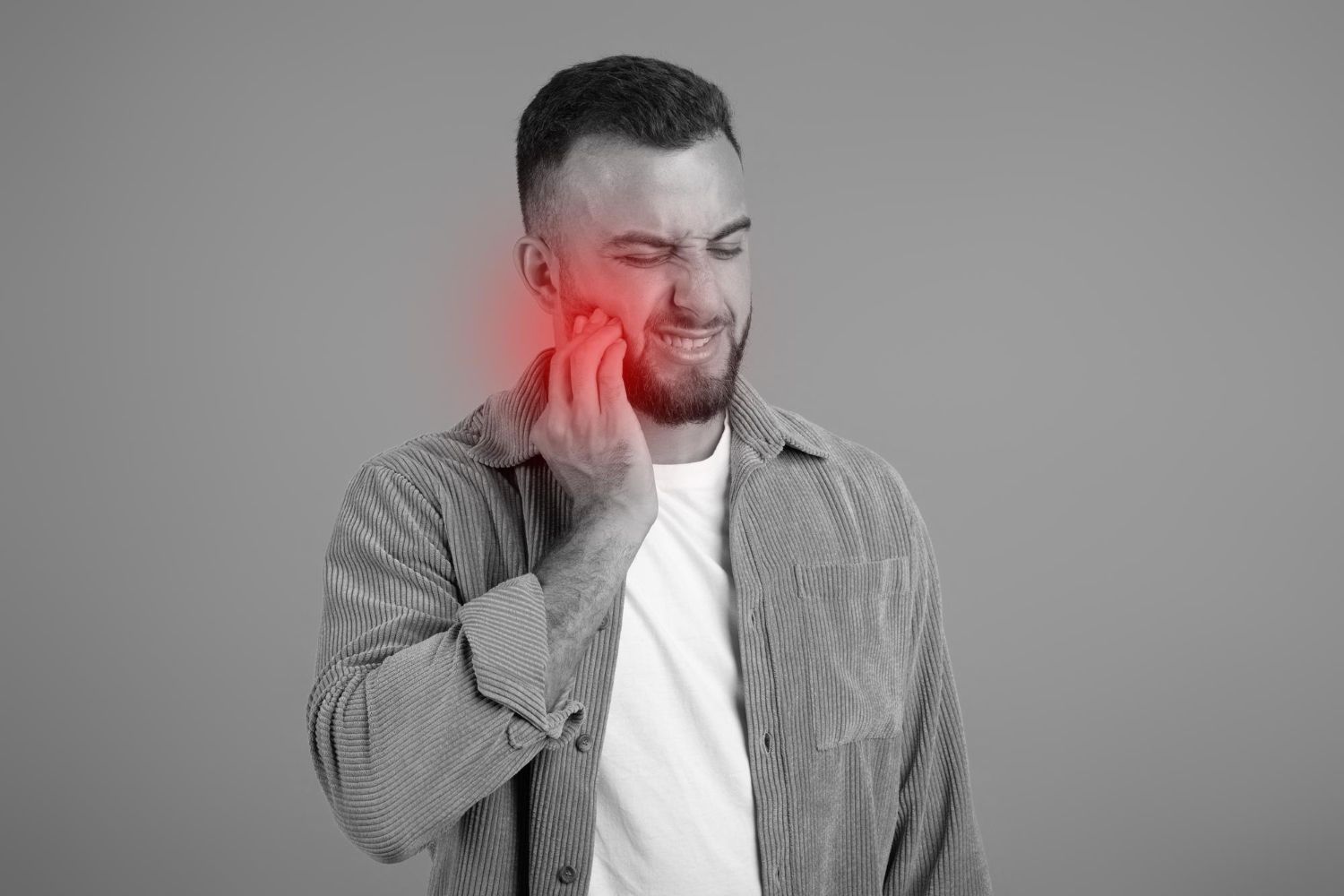
These feelings are often brushed off. It’s easy to think it’s minor stress, bad posture, or just part of getting older. That’s why so many people ignore the signs. They may not realize that this quiet pressure could be their jaw joints reacting to small changes in movement, alignment, or muscle strain. Dr. Cameron Kuehne sees this often. People who don’t report pain still show signs of pressure that shouldn’t be there. Left alone, this pressure can build slowly.
Hidden Causes Behind That Pressure
Jaw pressure doesn’t always start with an injury or big movement. In many cases, changes in the way the jaw lines up happen little by little.
Here’s what we watch for in people dealing with hidden jaw pressure:
- Clenching or grinding teeth, often during sleep, which puts steady force on the joints
- Stress habits, like tensing up the jaw during hard thinking or computer work
- A bite that feels slightly off, even if it doesn’t seem obvious at first
These habits often become so normal that people stop noticing them. But they affect how the bones and muscles around the jaw work together. Over time, this can build up as tension or deep pressure.
Dr. Cameron Kuehne often checks for signs that pressure is coming from movement patterns, not from a specific painful spot. Sometimes the clue is in how muscles feel during touch, while other times it’s how the jaw moves when opening and closing. These details help spot pressure problems early, before they become harder to manage.
When Pressure in the Jaw Connects to Other Problems
That odd pressure in your jaw might not stay in one place. It can show up in other areas that seem unrelated, like the neck, face, or even the ears.
Here are a few ways jaw pressure might extend beyond your jaw:
- Face or temple soreness that feels like tension or ache
- Muscle fatigue after chewing, especially on one side
- Headaches or ear problems that don’t come from illness
Some people feel tension around their head and assume it’s simply a headache or strain from screen time. But when pressure builds in the jaw joints or muscles, it can spread to nearby areas. The neck muscles often work harder when the jaw isn’t moving well, which can cause stiffness or fatigue over time.
We’ve seen cases where jaw pressure was the missing piece in a complicated set of symptoms. Dr. Cameron Kuehne looks at how these areas connect instead of treating them as separate problems. Often, once the jaw is supported better, those other symptoms begin to fade too.
Why You Shouldn’t Wait for It to Hurt More
It’s easy to wait something out when it seems mild. A little jaw pressure doesn’t always feel like a big deal. But small signs can grow into harder problems when they go unchecked.
Ignoring early jaw discomfort might lead to:
- Clicking or popping later when opening wide
- Locking or catching that makes the jaw harder to move
- Difficult chewing or biting due to shifts in jaw alignment
Even everyday habits can build more pressure than you think. People who chew gum often, slouch at a desk, or rest their chin on their hand may be placing more stress on their jaw than they realize. That steady strain can cause real changes in the joint if given enough time.
We often remind people that jaw pressure doesn’t need to be dramatic to matter. At a TMJ clinic in Boise, Idaho, we focus on early signs, not just severe symptoms. Dr. Cameron Kuehne encourages patients to be curious about how their jaws are working, even if it’s not painful yet.
Better Rest Starts with Less Jaw Stress
Jaw pressure with no clear trigger is more common than most people think. It doesn’t always mean there’s something serious going on, but it does mean the joint may need extra attention.
When the jaw works well, it supports easier breathing, speaking, chewing, and even better rest. Small adjustments in how the jaw aligns or how strain is handled can help bring comfort back naturally, without having to wait for something to go wrong.
At The Center For Sleep Apnea and TMJ, we listen to how your body speaks, even in the quiet ways. Dr. Cameron Kuehne looks closely at how patterns like tightness, pressure, and movement line up together. With steady care and clear attention, it often becomes easier to feel better, without needing to guess what's going on.
Dealing with jaw pressure without knowing its cause can be concerning since subtle shifts in jaw movement may signal that the joints need extra support. For guidance near Meridian, our TMJ clinic in Boise, Idaho, can help you understand what your jaw is trying to tell you. Reach out to The Center For Sleep Apnea and TMJ to learn more.