How TMJ Disorder and Sleep Apnea Are Connected
When Jaw Pain and Poor Sleep Collide
Jaw pain and bad sleep can slowly wear you down. It might start with a sore jaw in the morning or loud snoring at night, then turn into daily headaches and all-day fatigue. If you are living with TMJ disorder, headaches, or disruptive snoring, you may be surprised to learn how closely these problems are linked.
TMJ disorder and sleep apnea are two different conditions, but they often show up together. Each one can make the other feel worse. When you understand how your jaw and airway are connected, it becomes easier to see why treating both at the same time can help you feel better, breathe better, and sleep more deeply.
Understanding TMJ Disorder: More Than Just Jaw Pain
Your TMJ, or temporomandibular joint, is the small but powerful joint that connects your lower jaw to the base of your skull. You have one on each side of your face, in front of your ears. These joints let you talk, chew, yawn, and move your jaw in many directions.
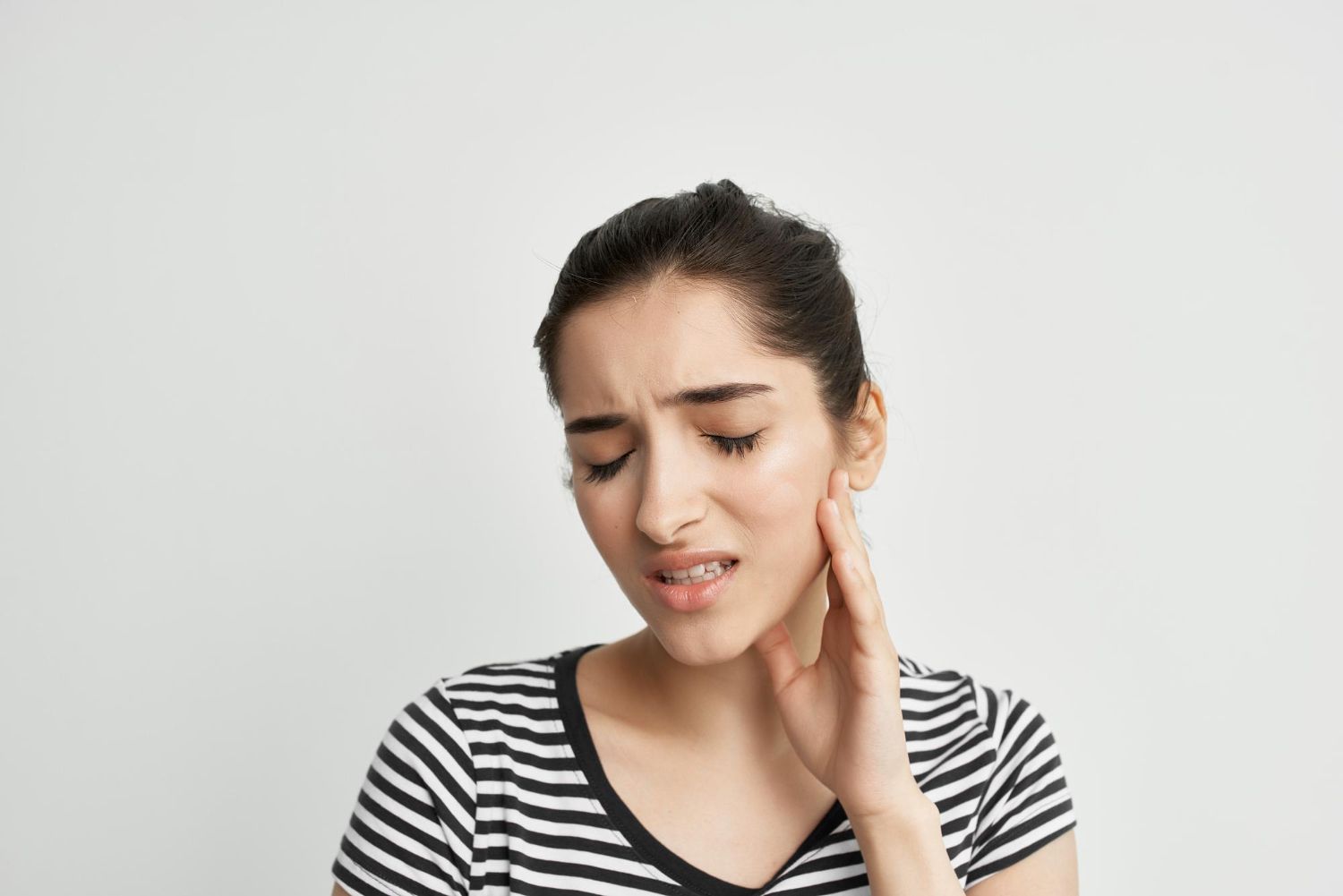
When something is off in this area, we call it TMJ disorder. TMJ disorder can show up as more than jaw pain; many patients notice chronic headaches, ear symptoms, and even neck and shoulder tension. The problem can be in the joint, the muscles that move the jaw, or the way the teeth come together.
Common TMJ disorder symptoms include:
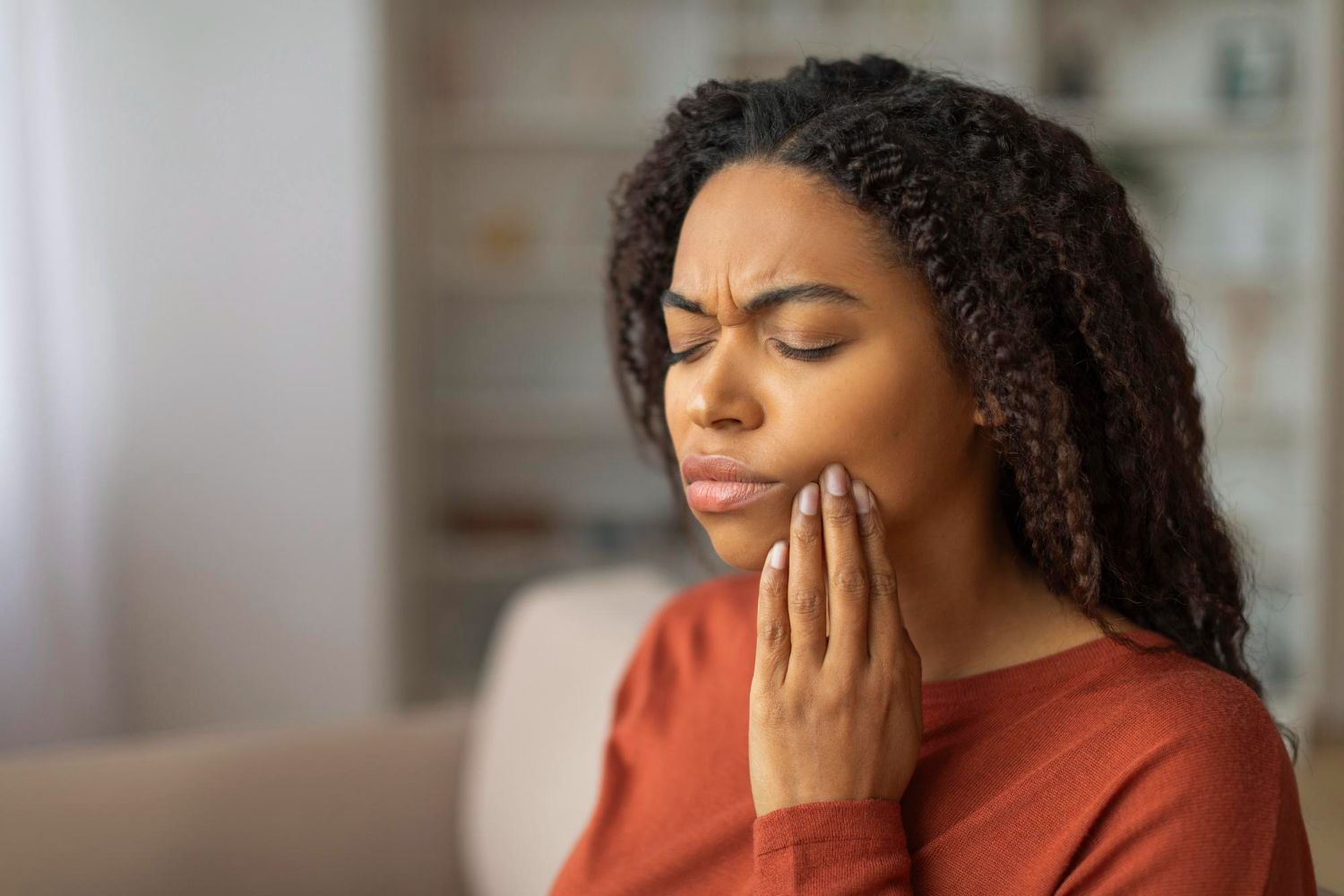
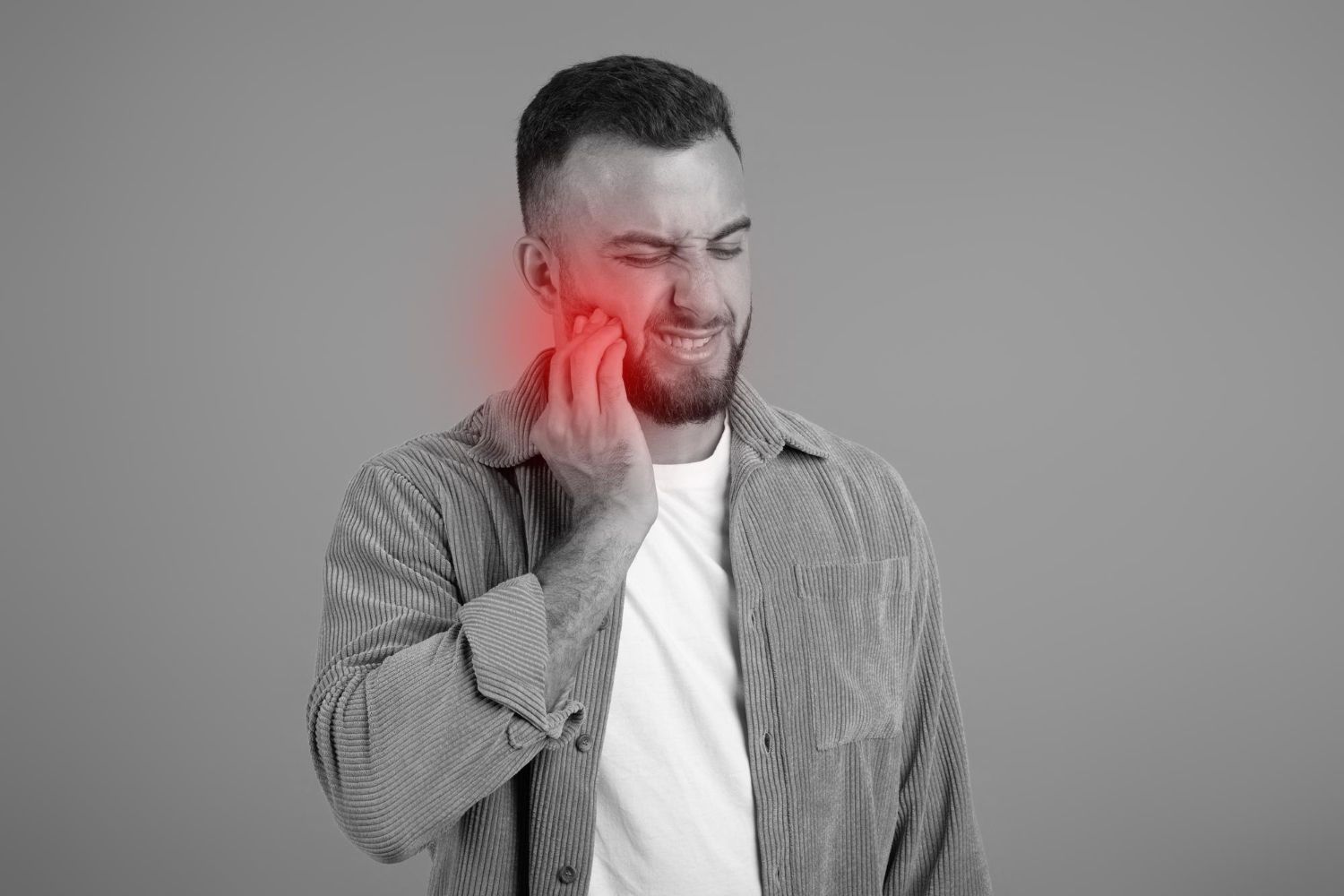
- Jaw pain or stiffness, especially in the morning or after chewing
- Clicking, popping, or grinding noises in the jaw
- Headaches, often around the temples or behind the eyes
- Ear fullness, ringing, or pressure with no clear ear infection
- Difficulty opening wide, chewing tougher foods, or moving the jaw smoothly
When the jaw is not lined up well, or when the muscles are tight and overworked, this can affect more than your bite. The lower jaw helps form the front of the airway. If the jaw is pushed back or twisted, it can reduce the space where air needs to flow, especially when you lie down to sleep.
What Is Sleep Apnea and Why It Matters
Obstructive sleep apnea happens when the airway partly or fully closes during sleep. The tongue and soft tissues can fall backward, the airway gets narrow, and breathing becomes noisy or stops for short periods. The brain then has to wake you up over and over so you can start breathing again.
People with sleep apnea may notice:
- Loud snoring that comes and goes or stops and starts
- Gasping, choking, or pauses in breathing during sleep
- Waking with a dry mouth or sore throat
- Morning headaches or foggy thinking
- Daytime fatigue, trouble concentrating, or feeling sleepy
For some people with TMJ disorder, undiagnosed sleep apnea is the missing piece behind their chronic fatigue and morning jaw or head pain. Poor sleep night after night can affect almost every part of life, from mood and memory to work and relationships. It can also be linked with health problems like high blood pressure, heart strain, and lower quality of life over time.
The Hidden Connection Between TMJ Disorder and Sleep Apnea
TMJ disorder and sleep apnea often share the same space in your body: the jaw, tongue, and throat area. When something affects one, it can easily affect the other.
Here are some of the key connections:
- Jaw position and the airway: A small lower jaw, a jaw that sits too far back, or an uneven bite that often goes along with TMJ problems can reduce airway space. When you lie down, the tongue and lower jaw can fall back even more, making the airway easier to block.
- Muscle tension and clenching: Many people with TMJ disorder clench or grind their teeth at night. In some cases, this may be the body’s way of trying to keep the airway open. The jaw muscles tighten, the lower jaw moves, and this repeated motion can strain the TMJ while your sleep stays light and broken.
- Shared symptoms and confusion: Both TMJ disorder and sleep apnea can cause headaches, facial pain, and fatigue. Someone may treat only their jaw pain with a basic night guard, while the airway blockage is still going on. Or they may treat snoring alone while jaw pain and muscle tension continue.
When TMJ disorder and sleep apnea occur together, treating only the jaw or only the snoring often leaves patients frustrated and still symptomatic. The real progress tends to happen when both issues are looked at together.
Why Conservative, Non-Surgical Treatment Matters
Because the jaw joints and airway are delicate and important, it makes sense to start with conservative, non-surgical care whenever possible. This means focusing on treatments that are gentle, reversible, and focused on comfort.
Conservative options can include:
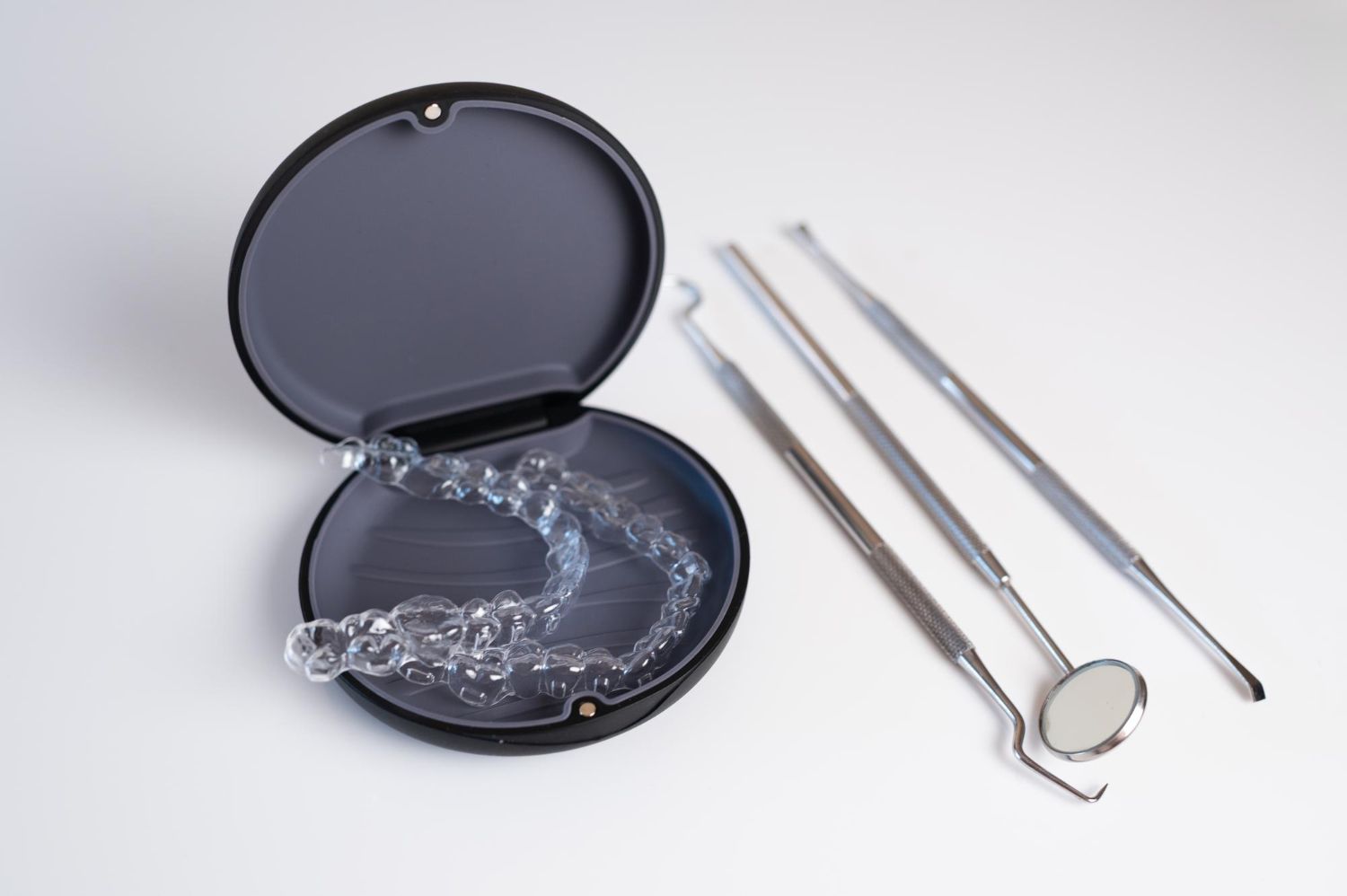
- Custom oral appliances that fit over the teeth
- Jaw stabilization splints to guide and support the TMJ
- Careful bite adjustments when appropriate
- Gentle jaw exercises and physical-therapy-style guidance
A carefully designed oral appliance can relieve TMJ disorder symptoms while also helping maintain a healthier airway during sleep. The right device can support the jaw in a position that reduces pressure on the joints and muscles while slightly moving the lower jaw to open the airway and help reduce snoring and apnea events.
Surgery in the TMJ area or throat can be a big step, and it is not always needed. Dr. Cameron Kuehne focuses on options that respect the natural structure of your jaw and airway, so changes can be adjusted over time as your body responds.
Signs You May Have Both TMJ Disorder and Sleep Apnea
Because these conditions share so many signs, it helps to look at the whole picture instead of just one symptom at a time. Some red flags that point to both TMJ disorder and sleep apnea include:
- Jaw pain, clicking, or locking along with loud snoring
- Waking with morning headaches and a sore or tight jaw
- Dry mouth when you wake up, or needing water at night
- Feeling unrefreshed, even after a full night in bed
Behavior can also offer clues. People who clench or grind their teeth at night, need several pillows to prop themselves up, or sleep better in a recliner than flat in bed may be trying to protect a narrow airway without realizing it.
If you have been treated for TMJ disorder but still wake up exhausted, it may be time to explore whether sleep apnea is also part of the picture. Looking at both issues together can open up new paths to relief.
How We Help Connect Jaw Health and Better Sleep
At our Meridian practice, our team, together with Dr. Cameron Kuehne, focus exclusively on sleep apnea, snoring, TMJ disorder, and related head and facial pain with conservative, non-surgical care. Our goal is to understand how your jaw, muscles, bite, and airway are working together so we can address the real source of your symptoms.
A typical evaluation may include:
- A detailed health and sleep history, including snoring and fatigue
- A careful TMJ and bite assessment
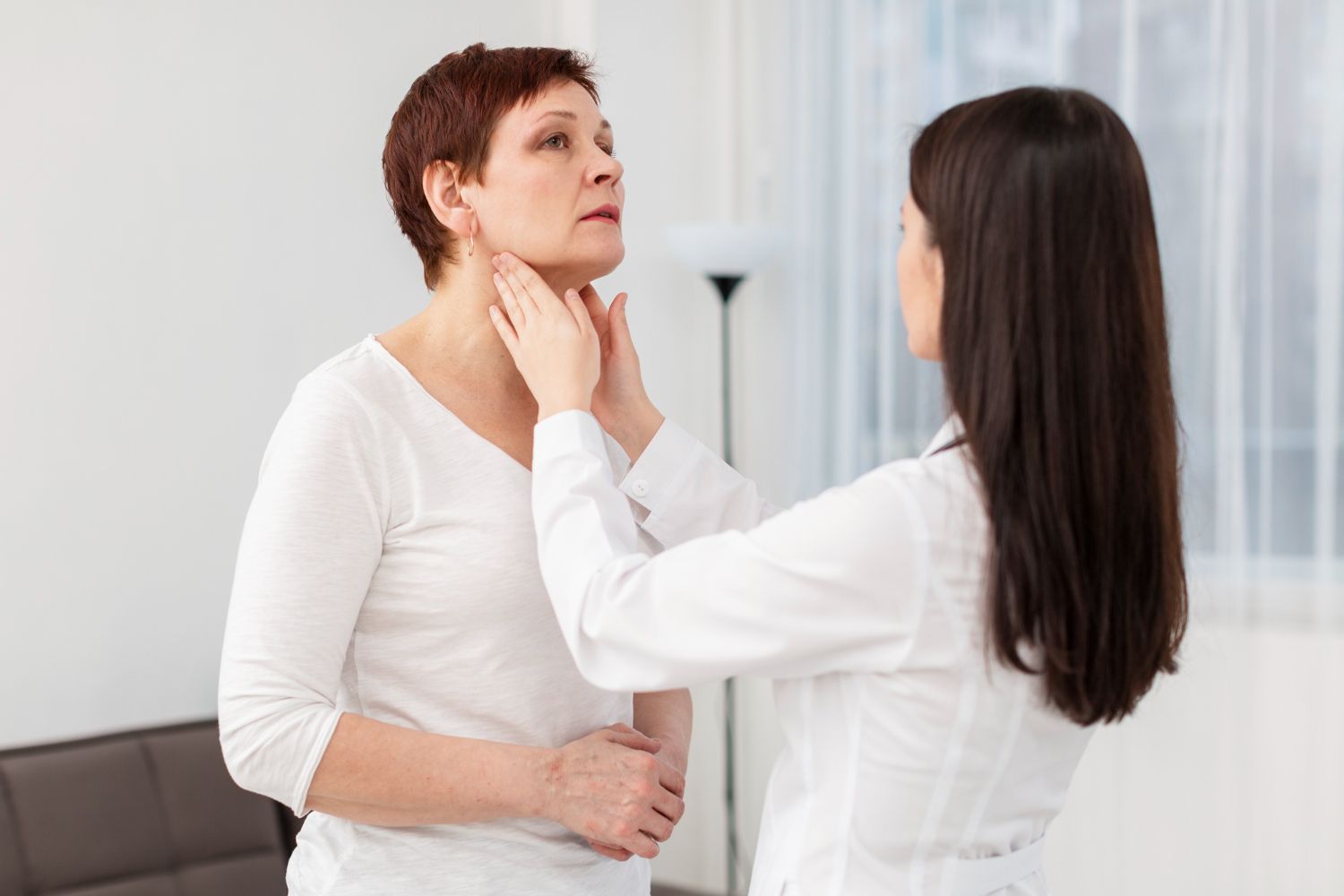
- Checking jaw range of motion and muscle tenderness
- Coordination of sleep testing when symptoms suggest possible apnea
At our Meridian practice, we look at TMJ disorder and sleep apnea together so we can design a single, conservative plan that addresses both your jaw health and your breathing. By working with the natural structure of your jaw and airway, we aim to reduce pain, protect the joints and muscles, and support deeper, more restful sleep.
Take The Next Step Toward Lasting TMJ Relief
If you recognize the signs of TMJ disorder, you do not have to keep living with jaw pain, headaches, or disrupted sleep. At The Center For Sleep Apnea and TMJ, we carefully evaluate your symptoms and create a treatment plan tailored to your specific needs. We are ready to answer your questions and guide you through every step of care. To schedule an appointment or request more information, contact us today.