TMJ-Linked Ear Fullness: When Meridian Patients Need a Specialist

When Ear Fullness Is More Than Allergy Season
Ear fullness and pressure are common complaints, especially when allergies or smoke in the air flare up around Meridian. Many people feel that strange plugged or underwater sensation and assume it is just congestion or another sinus issue. They try allergy pills, decongestants, or even multiple rounds of ear drops and still feel stuck.
What many do not realize is that the source of that ear fullness can actually be the jaw. A temporomandibular joint, or TMJ, problem can create ear symptoms that feel just like an ear issue. When this happens, seeing a TMJ Dentist in Meridian, such as Dr. Cameron Kuehne at The Center for Sleep Apnea and TMJ, can help you finally get to the real cause.
In this article, we will talk about how TMJ problems can lead to ear fullness, how to tell the difference from an ear infection, when it is time to see a Dentist , and what TMJ-focused care looks like in a clinic like ours.
How TMJ Problems Create That "Plugged Ear" Feeling
The TMJ is the small but powerful joint that connects your lower jaw to your skull, right in front of the ear. Because of this close proximity, anything that irritates or strains the TMJ can easily affect the ear area too. The joint, the ear canal, the middle ear, and the muscles around them share tight space and many nerve connections.
When the TMJ is not working smoothly, several things can happen that trigger ear fullness, such as:
- Tight or overworked jaw muscles that pull on nearby structures
- Inflammation in the joint that spreads pressure toward the ear
- A misaligned bite that forces the joint into a strained position
All of this can make the ear feel full, blocked, pressured, or as if you are hearing underwater, even when the ear itself looks normal.
The Eustachian tube, which helps equalize pressure in the middle ear, can also be affected. If jaw muscles are tense or the joint is inflamed, it can interfere with how that tube opens and closes. You may feel like your ears need to pop, but they will not, or popping gives only short relief.
Dr. Cameron Kuehne is very focused on how the jaw and ear structures overlap. At The Center for Sleep Apnea and TMJ, he carefully checks how the TMJ, muscles, and bite may be driving ear symptoms, so we can see if the problem is coming from the jaw rather than the ear itself.
Telling TMJ-Linked Ear Fullness From Ear Infections
Ear infections and sinus issues are common, so it makes sense that many people blame them first. They can bring a lot of discomfort and often need medical care from a primary doctor or ENT. Typical signs of infection or sinus problems can include:
- Fever or feeling sick overall
- Thick or colored nasal discharge
- Sudden, sharp ear pain
- Fluid or drainage coming from the ear
TMJ-related ear fullness usually behaves differently. While every person is unique, TMJ-driven symptoms often include:
- Fullness or pressure that comes and goes
- Ear sensations that change when you chew, talk, or yawn
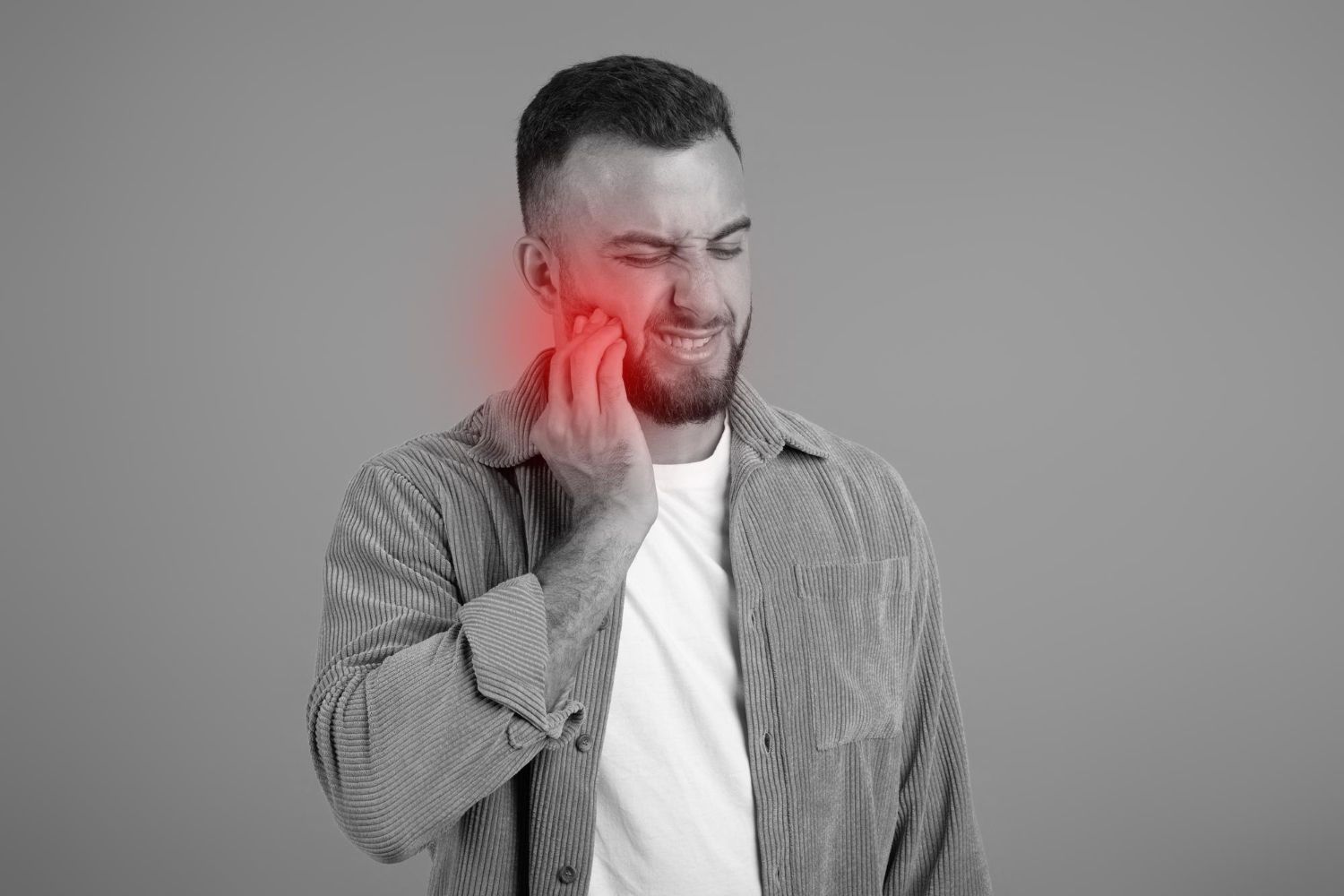
- Jaw tenderness in front of the ear
- Clicking, popping, or grinding noises in the jaw
- Morning soreness tied to clenching or grinding at night
Seasonal or lifestyle patterns can be clues too. For example, you may notice more ear pressure when chewing tougher foods, or during stressful times when jaw clenching grows worse. You may try allergy or cold medications with little change, or feel stuck in a cycle of temporary relief followed by the same pressure returning.
Many people see doctors, get told their ears look normal, and still feel miserable. This is where a TMJ Dentist in Meridian, like Dr. Cameron Kuehne, can help connect the dots between your normal ear exams and a jaw problem that has been missed.
When Meridian Patients Should See a TMJ Dentist
If your ears feel plugged for a day or two with a clear cold, you might wait and see how things go. But certain patterns are strong signs that you should consider a TMJ-focused evaluation.
Red flag signs can include:
- Ear fullness lasting more than a few weeks
- Repeated episodes with no clear ear infection
- Pressure or pain that worsens when you chew, talk, or yawn
- Ear symptoms that seem tied to jaw movement
Often, TMJ-linked ear fullness travels with other symptoms, such as:
- Headaches or facial aches, especially around the temples
- Jaw pain or soreness in front of or below the ears
- Difficulty opening wide or a feeling that the jaw catches
- Popping, clicking, or locking of the jaw
- Ringing in the ears along with pressure
If you have gone through several rounds of antibiotics, allergy pills, or decongestants and still have problems, it is reasonable to suspect the TMJ. In these cases, visiting The Center for Sleep Apnea and TMJ to see Dr. Cameron Kuehne may help you avoid more trial and error and move toward a care plan aimed at the true source of the issue.
What to Expect with TMJ-Focused Ear Fullness Care
Many people feel nervous about seeing a new type of Dentist , especially when they are already tired from pain and poor sleep. We do everything we can to keep the process calm, clear, and gentle.
First, Dr. Cameron Kuehne will take time to learn your story. This often includes questions about:
- When your ear fullness started and how it has changed
- Any jaw pain, clicking, or locking you have noticed
- Headaches, neck pain, or facial soreness
- Sleep quality, clenching, or grinding at night
- How your symptoms affect your daily life
Next comes a careful, non-surgical exam of your jaw joints and muscles. Dr. Cameron Kuehne may:
- Gently feel the muscles around your jaw, face, and neck
- Check how wide and how smoothly your jaw opens
- Listen and feel for clicks, pops, or shifts in the joint
- Look at how your teeth fit together and how your bite moves
- Ask how your ear feels as you move your jaw in different ways
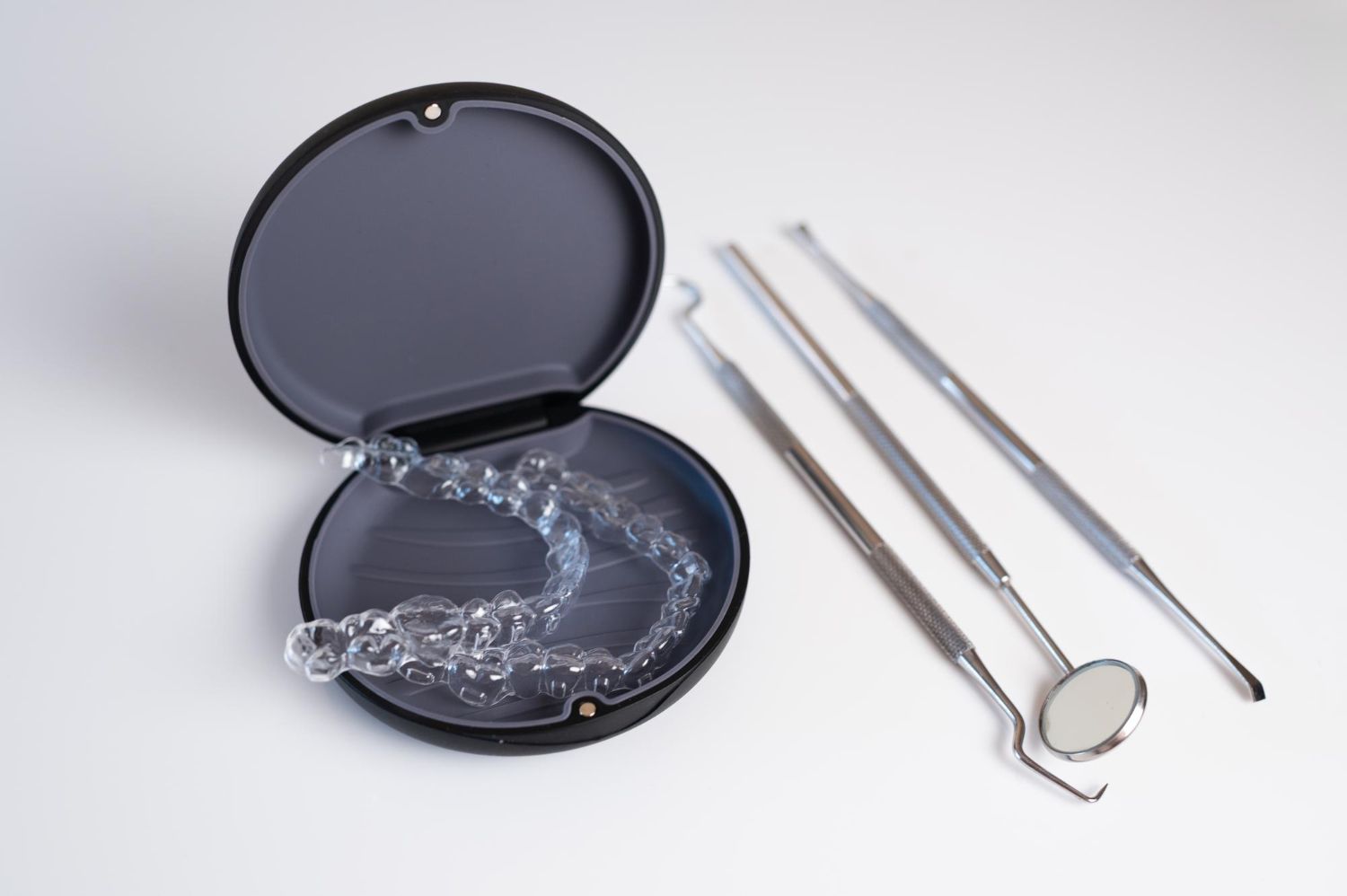
Based on what he finds, he may recommend a non-surgical treatment plan. At The Center for Sleep Apnea and TMJ, care often centers on custom oral appliance therapy. These appliances are made to fit your mouth and support a more stable jaw position, which can:
- Reduce pressure on the TMJ
- Calm overworked muscles that affect the ears
- Help limit clenching or grinding that fuels inflammation
The goal is to relieve pain, improve sleep, and return your jaw to more comfortable, steady function. Follow-up visits with Dr. Cameron Kuehne allow us to adjust your therapy as your symptoms change, so your care stays tailored to your needs.
Take the Next Step Toward Clearer Ears and a Calmer Jaw
A TMJ Dentist in Meridian, such as Dr. Cameron Kuehne at The Center for Sleep Apnea and TMJ, can provide a careful, jaw-focused look at what is really going on. By understanding how your TMJ, muscles, and bite affect your ears, we can help you move away from guesswork and toward a targeted, non-surgical plan aimed at relief and better daily comfort.
If TMJ symptoms are disrupting your daily life or keeping you from restful sleep, we are here to help you find lasting relief. Schedule a visit with our experienced
TMJ Dentist in Meridian at The Center For Sleep Apnea and TMJ to get a personalized evaluation and treatment plan. We will listen to your concerns, explain your options clearly, and guide you through each step of care. To request an appointment or ask questions, simply
contact us today.