TMJ Headaches in Meridian: Red Flags That Need Urgent Medical Care

TMJ Headaches in Meridian That You Should Never Ignore
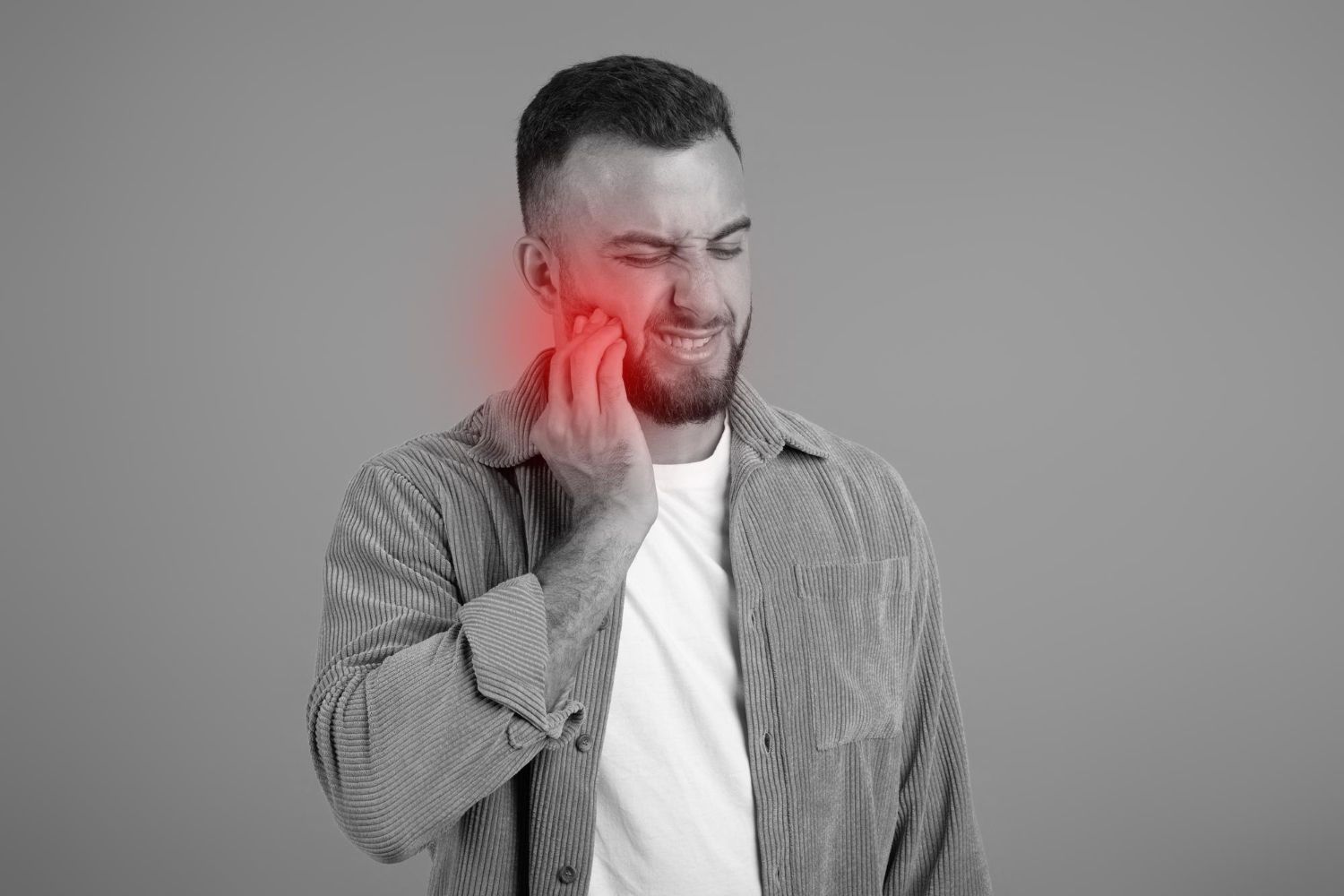
Headaches that start around your jaw or temples are common in people with TMJ problems. At The Center for Sleep Apnea and TMJ in Meridian, we see many patients whose head pain is linked to clenching, grinding, or an irritated jaw joint. These TMJ-related headaches are frustrating and can really affect sleep, mood, and energy.
Most of the time, TMJ headaches are not life-threatening. But some headache patterns are different. They can be a sign of a serious medical emergency that has nothing to do with your TMJ. Knowing the difference can protect your health and may even save your life.
Our goal at The Center for Sleep Apnea and TMJ is to help you understand when it makes sense to see Dr. Cameron Kuehne for TMJ care, and when you should skip any TMJ specialist and get urgent medical help right away. This can be tricky during late summer in Meridian, when back-to-school stress, long days outside, and travel fatigue can all flare TMJ symptoms and blur the picture.
How TMJ Headaches Typically Feel in Meridian Patients
TMJ headaches usually have a steady, predictable pattern. Many patients describe them as:
- A dull or tight ache around the temples
- Pain that starts in the jaw and radiates up the side of the head
- Discomfort that gets worse with chewing, talking, or yawning
- Morning headaches linked to nighttime clenching or grinding
Along with head pain, Dr. Cameron Kuehne often sees other classic TMJ signs, such as:
- Clicking, popping, or grinding sounds in the jaw
- Jaw that feels tight, stuck, or hard to open wide
- Soreness in the cheeks, temples, or neck muscles
- Ear fullness, ringing, or pressure without an ear infection
These patterns usually point toward a jaw joint and muscle problem, not a brain or heart emergency. With proper evaluation and conservative care at The Center for Sleep Apnea and TMJ, TMJ headaches in Meridian often calm down over time.
The key point is that TMJ-related symptoms tend to build slowly, follow certain triggers like chewing or stress, and come with familiar jaw signs. This is very different from sudden, dramatic red flag symptoms.
Red Flag TMJ Headache Symptoms That Could Signal an Emergency
Some dangerous problems in the brain or body can start with pain that feels like a TMJ headache at first. It might be tempting to blame your jaw, especially if you already have TMJ issues. But certain warning signs should never be brushed off as “just TMJ.”
Call 911 or go to the ER right away if you notice:
- A sudden, severe headache that feels like the “worst headache of your life”
- Thunderclap onset, where pain reaches full strength in seconds
- Confusion, trouble speaking, or not making sense
- Fainting, passing out, or sudden trouble walking or staying balanced
You should also seek emergency care, not a TMJ appointment, if head or jaw pain comes with:
- Chest pain or pressure
- Shortness of breath or trouble catching your breath
- One-sided weakness, drooping of the face, or numbness in an arm or leg
- Sudden vision loss, double vision, or very blurry vision
- High fever with a stiff neck and strong headache
- Seizure-like shaking or loss of awareness
If any of these are present in you or someone near you in Meridian or a nearby community, medical care must come first. Go to the nearest emergency room or call 911 before you think about seeing Dr. Cameron Kuehne or any other TMJ provider.
When Jaw and Head Pain Mean You Should See a Doctor Today
Some situations are not 911-level emergencies, but still should not wait days or weeks. These “urgent but not always ER” symptoms can overlap with TMJ and need same-day medical attention.
These include:
- Rapidly worsening jaw and head pain that is different from your usual pattern
- New severe headache and jaw pain after a fall, car accident, or hit to the face
- Headaches with ongoing vomiting that will not stop
- Jaw swelling, redness, or warmth, especially if breathing or swallowing feels harder
Where should you go first?
- Primary care or same-day clinic if head pain and general symptoms are strongest
- Urgent care or ER if you are unsure, feel very unwell, or cannot be seen quickly elsewhere
- Emergency-focused dental care if the main problem is broken teeth or acute dental trauma
In all of these situations, being medically stable always comes before TMJ-specific treatment. Once serious issues have been ruled out or treated, Dr. Cameron Kuehne and our team at The Center for Sleep Apnea and TMJ can coordinate with your other providers. We can then look for TMJ dysfunction, bite problems, and clenching patterns that may still be feeding your headaches.
How Dr. Cameron Kuehne Treats Ongoing TMJ Headaches Safely
When it is clear that you are medically stable, the next step is a detailed TMJ evaluation. Dr. Cameron Kuehne spends time asking about:
- When your headaches started and how often they happen
- What makes them better or worse, like chewing, stress, or sleep position
- Any past red flag symptoms that might point to non-TMJ causes
- Your history of jaw pain, clicking, grinding, or sleep-related breathing issues
This careful history helps separate TMJ-driven headaches from other types and keeps safety at the center of your care.
For patients with true TMJ problems, The Center for Sleep Apnea and TMJ focuses on non-surgical, conservative options, such as:
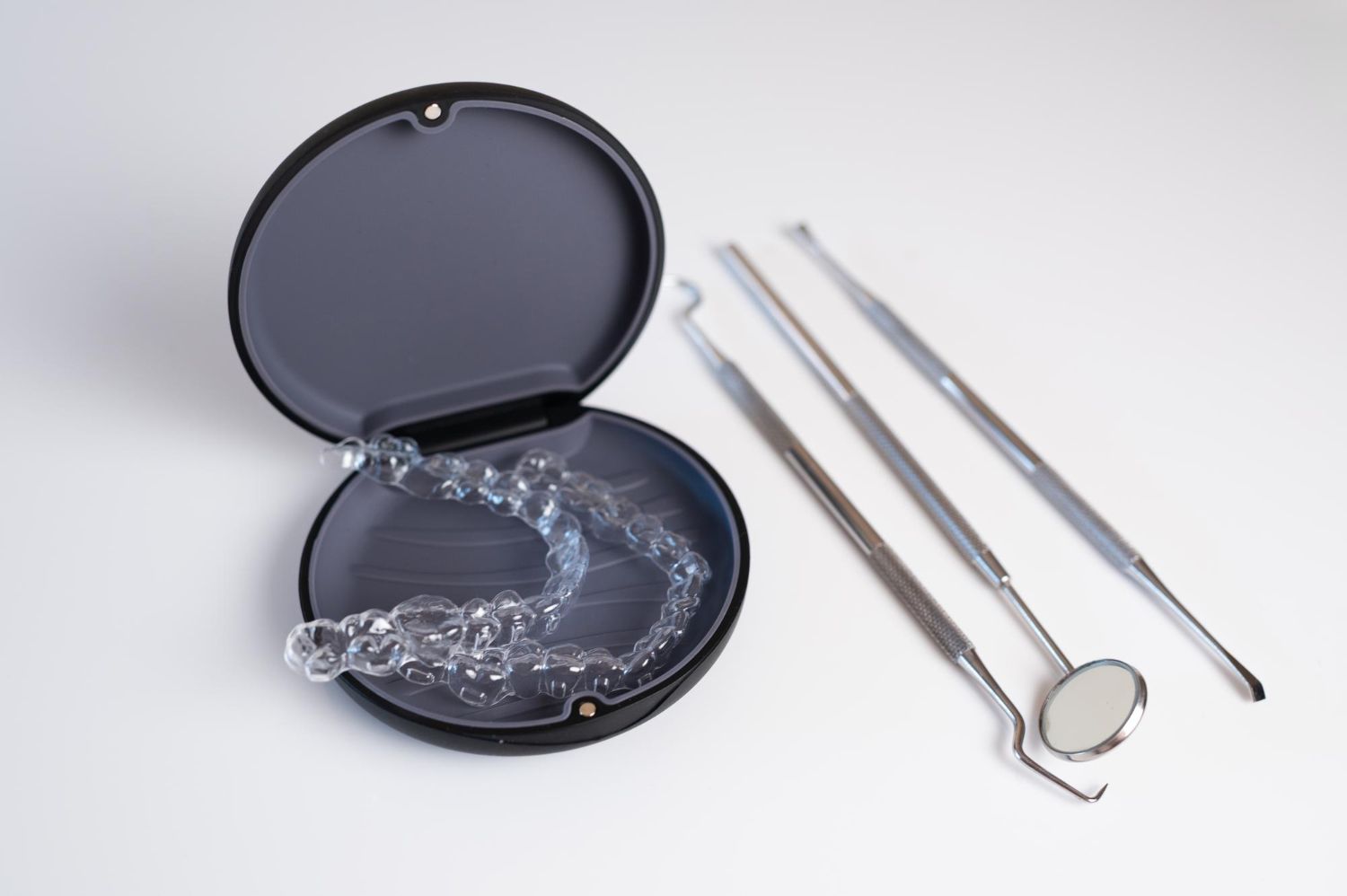
- Custom oral appliances designed to support the jaw and reduce strain
- Bite adjustments or guidance on healthier jaw posture
- Advice on easing jaw load, like avoiding hard or chewy foods
- Supportive lifestyle tips, like stress reduction and sleep position changes
Many people searching for TMJ headache treatment in Meridian feel relief knowing that, once urgent medical issues are excluded, Dr. Cameron Kuehne can offer dental sleep medicine tools instead of more invasive options. Treatment is tailored to your jaw, your bite, and your specific headache pattern.
What to Do During a Late-Summer Headache Flare-up
Late summer around Meridian can be tough on TMJ. Long days in the heat, more outdoor activities, shifting school schedules, and travel can all lead to more clenching and poor sleep. That often means more TMJ headaches.
When you feel a flare, use a simple checklist:
1. First, scan for emergency red flags
- Any sudden, extreme, or unusual headache?
- Any chest pain, trouble breathing, confusion, or weakness?
- Any high fever with stiff neck or seizure-like activity?
If yes, seek emergency care right away.
2. If no red flags are present, short-term comfort steps may help, such as:
- Cold or warm compresses on the jaw or temples
- Eating softer foods to give the jaw a break
- Gentle jaw stretches, but only if a provider has already approved them
- Over-the-counter pain relief, only as directed by your medical doctor
It is time to plan a visit with Dr. Cameron Kuehne at The Center for Sleep Apnea and TMJ when:
- Headaches last more than a few days without clear improvement
- Your jaw locks open or closed, or keeps catching
- Painful episodes keep coming back even after urgent medical causes have been ruled out
Take Charge of TMJ Headaches While Staying Out of Danger
Not every strong headache in Meridian is “just TMJ.” Learning the difference between typical TMJ patterns and serious warning signs helps you act quickly when it matters most and still get the focused TMJ care you deserve.
It can help to keep a short list of emergency red flag symptoms saved on your phone and share it with family members who also struggle with jaw pain and headaches. That way, everyone knows when to seek medical care first and when to turn to Dr. Cameron Kuehne and The Center for Sleep Apnea and TMJ for careful, targeted TMJ headache treatment in Meridian.
Find Lasting Relief From TMJ Headaches Today
If TMJ-related head pain is interrupting your sleep or daily routine, we are here to help you find real, long-term relief. At The Center For Sleep Apnea and TMJ, our team provides focused, personalized care with advanced options for
TMJ headache treatment in Nampa. Schedule an appointment so we can evaluate your symptoms, explain your options, and design a plan that fits your goals. If you are ready to take the next step, simply
contact us and we will help you get started.