TMJ in Meridian: Red-Flag Symptoms That Need Treatment Now vs. Self-Care
TMJ Relief in Meridian Starts with Knowing the Signs
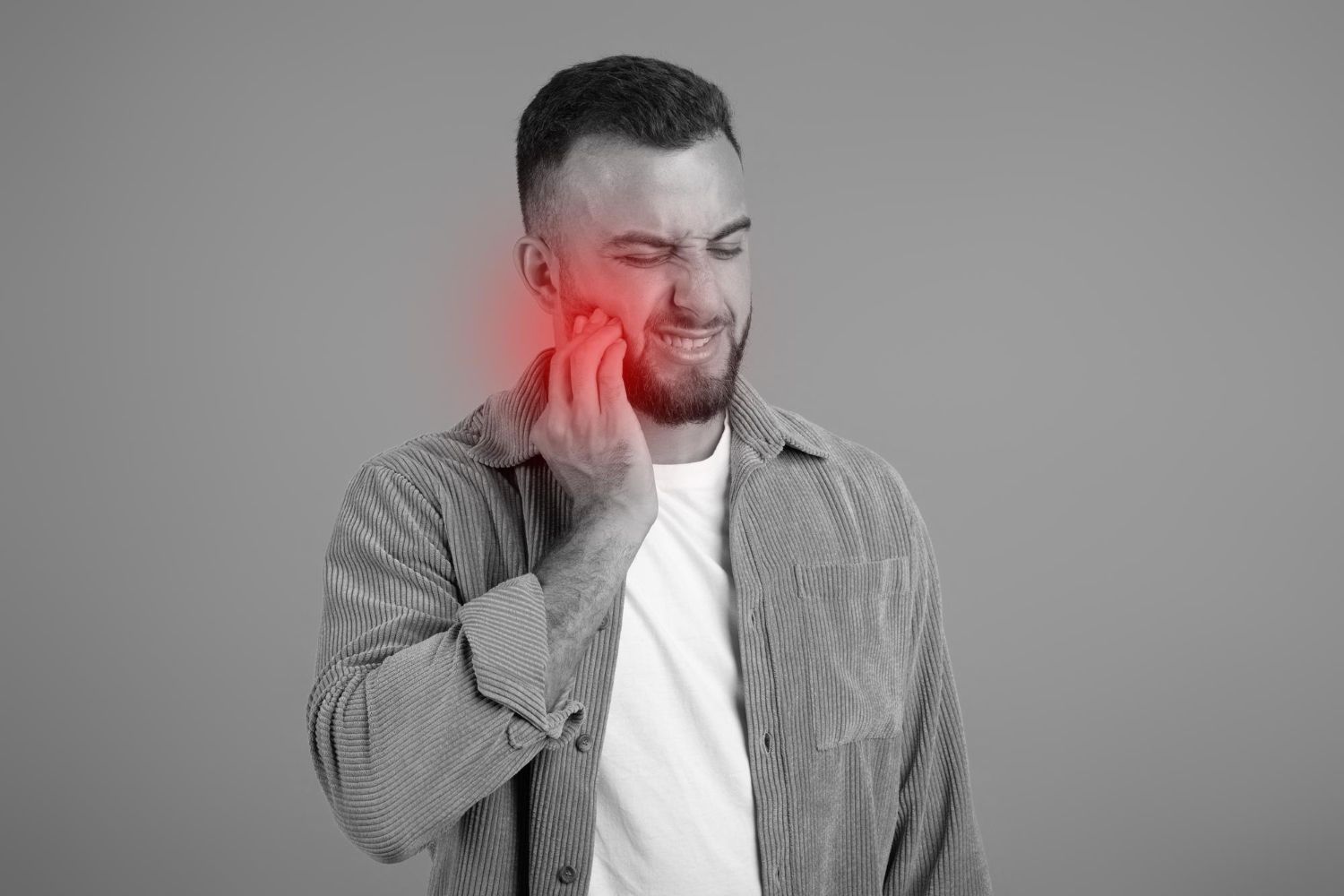
Jaw pain has a way of sneaking into everything, from end-of-summer barbecues to back-to-school runs. A little stiffness in the morning or a tired jaw after a long day can seem harmless at first. Then it starts to show up more often, and suddenly chewing, talking, or even smiling does not feel simple anymore.
Many people try to handle this on their own for months. They switch to softer foods, use ice packs, or tell themselves it is just stress from a busy season. The problem is that some symptoms are not meant for self-care at all. They are warning signs that the jaw joint may be in trouble and needs professional help.
At The Center for Sleep Apnea and TMJ in Meridian, we see this pattern often. Dr. Cameron Kuehne focuses on telling the difference between TMJ discomfort that can calm down with basic care and TMJ disorder that needs targeted treatment. This guide will help you spot which symptoms are safe to watch for a short time and which ones mean it is time to act now to protect your jaw, bite, and long-term comfort.
Everyday TMJ Discomfort Versus Dangerous Red Flags
Not every click or ache in your jaw means there is a serious problem. Some symptoms are common and may settle with short-term changes.
Mild TMJ discomfort can look like:
- Occasional jaw stiffness when you wake up
- A soft click or pop without pain when you open wide
- Soreness after chewing tougher foods or talking for a long time
- Tired jaw muscles at the end of a busy day
For some people, gentle care can help in the short term, such as eating softer foods for a few days, using ice or warm packs on the jaw, and being mindful about not over-opening the mouth. Simple stress reduction, like easing clenching during the day, may also give some relief.
But there is a clear line between “annoying” and “alarming.” red-flag TMJ symptoms should never be brushed off as normal aging or stress. These may include:
- The jaw locking open or closed, or feeling like it might get stuck
- A sudden change in how your teeth meet when you bite
- Sharp, stabbing, or worsening jaw pain that affects eating or talking
- Jaw movement that feels limited, crooked, or off-track
When late summer pressures pick up, many people tell themselves they are “just clenching from stress.” While stress can play a role, it can also hide deeper issues in the joint, like disc displacement or early joint damage. Dr. Cameron Kuehne looks closely at how the joint moves, how the bite has changed, and what the jaw sounds and feels like, to decide when TMJ disorder treatment in Meridian is needed to prevent lasting problems.
Head, Face, and Ear Pain That Signal a TMJ Emergency
TMJ problems do not always show up only in the jaw. They can spread into the head, face, and ears, which is why many people first think they have sinus trouble or ear infections instead of a jaw issue.
TMJ-related pain can feel like:
- Aching or pressure in the temples or cheeks
- Pain or pressure behind the eyes
- Ringing in the ears or a feeling of fullness without signs of infection
- Pain that seems to sit around the jaw joints, in front of the ears
When these symptoms flare with chewing, talking, yawning, or other jaw movements, they are often strong clues that the jaw joint may be involved. These are not normal “tension” headaches to simply push through week after week.
Warning signs that should lead to prompt evaluation with Dr. Cameron Kuehne include:
- Headaches on most days, especially if they center around the temples or jaw
- Facial pain that wakes you at night or makes it hard to fall asleep
- Pain around the jaw or ears that gets worse when you chew or talk
- Jaw-related pain combined with dizziness or balance troubles
Pain that spreads like this can drain your energy and make school, work, and family time feel like a struggle. At The Center for Sleep Apnea and TMJ, Dr. Cameron Kuehne uses a focused, jaw-centered approach to see whether the TMJ is actually driving these head, face, or ear symptoms. Early, targeted care is typically safer than relying on repeat pain medicine or trying to “tough it out.”
When Jaw Pain Affects Sleep and Breathing
TMJ issues often travel together with nighttime problems like clenching, grinding, and changes in breathing during sleep. When jaw pain and poor sleep show up side by side, it deserves careful attention from a professional, not just home remedies.
Red-flag patterns can include:
- Jaw or facial pain that is clearly worse in the morning
- A partner who hears grinding sounds while you sleep
- Teeth that look worn, chipped, or recently broken
- Waking with headaches, neck pain, or tightness in the shoulders
- Snoring-like breathing changes paired with jaw discomfort
These issues can flare during schedule changes, such as back-to-school season, when stress rises and sleep routines get off track. Clenching and grinding can overload the jaw joints and muscles, which can feed TMJ pain and speed up tooth wear at the same time.
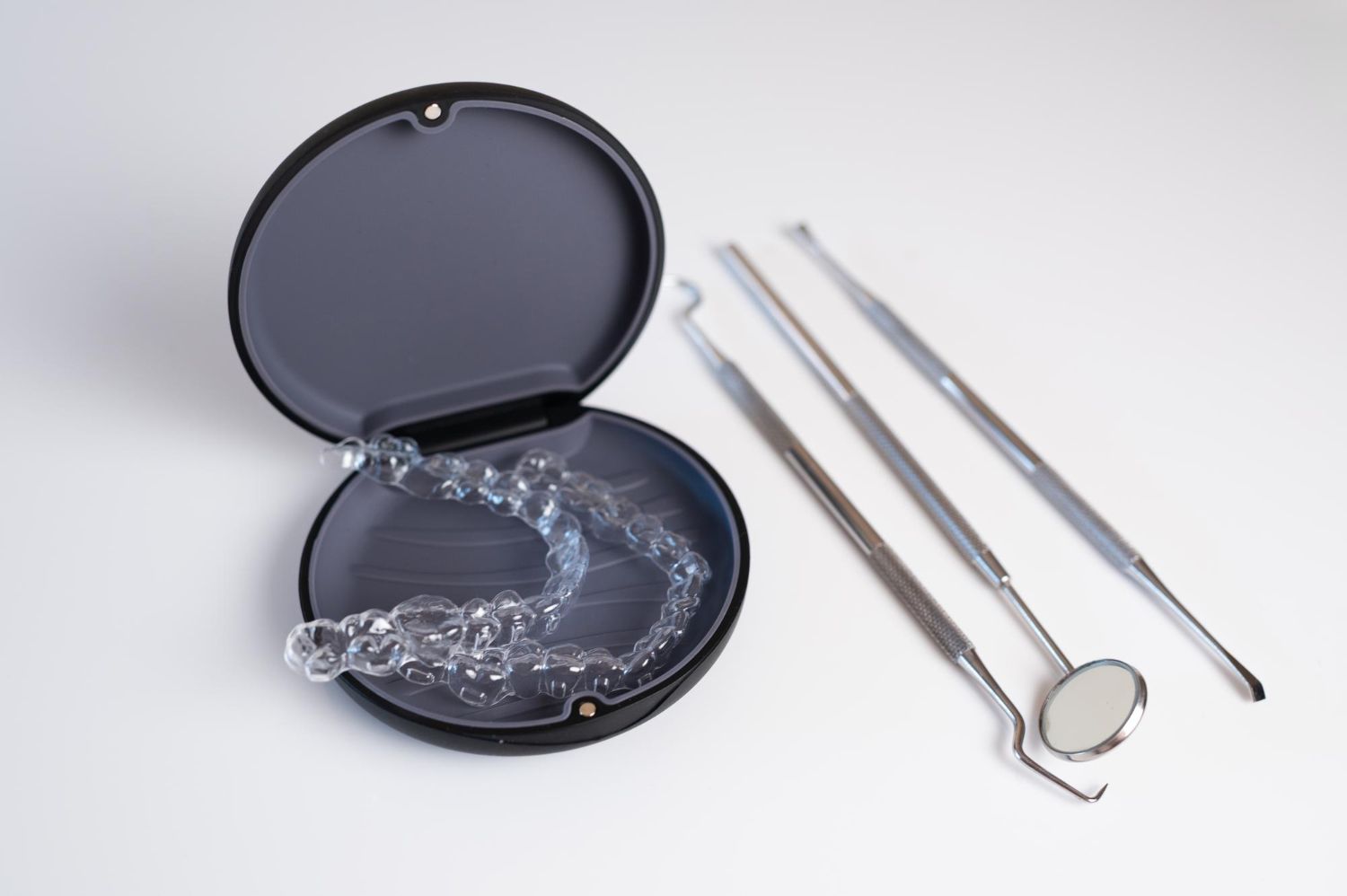
Dr. Cameron Kuehne focuses on how the jaw joints, facial muscles, and sleep-related breathing patterns all connect. At The Center for Sleep Apnea and TMJ, customized oral appliance therapies are used to help support the jaw in a healthier position, reduce strain on the joints and muscles, and support better nighttime function when simple self-care is not enough to calm symptoms.
How Dr. Kuehne Tailors TMJ Treatment in Meridian
Hearing the term “TMJ disorder” can sound scary, but not every patient needs aggressive treatment. The first step is a careful look at what is really happening in your joints and muscles.
With Dr. Cameron Kuehne, a typical TMJ evaluation may include:
- A detailed medical and dental history
- Questions about when symptoms started and how they change
- Checking jaw movements like opening, closing, and side-to-side motion
- Listening and feeling for joint noises like clicks or grating
- Watching for changes in how your teeth come together
From there, treatment at The Center for Sleep Apnea and TMJ is shaped around your needs and the cause of your symptoms. Options can range from simple lifestyle and jaw-use guidance to customized oral appliance therapies made to support and realign the jaw joint while protecting teeth and muscles.
Acting sooner rather than later has real benefits. It can:
- Lower pain before it becomes a constant, daily problem
- Help prevent extra wear or damage to the jaw joints and teeth
- Protect sleep quality during busy seasons when rest matters most
- Support better long-term comfort and function in your jaw
Dr. Cameron Kuehne has advanced university training focused on these problems, and his goal is precise, minimally invasive care that fits the level of your TMJ disorder, not a one-size-fits-all plan.
Don’t Ignore the Signs, Protect Your Jaw Health Now
Some TMJ symptoms can be watched for a short time, but others should never be ignored. Red flags to take seriously include jaw locking, new or sudden changes in your bite, strong or daily head and facial pain, ear symptoms without infection, and jaw pain that travels into your sleep and breathing.
These problems are not “just stress” or “just getting older.” They are your body’s way of asking for help. When you understand which signs are serious, you are in a much better place to protect your jaw joints, your teeth, and your overall comfort.
If you notice these warning signs in yourself or someone in your family, TMJ disorder treatment in Meridian with a focused provider like Dr. Cameron Kuehne can make a real difference. With the right evaluation and a plan tailored to your needs at The Center for Sleep Apnea and TMJ, it is possible to move back toward daily life, local activities, and restful nights with less pain and more confidence in your jaw.
Regain Comfortable, Confident Jaw Function Today
If jaw pain, headaches, or difficulty chewing are disrupting your life, we are here to help you find lasting relief. At The Center For Sleep Apnea and TMJ, our team provides personalized
TMJ disorder treatment in Meridian tailored to your specific symptoms and goals. We will carefully evaluate your jaw health and create a clear, step-by-step plan to restore comfort and function. To schedule an appointment or ask questions about your options, please
contact us today.