The Impacts of Sleep Apnea on Cardiovascular Health
Sleep Apnea, a common and potentially serious disorder where breathing repeatedly stops and starts during sleep, presents a range of health risks that extend far beyond the realm of sleep quality. While the immediate impacts—such as daytime fatigue, morning headaches, and irritability - are widely recognized, the long-term implications on cardiovascular health are often underestimated. Scientific research continues to shed light on the intricate link between sleep apnea and cardiovascular disease, revealing a correlation that is as complex as it is alarming.
The implications are profound; sleep apnea does not merely interfere with a good night's sleep—it can significantly jeopardize heart health. From hypertension to heart failure, atrial fibrillation to stroke, the relationship between sleep apnea and cardiovascular disease is one that deserves our attention and demands further investigation.
Understanding this relationship requires delving into the physiological mechanisms at play. How does the repeated interruption of breathing impact heart function? What role does the resultant oxygen deprivation play in fostering cardiovascular disease? These are among the questions that will be explored in this discussion.
By comprehending the potentially serious impacts of sleep apnea on cardiovascular health, we can better appreciate the importance of adequate diagnosis and treatment.
The Relationship Between Sleep Apnea and Cardiovascular Issues
Sleep apnea, particularly obstructive sleep apnea (OSA), has been linked to an increased risk of developing various cardiovascular issues. Some of the most common health risks associated with sleep apnea include:
1. Hypertension (High Blood Pressure)
Sleep apnea can lead to high blood pressure due to frequent awakenings throughout the night, causing hormonal fluctuations and putting increased stress on the cardiovascular system.
2. Atrial Fibrillation (Irregular Heartbeat)
Atrial fibrillation, an irregular and rapid heart rate, has been associated with untreated sleep apnea. The stress on the cardiovascular system caused by sleep apnea may contribute to the development of this heart rhythm disorder.
3. Stroke
Research has suggested that untreated sleep apnea may increase the risk of stroke, as it can contribute to the narrowing of blood vessels in the brain and cause blood clots to form.
4. Heart Failure
Untreated sleep apnea can also increase the risk of heart failure, as it places added strain on the heart and may lead to an enlargement of the heart's left ventricle.
Treatment Options for Sleep Apnea and Improved Cardiovascular Health
The Center for Sleep Apnea and TMJ offers various treatment options to help individuals manage sleep apnea and reduce the risk of cardiovascular issues:
1. Continuous Positive Airway Pressure (CPAP) Therapy
CPAP therapy is a highly effective treatment for sleep apnea that involves the use of a machine delivering continuous, pressurized air through a mask to keep the airway open during sleep. By maintaining an open airway and reducing sleep disruptions, CPAP therapy can help alleviate the stress placed on the cardiovascular system.
2. Oral Appliances
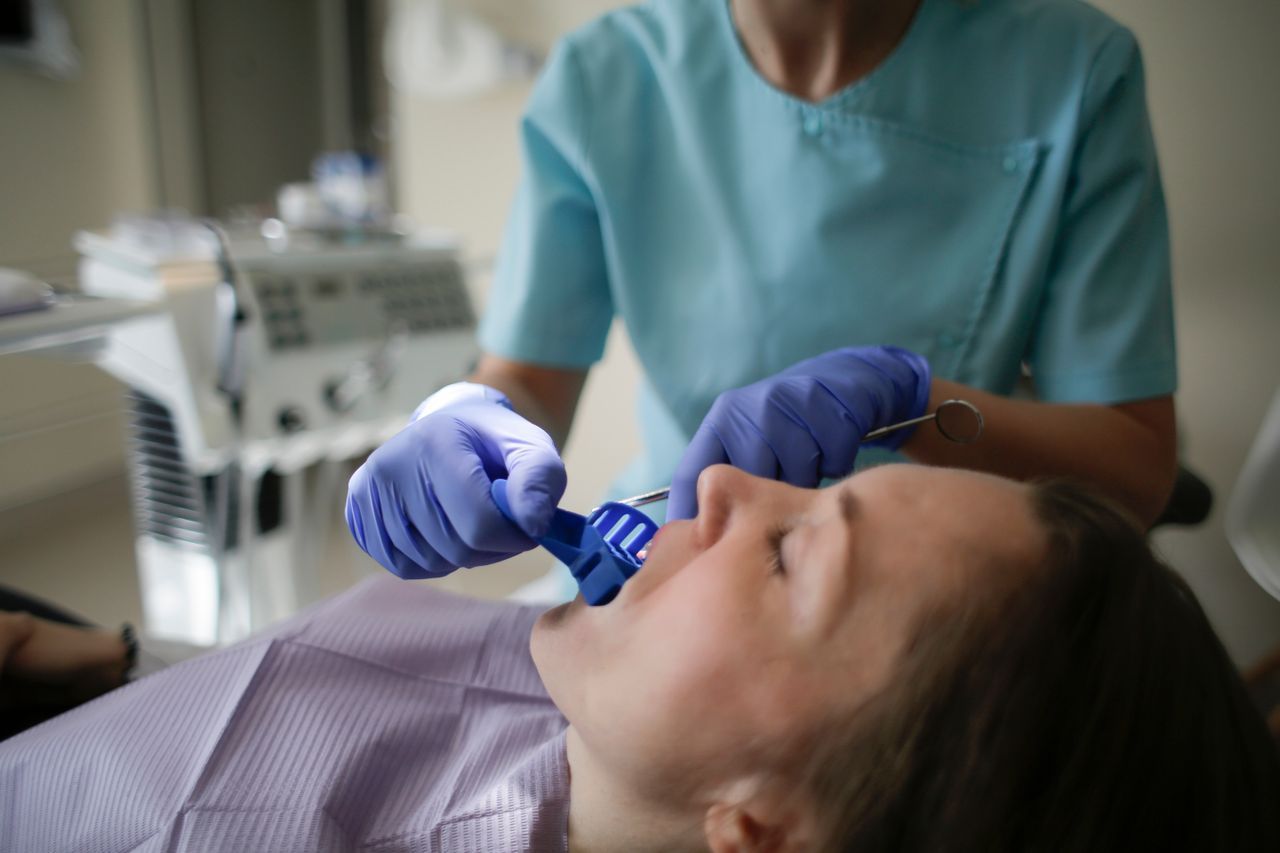
Custom oral appliances can reposition the jaw and tongue during sleep, maintaining a more open airway and reducing the occurrence of sleep apnea episodes. Oral appliances can be a suitable alternative for those who find CPAP therapy uncomfortable or cannot tolerate it.
3. Sleep Position Therapy
Sleep position therapy encourages side sleeping, reducing the likelihood of airway obstruction that occurs when sleeping on one's back. Proper sleep positioning can be achieved with the help of special pillows, positioning devices, or even the use of wearable devices that prompt users to change their sleeping position.
4. Lifestyle Changes
Lifestyle changes, such as weight loss, regular exercise, and avoiding alcohol and sedatives before bedtime, can significantly improve sleep apnea symptoms and contribute to better cardiovascular health.
Getting Started with Sleep Apnea Treatment
If you suspect sleep apnea and are concerned about its potential impact on your cardiovascular health, taking action is necessary. The Center for Sleep Apnea and TMJ offers the following steps to help you get started with sleep apnea treatment:
1. Comprehensive Sleep Evaluation
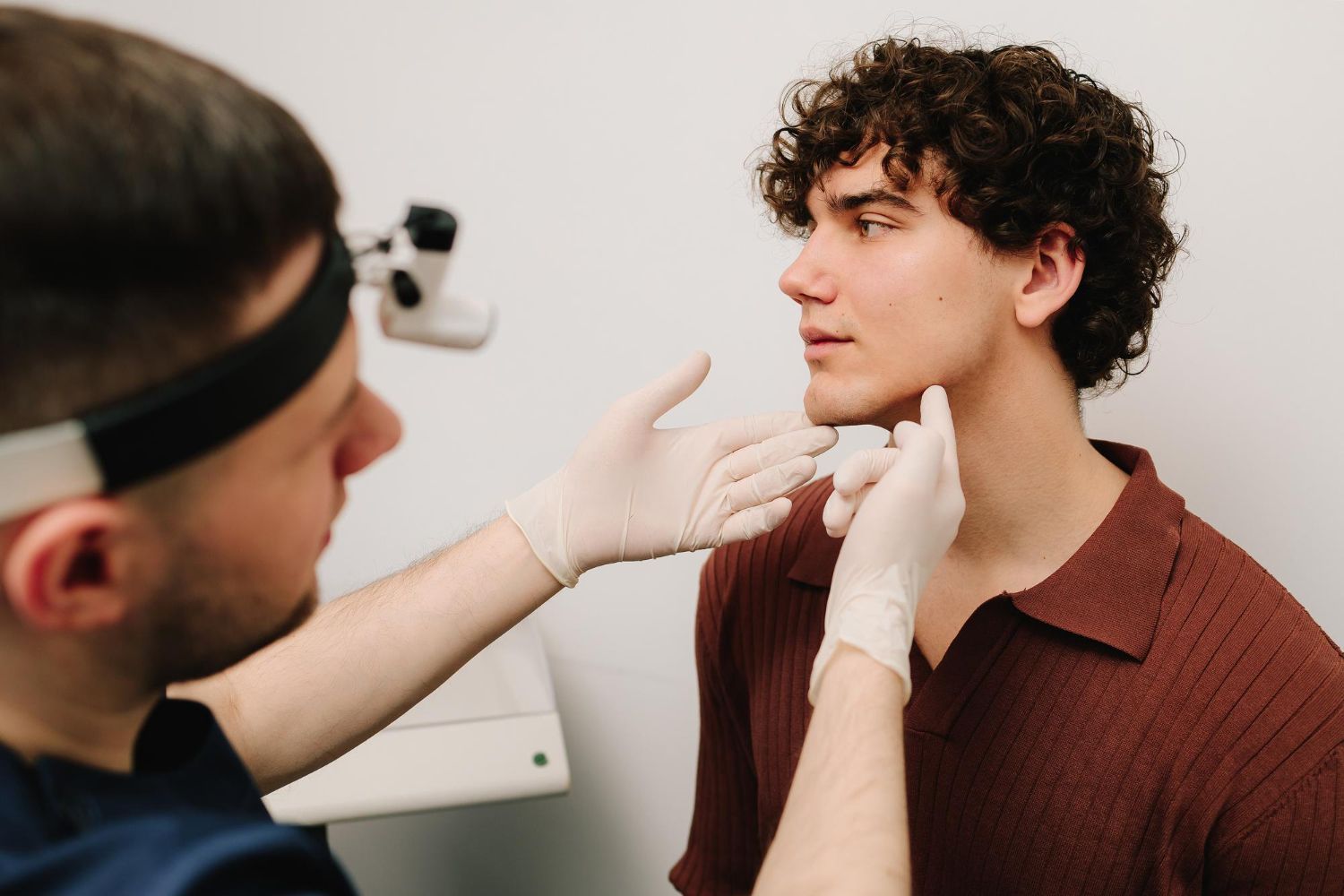
A thorough sleep evaluation by our expert team can identify the presence of sleep apnea and provide an accurate diagnosis of your specific sleep disorder.
2. Personalized Treatment Plan
Based on your evaluation, we will develop a personalized treatment plan, considering factors such as the severity of your sleep apnea, your preferences, and any related medical conditions.
3. Regular Follow-Up and Support
We provide ongoing support and scheduled follow-up appointments to ensure that your treatment plan remains effective and adjusts as needed to provide the best results for your sleep and overall health.
Understanding the Connection between Sleep Apnea and Heart Health
Understanding the connection between sleep apnea and cardiovascular health is essential when addressing this common sleep disorder. By seeking the help of the experts at the Center for Sleep Apnea and TMJ, you can receive the accurate diagnosis and effective treatment solutions you need to reduce the risk of cardiovascular issues and enhance your overall well-being.
Take control of your sleep and your heart health today by taking proactive steps to manage your sleep apnea and enjoy the benefits of improved sleep quality and a healthier future. Get in touch with our
sleep apnea clinic in Meridian today!