Proper Jaw Alignment and TMJ Disorders: The Impacts on Health and Sleep Quality

Your jaw plays a crucial role in various aspects of your life—from speaking and chewing to expressing emotions and facial expressions. However, the significance of proper jaw alignment is often overlooked despite its potential impact on health, sleep quality, and overall well-being. Problems with jaw alignment can lead to temporomandibular joint (TMJ) disorders, which not only cause discomfort and pain but also contribute to sleep disturbance, sleep apnea, and other health issues. With Dr. Cameron Kuehne's guidance and expertise at The Center for Sleep Apnea And TMJ in Meridian, we strive to shed light on the importance of proper jaw alignment for maintaining optimal health and sleep quality.
In this blog post, we will discuss the role of jaw alignment in health, sleep, and overall quality of life. We'll explore the consequences of TMJ disorders and their impact on sleep and general well-being. Additionally, we will share information on effective treatment options available at our Meridian clinic, aiming to provide comprehensive solutions for those affected by TMJ disorders or other jaw-related issues.
The Role of Jaw Alignment in Health and Sleep Quality
Proper jaw alignment is crucial for a variety of reasons. Misalignment can lead to compromised functionality, especially when it comes to eating and speaking. Additionally, poor jaw alignment can contribute to a number of health issues and hinder sleep quality. The following are some significant ways in which jaw alignment can impact your overall health and sleep:
1. Sleep Apnea and Snoring: Jaw misalignment may cause the tongue and soft tissues in the mouth to obstruct the airway, leading to sleep apnea and snoring.
2. Worn Down or Cracked Teeth: Misaligned jaws can cause your teeth to come together improperly, which may result in wear, cracks, or damage to your teeth and dental work.
3. Headaches and Facial Pain: Strain and stress on the jaw muscles can trigger headaches, facial pain, or discomfort in the temporomandibular joint (TMJ).
4. Compromised Speech and Chewing:
Proper jaw alignment is essential to speak clearly and eat comfortably without unintentionally biting the cheeks or lips.
Unraveling TMJ Disorders: Symptoms, Causes, and Diagnosis
TMJ disorders refer to a set of conditions affecting the temporomandibular joint (TMJ), which connects the jawbone to the skull. These disorders can result in a variety of symptoms and may stem from several causes. Key aspects of TMJ disorders include:
1. Symptoms: TMJ disorders commonly present with jaw pain or tenderness, limited jaw movement, lockjaw, clicking or popping noises when opening or closing the mouth, and headaches.
2. Causes: TMJ disorders can arise from several factors, including jaw misalignment, teeth grinding (bruxism), arthritis, physical injury, or excessive stress on the jaw muscles.
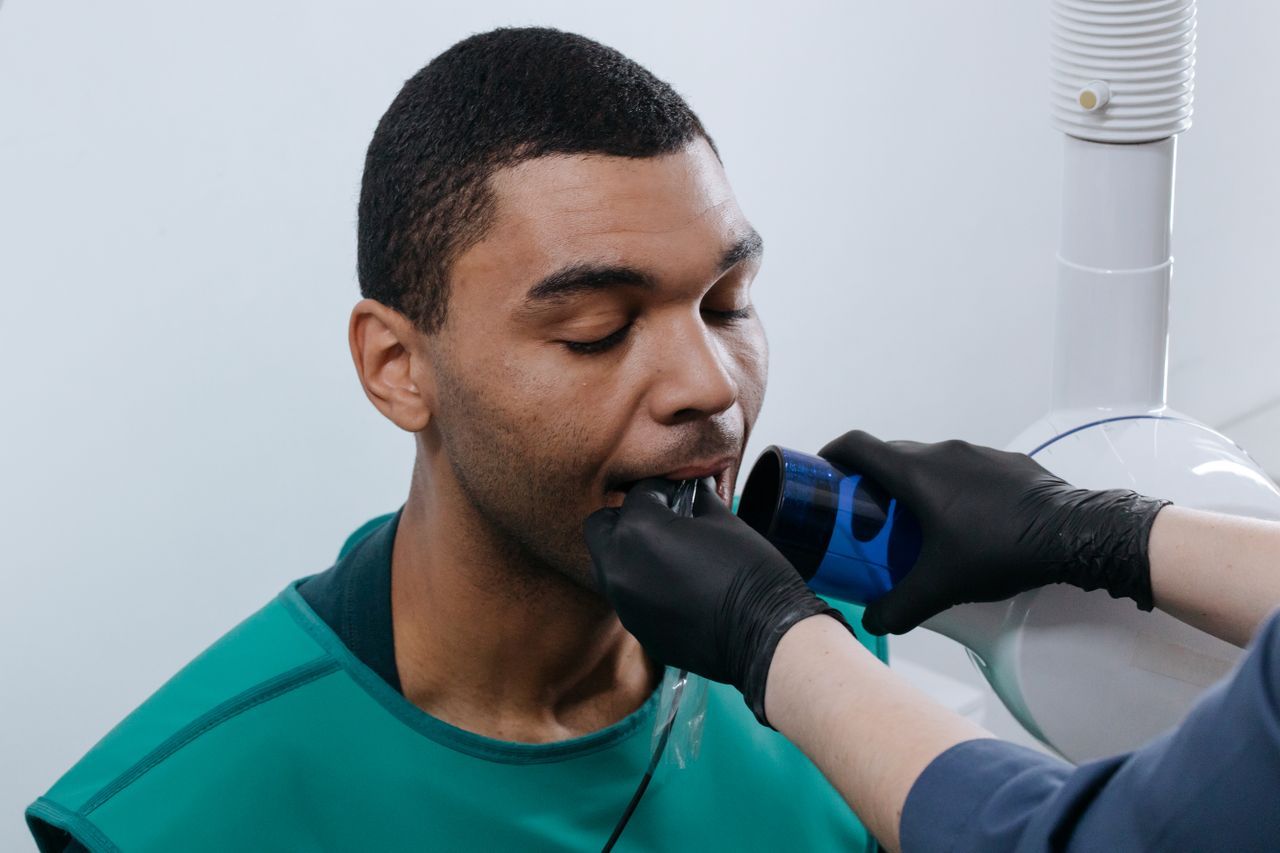
3. Diagnosis: Diagnosing TMJ disorders typically involves a thorough evaluation of the patient's medical history, a clinical examination of the jaw and surrounding structures, and imaging studies such as X-rays, CT scans, or MRI.
Proven Treatment Options for TMJ Disorders
At our clinic in Meridian, we offer an array of innovative and personalized treatment options for TMJ disorders designed to address each patient's unique needs. Our treatment approach generally encompasses the following:
1. Oral Appliance Therapy:
Custom-made oral appliances can help address TMJ disorders by repositioning the jaw to a more favorable alignment. This can alleviate strain on the joint and surrounding muscles, reduce pain, and improve functionality.
2. Physical Therapy: Physical therapy tailored to TMJ disorders can provide relief by improving joint mobility, strengthening jaw muscles, and teaching techniques to help manage pain and symptoms.
3. Medication: Prescription and over-the-counter medications, such as anti-inflammatory drugs, muscle relaxants, or pain relievers, can be used to help manage and relieve pain and inflammation associated with TMJ disorders.
4. Lifestyle Modifications: Incorporating self-care practices, such as stress management techniques, a soft food diet, or avoiding activities that strain the jaw, can play a crucial role in treatment and symptom management.
Preventing TMJ Disorders and Maintaining Proper Jaw Alignment
Taking proactive measures to maintain proper jaw alignment and prevent TMJ disorders is essential in safeguarding overall health and sleep quality. Consider the following preventative practices:
1. Regular Dental Checkups: Routine dental visits can help detect early signs of jaw misalignment or other issues that could contribute to TMJ disorders.
2. Stress Management:
Reducing stress and incorporating relaxation techniques can help prevent teeth grinding and jaw clenching, which contribute to TMJ disorders.
3. Proper Oral Hygiene:
Good oral hygiene is essential for maintaining healthy teeth that promote proper jaw alignment.
4. Posture and Ergonomics:
Maintaining good posture, especially while sitting and working at a desk, can help support jaw alignment and prevent strain on the TMJ.
Conclusion
Proper jaw alignment is vital to maintaining overall health, sleep quality, and well-being. By understanding the implications of TMJ disorders and taking preventative measures, individuals can minimize the risk of developing complications and benefit from improved sleep and overall health.
Dr. Cameron Kuehne and our dedicated team at The Center for Sleep Apnea And TMJ in Meridian are committed to providing personalized care and innovative treatment options for patients suffering from
TMJ disorders or jaw-related issues. If you are struggling with jaw pain, sleep disruption, or other symptoms associated with TMJ disorders, don't hesitate to reach out to our expert team and let us help you on your journey toward optimal health and improved sleep quality.