Exploring the Relationship Between Sleep Apnea and Headaches: Causes, Prevention, and Treatment

Headaches are a common form of pain and discomfort experienced by millions of people around the world. While they can arise due to various triggers and underlying conditions, sleep apnea is a frequently ignored factor that may contribute to chronic headaches.
Sleep apnea is a sleep disorder wherein an individual experiences repeated periods of partial or complete blockage of the airway during sleep. This obstruction can result in reduced oxygen levels in the body, which may trigger headaches upon waking. Morning headaches are a prevalent symptom found in individuals suffering from sleep apnea, especially those with undiagnosed or untreated cases. In addition to headaches, sleep apnea may also cause snoring, excessive daytime sleepiness, irritability, and diminished cognitive functioning.
Untreated sleep apnea can have a significant impact on a person's quality of life. For example, chronic morning headaches may lead to difficulties in concentrating, mood disturbances, and reduced work productivity. By understanding and addressing the link between sleep apnea and headaches, individuals can take a proactive approach towards restoring their health and regaining a good night's sleep.
In this blog post, we will discuss the various factors contributing to the relationship between sleep apnea and headaches, outline the warning signs that may indicate a connection between the two, and dive into the prevention strategies and treatment options available at The Center for Sleep Apnea and TMJ. By providing this comprehensive guide to sleep apnea and headaches, we aim to help our readers achieve optimal health and a life free from these debilitating symptoms.
The Underlying Connection Between Sleep Apnea and Headaches
To better understand the association between sleep apnea and headaches, it's essential to explore the physiological changes that occur during episodes of sleep apnea. Three primary factors contribute to the development of headaches in individuals with sleep apnea:
1. Reduced Oxygen Levels: During sleep apnea events, an individual's airway becomes partially or completely blocked, leading to periods of shallow breathing or complete cessation of airflow. This disruption results in reduced oxygen levels in the bloodstream, which may cause blood vessels to dilate and trigger a headache.
2. Disrupted Sleep: Sleep apnea causes fragmented and disrupted sleep, leading to poor sleep quality and a reduction in the deep stages of sleep essential for proper rest and rejuvenation. This chronic sleep disruption can contribute to the onset of both tension-type and migraine headaches.
3. Carbon Dioxide Buildup: When breathing becomes obstructed due to sleep apnea, an excess of carbon dioxide can accumulate in the bloodstream. This increase in carbon dioxide has been associated with the development of morning headaches in sleep apnea sufferers.
Warning Signs: Identifying the Link between Sleep Apnea and Headaches
Noticing one or more of the following warning signs may indicate a connection between sleep apnea and headaches:
1. Morning Headaches: Waking up with headaches, particularly if they occur on a regular basis, could indicate a relationship with sleep apnea.
2. Migraines or Chronic Headaches: A history of migraines or other chronic headaches coupled with symptoms of sleep apnea may point to a potential link.
3. Snoring or Gasping for Air during Sleep: Loud snoring or gasping for air in one's sleep often accompanies sleep apnea, which may contribute to the development of headaches.
4. Excessive Daytime Sleepiness: Experiencing fatigue or excessive daytime sleepiness, despite adequate time spent in bed, could suggest the presence of sleep apnea and its association with headaches.
Prevention Strategies: Minimizing the Risk of Sleep Apnea-Related Headaches
Incorporating the following strategies in one's daily routine may help minimize the risk of developing headaches due to sleep apnea:
1. Maintain a Healthy Weight: Carrying excess weight, particularly around the neck, can contribute to the development of sleep apnea. Maintaining a healthy weight through a balanced diet and regular exercise can reduce the risk.
2. Sleep on Your Side: Sleeping on your side rather than your back can help prevent the collapse of the airway associated with sleep apnea and decrease the likelihood of developing headaches.
3. Establish a Sleep Routine: Creating and adhering to a regular sleep schedule, as well as creating a sleep-friendly environment, can promote better sleep quality and reduce the occurrence of sleep apnea and related headaches.
4. Avoid Alcohol and Smoking: Alcohol consumption can relax the muscles in the airways, worsening sleep apnea symptoms, while smoking can irritate the throat and exacerbate snoring and sleep apnea. Limiting or eliminating these habits can help improve the symptoms of sleep apnea and associated headaches.
Treatment Options: Alleviating Headaches Caused by Sleep Apnea
At The Center for Sleep Apnea and TMJ, our team of experts offers a range of treatment options to help alleviate headaches caused by sleep apnea:
1. Continuous Positive Airway Pressure (CPAP) Therapy: A CPAP machine is the gold standard therapy for sleep apnea. The device delivers constant, pressurized air through a mask to keep the airway open during sleep, reducing sleep apnea events and associated headaches.
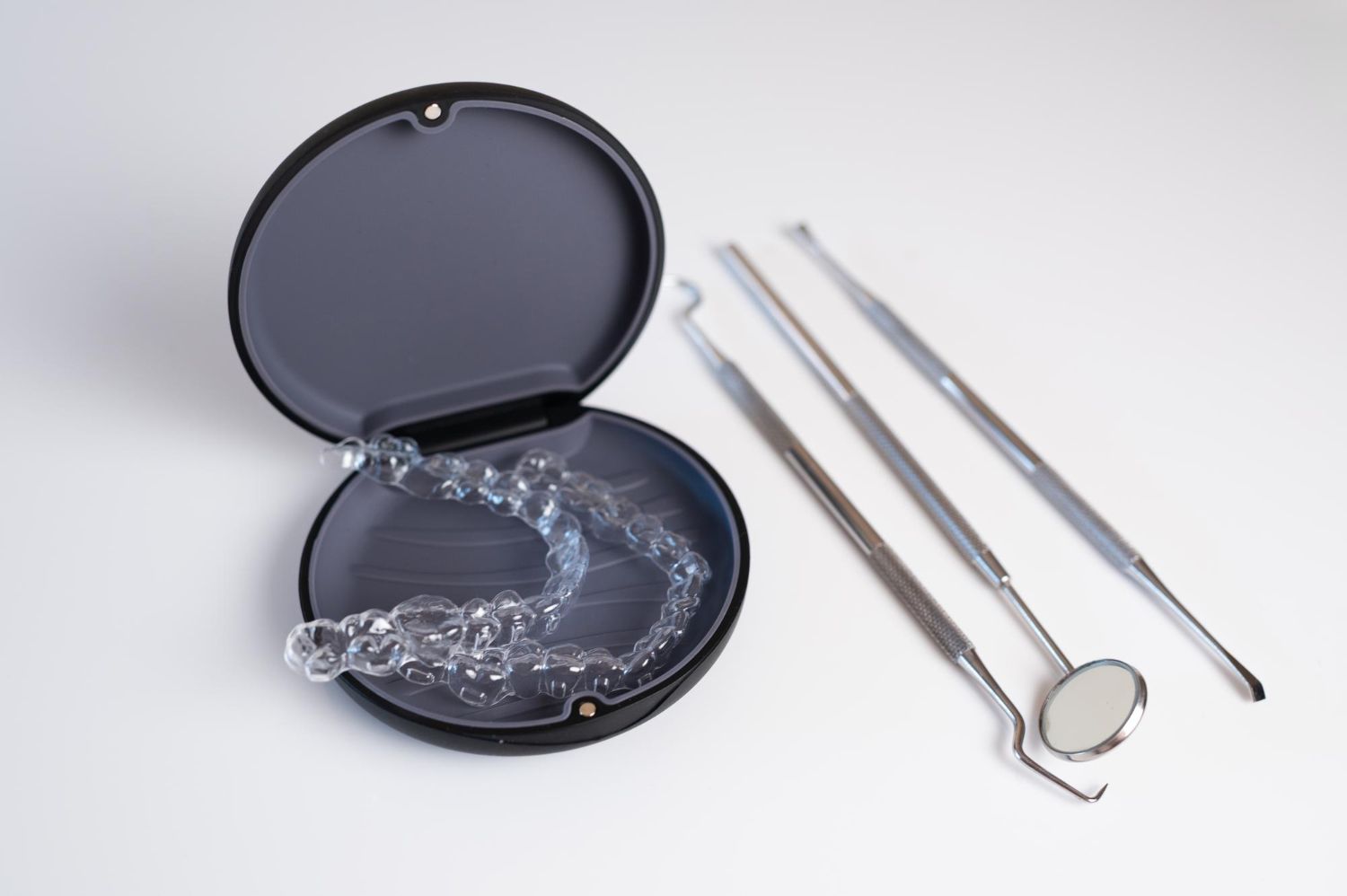
2. Oral Appliance Therapy: Custom-made oral appliances can be worn during sleep to reposition the jaw and tongue, preventing airway blockage and reducing the severity of sleep apnea and related headaches.
3. Lifestyle Modifications: Encouraging weight loss, regular exercise, and the avoidance of alcohol and smoking can reduce the severity of sleep apnea and improve headache symptoms.
4. Surgical Intervention: In certain cases, surgical interventions may be necessary to address structural abnormalities contributing to sleep apnea, such as a deviated septum or enlarged tonsils, and alleviate headaches.
Final Thoughts
Recognizing the connection between sleep apnea and headaches is crucial for identifying effective treatment options and improving overall health and well-being. At The Center for Sleep Apnea and TMJ, we provide comprehensive diagnostic and treatment services to help patients overcome these challenges and achieve a better quality of life. If you or a loved one is suffering from headaches and suspects sleep apnea to be the cause, reach out to our team of sleep apnea doctors in Meridian, Idaho, to begin the journey towards a healthier, headache-free future.